




Edwardian Silver Tea Jar
An Edwardian silver tea jar secures precious leaves behind polished metal, combining practical storage with the refined elegance of the early twentieth century.
Edwardian Silver Tea Jar
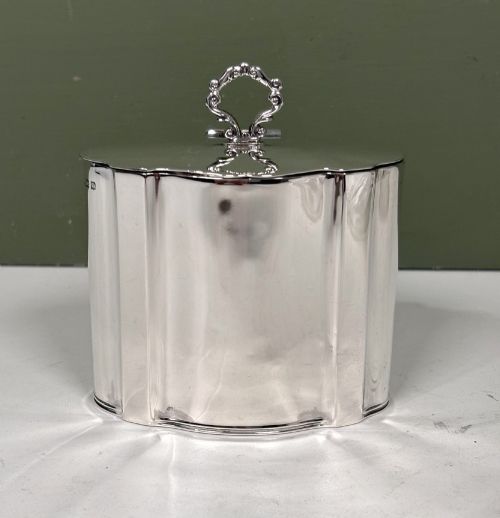
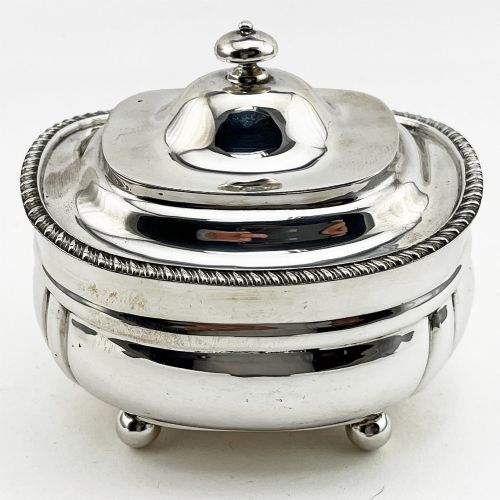
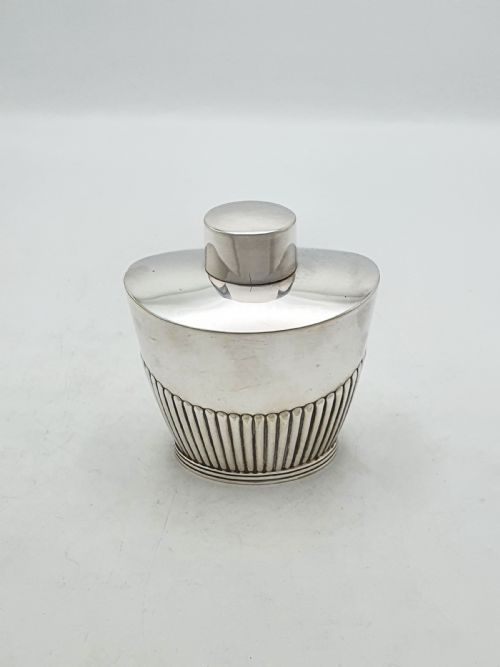
When a buyer explores an Edwardian silver tea jar, they encounter vessels designed to preserve loose leaves and dry goods upon the dining table. These containers originate predominantly from the Edwardian era and the surrounding years of the early twentieth century, spanning styles from simple neoclassical forms to hammered Arts and Crafts creations.
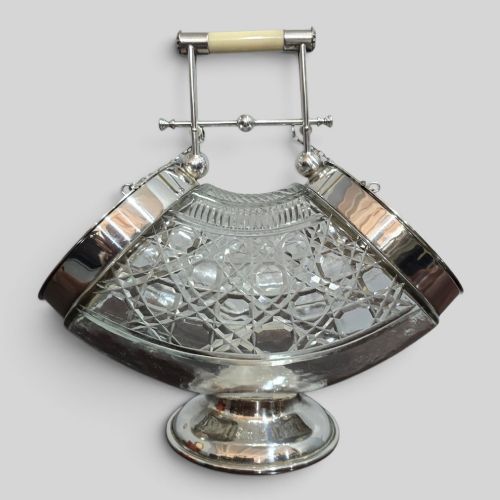
The versions most commonly met on this page include sterling silver tea caddies alongside larger silver plated biscuit barrels paired with cut glass or crystal liners. Makers utilised oak, ebony, and ceramics alongside metal to create diverse lidded boxes for domestic hospitality.
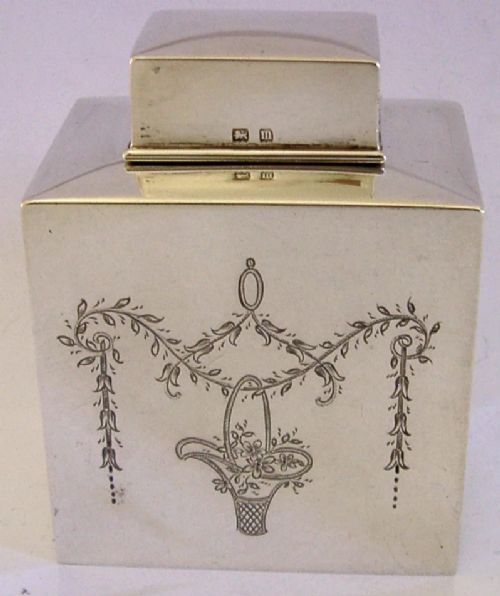
Pieces frequently carry assay office marks from London, Birmingham, and Sheffield, confirming specific dates from the turn of the century up to the reign of George V. Buyers select these items for their functional history and polished decorative presence in modern interiors.
Materials and construction
Silversmiths formed these vessels using solid sterling silver or applied silver plate over base metals, frequently incorporating heavy cut glass and crystal bodies to hold biscuits or leaves. Artisans also combined English oak and ebony components into novelty boxes and canisters.
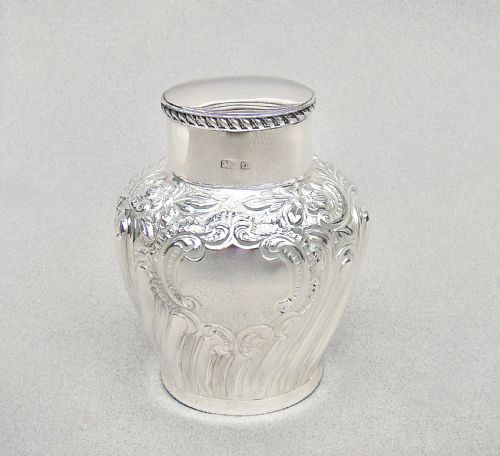
Techniques ranged from smooth polished finishes and pierced metalwork to hand-beaten Arts and Crafts surfaces and detailed repoussé decoration. Makers secured tight-fitting lids to preserve the contents, occasionally adding internal glass liners within pierced frames.
Some Edwardian biscuit boxes took the whimsical form of a heavy iron weight, hiding dry treats inside an industrial disguise.
Quality and craftsmanship
Distinctions across the range stem from the weight of the metal, the crispness of repoussé or hammered detailing, and the reputation of the silversmithing firm. Superior examples exhibit heavy gauge sterling silver and precise hallmarks rather than thin silver plate.
The integration of materials also dictates standing, with master-cut crystal bodies and solid ebony accents elevating a piece well beyond standard production items. Maker attribution to notable workshops adds a distinct layer of collectible merit.
Charles Edwards·Zimmermann·Thomas Hayes·Mappin and Webb·Goldsmiths and Silversmiths Co.·John Grinsell and Sons
The Edwardian Silver Tea Jar Glossary
- Hallmark
- Official stamps struck into precious metals indicating the assay office, purity standard, and year of manufacture. These marks provide the primary documentation for dating antique silver.
- Repoussé
- A metalworking technique where the artisan hammers the design from the reverse side to create raised ornamentation on the surface. This method creates tactile, highly decorative panels on caddies.
- Silver Plate
- A thin layer of silver fused or electroplated onto a base metal core such as nickel or copper. It allowed makers to produce large decorative biscuit barrels at a lower cost than solid silver.
- Cut Glass
- Glass shaped and patterned by grinding and polishing wheels to refract light through deep geometric incisions. This material was frequently paired with silver mounts on Edwardian biscuit boxes.
Edwardian Silver Tea Jar: Frequently Asked Questions
How were tea caddies used?
Tea caddies were kept in the drawing room or dining room to hold valuable tea leaves safely under lock or tight lids. Servants or hosts dispensed the leaves directly into teapots during social gatherings.
Because tea was an expensive commodity, these jars were built to seal tightly and protect the contents from moisture and air.
How do I date an Edwardian tea jar?
Dating relies primarily on the legible hallmarks stamped into the silver body, which reveal the assay office and specific year letter. Stylistic clues such as floral repoussé work or Arts and Crafts hammering also help confirm the era.
Makers' marks provide further historical context by linking the object to recorded working dates of specific silversmiths.
How do I care for antique silver?
Care involves gentle cleaning with a specialist silver cloth to remove natural tarnish without abrading the metal surface. Avoid harsh chemical dips that strip away the aged character of the piece.
Keep the items away from excessive moisture and handle crystal liners carefully during washing to preserve their cut facets.