
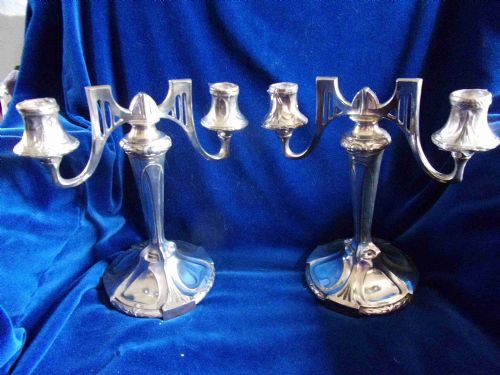


Edwardian Silver Table Silverware
Edwardian silver table silverware brings functional elegance to the dining room through sterling silver and silver plate.
Edwardian Silver Table Silverware
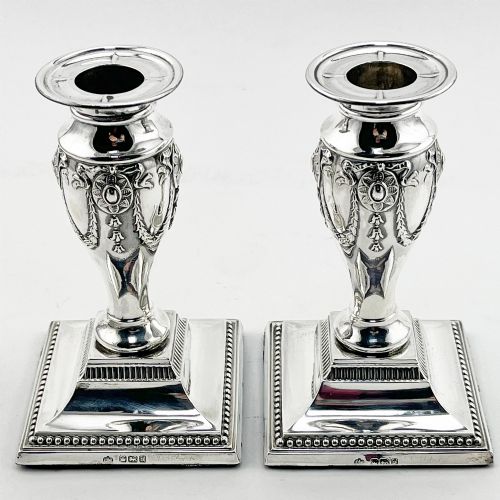
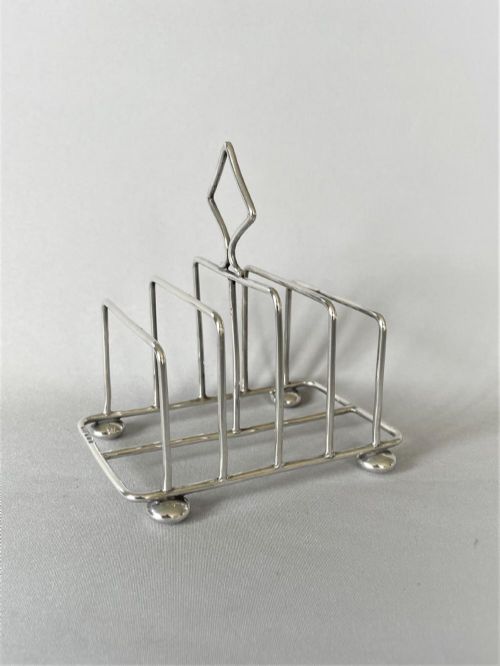
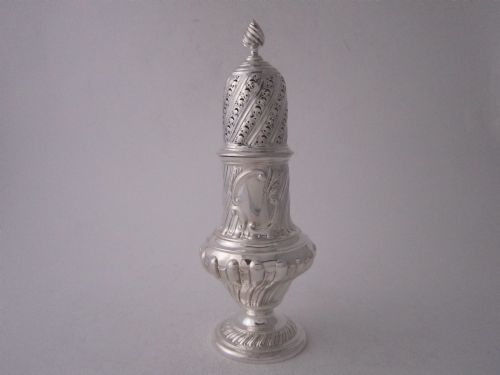
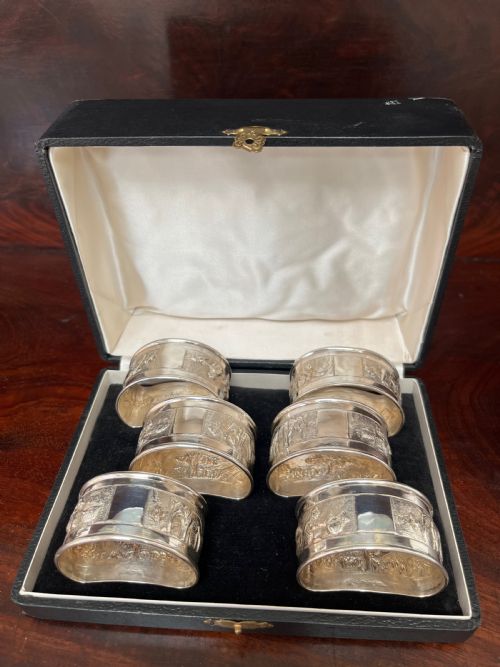
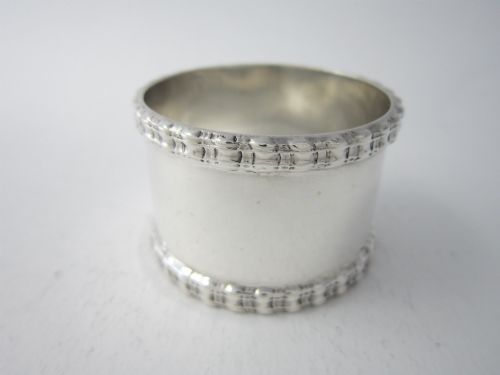
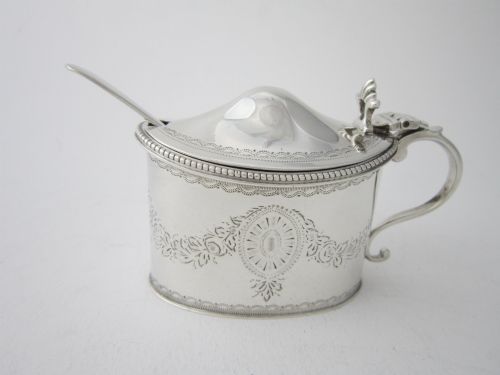
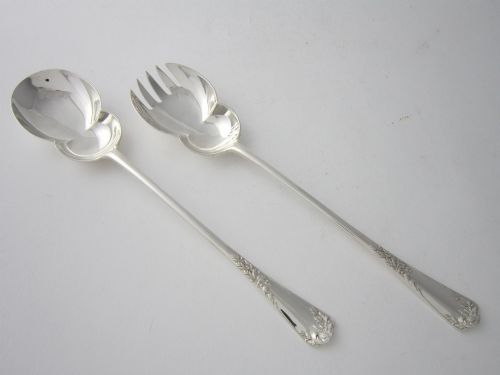
Edwardian silver table silverware encompasses dining table accessories and serving implements from the early twentieth century alongside adjacent periods. When searching for edwardian silver table silverware, buyers encounter pieces ranging from sugar casters and napkin rings to toast racks, mustard pots, bowls, serving utensils, and candelabra.
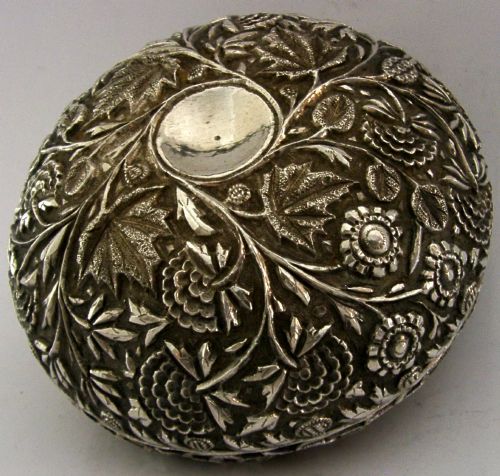
The objects span stylistic expressions such as Edwardian, Victorian, George V, Georgian Revival, Anglo-Indian, Jugendstil, Arts and Crafts, and Art Nouveau. Materials recorded in the listings include sterling silver, silver plate, solid silver, oak, velvet, brass, and silk.
Pieces from this category serve both decorative display and formal dining functions, reflecting the social rituals of their eras of production.
Materials and Construction
Items in this collection utilise sterling silver and silver plate formed into utilitarian and decorative table vessels and implements. Structural wooden elements appear in fitted oak cutlery canteens and flatware chests.
Decorative detailing incorporates enamel work alongside textile components like velvet and silk found within fitted presentation cases and interior linings.
Listings feature items dated across the Edwardian era, Victorian period, and mid-twentieth century, constructed from sterling silver, silver plate, oak, and brass.
Differentiating Quality
Quality diverges between mass-produced electroplated wares and substantial solid sterling silver items manufactured by established silversmiths. Weight, gauge of metal, and the crispness of chased or embossed decorative motifs separate standard domestic objects from finer creations.
The integrity of maker marks, hallmarks, and the preservation of original fitted wooden cabinetry or silk and velvet linings influence the standing of individual pieces.
The Barker Brothers·Liberty And Co·Roberts And Belk·Walker And Hall·Mappin And Webb·Whiting Co
The Edwardian Silver Table Silverware Glossary
- Sterling silver
- An alloy containing 92.5 percent pure silver and 7.5 percent other metals, usually copper, chosen for durability in tableware. This standard forms the basis for the majority of quality dining silver.
- Silver plate
- A base metal substrate coated with a thin layer of pure silver through electroplating or older techniques. It provided an accessible alternative to solid silver for large dining services.
- Toast rack
- A small table frame with vertical metal dividers designed to hold slices of toast upright. This form prevents condensation from making the toast soggy.
- Sugar caster
- A perforated vessel used for sprinkling sugar onto food, also known as a sugar shaker. Examples range from baluster forms to geometric polygon designs.
- Canteen
- A fitted wooden chest or box designed to store a complete set of cutlery. These containers often feature multiple interior tiers lined with fabric.
- Hallmark
- An official stamp applied to precious metals indicating purity, the assay office, and the date of testing. It serves as a primary tool for dating British silver.
Edwardian Silver Table Silverware: Frequently Asked Questions
What is edwardian silver table silverware?
Edwardian silver table silverware comprises dining accessories and serving utensils produced primarily during the early twentieth century. The category includes items for food service, condiment distribution, and table decoration.
These objects are forged from sterling silver or silver plate, sometimes incorporating auxiliary materials like oak and enamel.
How were toast racks used?
Toast racks held hot toast upright at the breakfast table to maintain crispness and allow steam to escape between slices. Individual divisions kept pieces separated.
They remain functional for serving toast or dry biscuits during morning meals.
How do I identify silver plate from solid silver?
Solid silver items typically bear official hallmarks indicating metal purity, whereas silver plated objects carry manufacturer marks denoting plating techniques or base metals. Weight and tactile warmth can also offer initial clues.
Examining high-wear areas for exposed base metal reveals underlying plating.
How do I care for silver table items?
Silver table items require periodic cleaning with specialised silver polish to remove tarnish without abrading the surface. Hand washing in warm soapy water preserves structural and decorative integrity.
Storing pieces in dry environments away from direct sunlight prevents rapid re-tarnishing.
What styles appear in edwardian silver table silverware?
The selection encompasses Edwardian designs alongside Victorian survivals, George V pieces, and revival styles like Georgian Revival. Art Nouveau, Jugendstil, and Arts and Crafts movements also influence the decorative vocabulary.
Anglo-Indian production introduces distinct regional craftsmanship and motifs to the grouping.