


Edwardian Serviette Ring
These edwardian serviette ring examples are practical silver and pewter dining table accessories that collectors seek for their fine craftsmanship and period elegance.
Edwardian Serviette Ring
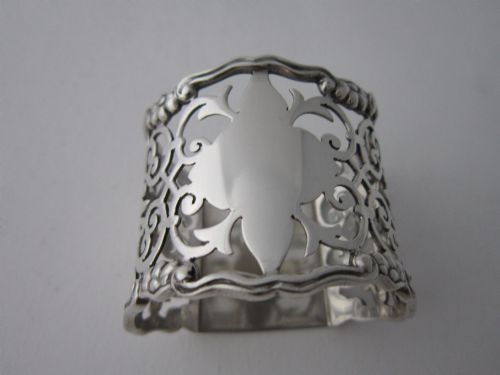
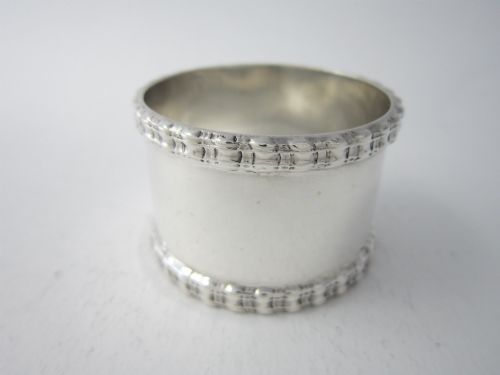
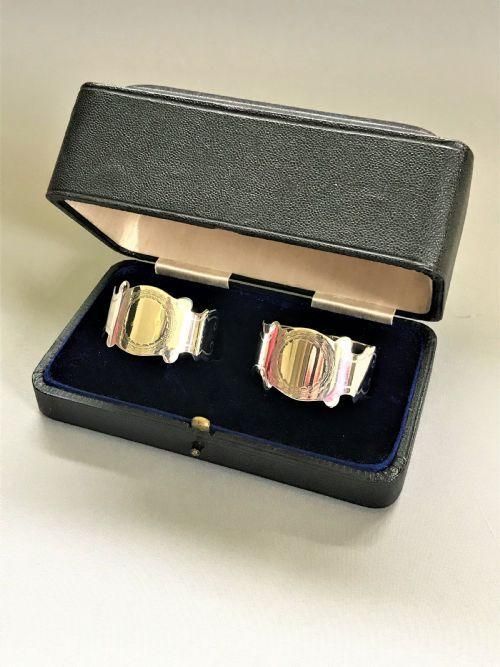
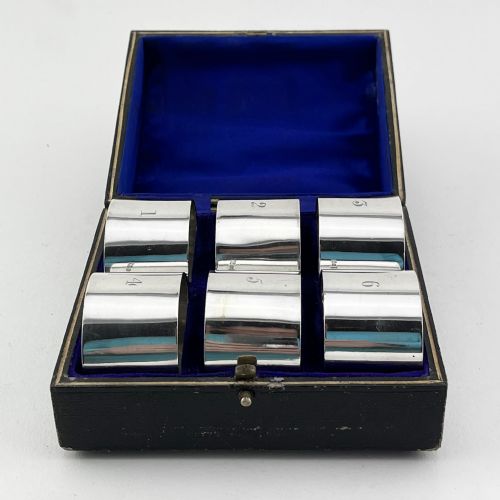
When searching for an edwardian serviette ring, a buyer encounters practical table accessories designed to hold individual table napkins during formal meals. The listings feature round bands in solid silver, silver plate, and pewter, often appearing in matching pairs or larger cased sets.
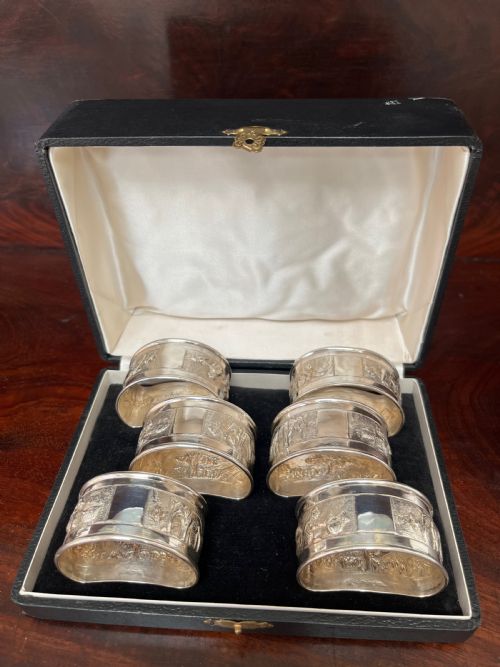
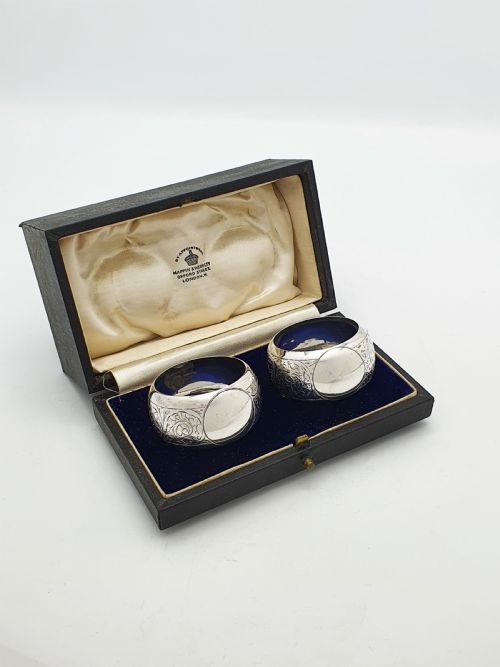
The pieces span the Edwardian period alongside adjacent Victorian, George V, and mid-century eras, reflecting changing dining customs across the early twentieth century. Many survive inside original fitted presentation boxes lined with silk or velvet, accompanied by protective leatherette outer cases.
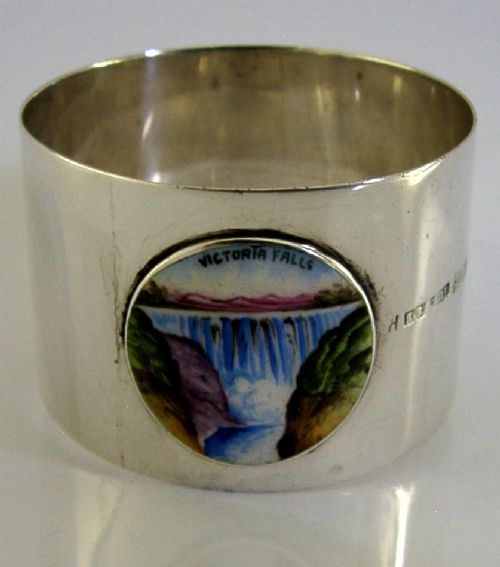
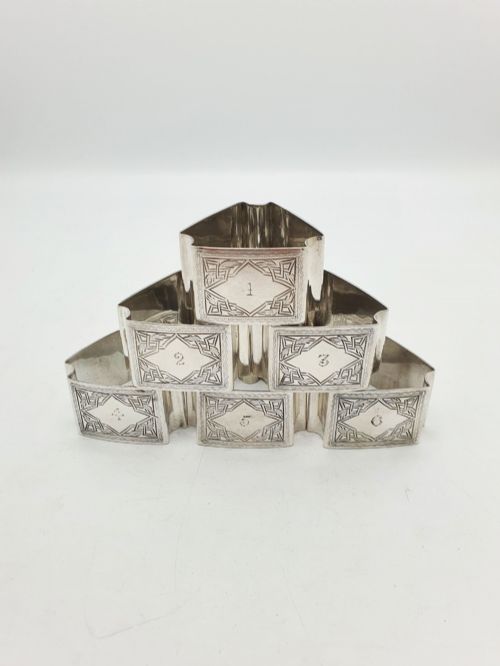
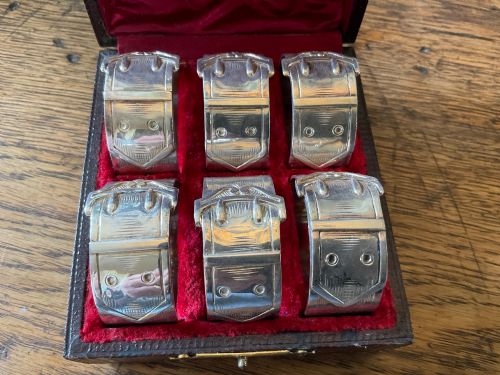
Design variations include plain polished bands, numbered sets for family dining, and distinct forms modelled as belt buckles. Notable examples showcase the decorative techniques of the Arts and Crafts movement, including distinctive cymric enamel work.
How they were made
Silversmiths constructed these napkin rings using sterling silver or silver plate, shaping metal sheets into cylindrical bands and applying soldered seams. Pewter served as an alternative metal medium, particularly for workshop pieces produced during the Arts and Crafts period.
Enamel work provided colour contrast on specialist designs, fused directly to the metal surface within designated cells. Presentation storage boxes utilised wood frames covered in leatherette and lined internally with tailored silk or velvet to cradle each individual ring.
Listings feature sterling silver, silver plate, and pewter materials across Victorian, Edwardian, and George V periods.
What varies in quality
The distinction between standard domestic table wares and finer pieces rests on the weight of the metal and the reputation of the maker. Heavier solid silver constructions provide greater substance in the hand compared to lighter silver-plated alternatives.
The presence of original fitted presentation cases enhances the desirability of a set, particularly when the silk and velvet linings remain intact and clean. Pieces associated with prominent design houses or specific artisan guilds demonstrate superior artistic conception and execution.
C.T. Burrows & Sons·Liberty & Co·Archibald Knox·Mappin & Webb·Guild of Handicraft
The Edwardian Serviette Ring Glossary
- Sterling silver
- A standard alloy consisting of pure silver combined with a small proportion of other metals to increase durability. This material forms the primary body of most high-grade antique napkin rings.
- Silver plate
- A base metal substrate covered with a thin outer layer of genuine silver through electroplating or chemical processes. This method offered a practical, accessible option for larger household dining sets.
- Cymric
- A trademarked style of silver and enamel metalwork introduced by Liberty and Co. It draws heavily on Celtic revival motifs popular during the early twentieth century.
- Leatherette
- A synthetic material manufactured to imitate the appearance and texture of genuine leather. It commonly covers the exterior of fitted presentation boxes designed to protect dining accessories.
- Cased set
- A collection of tableware housed within a custom-fitted storage box designed specifically for that grouping. These boxes often feature hinged lids and secure internal compartments.
Edwardian Serviette Ring: Frequently Asked Questions
What is a serviette ring?
A serviette ring is a small individual ring used at the dining table to hold a cloth napkin between meals.
Historically, households utilised numbered or distinct sets so family members could identify their personal napkin day after day.
How do I date a silver ring?
Silver napkin rings from this era typically carry British hallmarks stamped directly into the metal body.
These tiny struck marks indicate the assay office, the standard of silver, and an annual date letter corresponding to the year of manufacture.
Were these sold in boxes?
Many fine napkin rings were retailed as matched pairs or complete sets of six nestled inside dedicated presentation boxes.
These storage containers feature custom-moulded interiors lined with soft silk or velvet to protect the polished metal surfaces from tarnishing and scratches.