

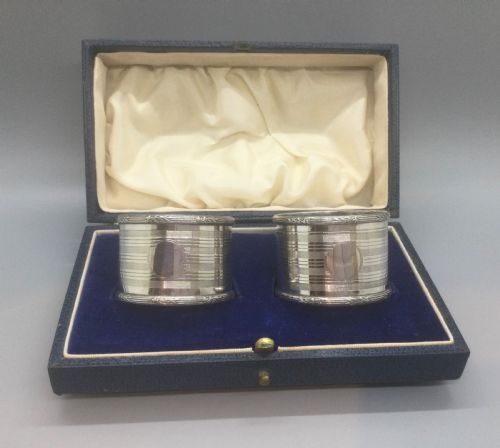
Antique British Silver Ring
These antique british silver ring pieces span decades of domestic craft, offering both functional table items and wearable adornment for daily use.
Antique British Silver Ring
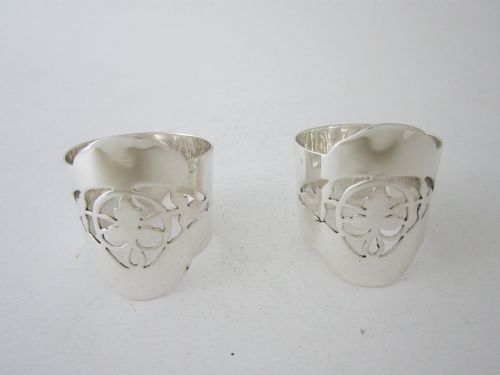
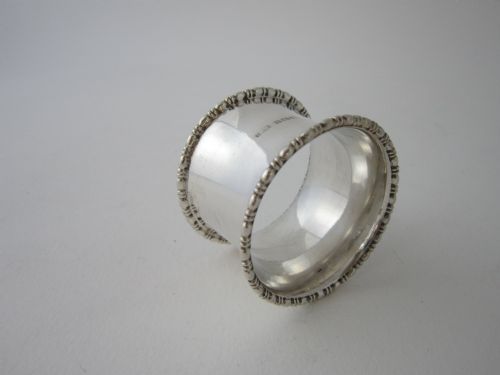
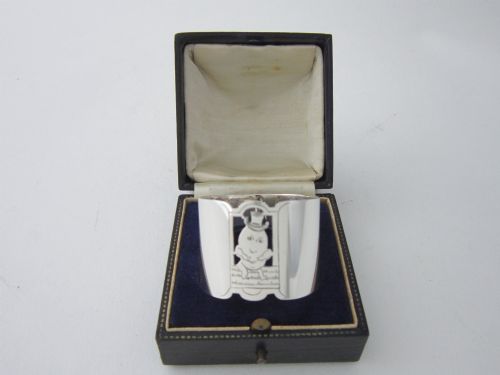
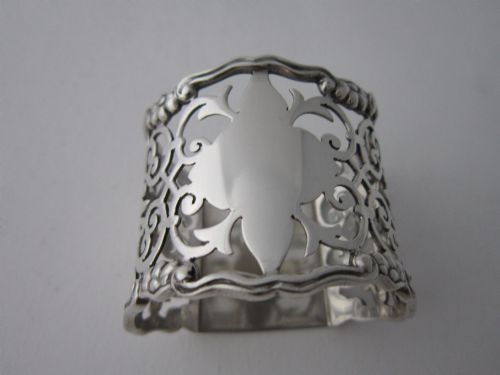
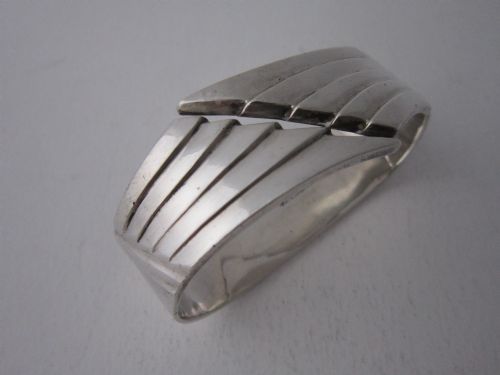
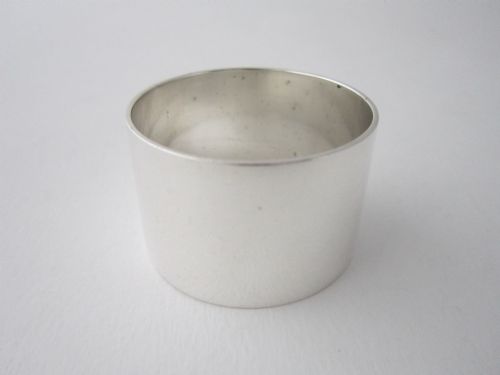
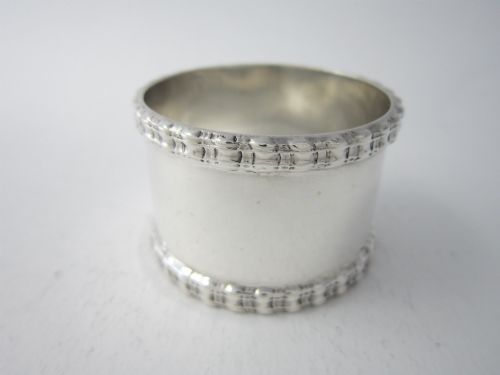
An antique british silver ring primarily takes the form of sturdy napkin rings produced across the early twentieth century, alongside occasional mid-century jewellery items. Buyers searching this phrase will most frequently encounter solid sterling silver examples bearing the hallmarks of the George V period and Edwardian era.
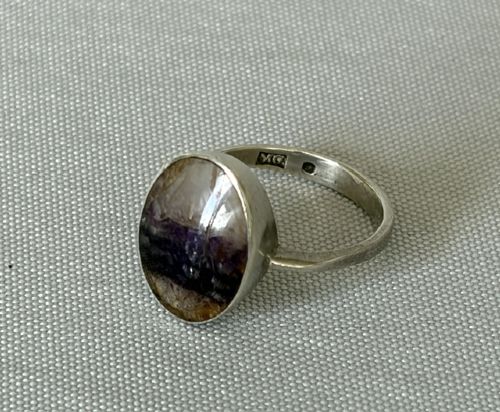
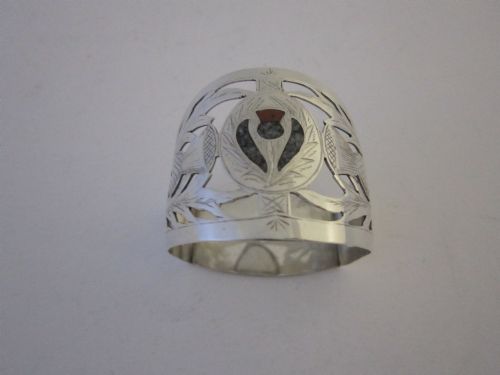
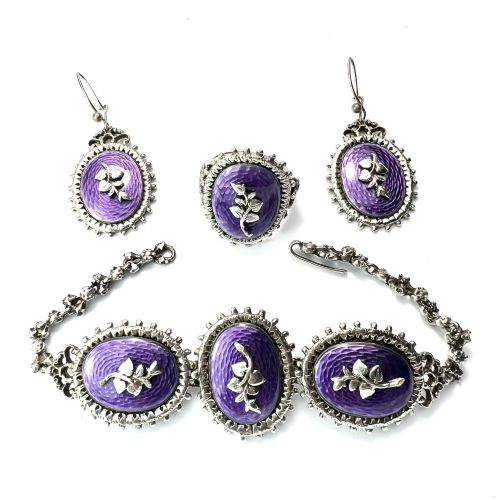
The selection ranges from plain cylindrical table markers to decorative pieces inset with agate or finished with vibrant enamel work. These items served both practical dining purposes and personal adornment, reflecting the domestic habits and decorative tastes of their respective decades.
How they were made
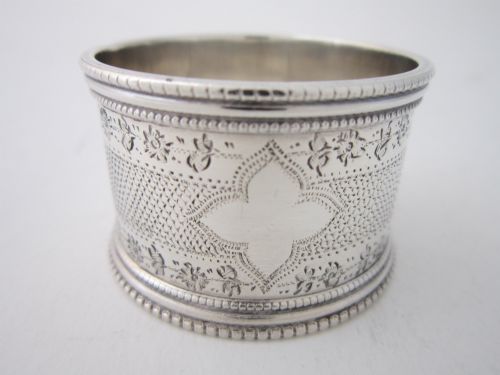
Silversmiths shaped sterling silver into robust circular bands, often utilising heavyweight gauge metal to ensure durability during daily dining use. Surface decoration was achieved through traditional methods such as engraving, polished finishing, and bezel-setting natural stones.
Enamelled variants and stone-set pieces required specialist hand-crafting techniques to fuse coloured glass or polished agate securely into the silver mounts. Maker workshops applied traditional punch hallmarks to guarantee the standard of the metal.
Listings show items spanning from the Victorian period through to the nineteen-fifties, utilising sterling silver, agate, and enamel.
What varies in quality
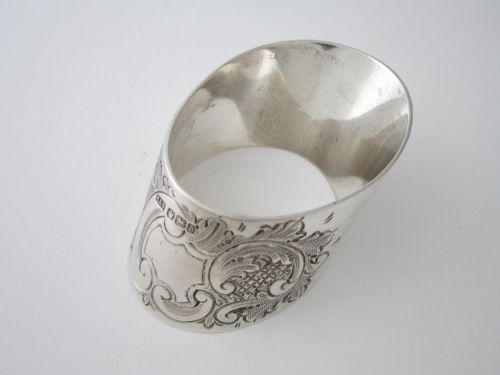
The distinction between standard production and finer work lies in the weight of the silver and the crispness of the applied hallmarks and engraving. Heavier gauges of metal provide a more substantial feel in the hand, separating utilitarian pieces from those of finer workshop origin.
The inclusion of decorative elements like polished agate or careful enamelling introduces another layer of distinction in the overall execution. Pieces bearing identifiable maker marks or specific regional assays demonstrate greater individual character than unmarked examples.
R. E. Stone·Harold Arthur Lazarus
The Antique British Silver Ring Glossary
- Sterling silver
- A silver alloy containing 925 parts of pure silver per thousand parts, standard for quality British tableware and jewellery. This composition ensures structural integrity for items subjected to regular handling.
- Hallmark
- An official stamp applied to precious metals indicating the standard of purity, the assay office, and the date letter. These marks allow collectors to trace the exact origin and year of manufacture.
- Agate
- A cryptocrystalline variety of silica used in jewellery and decorative objects for its banded appearance. Craftsmen cut and polished these stones to fit flush within silver bezels.
- Enamel
- A glassy substance fused to the surface of metal through firing for decorative colour. This technique adds vibrant hues to silver rings and associated items.
Antique British Silver Ring: Frequently Asked Questions
What periods do these pieces date from?
The available selection spans the Edwardian era, the George V period, and the mid-century decades. Most examples originate from the early twentieth century.
Production methods and stylistic details shifted across these years, moving from ornate Edwardian traditions toward cleaner mid-century modern aesthetics.
How were silver napkin rings used?
These rings served to identify individual napkins during family meals when laundering happened less frequently. Each household member retained their designated marker between uses.
They sat upon the dining table alongside other silver tableware, combining practical utility with decorative display.
Are all items made of solid silver?
The majority of the pieces consist of sterling silver, as recorded by the standard metal designations in the listings. Hallmarks stamped directly onto the metal confirm this composition.
Some items incorporate additional materials such as agate stones or coloured enamel surfaces alongside the primary silver structure.
How do I identify a George V piece?
George V pieces typically bear hallmarks corresponding to the reigning monarch's years on the throne, alongside date letters from that specific era. The stylistic cues often reflect the prevailing tastes of the 1910s and 1920s.
Examining the stamped assay marks provides the most reliable confirmation of the period of manufacture.