



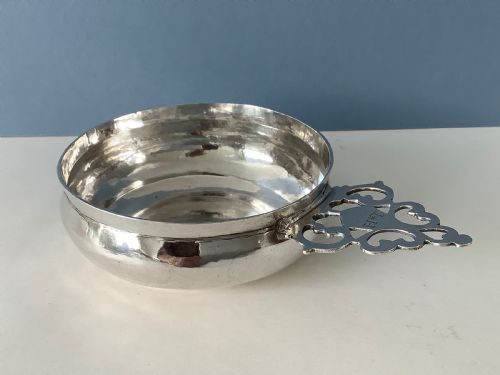
Sterling Silver Porringer Cup
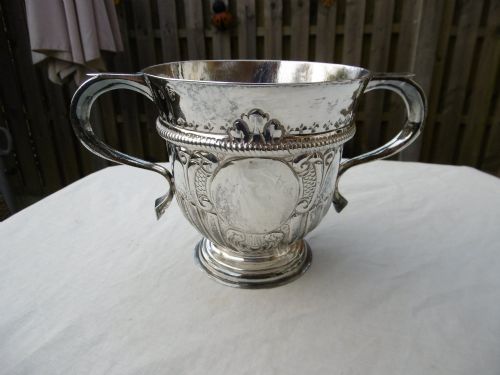
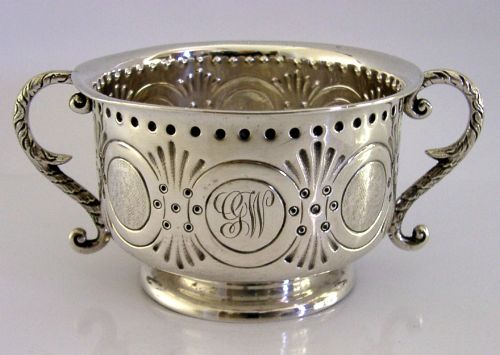
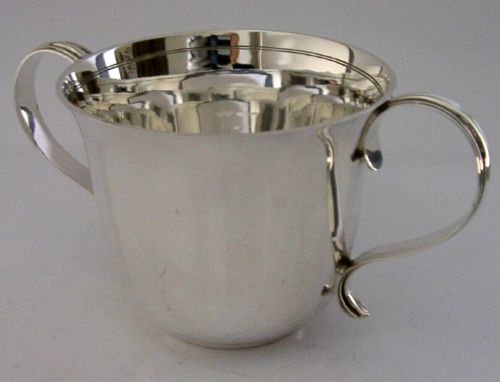
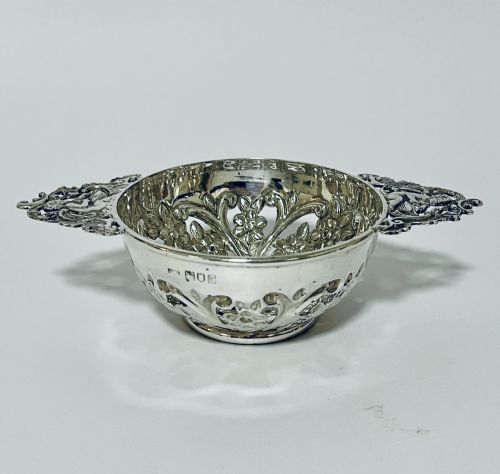
These sterling silver porringer cup examples bring centuries of chased handles and bulbous bowls straight to your table.
Sterling Silver Porringer Cup
A sterling silver porringer cup is a small, two-handled vessel with a rich history spanning from the seventeenth century through the Georgian and Edwardian eras. Buyers searching for this phrase seek distinct drinking and serving bowls, often featuring paired side handles and sometimes fitted covers.
The versions most commonly met on this page range from early British examples struck in Britannia standard silver to later Edwardian reproductions and twentieth-century christening sets. These bowls appear alongside related forms like quaichs and bleeding bowls, reflecting varied domestic uses across generations.
How they were made
These pieces are fashioned primarily from sterling silver and Britannia standard silver, worked into deep circular bowls and fitted with sturdy side handles. Many examples utilise traditional smithing techniques, resulting in robust weights that suit their domestic purpose.
Finer presentations sometimes incorporate fitted presentation boxes lined with materials such as leather, velvet, and silk. These interior linings protect the silver vessels during storage and transport.
Sterling Silver Porringer Cup Retail Price Guide 2026
Typical asking prices for sterling silver porringer cup among the pieces listed under this phrase on Sellingantiques today, from the lower quarter to the upper quarter. They describe what is for sale here now, not the wider market.
Listings span multiple centuries, ranging from seventeenth century William and Mary pieces up to twentieth century Edwardian reproductions and christening sets.
What varies in quality
Quality in these vessels rests on the crispness of early hallmarks, the weight of the silver, and the balance of the twin handles. Pieces bearing clear makers' marks and early dates command greater attention from collectors.
The distinction between standard production and top tier work lies in the depth of hand-chased decoration and the survival of matching covers. Earlier seventeenth-century pieces display distinct craftsmanship compared to later twentieth-century reproductions.
Asprey·Thomas Sutton
The Sterling Silver Porringer Cup Glossary
- Porringer
- A small, two-handled bowl used historically for porridge, broth, or other soft foods. These vessels often feature embossed decoration and sturdy side lugs.
- Britannia Standard
- A higher purity standard of silver introduced in England, containing ninety-five point eight percent pure silver. Pieces marked this way date strictly to specific periods in British silver history.
- Quaich
- A traditional Scottish two-handled drinking vessel. This form appears among related silver drinking vessels on this page.
- Bleeding Bowl
- A shallow medical bowl with a single flat handle, closely related in form and period to early porringers. These items often feature graduated measurement markings inside.
- Hallmark
- An official stamp struck on precious metals to indicate the standard of purity, the assay office, and the date letter. These marks are essential for dating British silver accurately.
Sterling Silver Porringer Cup: Frequently Asked Questions
What was a porringer cup used for?
Historically, a sterling silver porringer cup served as a small bowl for eating soft foods, broths, or porridges in wealthy households. Over time, many of these vessels transitioned into decorative display items or traditional christening gifts.
Today, they function well as cabinet pieces, small desk tidies, or heirloom gifts for newborns.
Are Edwardian porringers authentic antiques?
Edwardian silver pieces and Edwardian Stuart revival items are genuine antiques dating from the early twentieth century. Many makers during this era produced faithful reproductions of seventeenth century styles.
Examining the assay office stamps will immediately reveal whether a piece is an early original or a later revival work.
How should I clean my silver porringer?
Clean your vessel gently using a dedicated silver cloth and warm soapy water to remove everyday tarnish. Avoid harsh chemical dips that can strip away the dark oxidation highlighting chased handle details.
Store the bowl in a dry environment, away from direct sunlight, or within a lined presentation box.