


Edwardian Silver Plated Tea Set
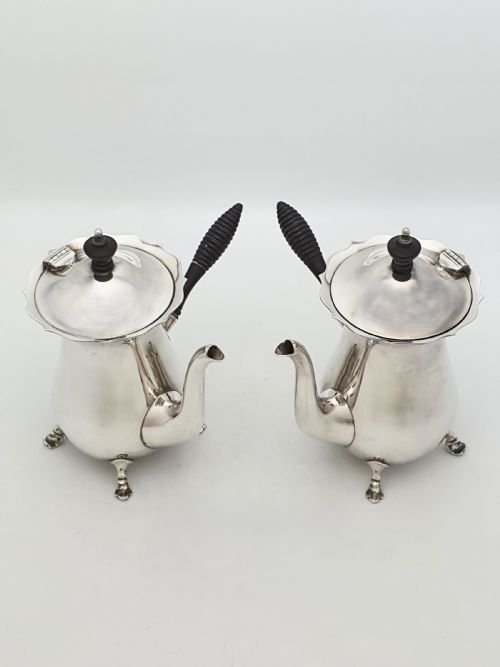
An edwardian silver plated tea set brings the refined hospitality of the early twentieth century directly to the drawing table.
Edwardian Silver Plated Tea Set
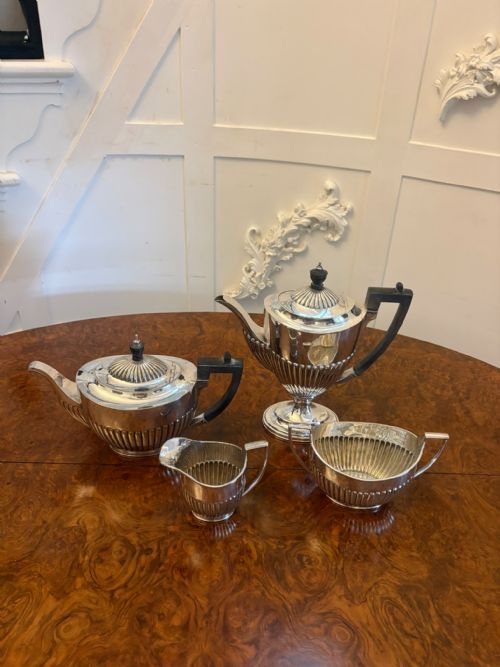
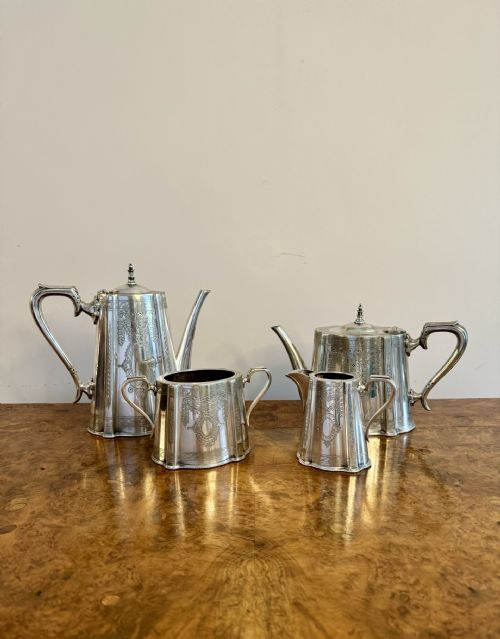
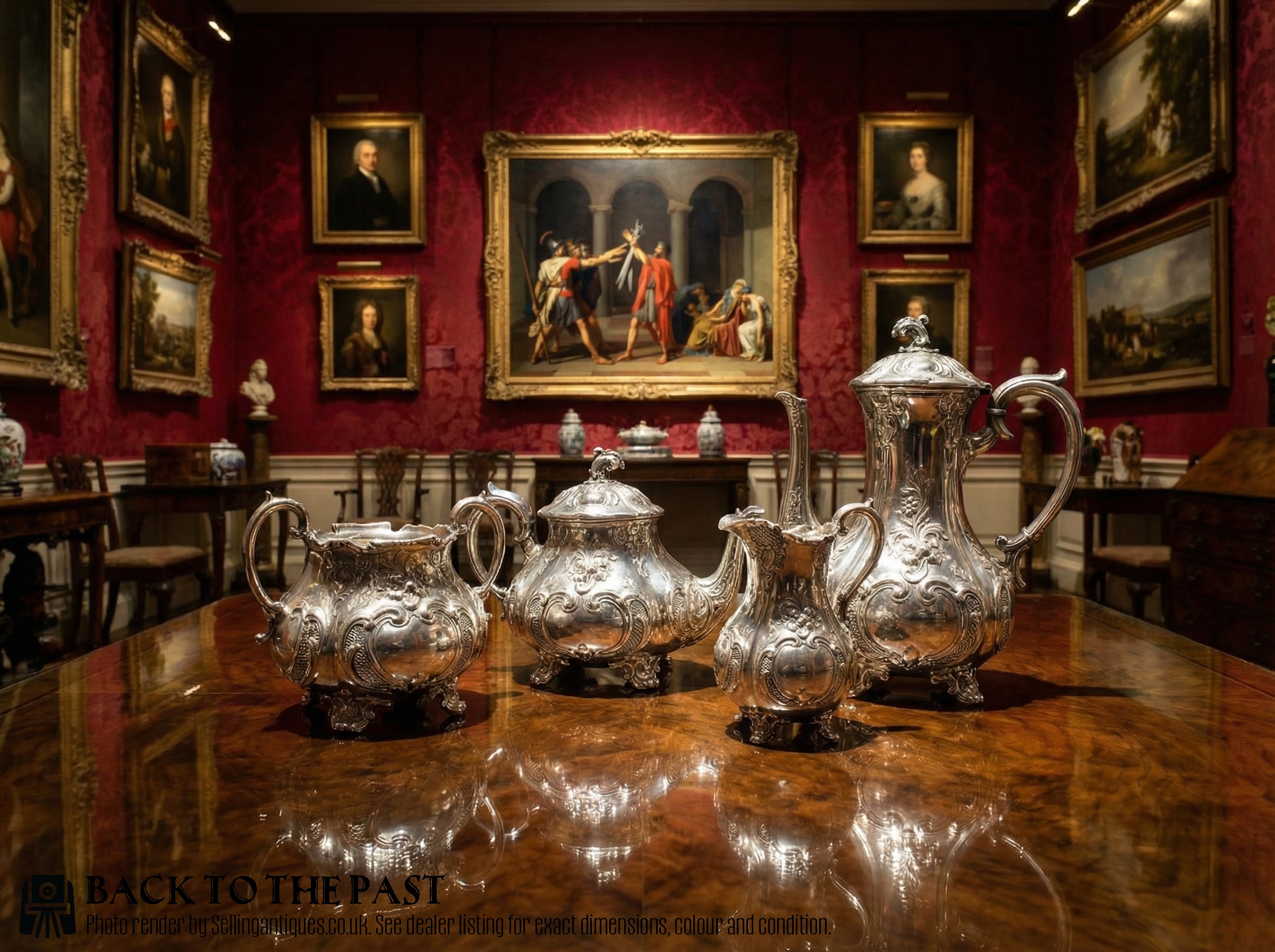
When searching for an edwardian silver plated tea set, you encounter matched groupings designed for the formal ritual of afternoon tea, originating primarily from the 1900 to 1920 period. These collections most frequently appear as three or four piece ensembles, combining pots for tea and coffee alongside cream jugs and sugar basins.
The selections span standard three piece configurations up to unusual six piece sets, occasionally accompanied by specialised items such as café au lait pots. The prevailing aesthetic draws heavily from Edwardian sensibilities, alongside occasional nods to Victorian and Edwardian Rococo Revival styles.
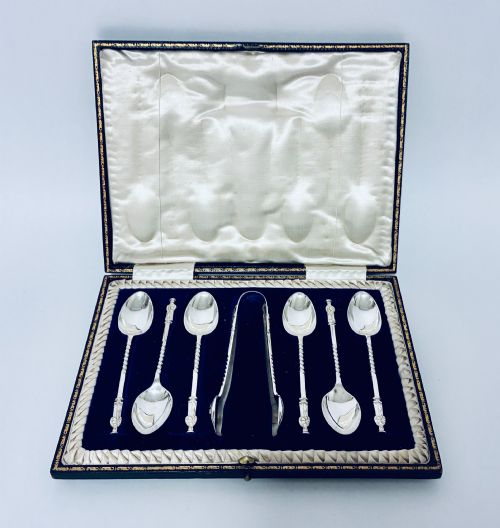
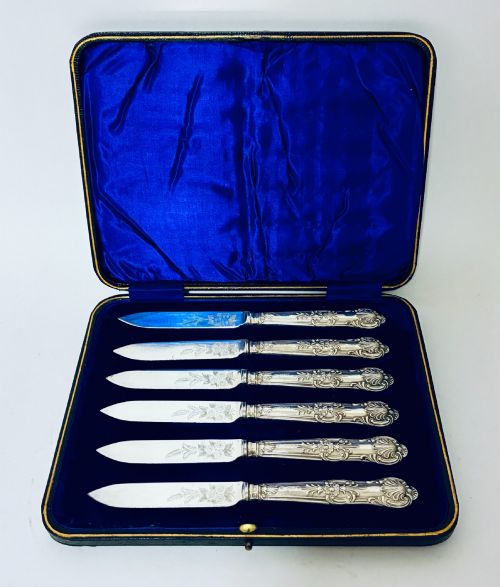
Beyond core services, related tableware appears in the form of apostle spoons, fruit knife sets, and pickle forks. These pieces reflect the domestic habits of households utilising silver plate for daily hosting rather than sterling items alone.

How They Were Made
Makers constructed these sets primarily using a base metal foundation coated with silver plate, marrying durability with bright reflective surfaces. Artisans frequently integrated ebonised wood or ebony for handle insulators on pots to prevent heat transfer during use.
Decorative work relied heavily on applied motifs, notably ornate grapevine detailing cast or stamped into the metal body. Interior components occasionally incorporated silk or velvet linings within fitted presentation boxes for associated cutlery and small spoons.
Listings feature items spanning the 1900 to 1920 era, dominated by silver plate, ebonised wood, and metal forms.
What Varies in Quality
Quality differences emerge through the crispness of chased and embossed ornamentation, where finer examples display deeply carved grapevine detailing rather than shallow stamping. The substance of the base metal dictates the heft of each vessel, separating substantial services from lighter productions.
Maker attribution elevates certain sets, particularly those bearing the marks of established silversmiths known for robust construction and balanced proportions. The preservation of the underlying silver plate across high-contact zones like spouts and handles further distinguishes superior services.
Walker and Hall·Goldsmiths and Silversmiths Co
The Edwardian Silver Plated Tea Set Glossary
- Silver Plate
- A manufacturing technique where a thin layer of silver coats a base metal object. This process allowed households to achieve the appearance of solid silver at a lower cost.
- Café Au Lait Pot
- A specialised vessel designed for serving coffee alongside warm milk simultaneously. These pots often match the main tea service in decorative style.
- Ebonised Wood
- Timber treated to resemble ebony, utilised frequently for teapot handles and finials. It offered a stable, dark grip that resisted heat.
- Apostle Spoon
- A decorative spoon featuring the figure of an apostle on the handle end. These appear in matched sets alongside serving tongs.
Edwardian Silver Plated Tea Set: Frequently Asked Questions
What pieces comprise a standard set?
A standard set usually includes a teapot, a milk jug, and a sugar basin. Four piece versions add a dedicated coffee pot to the arrangement.
Larger configurations expand further into six piece services, incorporating specialised vessels and matching trays for formal entertaining.
How were these sets used originally?
Hosts utilised these services during afternoon tea gatherings and formal receptions to serve guests hot beverages. The matching pots allowed for simultaneous distribution of tea and coffee.
Accompanying sugar basins and cream jugs completed the hospitality ritual, managed directly by the host from a central tray.
How do I clean silver plate safely?
Maintenance requires gentle washing with warm water and mild soap, followed by drying with a soft cloth. Avoid abrasive cleaners that wear away the thin silver layer.
Specialist silver dips should be used sparingly to preserve any blackened detailing or antique patination embedded within ornate crevices.
Can I use these sets daily?
These services function well for occasional entertaining provided you handle them with care. Modern dishwashers must be avoided to prevent damage to plated surfaces and wooden insulators.
Hand washing preserves the structural integrity of handle pins and keeps the soldered joints secure against thermal shock.