


Edwardian Silver Plated Decanter
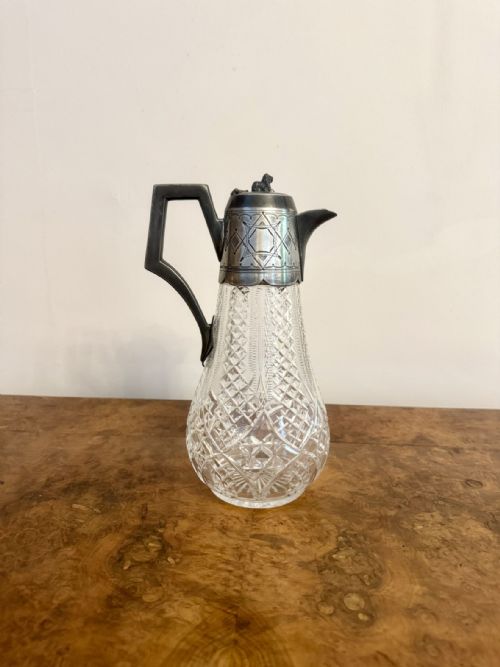
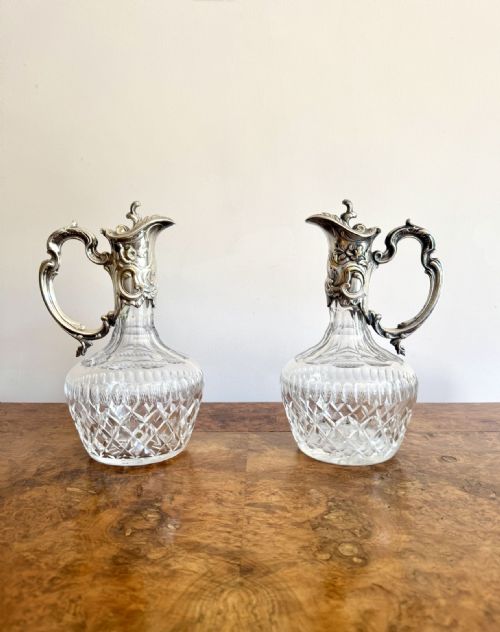
These pieces of edwardian silver plated decanter combine sparkling glass with robust metal mounts, offering both utility and period charm for a drinks display.
Edwardian Silver Plated Decanter
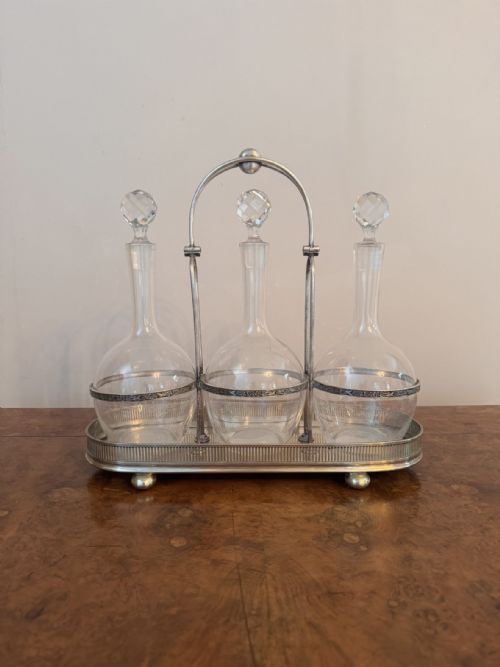
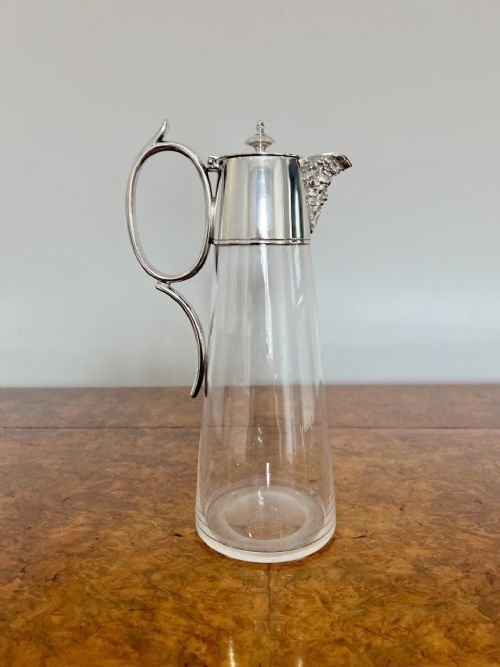
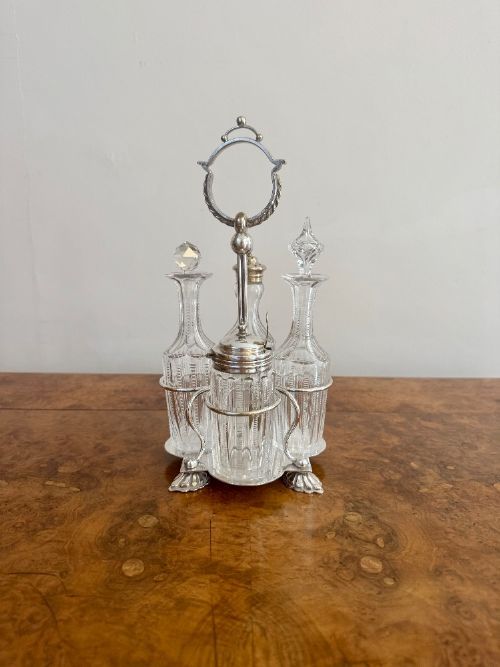
When you search for an edwardian silver plated decanter, you encounter a variety of sophisticated drinking vessels and serving equipment designed for formal dining and entertaining. The most common form on this page is the claret jug, alongside spirit bottles, decanter sets, and tantalus frames.
The objects stem predominantly from the Edwardian era and the late nineteenth century, spanning periods from eighteen-eighty to nineteen-twenty. Makers utilised diverse glass forms, including cut crystal, etched glass, and vibrant cranberry glass, paired with sturdy metal mounts and stands.
Materials and Technique
Makers combined silver plate with clear, cut, or coloured glass, mounting metal collars, handles, and hinged lids directly onto the vessels. Wood such as oak and mahogany frequently provides a stable base for coasters, trays, and multi-bottle tantalus frames.
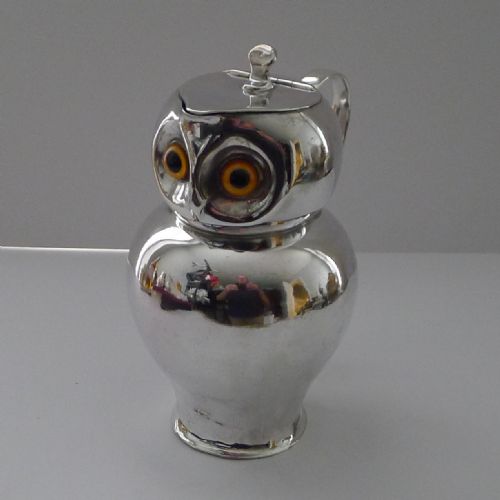
Craftsmen applied techniques ranging from geometric glass cutting to botanical etching, framing the glass within secure silver-plated housings and novelty shapes like owls and thistles.
Some Edwardian makers transformed functional decanters into whimsical creatures, mounting glass eyes onto silver-plated owls and Scottish thistles.
Quality and Distinction
The distinction between standard items and superior examples lies in the crispness of the glass cutting, the weight of the metal plating, and the integrity of the mounts. Finer pieces exhibit balanced proportions, secure hinges, and unblemished glass surfaces.
Makership and design complexity also elevate an object, with novelty configurations and recognised silversmith marks demonstrating superior workshop output compared to simpler, utilitarian drinking vessels.
Brook & Son·Hukin & Heath·Mappin & Webb
The Edwardian Silver Plated Decanter Glossary
- Silver Plate
- A base metal coated with a thin layer of silver. This technique provided the lustrous appearance of solid silver at a more accessible cost for domestic tableware.
- Tantalus
- A locked cabinet or frame holding decanters securely visible yet inaccessible without a key. The device prevented unauthorised access to fine spirits in Victorian and Edwardian homes.
- Claret Jug
- A specialised pouring vessel designed specifically for serving red wine. These pieces usually feature a handle, a hinged lid, and a decorative mount surrounding the glass neck.
- Wine Coaster
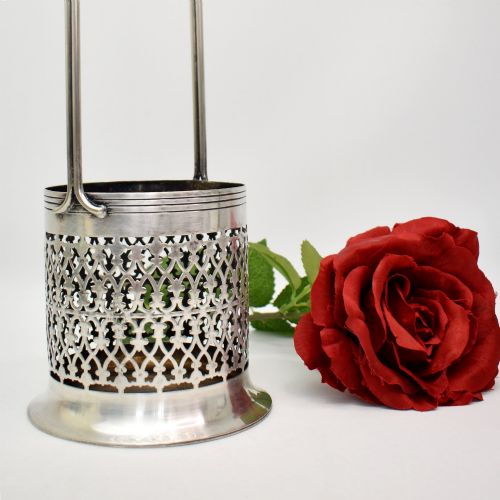
- A small, flat-bottomed tray or dish designed to hold a bottle on the dining table. They frequently incorporate wooden bases and silver-plated rims to protect polished furniture surfaces.
- Cranberry Glass
- A rich red glass produced by adding gold to the molten batch. It gained popularity during the nineteenth and early twentieth centuries for decorative glassware and decanters.
Edwardian Silver Plated Decanter: Frequently Asked Questions
How do I clean the silver plate?
Silver plate requires gentle cleaning with a soft cloth and a non-abrasive polish specifically formulated for plated items. Avoid harsh chemical dips that can strip the thin silver layer.
Keep moisture away from any wooden bases or fitted locking mechanisms found on tantalus frames. Regular dusting and occasional careful wiping preserve the bright finish of the metal mounts.
How are these pieces dated?
Dating relies on stylistic clues, manufacturing techniques, and occasional maker marks stamped onto the metal mounts. Edwardian pieces typically span the period from nineteen hundred to nineteen ten.
Victorian precursors display heavier ornamentation, while later items from the nineteen twenties adopt simpler geometric lines. Comparing the glass cutting style and the shape of the handle helps confirm the era.
How were they used originally?
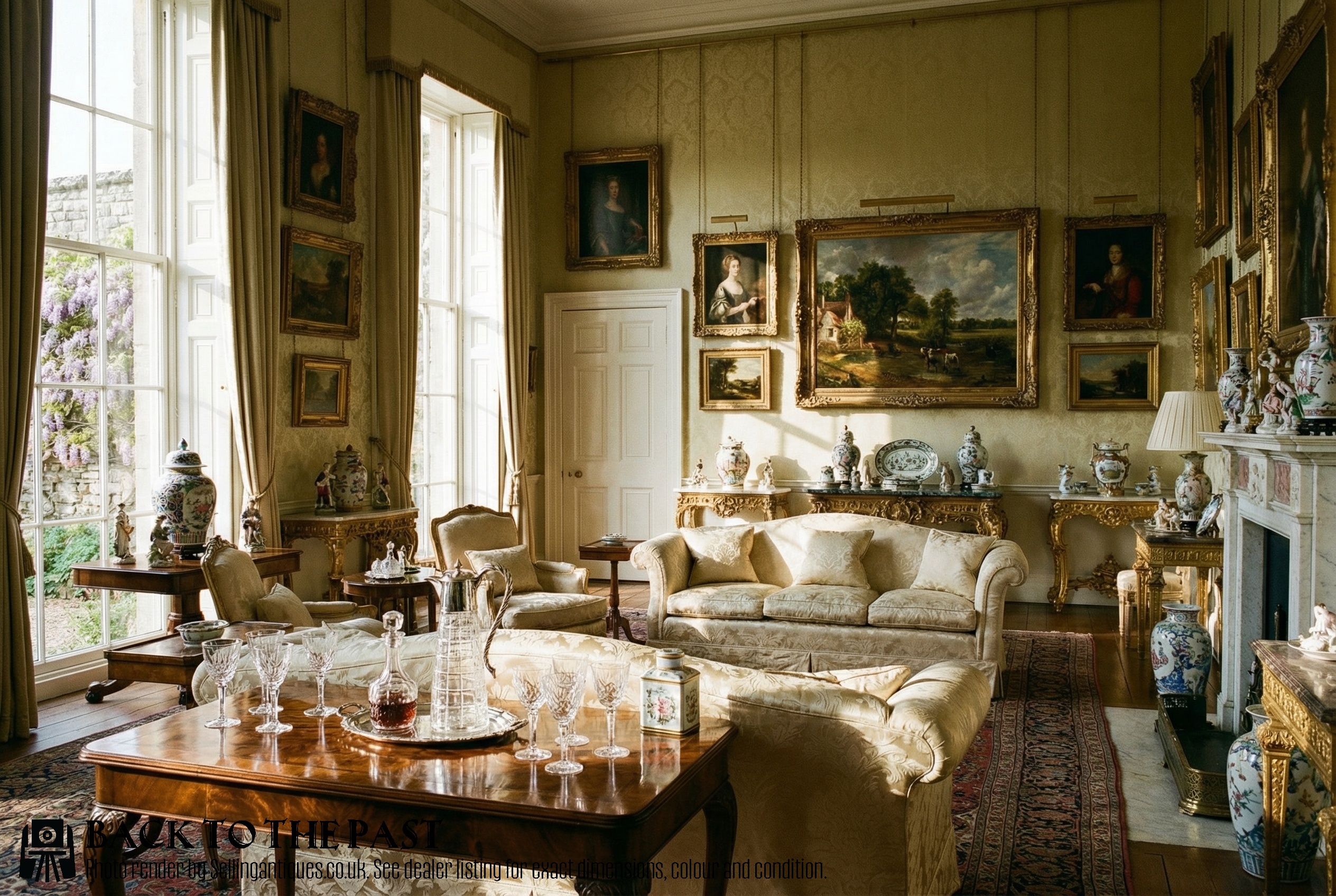
Households utilised these vessels to serve wine, spirits, and cordials during formal dinners and drawing-room gatherings. Decanters held the liquor on sideboards or dining tables, ready for pouring into glasses.
Stands and coasters kept bottles organised and protected dining surfaces from drips and rings. Locking tantalus frames secured expensive spirits from household staff and guests alike.