



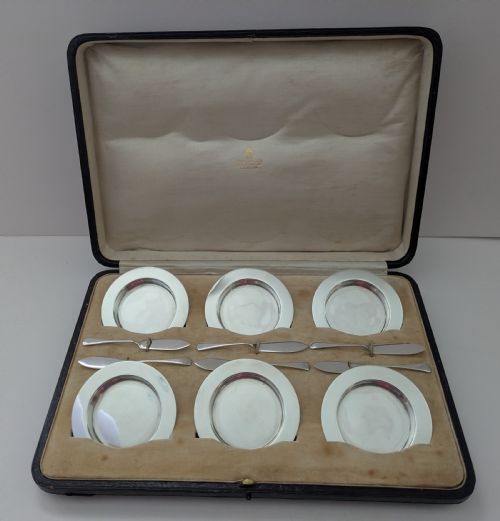
Edwardian Silver Plate Box
These pieces combine sturdy metalwork with functional design, making an edwardian silver plate box a practical addition to any traditional interior.

Edwardian Silver Plate Box
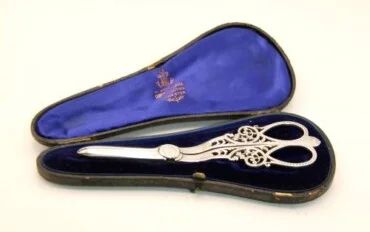
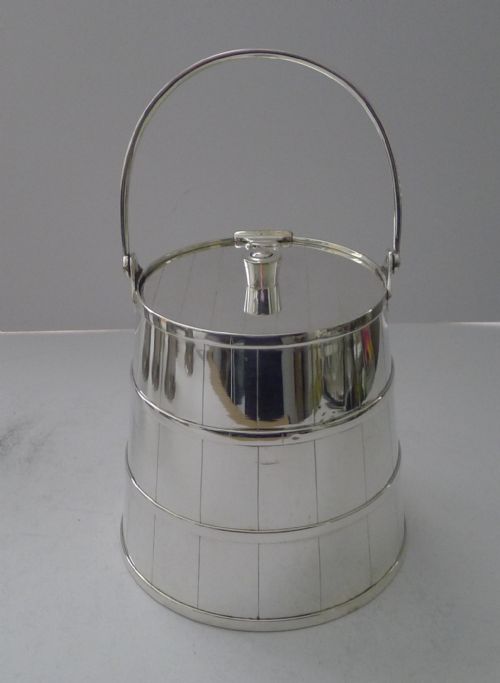
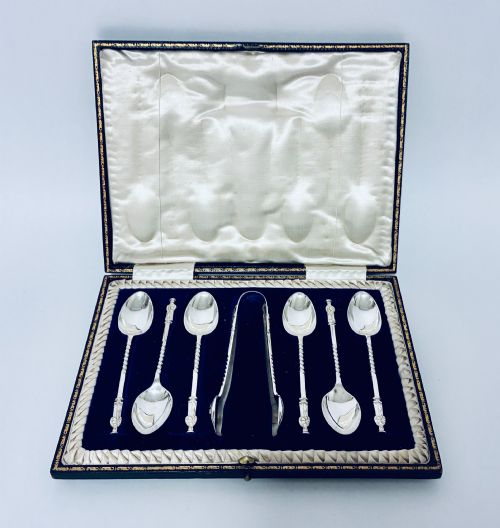
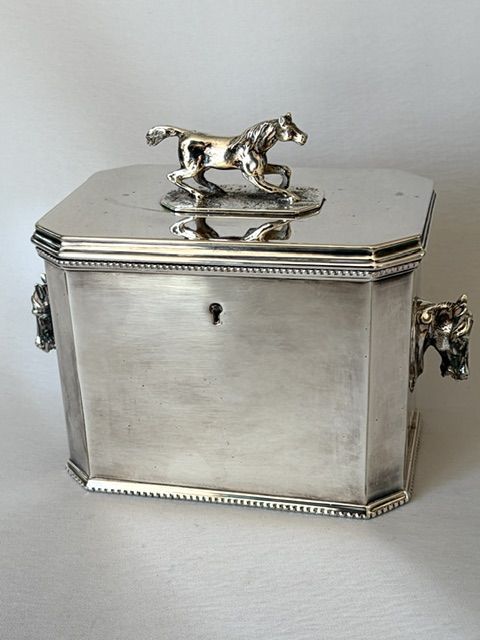
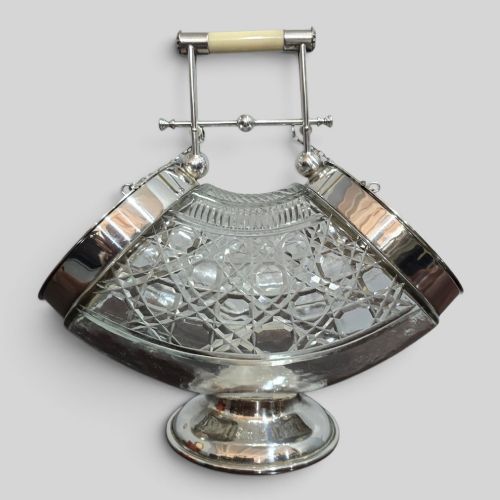
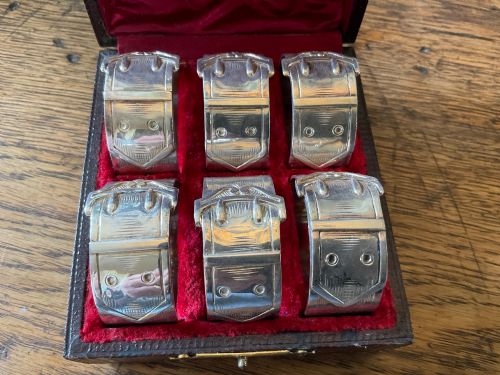
When you examine an edwardian silver plate box, you encounter containers built for domestic storage, often taking the form of biscuit barrels, cigar chests, or desk inkstands. Many examples date from around nineteen hundred, reflecting the refined tastes of the period.
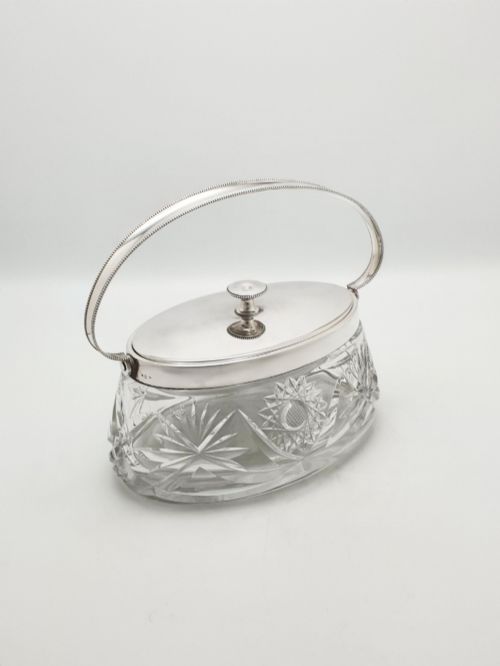
The selections on this page frequently include utilitarian vessels combined with decorative mounts, alongside novelty items shaped like weights or fire carriages. Oak bodies and cut glass inserts frequently accompany the silver-plated elements.
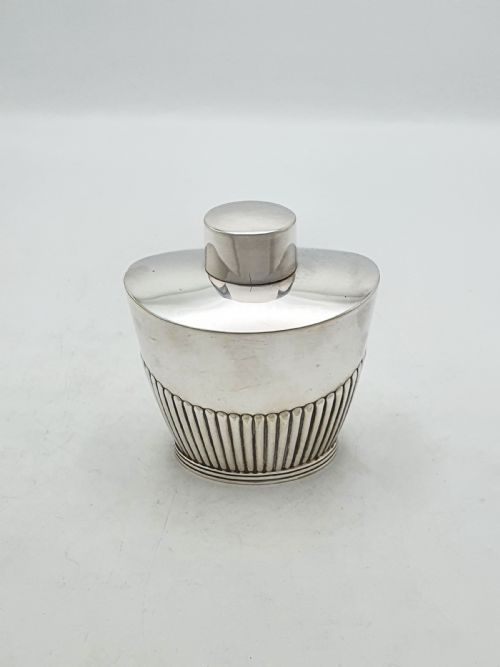
Beyond standard receptacles, the selection spans tea canisters, stamp boxes, and jewellery caskets originating from Victorian and Edwardian periods. These objects served specific functions in the nineteenth and early twentieth-century household.
How they were made
Makers fused thin layers of silver over base metals using early plating techniques, creating durable surfaces that replicated solid silver objects. Craftsmen often combined these metal mounts with fitted wooden bodies made from oak.
Interior components frequently utilised cut glass liners, hobnail patterns, or cranberry glass to contrast with the metallic exterior. Pierced metalwork and applied equestrian or novelty motifs added decorative detail to the functional forms.
Among the storage pieces, a few boxes take the form of miniature fire carriages and weights to amuse guests.
What varies in quality
The thickness of the applied silver layer and the preservation of the underlying base metal determine the durability of the piece. Superior items retain their original plating without extensive wear through to the substrate.
Execution of decorative details, such as hand-cut glass liners and crisply cast novelty mounts, separates standard production items from finer workshop output. Robust construction of wooden carcasses and secure hinges also indicate higher grade manufacturing.
WMF·Mappin and Webb·Thomas Bradbury·Asprey and Co·Harrods·Waring and Gillows·Walker and Hall·F Cobb
The Edwardian Silver Plate Box Glossary
- Silver Plate
- A metallic object formed from a base metal coated with a thin layer of silver. This process provided an affordable alternative to solid silver household goods during the nineteenth and twentieth centuries.
- Biscuit Barrel
- A lidded container designed specifically for storing dry biscuits or similar baked goods on the dining table. They frequently incorporate glass bodies supported by metal frames.
- Tantalus
- A locking drink container frame that displays decanters while preventing unauthorized access to the contents. The wooden or metal framework secures the stoppers in place until unlocked with a key.
- Vesta Case
- A small pocket container designed for holding wax matches, often featuring a textured striking surface on the base. Many examples from this era take novelty shapes.
- Hobnail Cut
- A geometric facet pattern carved into glassware, creating raised pyramidal points across the surface. This technique catches light and adds texture to containers and liners.
Edwardian Silver Plate Box: Frequently Asked Questions
What were silver plated boxes used for?
Households utilised these containers to store dry foodstuffs, smoking supplies, or writing materials in dining rooms and studies. They kept domestic items organised while displaying decorative metalwork.
Larger versions accommodated biscuits, cigars, or tea canisters, while smaller desk accessories held inkwells, stamps, and blotters for daily correspondence.
How do I care for silver plate?
Gentle cleaning with a soft cloth helps preserve the thin metal coating without wearing through to the base brass or copper underneath. Avoid abrasive cleaning compounds that strip the plating.
Store the items in stable humidity conditions to protect any integrated wooden components, glass liners, or velvet interiors from warping or deterioration.
How do I date these items?
Stylistic indicators such as Jugendstil, Art Deco, or Edwardian motifs point toward specific decades around the turn of the twentieth century. Construction methods also provide chronological clues.
Maker marks stamped into the metal surface often link pieces to known manufacturing firms operating during the Victorian and Edwardian eras.
Are glass liners original?
Many biscuit barrels and inkstands retain their fitted cut glass, cranberry glass, or faceted liners supplied by the original manufacturer. These components were shaped specifically to fit the metal frames.
Replacement liners occasionally appear in surviving pieces, identifiable by slight discrepancies in fit or differences in glass clarity and cutting style compared to the metal mount.