



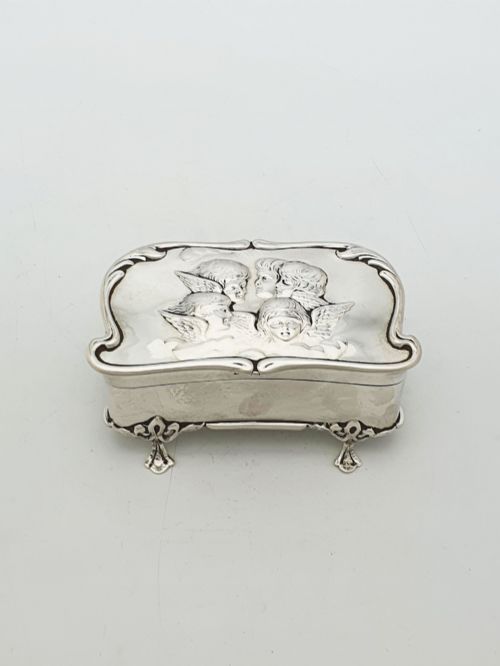
Edwardian Silver Gilt
When you explore edwardian silver gilt, you encounter richly gilded sterling silver objects that combine functional utility with vibrant decorative contrast.

Edwardian Silver Gilt
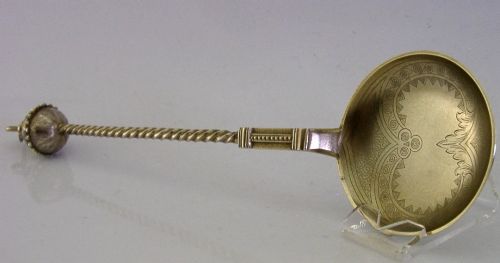
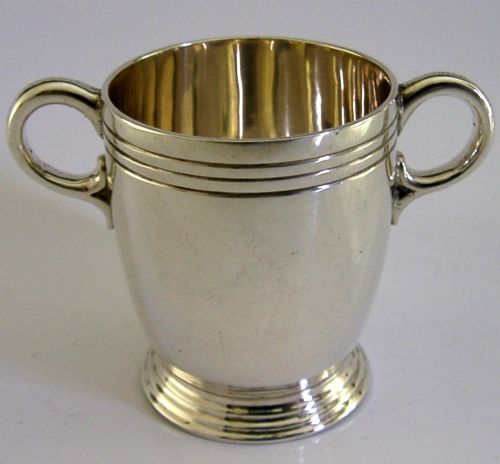
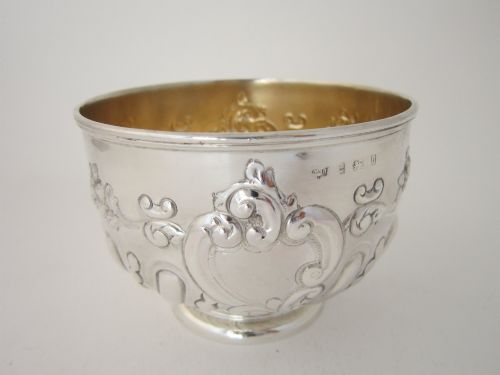
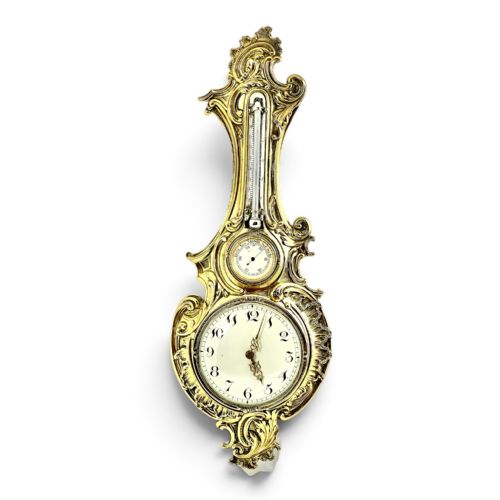
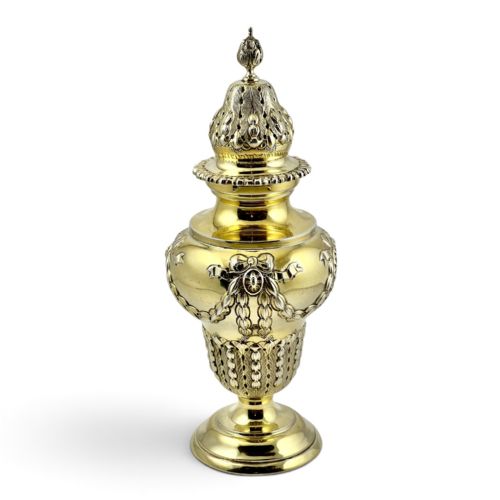
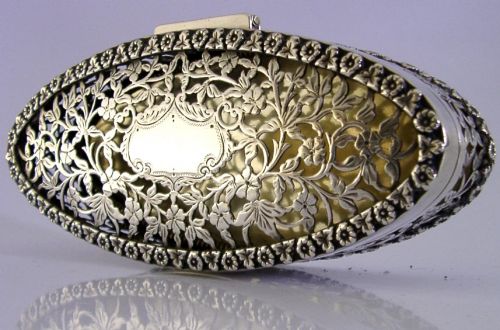
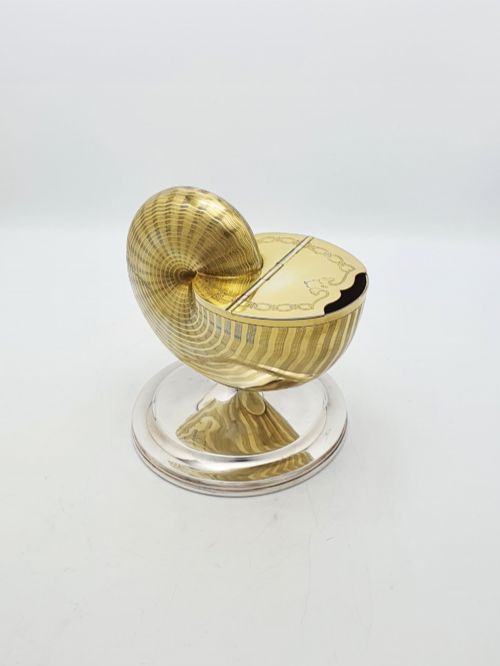
Beyond standard tableware, the selection includes novelty items, scent bottles, chatelaine elements, and travel kits. Many surviving examples highlight a preference for rich surface decoration, often pairing polished sterling silver with a warm gold wash across recessed or interior surfaces.
How They Were Made
The foundation of these pieces rests on solid sterling silver, shaped through hammering, casting, or piercing before receiving an electrolytic or fire-gilded coating. This gold wash, termed silver gilt or vermeil, protected vulnerable areas from tarnishing while creating a distinct two-tone visual effect.
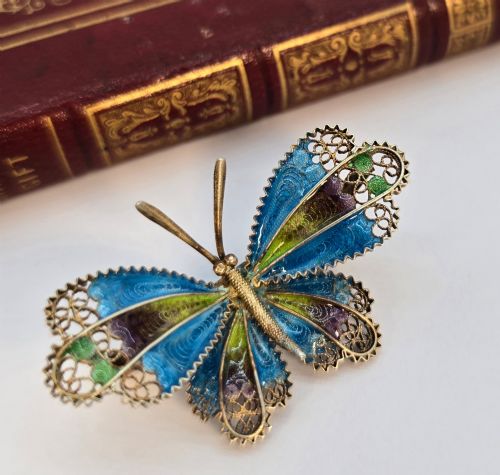
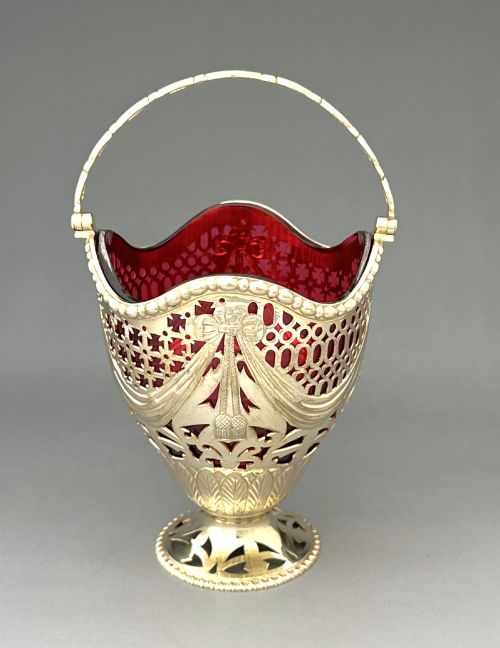
Enamel work frequently supplemented the metalwork, utilising translucent guilloché patterns over engine-turned backgrounds to add vivid colour. Glass liners in cranberry or clear tones were also paired with pierced silver frames to hold preserves or small condiments.
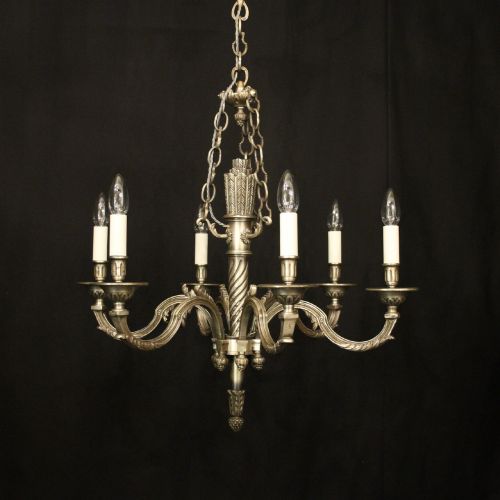
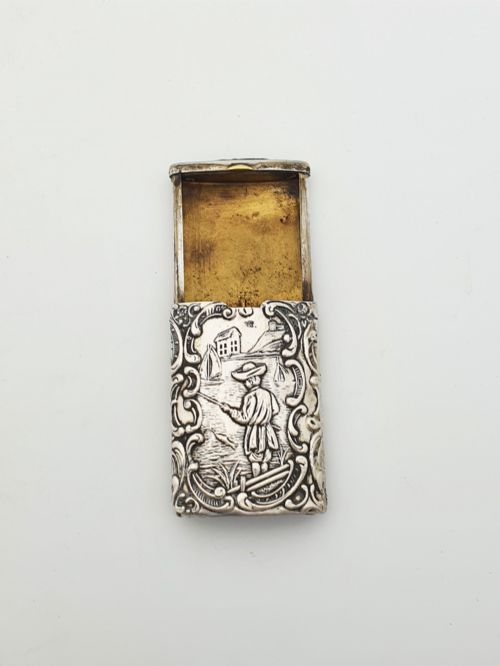
Object forms span functional tableware, travel kits, inkwells, and intricate decorative card cases.
What Varies in Quality
The distinction between standard production and superior craftsmanship lies in the crispness of the chasing, the weight of the underlying metal, and the preservation of the original gilt surface. Thicker gauge silver resists dents and maintains structural integrity during daily handling.
Refined pieces often display intricate hand-engraving, flawless enamel without hairline fractures, and fully legible hallmarks confirming the maker and assay office. The depth and evenness of the gold wash across complex contours further distinguish finer workshop output.
Sampson Mordan·A&J Zimmerman·Horton & Allday·Hukin & Heath·Wakely & Wheeler·John Rose·Henry Williamson·Boardman Glossop & Co·Charles Horner·Tiffany & Co
The Edwardian Silver Gilt Glossary
- Silver Gilt
- Sterling silver coated with a thin layer of gold, historically known as vermeil. This technique protects the underlying metal and provides a rich golden interior or accent.
- Vesta Case
- A small pocket container designed to hold matches and strike them on a serrated base. They frequently feature hinged lids and detailed engraved decoration.
- Guilloché
- A decorative technique where a precise, intricate pattern is mechanically engraved into metal beneath translucent enamel. It is commonly found on compacts and scent bottles.
- Chatelaine
- A decorative belt hook worn with suspended utilitarian items such as scissors, watches, or thimbles in specialised cases. They served as both jewellery and practical tools.
- Assay Office
- An official body that tests the purity of precious metals and stamps items with hallmarks. Marks indicate the specific town, metal standard, and year of testing.
Edwardian Silver Gilt: Frequently Asked Questions
What is edwardian silver gilt?
Edwardian silver gilt refers to sterling silver items from the early 1900s that have received a thin gold coating, usually applied to interiors or highlighted details.
This finish provides protection against tarnishing and creates a pleasing contrast between the bright white silver and the warm gold layer.
How do I clean silver gilt items?
Cleaning requires extreme caution because aggressive polishing can wear away the delicate gold wash over the sterling silver base.
Use only a soft cloth and mild soapy water, avoiding abrasive dips or harsh commercial pastes that strip the surface.
Were these pieces used daily?
Many items, including card cases, chatelaine accessories, and pocket vesta cases, were designed for frequent personal carry.
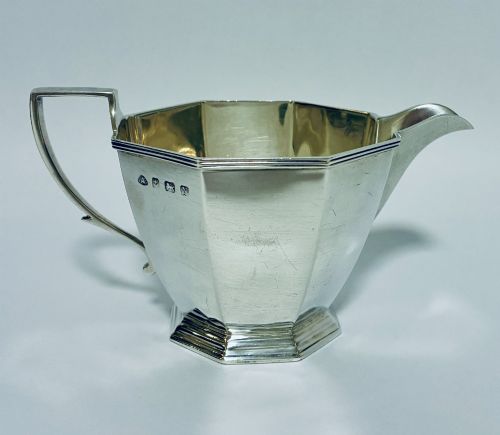
Dining accessories like berry spoons and cream jugs saw service during formal Edwardian household meals and afternoon teas.
How can I date these objects?
Dating relies on the set of stamped hallmarks usually found near the maker's mark on the silver body.
These tiny symbols indicate the assay office, the silver standard, and a specific date letter corresponding to the year of manufacture.