

Antique Silver Vermeil
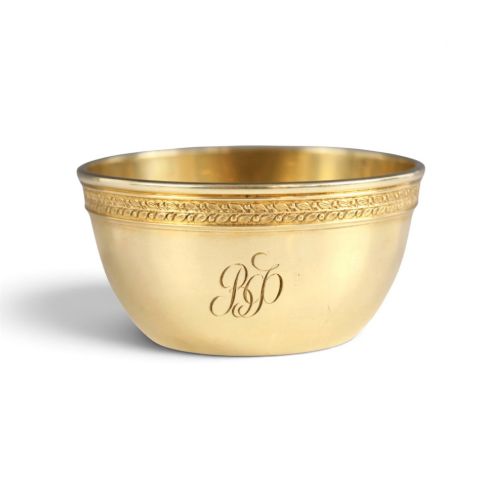
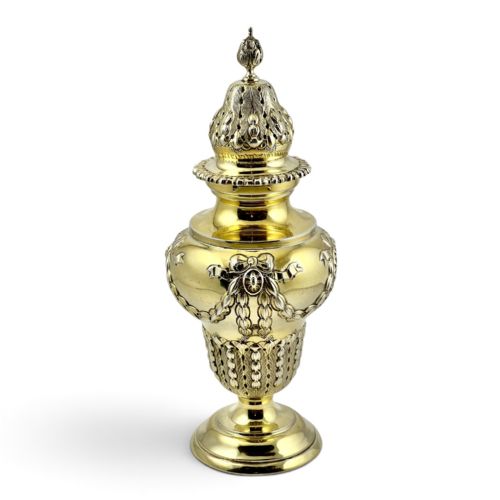
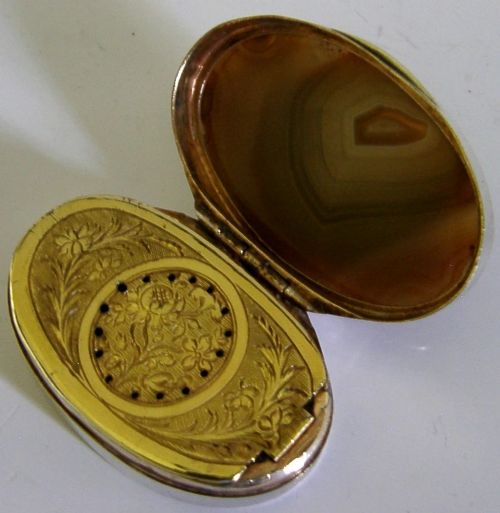
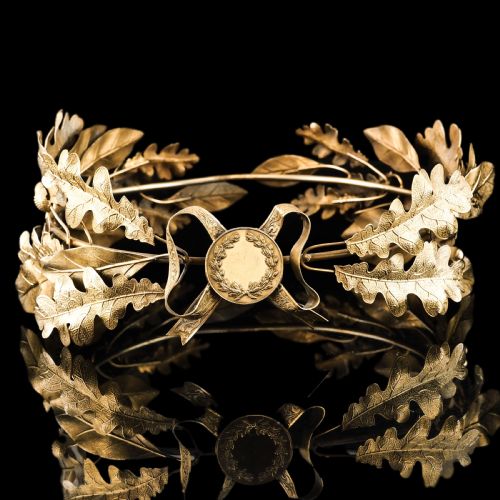
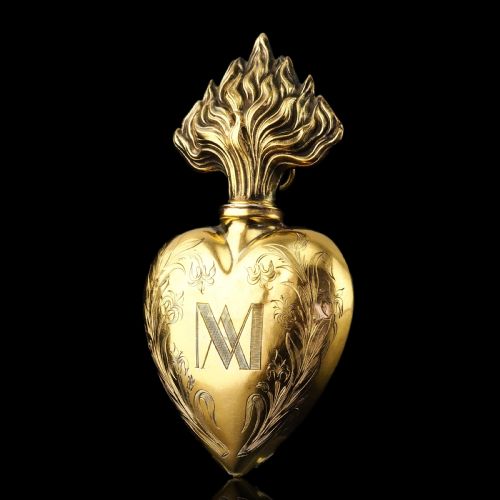
Antique silver vermeil brings together precious metal and a rich gold layer, seen on items from intimate snuff boxes to grand presentation bowls.

Antique Silver Vermeil
Antique silver vermeil describes silver objects that have been coated with a layer of gold, combining the durability of sterling silver with the lustrous warmth of gold. The pieces found here span functional tableware, desk accessories, and personal adornments.
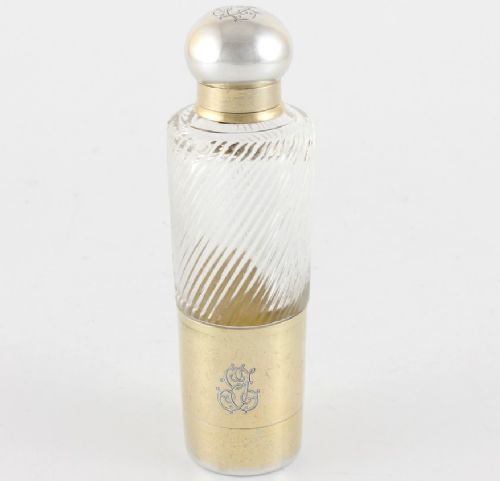
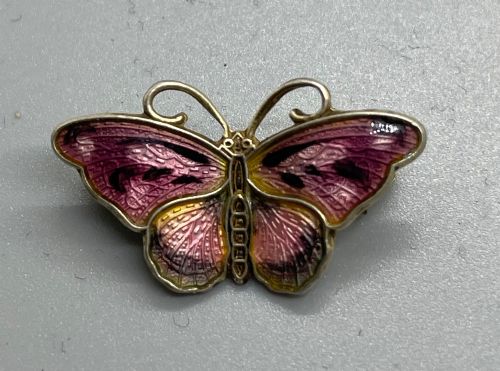
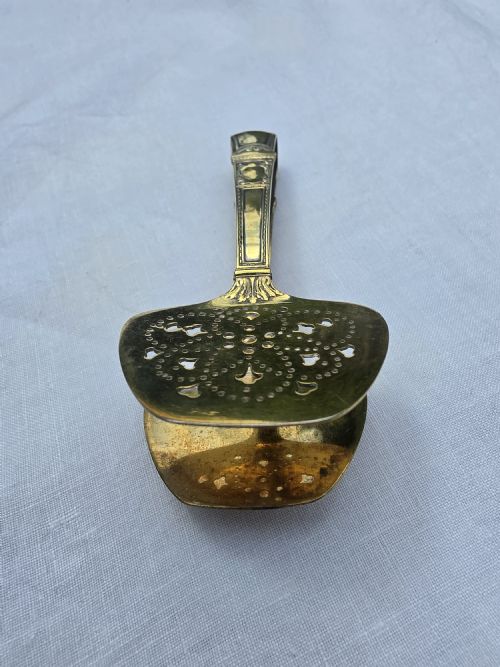
The selection ranges from Georgian and Victorian snuff boxes to Edwardian travel kits and mid-century brooches. Smaller personal items such as vinaigrettes, scent bottles, and caddy spoons appear frequently alongside larger decorative table wares.
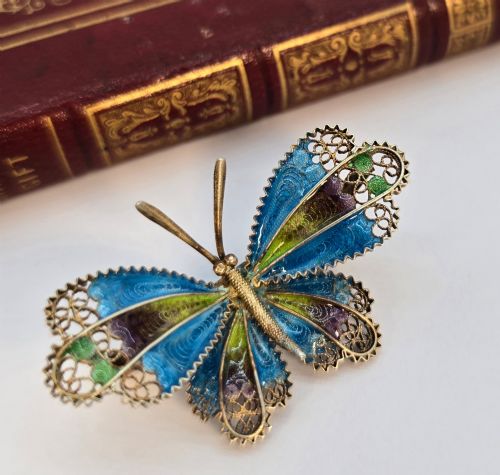
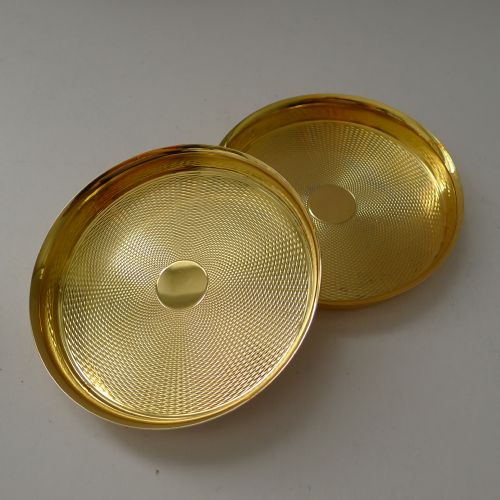
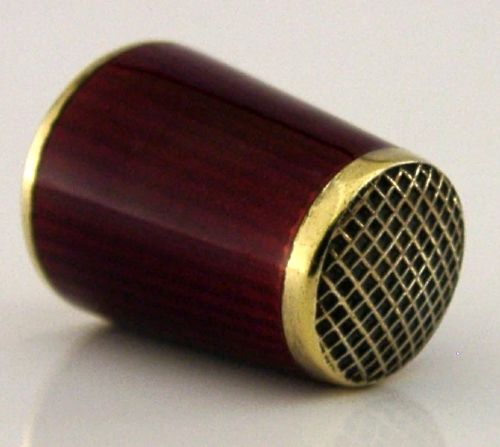
Origin points stretch across Britain, France, Russia, and Austria, showing diverse regional approaches to gilding and ornamentation. Continental European items often utilise higher silver purities alongside intricate enamel work or engine-turned guilloche patterns.
Materials and construction
The foundation of these objects is solid sterling silver or higher purity silver, shaped through casting, hammering, filigree work, or engine-turning. Manufacturers then applied a gold wash or mercury gilding to the silver surface to achieve the rich golden finish characteristic of vermeil.
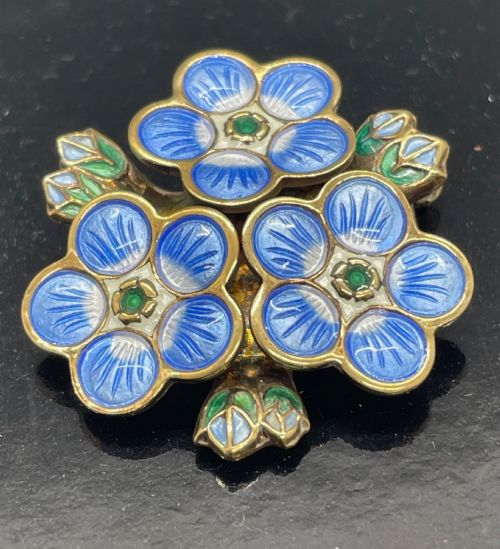
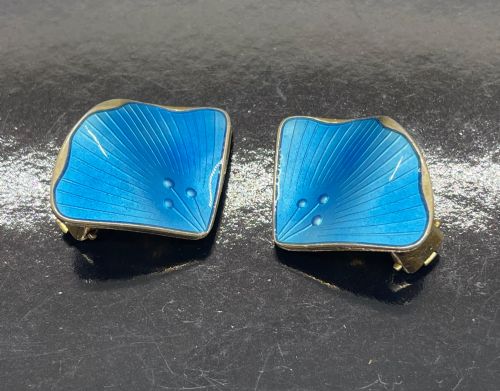
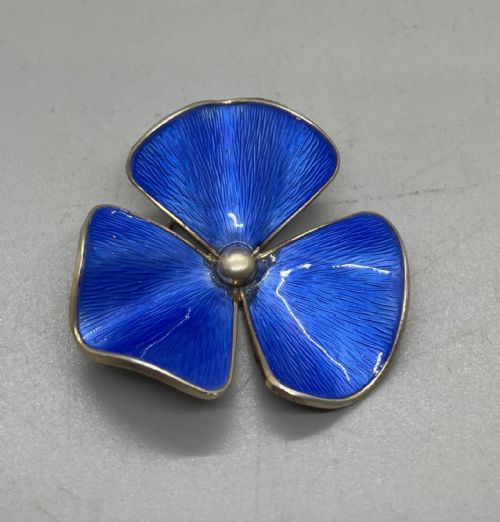
Enamel, glass, semi-precious stones, and silk frequently supplement the metalwork, particularly in brooches, scent bottles, and vanity items. Naturalistic motifs, foliage, and geometric patterns were hand-engraved or applied using specialised silversmithing techniques.
Several items double as medical kits and sewing compendiums, proving that past generations liked their practical tools dipped in gold.
Distinctions in quality
Quality rests upon the crispness of the original chasing and engraving, where deeper, more sharply defined details indicate superior craftsmanship. The preservation of the gold layer across high-wear areas also separates finer surviving examples from heavily worn pieces.
The integration of secondary materials, such as finely fired plique-à-jour or translucent enamel over guilloche grounds, points to higher workshop standards. Maker marks and clear hallmarks add historical weight and confirm the origin of the silver foundation.
Stephan Wekeva·Tonnel Paris·Hermes Paris·David Andersen·Tiffany And Company·William Chawner II·William Bateman·Thomas Smily·Marson And Jones·Marius Hammer·Philippe Berthier
The Antique Silver Vermeil Glossary
- Vermeil
- Sterling silver coated with a thin layer of gold. This technique provides the visual appeal of solid gold while utilising a silver core.
- Sterling silver
- An alloy consisting of silver and a small proportion of other metals to increase durability. British pieces typically adhere to a strict purity standard.
- Guilloche
- A decorative mechanical engraving technique that produces precise, intricate repeating patterns. It frequently serves as a textured base for translucent enamel.
- Vinaigrette
- A small ornamental box featuring a perforated inner grille. It held a sponge soaked in aromatic vinegar to mask unpleasant odours.
- Filigree
- Delicate openwork ornamentation formed from fine twisted silver or gold wire. Artisans soldered these wires together to create lace-like patterns.
- Niello
- A black metallic alloy used as an inlay on engraved metal surfaces. It creates stark contrasting patterns against polished silver.
Antique Silver Vermeil: Frequently Asked Questions
What is the difference between silver and vermeil?
Silver refers to objects made entirely from the white metal alloy, whereas vermeil specifically denotes silver that has been plated with a layer of gold. This process gives the item a warm golden exterior while retaining a solid silver base.
The gold coating protects the underlying silver from tarnishing quickly in everyday use. Over long periods, however, the golden layer can wear down in handling areas to reveal the silver underneath.
How should I clean antique vermeil?
Cleaning requires gentle care to avoid wearing away the thin gold layer resting on the silver. Warm water, mild soap, and a soft cloth are sufficient for removing dust and surface grime from most pieces. Nylon brushes, abrasive pastes, and chemical dips must be avoided entirely because they strip away the gold surface. Items with enamel or delicate glass inserts demand even greater caution during handling.
How do I identify the period of a piece?
Hallmarks stamped directly into the metal provide the most reliable dates and origins for British items. These stamps identify the assay office, the year of manufacture, and the silversmith responsible for the work. Stylistic clues such as Art Nouveau curves, Georgian neoclassical motifs, or Victorian naturalism also help narrow down the era when official stamps are absent or worn.
Were these items meant for daily use?
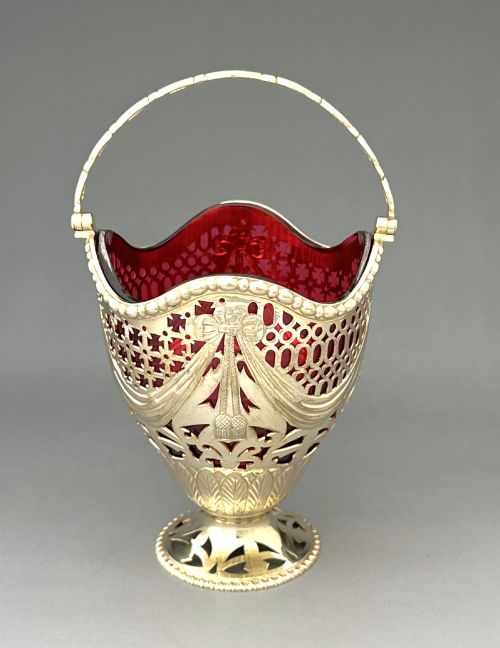
Many of these objects served practical functions in upper-class domestic and social life. Caddy spoons measured tea, vinaigrettes freshened the air, and desk sets organised correspondence. Other items, such as presentation bowls and decorative baskets, were primarily intended for display or ceremonial gifting rather than routine household tasks.