

Edwardian Silver Dressing Table
An edwardian silver dressing table set brings the refined craftsmanship of the early twentieth century directly to the surface of a bedroom.
Edwardian Silver Dressing Table
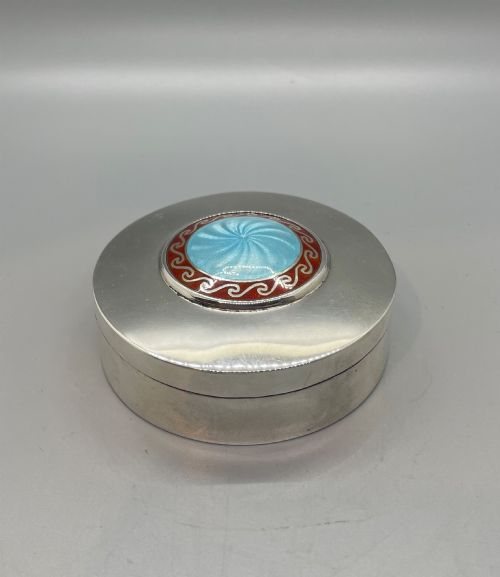
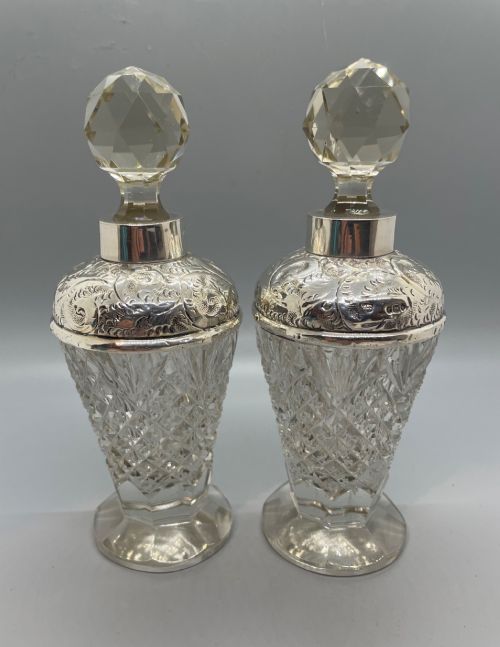
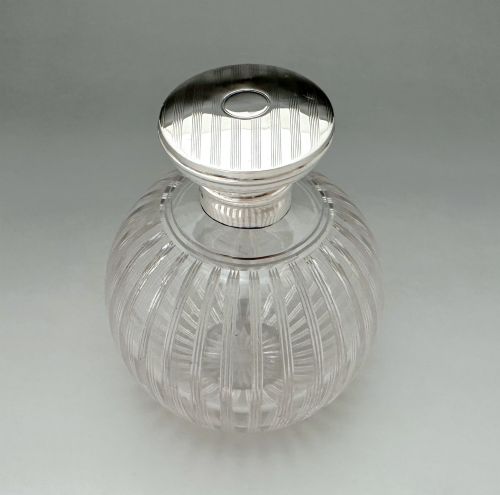
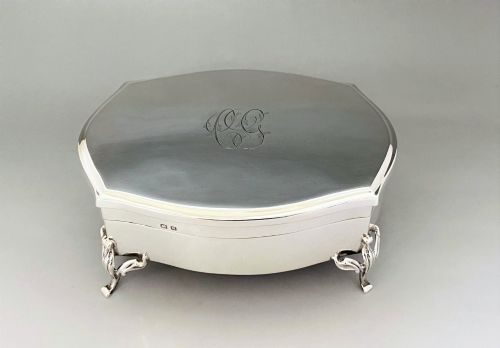
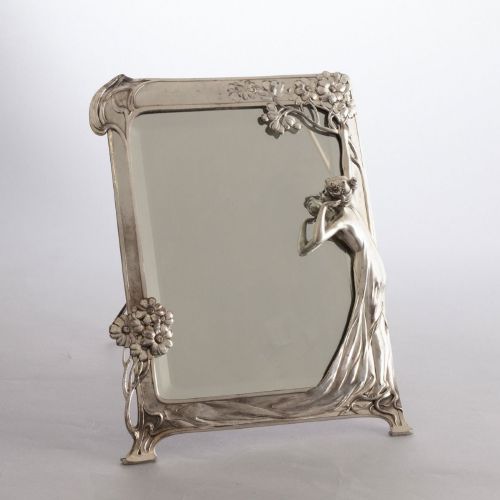
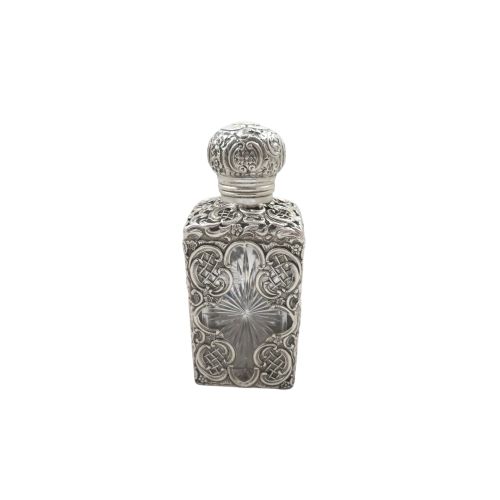
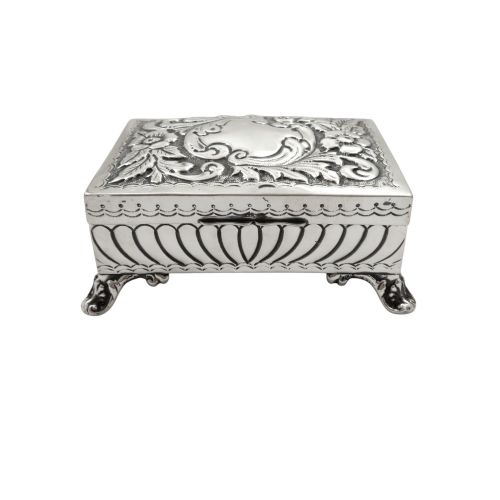
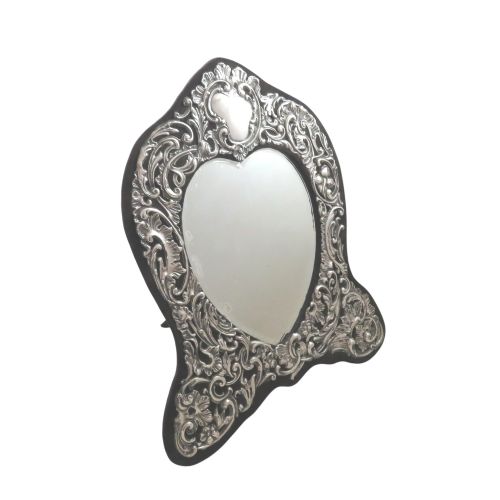
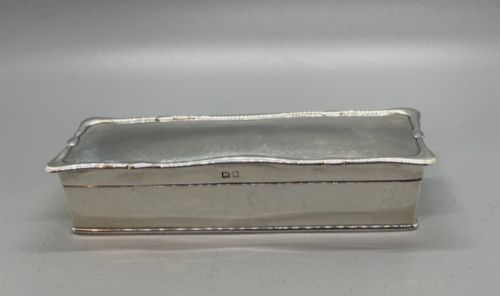
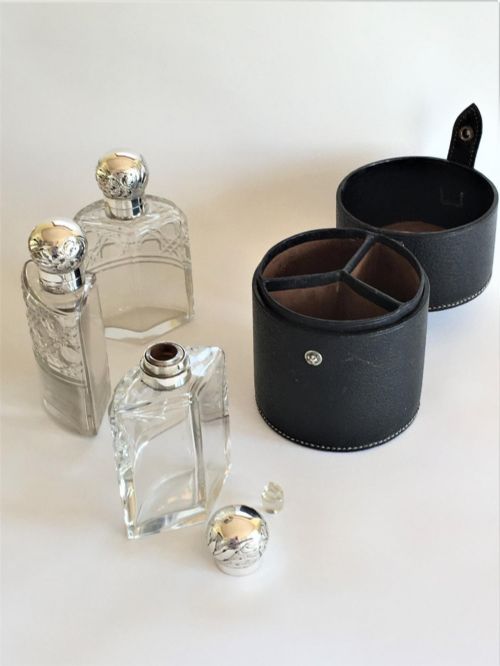
An edwardian silver dressing table collection typically encompasses utilitarian items designed for personal grooming and cosmetic storage. Buyers encounter lidded boxes, scent bottles, mirrors, and trays intended to organise daily toilette essentials.
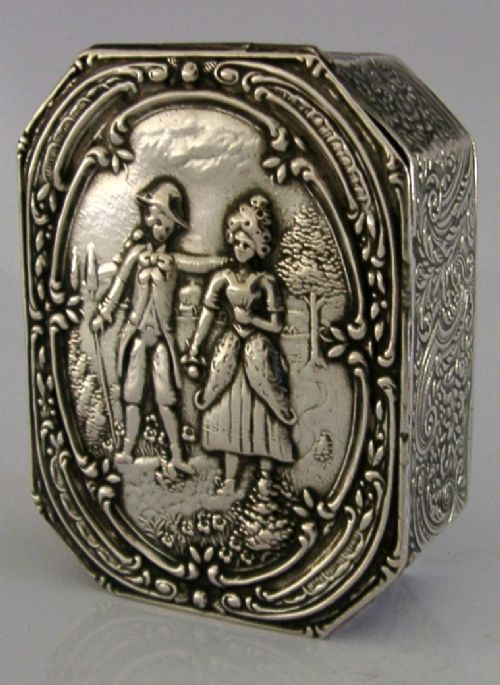
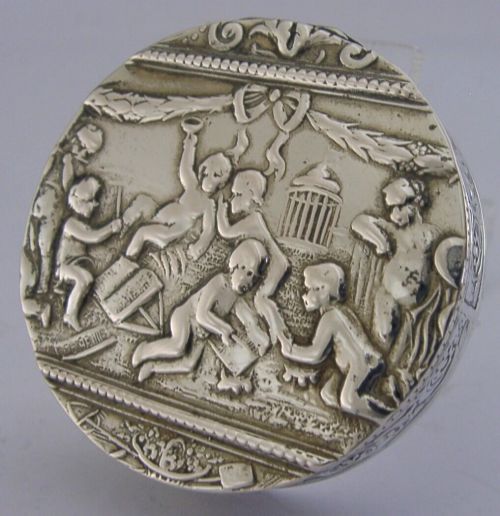
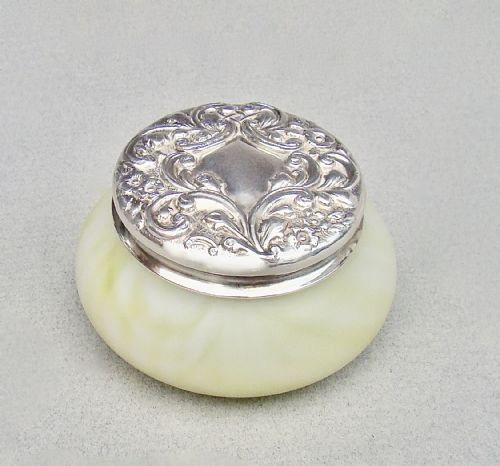
The objects frequently date from the late Victorian period through the Edwardian era and into the George V years, spanning the turn of the twentieth century. Forms range from heavy cast trays with repoussé floral decoration to cut glass jars fitted with hallmarked sterling silver lids.
Art Nouveau and occasional Art Deco influences appear alongside traditional floral motifs, reflecting the shifting tastes of the period. Vanity items serve both a decorative and a functional role on dressing surfaces.
How they were made
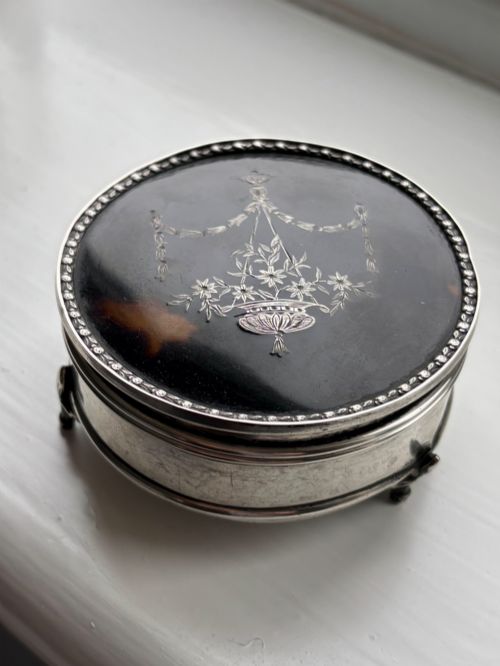
Sterling silver forms the primary structural and decorative metal, frequently combined with glass, cut glass, and crystal for bottles and jars. Artisans also integrated organic materials such as tortoiseshell, velvet, and enamel into boxes, mirrors, and trays.
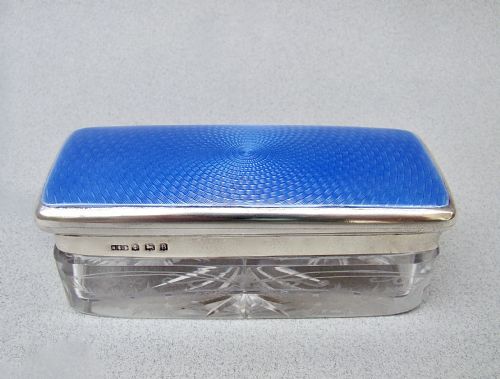
Techniques involve manual embossing, repoussé work, and piercing to create ornamental motifs on metal surfaces. Glass bodies are heavy-cut or moulded, then mounted with hinged or slip-on silver collars and lids stamped with assay office hallmarks.
Listings feature sterling silver, cut glass, tortoiseshell, and enamel across the Victorian, Edwardian, and Art Deco periods.
What varies in quality
Differentiation across the range rests on the weight of the silver and the depth of the hand-chased or embossed relief. Pieces bearing crisp, high-relief chasing demonstrate superior workmanship compared to pressed or thin gauge alternatives.
The integration of secondary materials defines the tier of the object. Fine examples combine clear cut glass, unblemished enamel, or genuine tortoiseshell with robust sterling mounts by known silversmiths, while simpler items utilise plated metals or standard glass.
Ollivant and Botsford·Henry Clifford Davis·William Comyns·Charles Boyton·S Blanckensee and Son·William Hutton·Elkington and Co·Robert Pringle and Sons·H Matthews·Thomas Hayes·Williams Ltd·W J Myatt and Co·Synyer and Beddoes·William Neale·Asprey and Co
The Edwardian Silver Dressing Table Glossary
- Repoussé
- Metalworking technique where the design is hammered into relief from the reverse side. This creates raised floral or figuration patterns on trays and box lids.
- Hallmark
- Official stamp indicating metal purity, assay office, and date letter. English pieces commonly show town marks for Birmingham, Chester, or London.
- Guilloché
- Decorative engine-turned technique engraved beneath translucent enamel. It appears frequently on the lids of dressing table jars.
- Piqué
- The art of inlaying tiny gold or silver pins into tortoiseshell. This method decorates luxury trinket boxes.
- Strut mirror
- A table mirror supported by a hinged wooden or metal back stand. These items allowed adjustment on dressing surfaces.
Edwardian Silver Dressing Table: Frequently Asked Questions
What is an edwardian silver dressing table set?
An edwardian silver dressing table grouping comprises matching or complementary vanity items designed for personal grooming. These sets often include brushes, mirrors, trays, and small crystal jars mounted in sterling silver.
Craftsmen produced these items to sit atop a bedroom dressing chest, providing both storage and surface ornamentation. Many survive as assembled groups rather than original single-factory suites.
How do I clean antique silver dressing table pieces?
Cleaning requires a soft microfibre cloth and a gentle silver polish formulated to remove tarnish without stripping thin plating or fine detail. Avoid abrasive pads that scratch the metal surface.
Care must be taken around glass bodies, enamel panels, and tortoiseshell inserts to prevent moisture damage. Gentle wiping preserves the original patina and hallmark stamps.
How can I date an edwardian silver dressing table item?
Dating relies on the set of stamped hallmarks found on the sterling silver components. These marks typically include a maker's mark, a purity standard symbol such as a lion passant, an assay office city symbol, and an annual date letter.
Stylistic cues like Art Nouveau curves or heavy floral repoussé also point toward the early twentieth century. Comparing the date letter against official assay tables confirms the exact year of manufacture.
Were these items used daily?
Original owners utilised these grooming accessories daily for powders, perfumes, and hair maintenance. Vanity jars held creams and scents, while trinket boxes secured daily jewellery.
Today, collectors use them for similar purposes or display them as decorative bedroom ornaments. The durable construction of sterling silver and heavy glass ensures they withstand gentle contemporary use.