


Art Deco Dressing Jar
An art deco dressing jar brings geometric elegance and colourful enamel to a vintage dressing table.
Art Deco Dressing Jar
An art deco dressing jar encompasses powder boxes, trinket bowls, vanity accessories and scent bottles designed for the dressing table. Most pieces found here belong to the interwar period, combining practical storage with the decorative motifs of the era.
How They Were Made
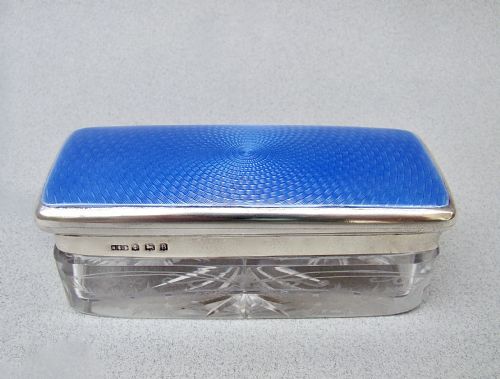
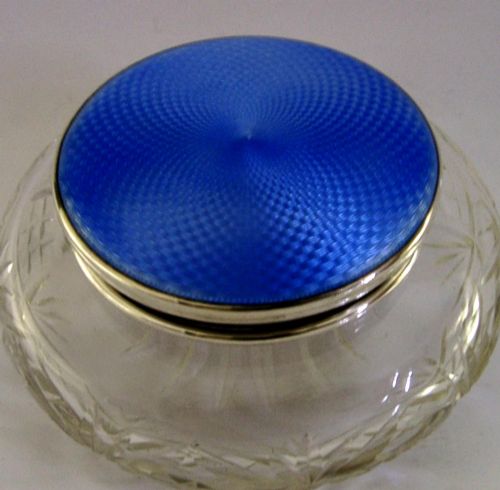
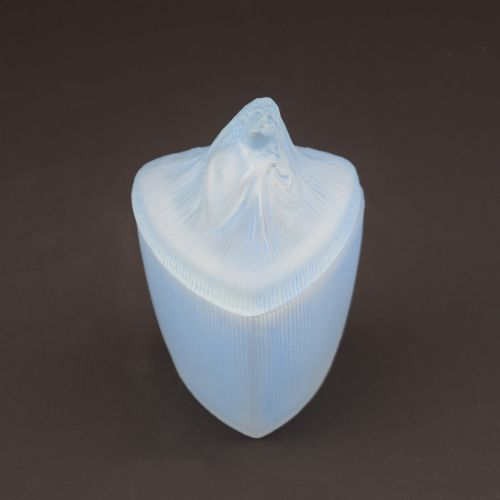
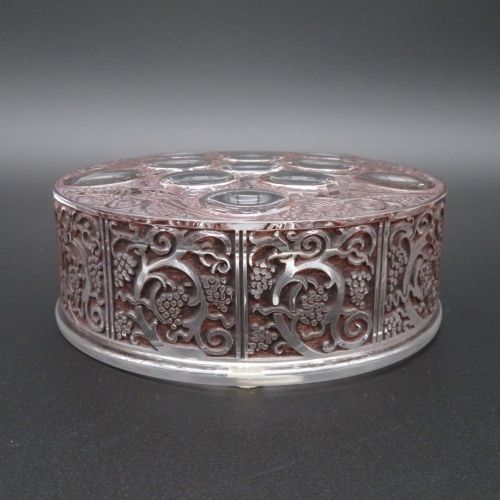
Silversmiths shaped sterling silver mounts and lids, often applying machine-turned guilloché patterns beneath translucent coloured enamel. Glassmakers utilised mould-pressed techniques, heavy cutting and overlay methods to create faceted crystal jars and tinted perfume bottles.
Ceramic pieces employed slip-cast earthenware and porcelain, frequently hand-painted with figural flapper designs or bathing belles. Makers combined these distinct media into unified vanity objects through precise metal-to-glass fittings.
Ceramic flapper dolls peer out from powder bowls, ready to guard your face powder with a painted 1930s smile.
What Varies in Quality
Quality depends upon the crispness of the glass cutting, the depth and execution of the engine-turned guilloché work, and the preservation of delicate enamel surfaces. Superior examples display intact hallmark stamps, heavy gauge silver mounts, and unblemished crystal structures.
Ceramic variations rest on the fidelity of the hand-painted details and the complexity of figural half doll models. Pieces originating from prominent silversmiths or established crystal houses generally demonstrate greater refinement in assembly.
Henry Clifford Davis·Rene Lalique·Adie Brothers Ltd·James Deakin and Sons
The Art Deco Dressing Jar Glossary
- Guilloché
- A decorative engineering technique where a precise mechanical pattern is etched into metal before translucent enamel is applied over the top. This creates a shimmering, wave-like texture beneath the coloured surface.
- Half Doll
- A ceramic upper torso figure popular during the 1930s, attached directly to fabric skirts or fitted as a lid over powder boxes and vanity jars. These figures typically depict stylized flapper girls or period characters.
- Sterling Silver
- An alloy consisting of pure silver and other metals, standardised for durability in domestic wares. British pieces carry hallmark stamps indicating the assay office, standard and year of manufacture.
- Cut Glass
- Glassware shaped and patterned through abrasive wheel grinding to produce geometric facets. High-grade examples feature deep, sharp cuts that refract light intensely.
Art Deco Dressing Jar: Frequently Asked Questions
What were dressing jars used for?
These vessels held loose face powder, rouge, pins, and personal trinkets on a lady's dressing table. Scent bottles accommodated liquid perfumes for daily toilet use.
They kept grooming substances contained while adding coordinated colour and geometric design to the bedroom furniture set.
How do I date a silver topped jar?
British pieces feature a system of hallmarks stamped into the silver mount. These marks indicate the assay office, such as the anchor for Birmingham or leopard head for London, alongside a specific date letter.
Matching this letter to regional assay tables reveals the exact year the metal component was tested and hallmarked.
Are glass and ceramic jars fragile?
The heavy cut crystal and thick ceramic bodies are reasonably robust for display and careful handling. Enamel surfaces and delicate silver mounts require gentle treatment to prevent scratching or impact damage.
Storing them away from high-traffic edges prevents accidental drops and preserves the original materials.
Can I use them for daily cosmetics?
Historic jars function well for dry powders or modern display items, though vintage enamel and antique silver linings need careful cleaning. Direct contact with moisture or harsh chemicals can degrade older adhesives and aged metal surfaces.
Many collectors prefer to keep them as decorative display pieces rather than active toiletry containers.