





Edwardian Vanity Table Pot
An Edwardian vanity table pot sits upon the dressing table to hold small ornaments, cosmetics, and pins within reach.
Edwardian Vanity Table Pot
When you search for an edwardian vanity table pot, you encounter small lidded containers designed for the dressing table during the late nineteenth and early twentieth centuries. These pieces appear in periods ranging from the Victorian era through the Edwardian years and into the George V and Art Deco decades.
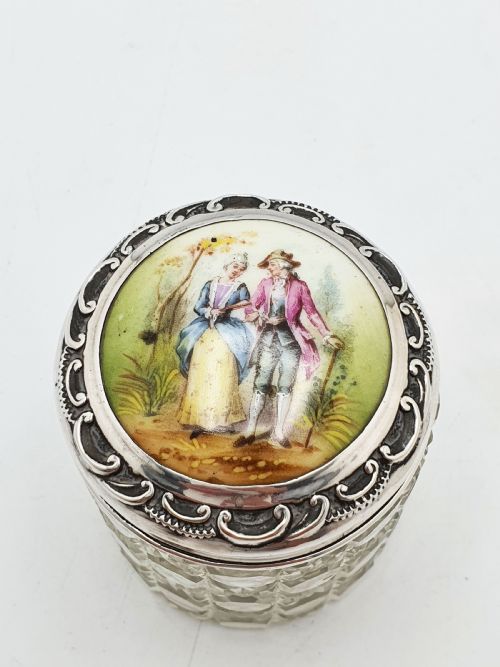
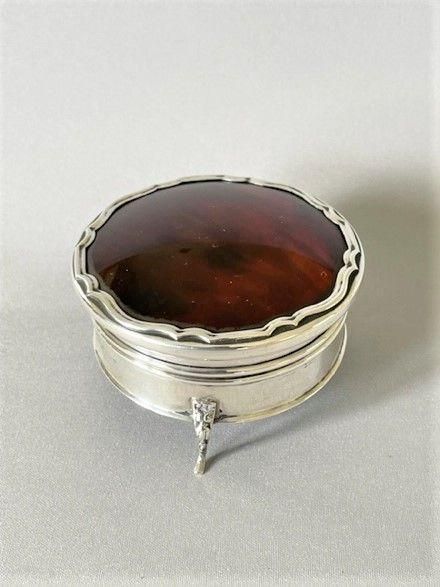
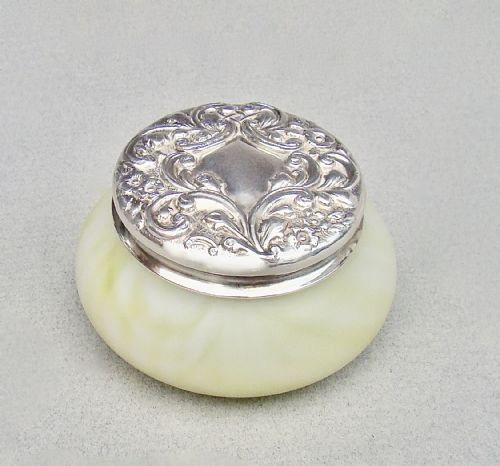
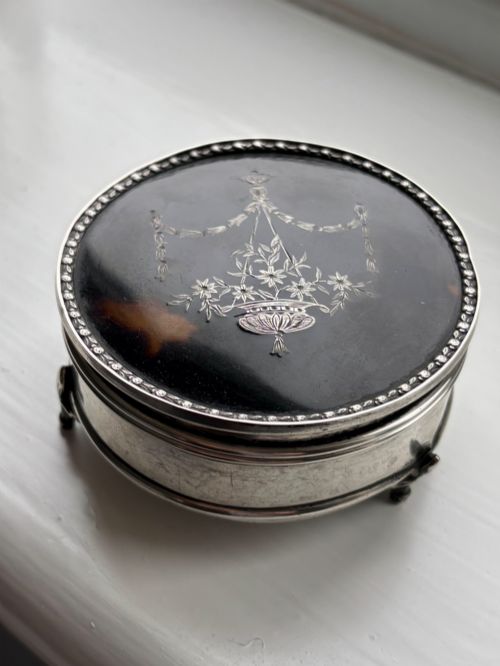
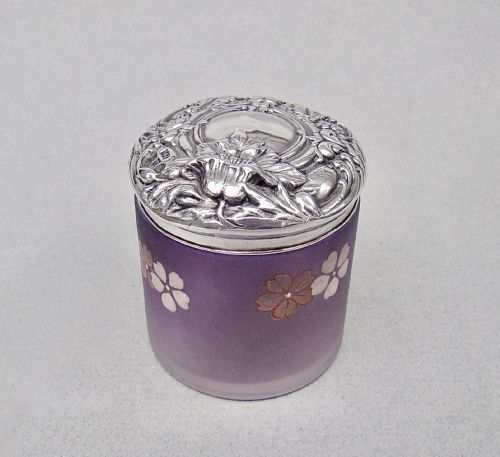
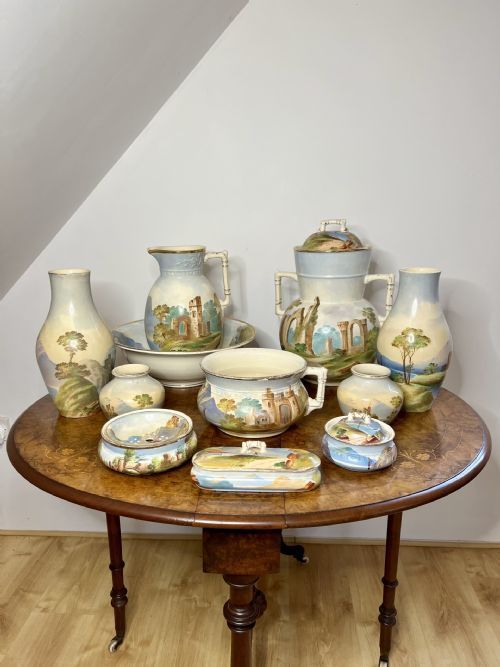
The objects themselves take the form of trinket boxes, vanity jars, dressing table boxes, and rouge pots, alongside larger sets and wash sets. Glass, crystal, satin glass, frosted glass, cranberry glass, and amethyst glass bodies combine with silver lids to form the standard presentation.
Materials and construction
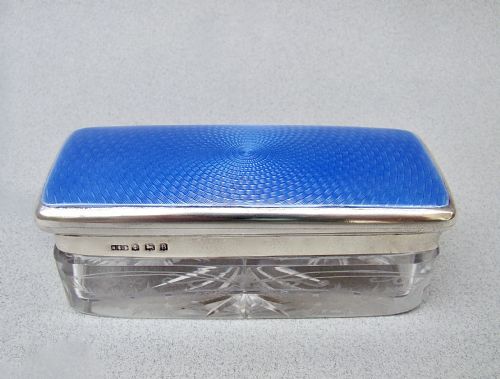
Glass bodies are shaped by cutting, pressing, or blowing to create faceted cut crystal, frosted surfaces, or coloured glass vessels in cranberry and amethyst tones. Sterling silver is formed into secure lids and collars, often marked with Birmingham or Chester assay hallmarks.
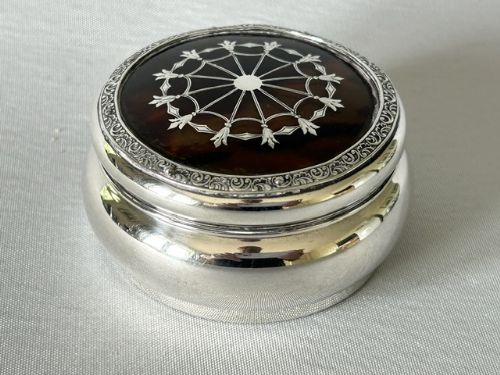
Organic and decorative materials such as genuine tortoiseshell, faux tortoiseshell, and guilloche enamel are applied to silver lid surfaces. Pique work involves inlaying tiny gold or silver pins into tortoiseshell to create intricate geometric or floral patterns.
Edwardian Vanity Table Pot Retail Price Guide 2026
Typical asking prices for edwardian vanity table pot among the pieces listed under this phrase on Sellingantiques today, from the lower quarter to the upper quarter. They describe what is for sale here now, not the wider market.
Listings feature items from the Victorian, Edwardian, and George V periods, incorporating sterling silver, tortoiseshell, cut crystal, and enamel.
Separating standard pieces from exceptional examples
Quality rests upon the weight and clarity of the glass or crystal body alongside the substance of the silver lid. Deeply cut crystal facets and heavy sterling silver mounts demonstrate superior manufacture compared to lighter, thinner alternatives.
The artistry and complexity of the lid decoration elevate certain pieces above standard production. Intricate guilloche enamel work, well-preserved tortoiseshell with detailed pique inlay, and documented maker attributions distinguish the finest items.
Ollivant & Botsford·Henry Clifford Davis·A. Bromet & Co·Harrods·Asprey & Co
The Edwardian Vanity Table Pot Glossary
- Guilloche enamel
- A decorative technique where enamel is applied over metal engraved with a repetitive mechanical pattern. This process produces translucent coloured surfaces with underlying geometric movement.
- Pique work
- The practice of inlaying tiny points of gold or silver into tortoiseshell or ivory. Artisans arrange these metallic pins to form delicate motifs upon vanity box lids.
- Sterling silver
- An alloy consisting of silver and other metals to increase durability while maintaining purity standards. British items carry hallmark stamps indicating the assay office and year.
- Satin glass
- Glass treated to have a dull, frosted surface texture resembling satin. This finish diffuses light softly across the top of a dressing table jar.
- Cut crystal
- Glass containing lead oxide that is cut with geometric facets to maximise brilliance and light refraction. It provides substantial weight to vanity boxes and jars.
Edwardian Vanity Table Pot: Frequently Asked Questions
What is an edwardian vanity table pot used for?
These lidded pots held small cosmetic items, rouge, pins, and hair ornaments on dressing tables during the early twentieth century.
Today they serve similar decorative and functional purposes, keeping small accessories contained on modern surfaces.
How do I clean a silver and glass vanity jar?
Glass bodies can be washed gently in warm soapy water using a soft cloth to protect the surface.
Sterling silver lids require specialised polish applied carefully to avoid staining adjacent glass or enamel components.
Are these pots marked with silver hallmarks?
Many English silver lids feature full sets of hallmarks indicating the assay office, standard mark, and date letter.
Common assay marks include those from Birmingham and Chester alongside the lion passant for sterling silver.
How do I distinguish Edwardian from Art Deco pieces?
Edwardian items often display flowing curves, floral motifs, and organic shapes influenced by the preceding Art Nouveau style.
Art Deco pieces favour geometric precision, symmetric enamel patterns, and bolder lines typical of the nineteen-twenties.