



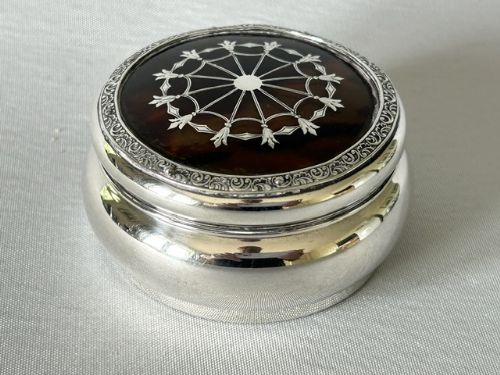


Tortoiseshell Silver Trinket Box
A tortoiseshell silver trinket box brings together warm, mottled shell and bright metal to hold small keepsakes on a dressing table.
Tortoiseshell Silver Trinket Box
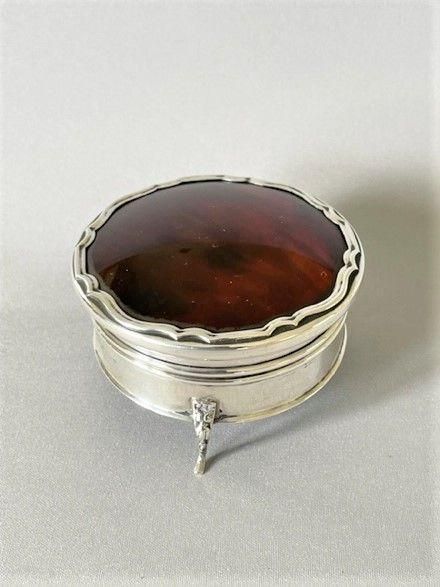
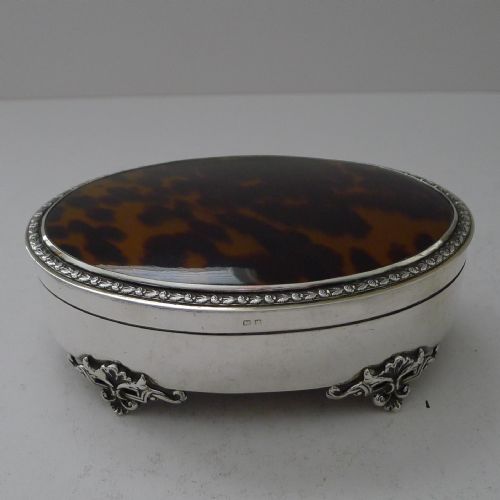
A tortoiseshell silver trinket box combines organic shell with precious metal, appearing in forms such as dressing table boxes, jewellery caskets, and small snuff containers. Buyers seeking these pieces encounter items originating across the Victorian, Edwardian, and George V periods, alongside earlier eighteenth-century examples.
The objects serve primarily as receptacles for small valuables, pins, or cosmetics, often lined with fabric or fitted internally. Pieces range from compact vanity jars in cut crystal with silver lids to large table-top caskets featuring Dutch Colonial silver gilt work.
Materials and Technique
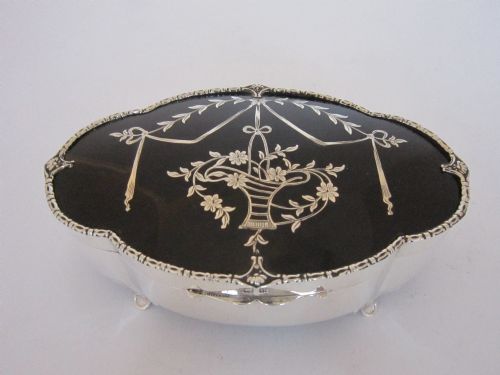
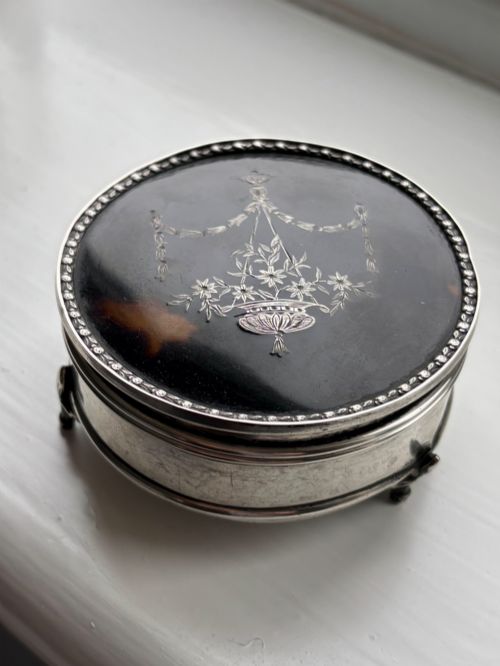
Craftsmen construct these containers using sterling silver mounts, hinges, and lids that frame panels of natural tortoiseshell or faux alternatives. Many incorporate pique work, inlaying tiny gold or silver pins into the shell to create intricate patterns.
Wooden carcases occasionally support the shell structure, while alternative variants combine silver with jadeite, brass, or cut crystal bodies. Silversmiths stamp hallmarks onto the metal elements, recording the assay office and year of production.
Tortoiseshell Silver Trinket Box Retail Price Guide 2026
Typical asking prices for tortoiseshell silver trinket box among the pieces listed under this phrase on Sellingantiques today, from the lower quarter to the upper quarter. They describe what is for sale here now, not the wider market.
Materials recorded across the inventory include sterling silver, tortoiseshell, cut crystal, brass, and jadeite.
Defining Quality
The refinement of the metal mounts and the complexity of the surface ornamentation distinguish superior examples. Finely executed pique work and substantial sterling silver frames indicate high workshop standards.
The clarity and rich amber tones of the shell panel influence overall appeal. Pieces bearing clear maker marks and robust structural integrity represent the upper tier of surviving items.
Ollivant & Botsford·Asprey & Co.·William Comyns·Edward Souter Barnsley·Mappin & Webb
The Tortoiseshell Silver Trinket Box Glossary
- Pique work
- The technique of embedding tiny gold or silver wire and pins into tortoiseshell to form decorative motifs. This meticulous method requires heating the shell to accept the metal inlay.
- Sterling silver
- A silver alloy containing substantial pure metal content, widely utilised for the lids, rims, and hinges of these boxes. British items commonly display standard hallmarks indicating this composition.
- Tortoiseshell
- The mottled brown and amber keratin material derived from the shell of certain marine turtles, historically shaped into decorative panels. It provides a glossy surface that accepts polishing.
- Silver gilt
- Silver coated with a thin layer of gold, occasionally found on colonial or export boxes listed in the archive. This finish produces a rich golden sheen over the metal base.
- Snuff box
- A small pocket container designed for holding powdered tobacco, representing an early form associated with shell and metal construction. These items often feature hinged lids.
Tortoiseshell Silver Trinket Box: Frequently Asked Questions
What periods do these boxes come from?
Surviving examples originate predominantly from the Edwardian era and the reign of George V, though nineteenth-century and eighteenth-century specimens also appear.
Craftsmen produced these containers across various decades, reflecting the shifting decorative styles of each period.
How do I identify faux tortoiseshell?
Faux versions often utilise stained horn or synthetic compounds rather than natural shell material. Examining the mottled pattern and surface texture helps distinguish genuine shell from substitutes.
Hallmarks on the attached silver mounts can also provide contextual clues regarding the piece's authenticity and date.
Were these items used for jewellery?
Many larger examples function as dressing table jewellery boxes, lined to protect rings, brooches, and small trinkets.
Smaller variants served specialised purposes, such as holding pins, cufflinks, or snuff.
What is pique work?
Pique work involves embedding microscopic pieces of gold or silver wire into the tortoiseshell surface to create delicate patterns.
This intricate technique demands immense skill from the artisan to secure the metal without fracturing the shell.