





Birmingham Silver Trinket Pot
A birmingham silver trinket pot is a compact dressing table container with a precious metal mount, prized for holding small keepsakes.
Birmingham Silver Trinket Pot
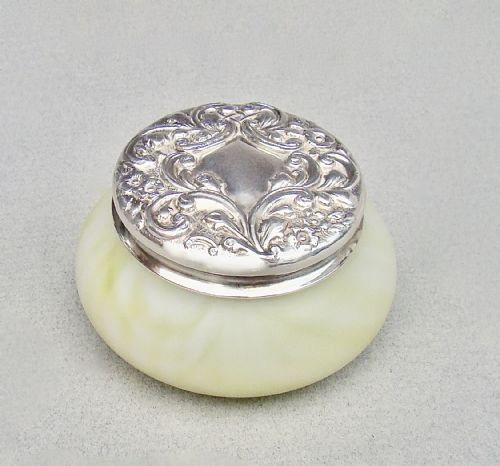
A birmingham silver trinket pot takes several forms on this page, including vanity jars, dressing table accessories, and small boxes. These items serve to hold small valuables, pins, or cosmetics upon a dressing table.
The pieces span from the Edwardian era through the nineteen twenties and thirties, covering styles such as Art Deco, Art Nouveau, and George V. Most examples pair a sterling silver lid or mount with a glass body.
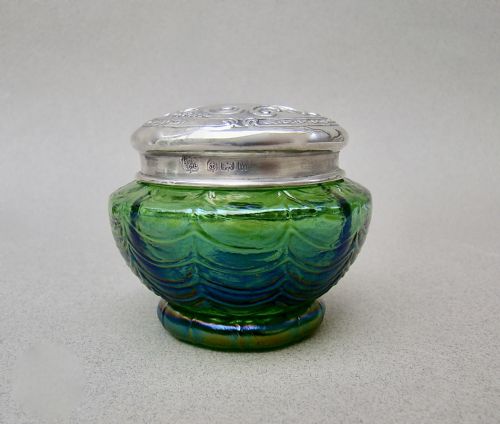
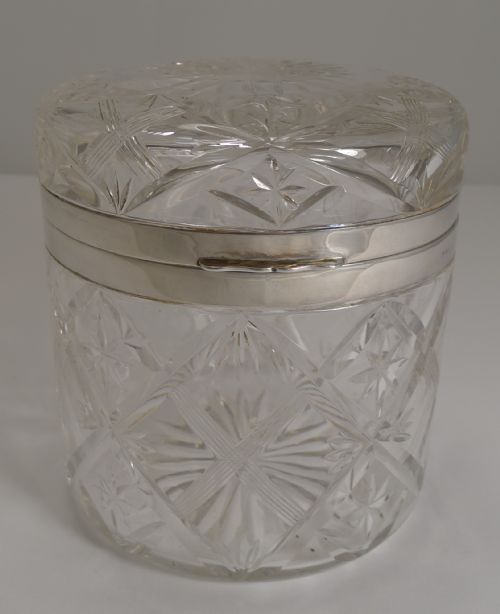
Vessels range from plain sterling silver boxes to glass jars with decorated tops. Buyers frequently encounter glass bodies rendered in cranberry, amethyst, satin, or cut crystal.
How they were made
Silversmiths shaped the lids and mounts from sterling silver, often adding hallmarks to designate the assay town of Birmingham alongside the date letter and maker's mark. Some early examples display spot-hammered textures upon the metal surface.
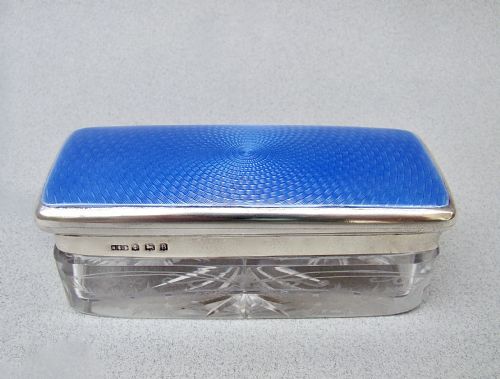
Glass bodies were produced through blowing or cutting techniques, yielding coloured vessels in amethyst and cranberry glass, or satin and cut crystal finishes. Artisans applied guilloche enamel and opaque enamel in geometric or floral patterns to the silver components.
Birmingham Silver Trinket Pot Retail Price Guide 2026
Typical asking prices for birmingham silver trinket pot among the pieces listed under this phrase on Sellingantiques today, from the lower quarter to the upper quarter. They describe what is for sale here now, not the wider market.
Object forms span trinket boxes, vanity jars, dressing table accessories, and rouge pots originating from Birmingham workshops.
What varies in quality
Quality rests in the crispness of the silversmith's work and the condition of any applied enamel. Intricate guilloche patterns and undamaged enamel layers distinguish finer dressing table pieces from plain silver mounts.
The weight of the sterling silver and the clarity or colour depth of the glass body determine the grade of the object. Hand-hammered surfaces and heavy crystal or coloured glass indicate superior manufacture.
A. J. Pepper & Co·Henry Clifford Davis·A. Bromet & Co·Henry Williamson Ltd·Henry Matthews
The Birmingham Silver Trinket Pot Glossary
- Guilloche enamel
- A decorative technique where engine-turned metal is covered with translucent enamel. This creates repeating geometric patterns that catch the light beneath the coloured surface.
- Sterling silver
- An alloy of silver containing ninety-two point five percent pure silver and seven point five percent other metals. It serves as the standard material for British silversmithing.
- Hallmark
- A series of official marks stamped onto precious metals. These marks indicate the maker, the metal purity, the assay office, and the year of assay.
- Cut glass
- Glass decorated by cutting facets into the surface using a wheel. This process enhances the brilliance and weight of vanity jars and dressing table boxes.
- Cranberry glass
- A rich red-pink glass coloured with gold chloride during production. It appears frequently in Edwardian and nineteen twenties dressing table wares.
Birmingham Silver Trinket Pot: Frequently Asked Questions
What were birmingham silver trinket pots used for?
These containers sat upon dressing tables to hold small personal items such as rings, pins, and cosmetics. They kept delicate pieces organised and protected while adding a decorative touch to the room.
Over time, they evolved from practical vanity accessories into decorative display objects collected for their craftsmanship and varied glass bodies.
How do I date an Edwardian piece?
Edwardian items date from nineteen hundred and one to nineteen ten. You can identify them by examining the hallmarks stamped into the silver, which include a date letter specific to the Birmingham assay office.
Stylistic cues also help, as Edwardian examples often lean towards softer floral motifs before the geometric lines of the Art Deco period take over in later decades.
How should I clean the silver and glass?
Clean the sterling silver gently with a soft microfibre cloth and a specialist silver polish, taking care to avoid any enamel or glass sections. Enamel is delicate and can be damaged by harsh chemical dips or abrasive cloths.
Wipe the glass body with a damp cloth and mild soapy water, drying it thoroughly afterwards to maintain the clarity of cut crystal or coloured glass.
What is guilloche enamel?
Guilloche is a decorative technique where a metal surface is engraved with intricate, repetitive geometric patterns using a mechanical lathe. A translucent layer of coloured enamel is then applied over the engraved metal so the pattern shows through.
This method appears frequently on nineteen twenties and thirties dressing table jars, providing a glossy and colourful finish to the silver lid.