
Edwardian Silver Cut Glass
These edwardian silver cut glass pieces unite heavy faceted crystal with hallmarked mounts for practical hospitality and dressing table elegance.
Edwardian Silver Cut Glass
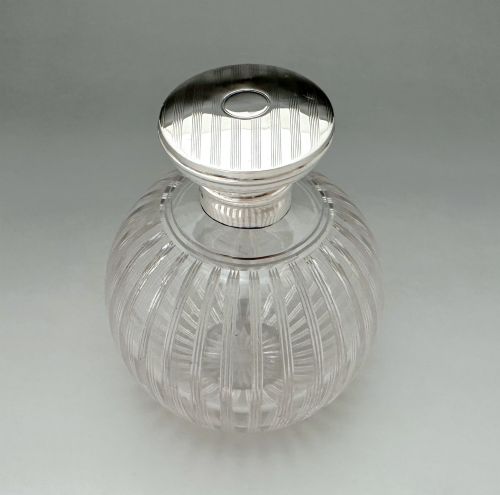
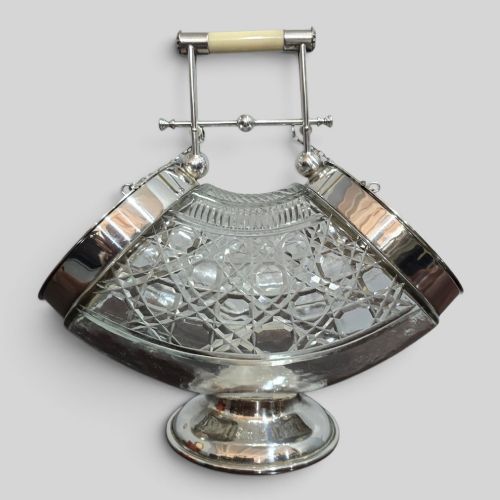
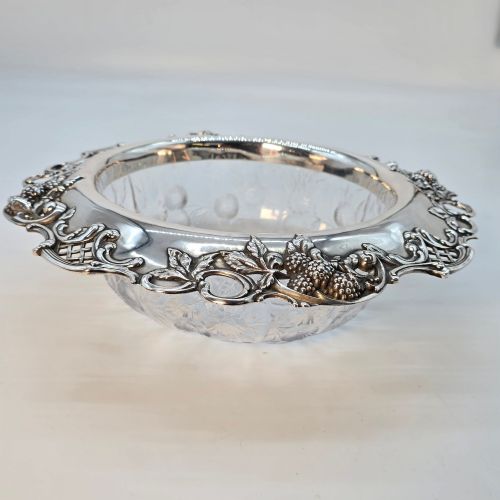
When searching for edwardian silver cut glass, buyers encounter functional tableware and vanity items designed for daily domestic use around the turn of the twentieth century. These objects combine heavy, light-refracting crystal vessels with polished metal fittings ranging from sterling silver to silver plate.
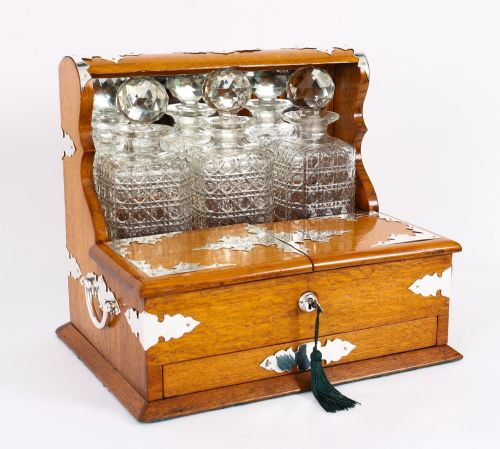
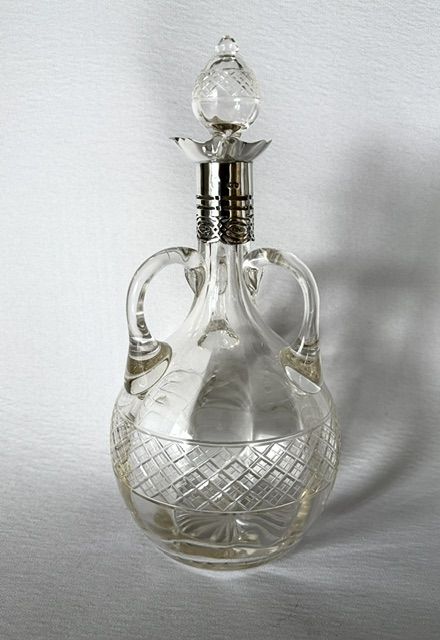
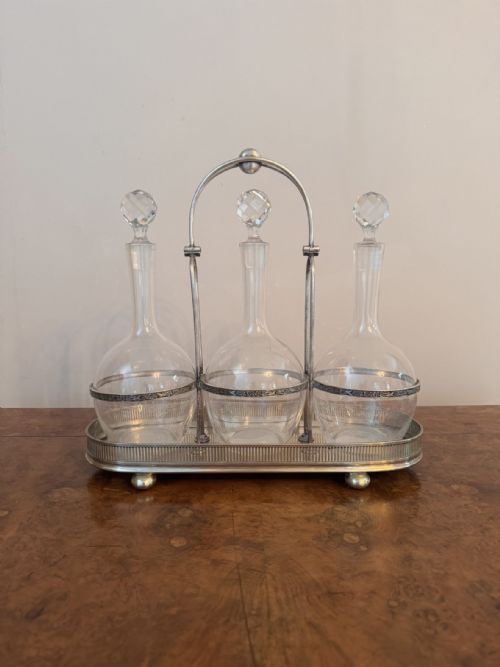
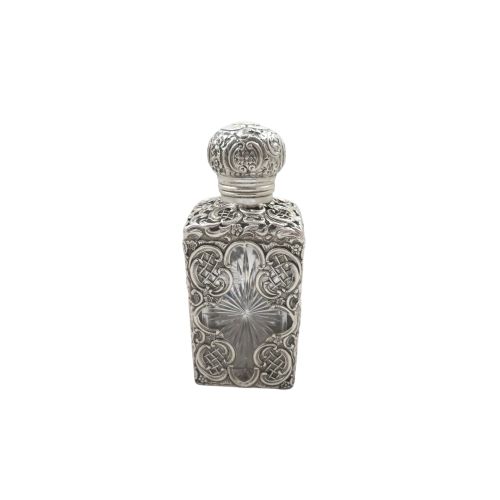
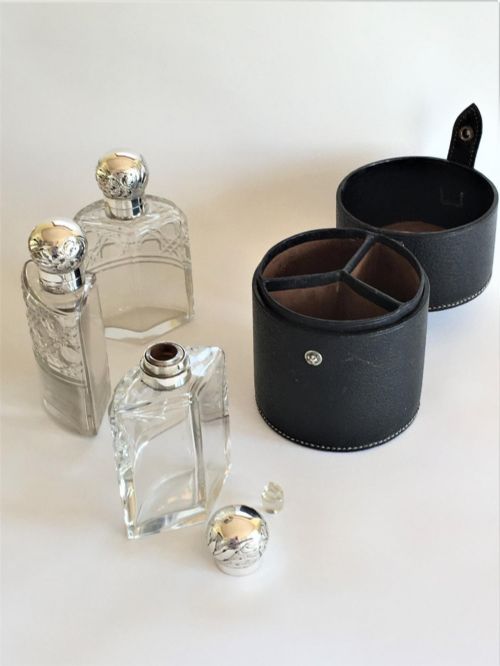
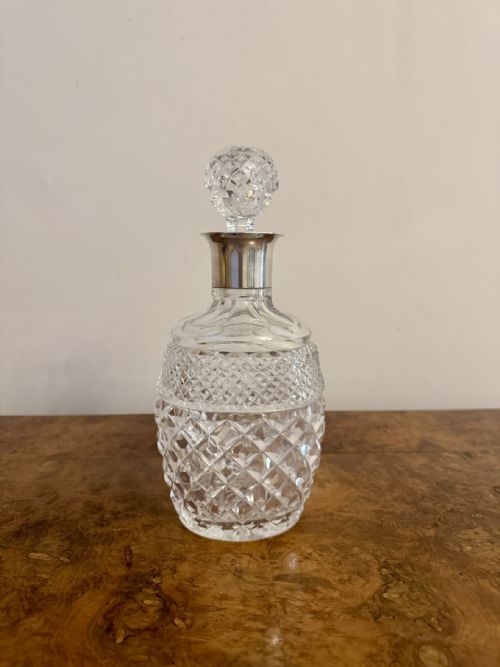
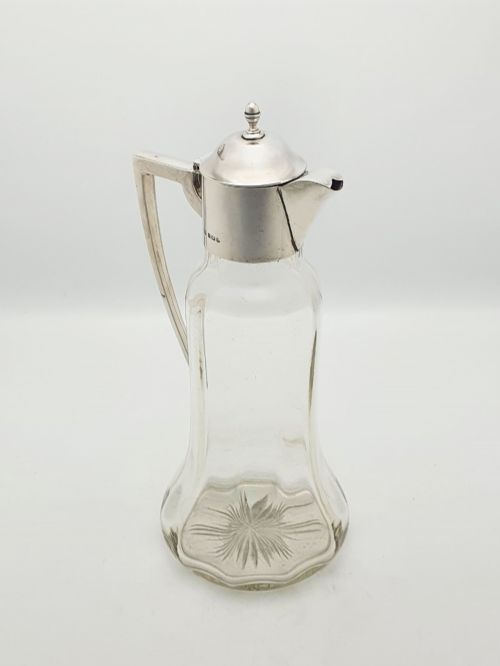
The selection frequently includes decanters, claret jugs, cruet sets, and scent bottles dating predominantly from the Edwardian period and adjacent years such as the Victorian and George V eras. Pieces span from single perfume bottles to complex fitted tantalus sets housed in oak.
How they were made
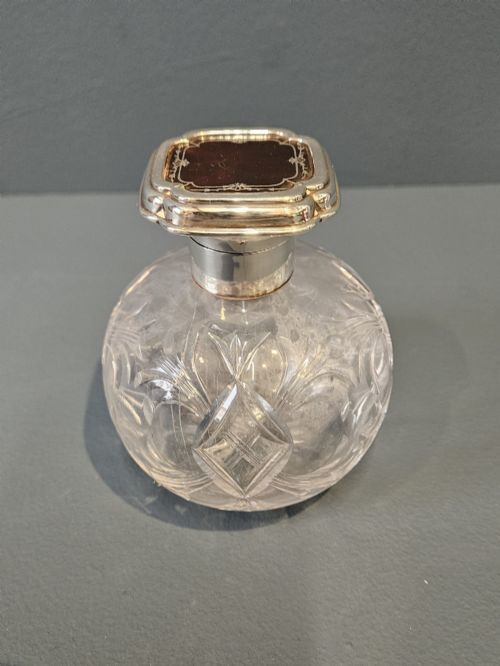
Craftsmen shaped vessels from heavy glass and crystal, applying deep hobnail or linear cuts by hand to create light-reflecting facets. Molten or pressed glass blanks were wheel-cut and polished before receiving fitted metal collars, lids, and mounts.
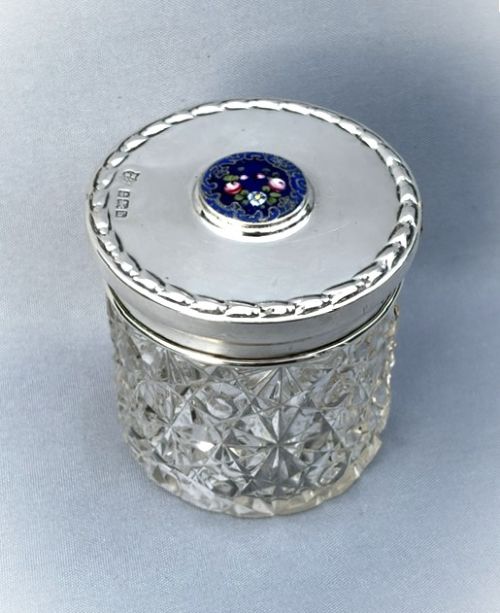
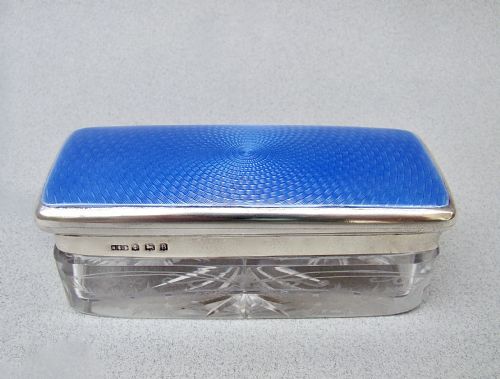
Silversmiths formed mounts from sterling silver or applied silver plate to base metals, occasionally incorporating decorative elements such as guilloché enamel, tortoiseshell, or embossed floral motifs. Components were secured to the glass bodies with specialised adhesives or tight mechanical collars.
Listings feature items spanning the Victorian, Edwardian, and George V eras, executed in cut glass, sterling silver, oak, and tortoiseshell.
What varies in quality
Makers known for specific workshops and retail houses provide an additional tier of distinction, as do matched sets complete with original stoppers, labels, and fitted wooden stands or oak cases.
Henry Clifford Davis·Harold Bushell and Co·Tiffany and Co·J Grinsell and Sons·Arthur Willmore Pennington·R Comyns
The Edwardian Silver Cut Glass Glossary
- Tantalus
- A locked wooden frame securing decanters to prevent unauthorized access to spirits while displaying the cut glass through the bars.
- Guilloché
- A decorative mechanical engraving technique producing intricate geometric patterns beneath translucent enamel layers.
- Hobnail
- A sharp, pointed diamond-shaped glass-cutting pattern that creates a heavily textured, light-refracting surface.
- Claret Jug
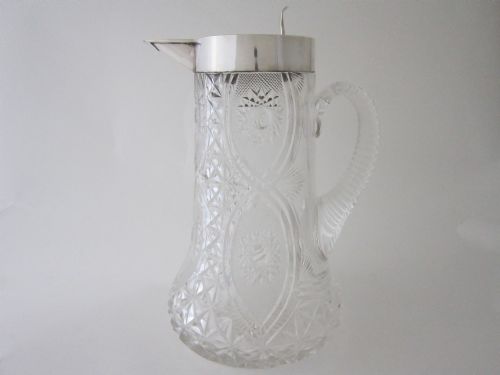
- A tall pouring vessel specifically designed for serving red wine, featuring a handle, hinged metal lid, and collar.
Edwardian Silver Cut Glass: Frequently Asked Questions
How do I clean cut glass safely?
Wash glass vessels by hand in warm, soapy water using a soft brush to clear dust from deep facet cuts. Avoid extreme temperature changes to prevent cracking the heavy crystal.
Dry the pieces thoroughly with a lint-free cloth and polish the metal mounts separately with a suitable silver cloth, keeping polish away from the glass.
Are original stoppers important?
Original stoppers matching the cut pattern and number of the glass body significantly complete the piece. Finding replacements that fit the hand-ground necks perfectly proves difficult.
Decanters and perfume bottles retain higher appeal and utility when they retain their original matching glass stoppers.
How do I distinguish sterling from silver plate?
Examine the metal mounts for official hallmarks indicating standard sterling purity, such as a lion passant for British manufacture. Stamped maker marks and date letters often accompany these punches.
Silver plate displays underlying base metal where heavy wear occurs over generations of handling, lacking the formal assay office hallmarks found on solid silver.
Were these items used daily?
Households during the Edwardian era utilised these glass and silver pieces constantly for dining, entertaining, and bedroom grooming. Decanters held spirits for guests, while cruet sets seasoned meals at the table.
Vanity jars and scent bottles sat on dressing tables for daily perfumes, powders, and lotions, explaining why many survive with minor signs of honest period use.