

Edwardian Silver Albert Chain
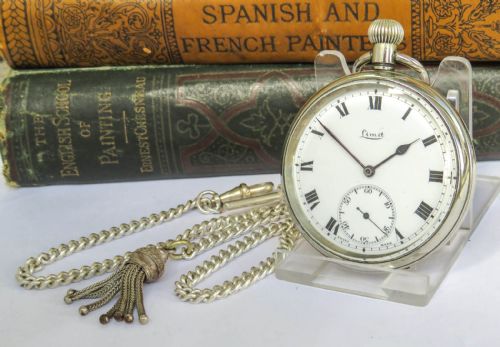
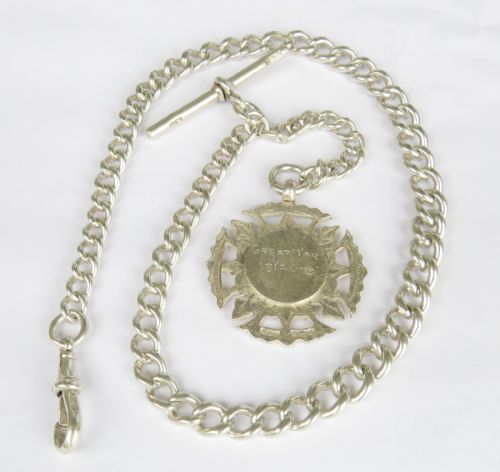
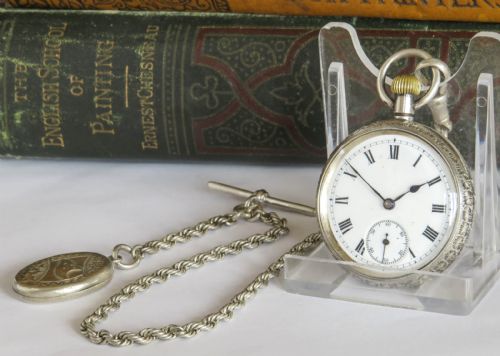
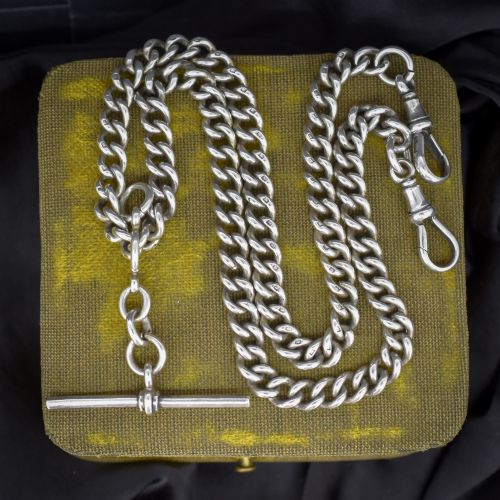
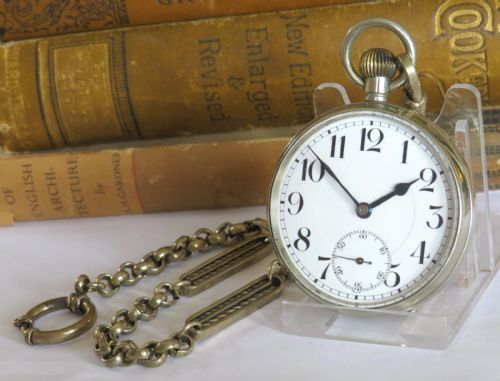
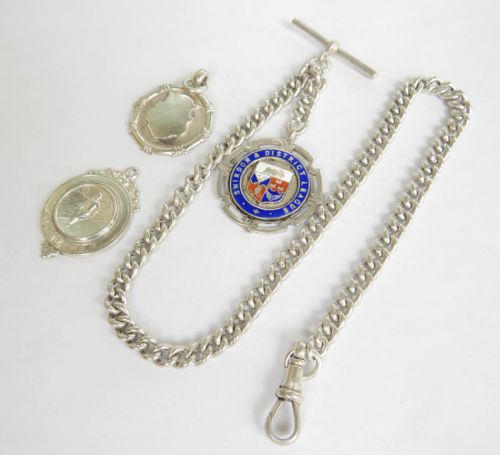
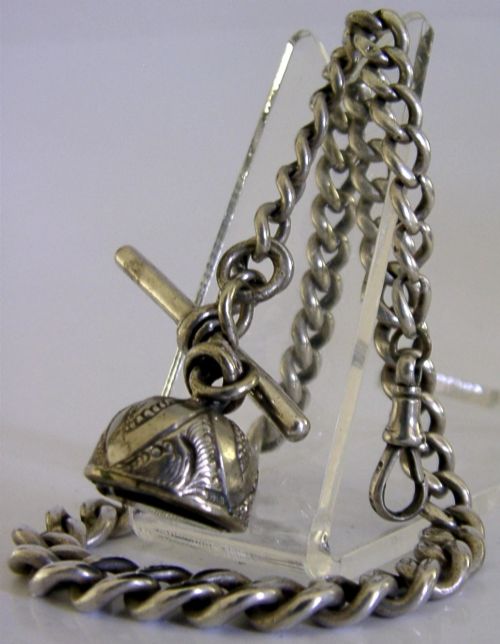
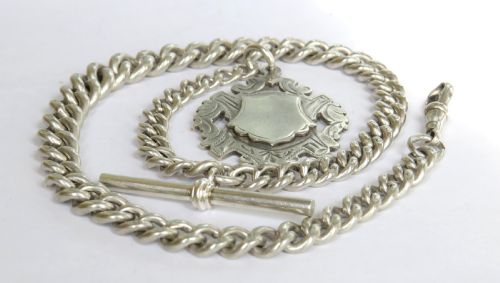
An edwardian silver albert chain is a sturdy link length designed to secure a pocket watch, worn with a distinct T-bar and dog clip.
Edwardian Silver Albert Chain
An edwardian silver albert chain is a traditional gentleman's accessory designed to connect a pocket watch to a waistcoat buttonhole. The pieces seen here span the Edwardian era alongside surrounding periods, utilising sterling silver link constructions paired with functional drops.
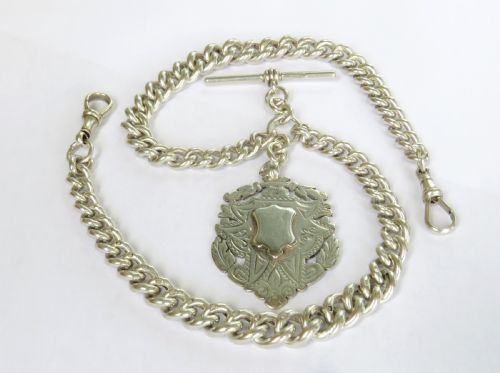
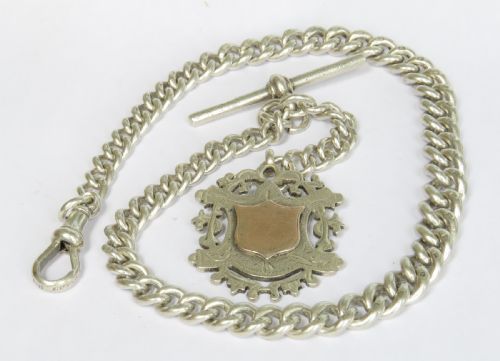
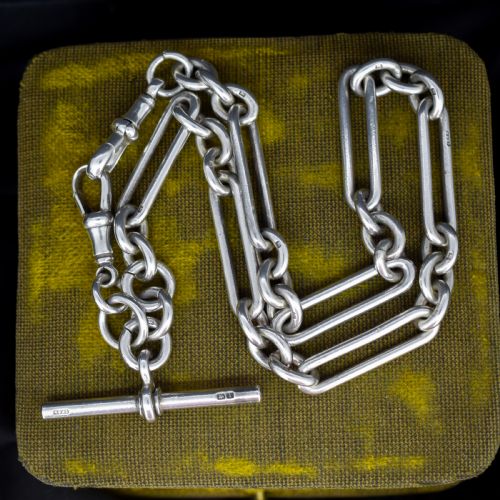
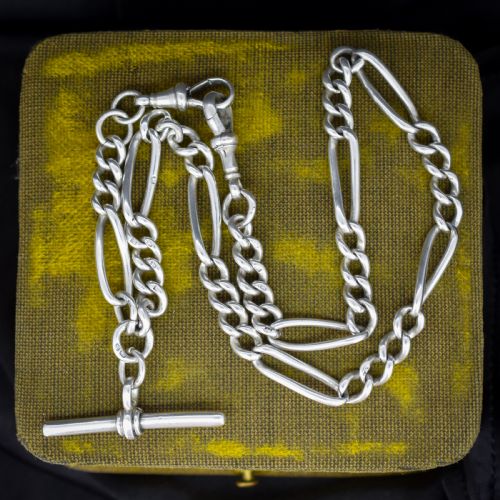
The most common formats on this page include curb links and trombone links, often complete with silver T-bars and swivel dog clips. Many examples also incorporate associated items such as silver fobs, seal fobs, or match vestas.
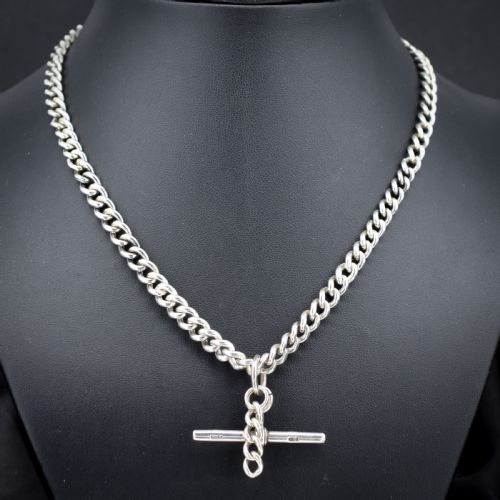
Lengths vary from shorter waist-pocket iterations to longer variations now frequently worn as necklaces or modified bracelets. These items cross styles from Victorian origins through Edwardian manufacturing into early Art Deco iterations.
Silver and Link Construction
Makers fashioned these chains primarily from sterling silver, shaping individual uniform curb, trombone, or Figaro links by hand or with early mechanical aid. Each link was soldered securely to withstand daily use inside a pocket.
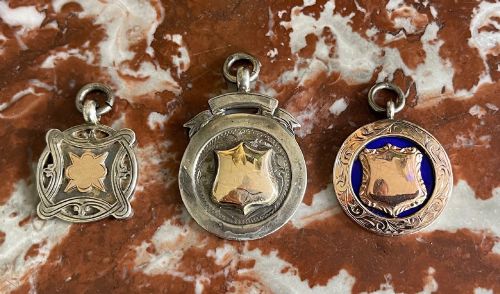
Components such as the T-bar, swivel dog clip, and suspended fobs received individual hallmarks denoting the silver standard and assay office. Accent materials like enamel, glass, or gold highlights appear on attached novelty fobs and commemorative medallions.
Edwardian Silver Albert Chain Retail Price Guide 2026
Typical asking prices for edwardian silver albert chain among the pieces listed under this phrase on Sellingantiques today, from the lower quarter to the upper quarter. They describe what is for sale here now, not the wider market.
Several chains share space with miniature enamel darts boards and cricket medallions, proving past gentlemen took their pub games rather seriously.
Assessing Weight and Link Integrity
Quality rests heavily on the substantial weight of the silver and the structural integrity of every individual link. Heavier gauge chains retain their shape and original tension in the dog clip springs far better than thinner versions.
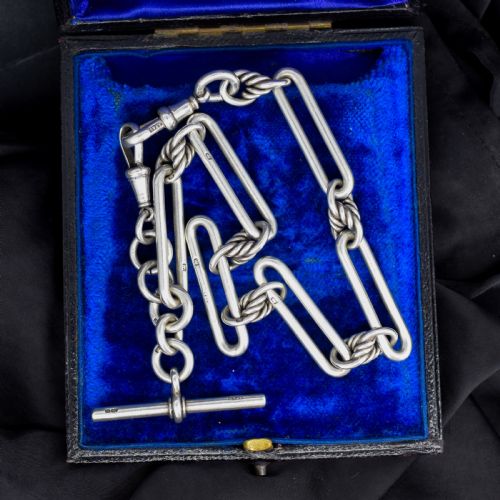
The presence of matching hallmarks across the T-bar, individual links, and dog clips distinguishes a cohesive original set from assembled or repaired components. Intricate link patterns like trombone links with love knots also demonstrate superior manufacturing skill.
The Edwardian Silver Albert Chain Glossary
- T-bar
- The short transverse bar attached to the centre of an albert chain. It slips through a waistcoat buttonhole to anchor the chain securely.
- Dog clip
- A swivel snap hook attached to the end of the chain. It fastens directly to the pocket watch loop or a decorative fob.
- Trombone link
- A distinctive link style composed of long rectangular links joined by smaller circular or oval double links. This design offers a flat, elegant drape across a waistcoat.
- Vesta case
- A small metal box carried in the pocket to hold matches. These frequently hang from albert chains as companion fobs.
Edwardian Silver Albert Chain: Frequently Asked Questions
How do I wear an albert chain today?
An edwardian silver albert chain can be threaded through a buttonhole with the T-bar secured in place, allowing the watch to rest in a pocket. Alternatively, many owners wear shorter lengths as necklaces or wrap them as bracelets.
The sturdy dog clips make attaching pendants or wearing the chain independently straightforward for daily use.
What is the difference between a single and double albert?
A single albert chain runs from a single buttonhole to the pocket watch, often featuring a drop for a fob. A double albert chain passes through the central buttonhole with two draped strands spanning both pockets.
Double versions usually include a central drop for a heavier medallion or seal fob.
Are all links hallmarked on these chains?
Makers frequently stamped hallmarks on the principal links, the T-bar, and the swivel of the dog clip rather than every single small connector ring. Partial hallmarking is standard practice for articulated items of this period.
Assay marks help verify the silver standard and sometimes provide a precise year of manufacture.
What are watch fobs used for?
Watch fobs served as decorative counterweights and personal emblems hanging from the drop of the chain. They often commemorated sports clubs, military service, or significant dates with engraved initials.
Examples range from simple silver shields to enamelled novelty pieces depicting darts boards or football crests.