

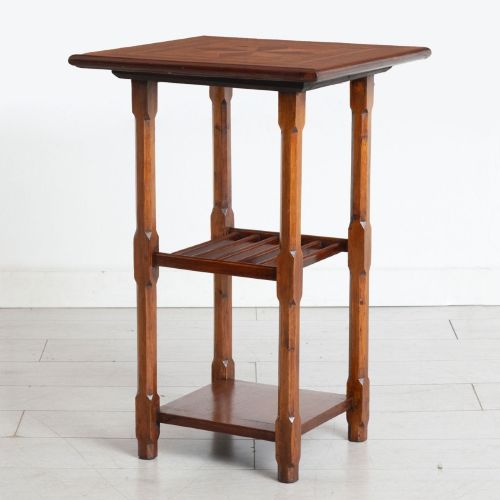
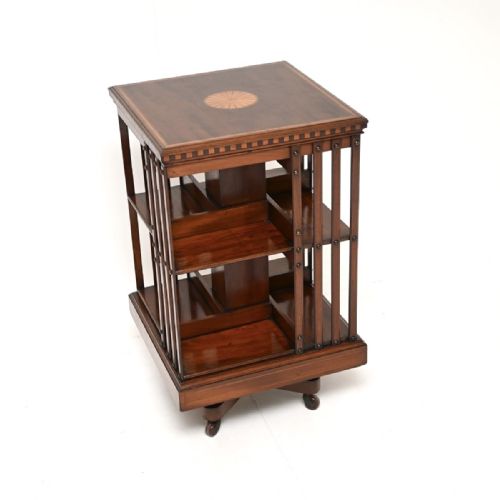
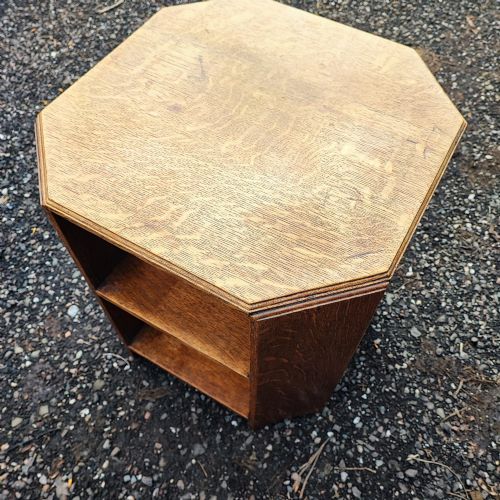

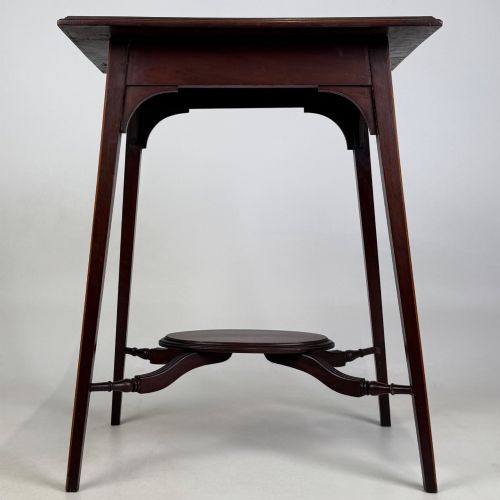
Edwardian Side Table Shelf
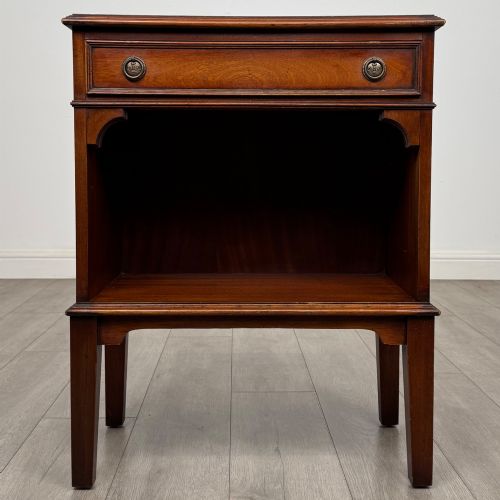
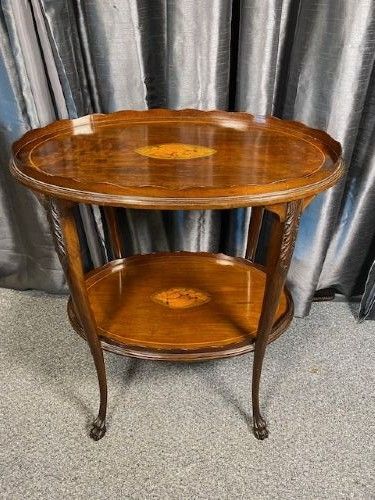
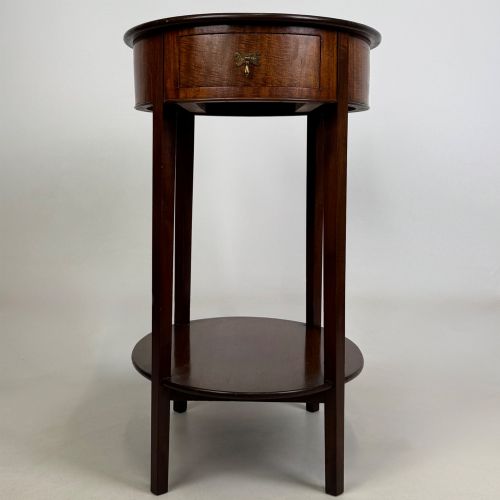
When you want an edwardian side table shelf, you are looking at practical multi-tiered timber furniture designed to hold books and lamps.
Edwardian Side Table Shelf
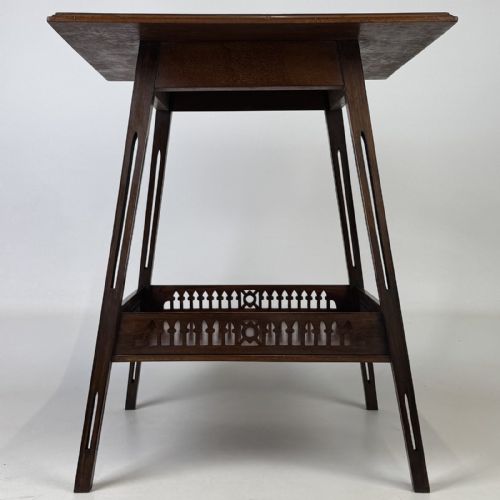
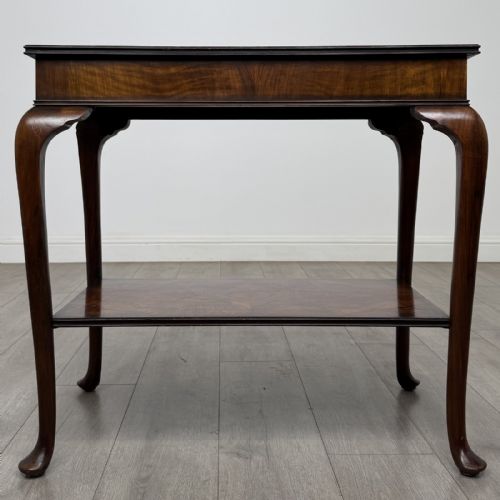
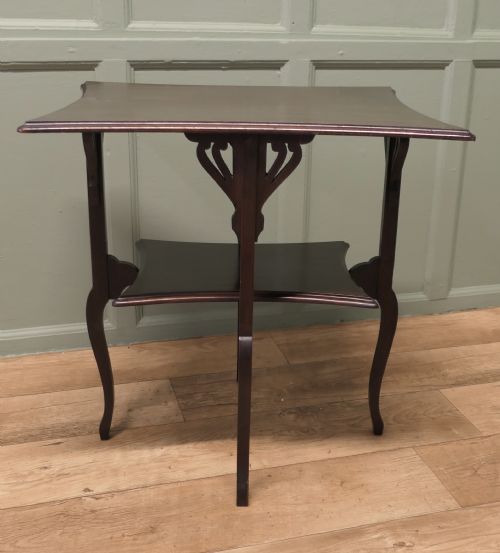
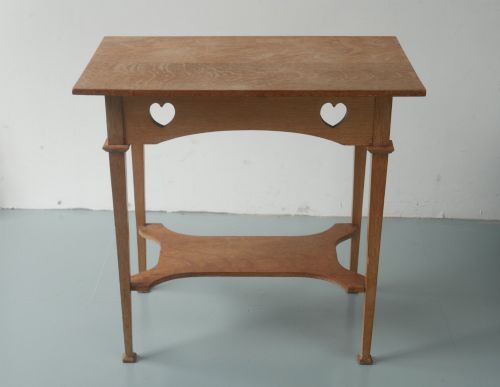
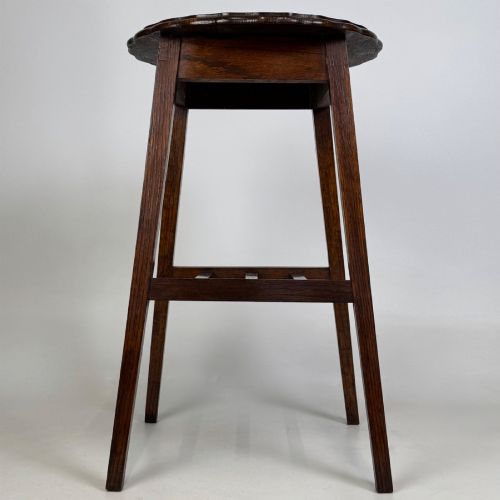
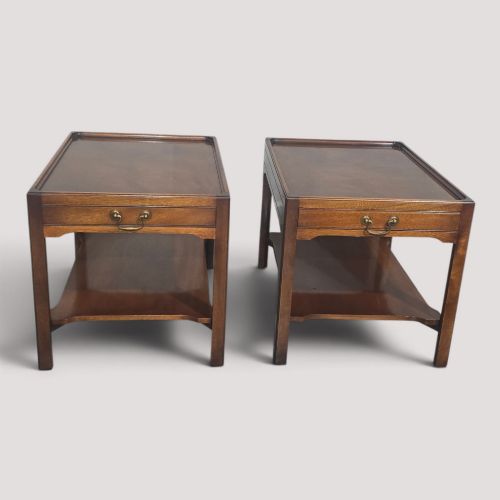
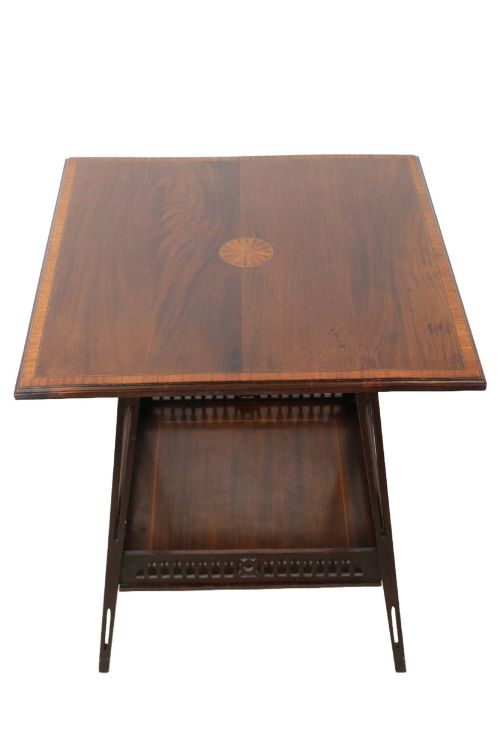
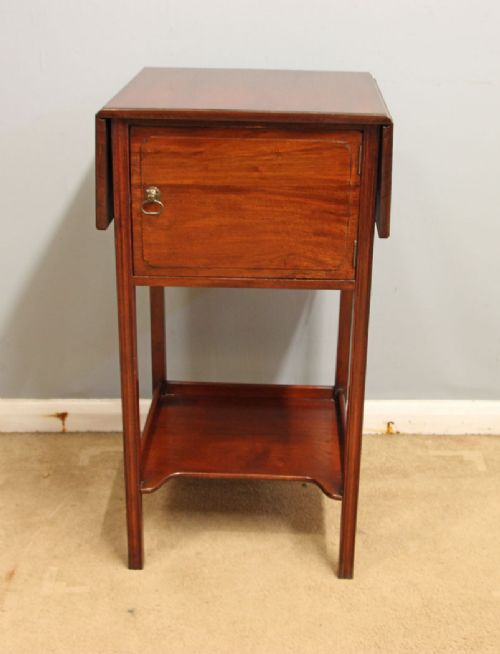
An edwardian side table shelf typically combines a compact surface for lamps with lower tiers or shelves for books, appearing frequently in mahogany or oak across the Edwardian era, Victorian period, and into the 1920s and 1930s. These pieces encompass various forms including occasional tables, two-tier stands, etageres, and revolving bookcases that served functional domestic roles in sitting rooms and bedrooms.
Makers and designers of the period adapted Georgian Revival, Sheraton Revival, and Arts and Crafts aesthetics to create versatile furniture for smaller domestic spaces. Buyers encounter oval lamp tables, square bedside cabinets, and multi-shelf display units that demonstrate the era's preference for compartmentalised storage combined with slender tabletops.
Assessing Quality
The distinction between standard production and finer examples rests on the crispness of the wood inlay, the selection of figured mahogany or burr walnut veneers, and the structural integrity of the lower shelves. Superior items demonstrate precise parquetry, hand-carved details, and substantial timber thickness rather than thin surface laminates.
Refinement in turning, well-executed brass or ormolu mounts, and balanced proportions elevate certain tables into exhibition grade or attributed pieces. Lesser examples rely on plain pine or basic oak construction with minimal decorative embellishment.
Edwardian Side Table Shelf Retail Price Guide 2026
Typical asking prices for edwardian side table shelf among the pieces listed under this phrase on Sellingantiques today, from the lower quarter to the upper quarter. They describe what is for sale here now, not the wider market.
Listings span the 19th Century through the Edwardian period, 1920, and 1930, showcasing mahogany, oak, walnut, rosewood, and brass.
Trevor Page & Co
The Edwardian Side Table Shelf Glossary
- Etagere
- A set of open shelves for displaying small objects or books. These freestanding display pieces often feature multiple tiers supported by slender uprights.
- Whatnot
- A piece of furniture consisting of a set of open shelves for displaying articles. Victorians and Edwardians utilised them extensively in drawing rooms.
- Inlay
- A technique of inserting pieces of contrasting materials into a depression in a base object to form a design. Cabinetmakers used boxwood and satinwood to create decorative borders.
- Parquetry
- Geometric mosaic woodwork used for floors and tabletops. This technique creates patterned surfaces using various wood blocks.
- Occasional table
- A small table designed for intermittent use in a sitting room or bedroom. They appear frequently with lower shelves for holding periodicals.
Edwardian Side Table Shelf: Frequently Asked Questions
What is an edwardian side table shelf used for?
These tables provide a convenient upper surface for a lamp or decorative items while offering lower shelves to hold books and periodicals.
Their compact proportions made them ideal for placement beside armchairs, sofas, or beds in period homes.
How do I identify an Edwardian piece?
Look for characteristic Edwardian design markers such as slender tapering legs, satinwood inlay, and lighter timber tones compared to heavy Victorian furniture.
Many examples also incorporate Sheraton Revival or Arts and Crafts stylistic influences typical of the early twentieth century.
Are these tables sturdy enough for daily use?
Solid mahogany and oak versions provide robust support for daily household items, provided the joints and lower shelf supports remain secure.
Multi-tiered designs distribute weight well, though veneer surfaces require care to prevent scratching.
What woods were commonly used?
Mahogany and oak predominate across these listings, often enhanced with contrasting boxwood, walnut, rosewood, and satinwood inlay.
Utility items feature pine, whilst luxury etageres incorporate marble tops and brass mountings.