
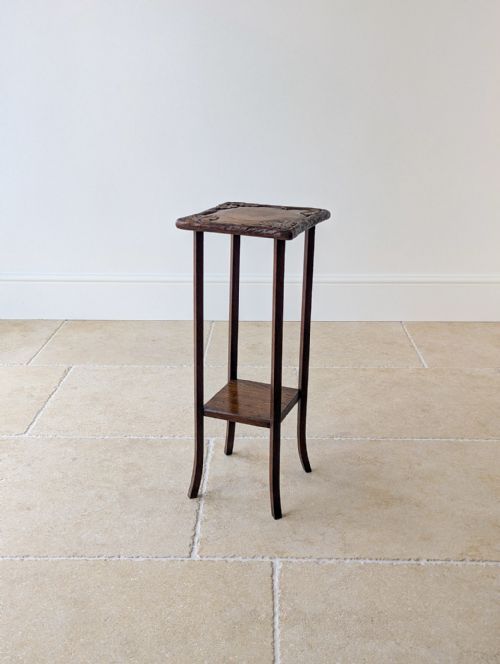
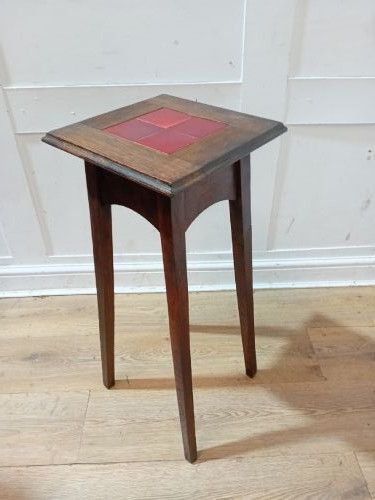

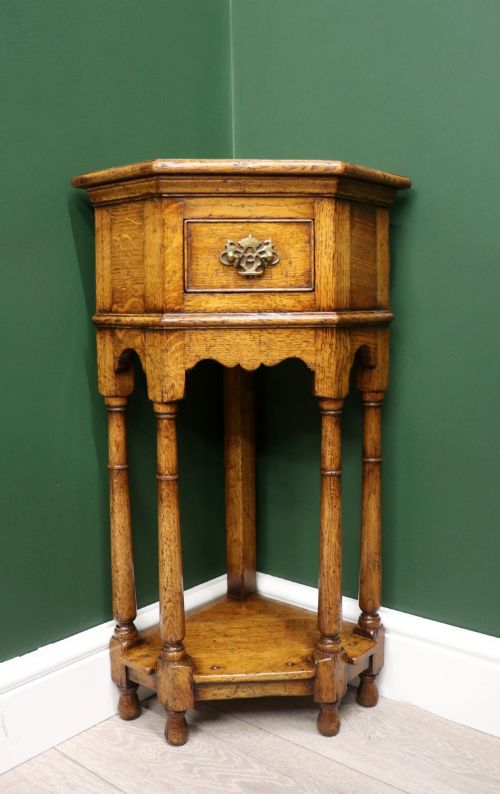
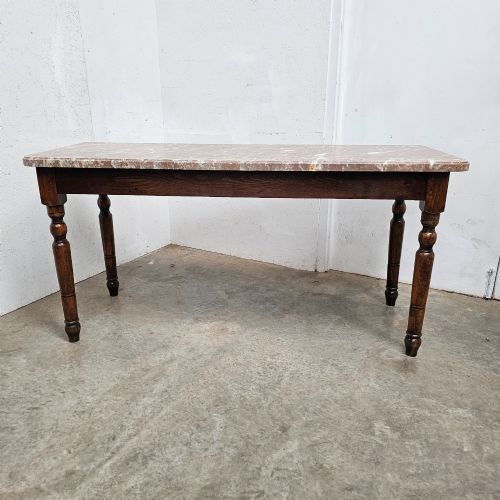
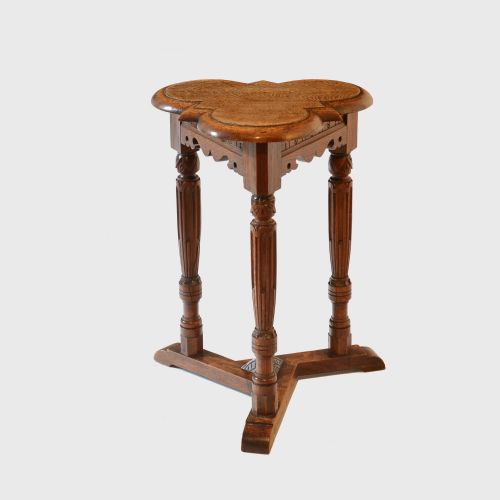
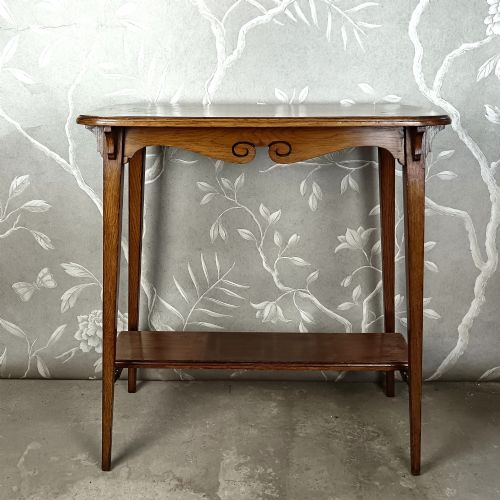

Antique Oak Display Table
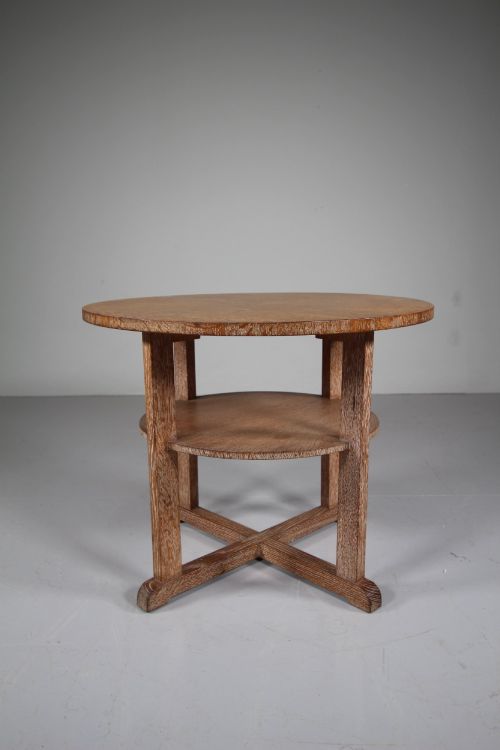
An antique oak display table brings both surface utility and period craftsmanship into a room.
Antique Oak Display Table
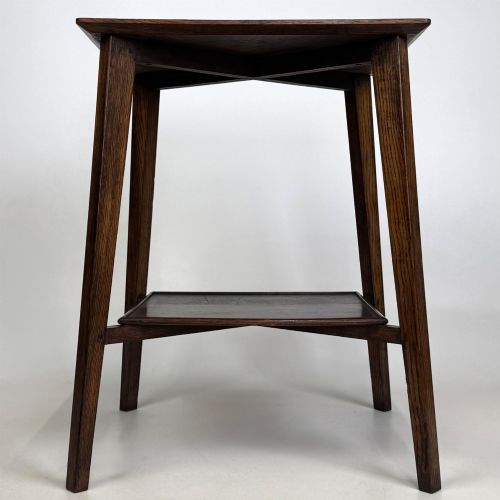
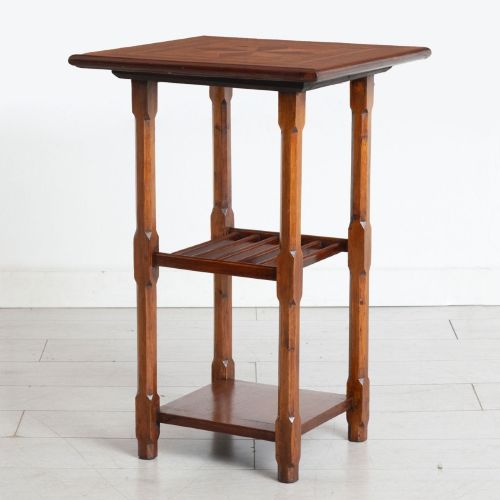
An antique oak display table encompasses various occasional furniture pieces designed to showcase objects, ranging from plant stands and jardinières to shop counters, etageres, and specialised display cabinets. These items bridge utilitarian household furniture and dedicated display surfaces.
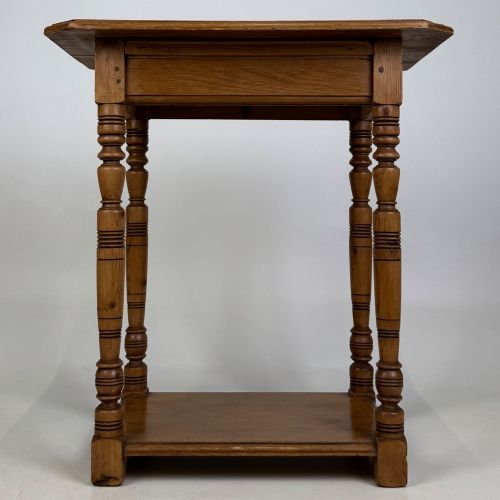
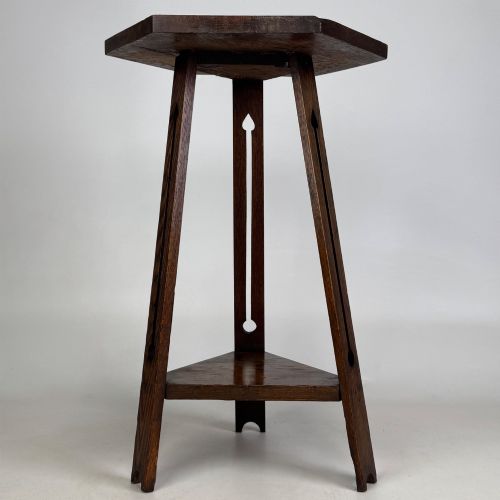
The versions most commonly met on this page date from the Victorian, Edwardian, and early twentieth-century periods, spanning styles such as Arts and Crafts, French Provincial, and Jacobean Revival. They frequently appear as small side tables, plant stands, or occasional tables incorporating oak timbers alongside glass, marble, or brass elements.
Makers and regional workshops produced diverse forms, including specialised drapers tables, tailors shop display tables, and tabletop cabinets suited for domestic or retail presentation. Their structural forms reflect the functional requirements of nineteenth- and early twentieth-century interiors.
Materials and construction methods
Makers utilised solid oak and oak veneers combined with structural supports in metal, brass, and timber. Surfaces frequently incorporate inset marble, mirrored glass, or canework panels to vary the presentation of displayed items.
The site listings feature oak alongside brass, glass, marble, and specimen wood across Victorian, Edwardian, and early twentieth-century periods.
Distinctions in construction and material standard
The standard of an antique oak display table depends upon the selection of timber grain, the precision of carved or turned details like barley twist legs, and the structural integrity of joints. Superior examples demonstrate careful matching of oak boards and robust framing that supports upper display tiers without sagging.
Integration of secondary materials such as marble slabs, brass mounts, and mirrored glass further separates standard production items from finer workshop pieces. The handling of applied ornament, from Arts and Crafts carving to geometric panels, dictates the overall refinement of the piece.
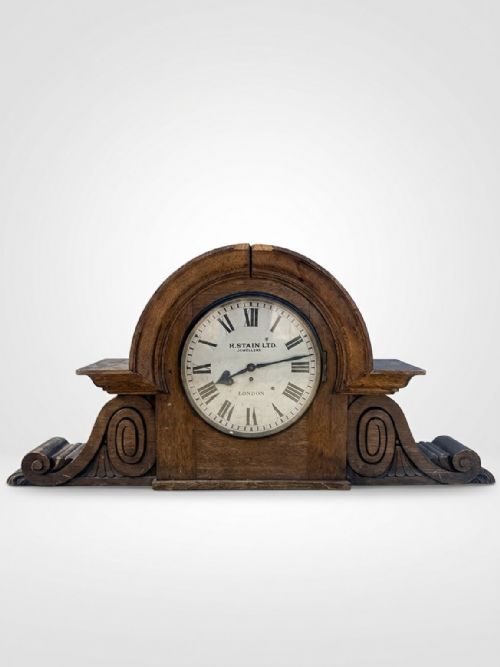
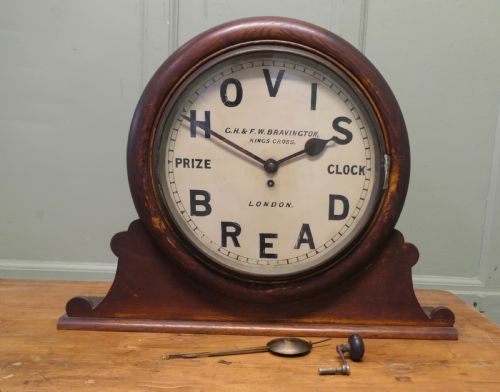
Liberty and Co·G.H.& F.W. Bravington London·Wylie and Lochhead Ltd
The Antique Oak Display Table Glossary
- Étagère
- A set of open shelves for displaying small objects or ornaments. These pieces typically feature multiple tiers supported by slender uprights.
- Jardinière
- An ornamental pot or stand for holding plants or flowers. They appear frequently in Arts and Crafts and Victorian oak furniture collections.
- Torchere
- A tall ornamental stand designed to hold a lamp, plant, or decorative object. They usually feature a slender central shaft or barley twist legs.
- Specimen Wood
- Furniture made from various decorative woods arranged in contrasting patterns or panels. This technique highlights the natural grain and colour variations of different timbers.
- Drapers Table
- A long, wide table originally used in fabric shops for measuring and displaying cloth. Their generous proportions and sturdy oak construction suit modern domestic use.
Antique Oak Display Table: Frequently Asked Questions
How were these tables used originally?
Originally, these tables served diverse functions in homes and retail environments. Some acted as plant stands or jardinières for indoor greenery, while others functioned as etageres and corner tables for ornaments.
Commercial examples, such as drapers and tailors shop tables, were built to display goods, reflecting the crossover between domestic furnishing and retail utility during the Victorian and Edwardian eras.
How do I date an antique oak display table?
Dating relies on observing structural characteristics, timber preparation, and stylistic markers such as Arts and Crafts carving or Victorian proportions. Pieces from the nineteenth century often feature heavier turning and denser timber construction.
Later Edwardian and 1920s examples frequently exhibit lighter forms, barley twist legs, or specific maker signatures that anchor them within a defined manufacturing decade.
Where do these tables fit in a modern room?
These tables function well as practical accent pieces in living rooms, halls, or studies where surface space is required for lamps or plants. Their tiered designs and narrow profiles make them suitable for corners or hallways.
By placing decorative objects, books, or small sculptures upon them, rooms gain both functional utility and period character.