
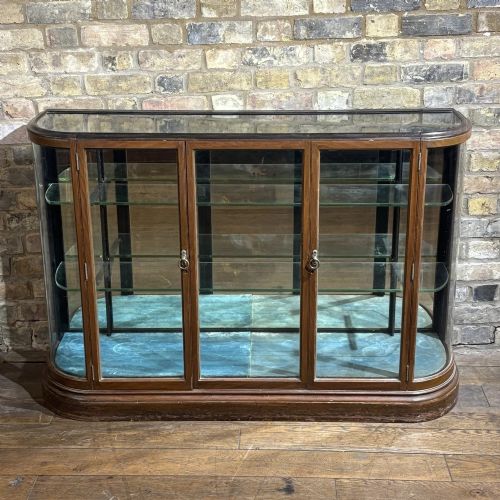


Edwardian Shop Showcase
An edwardian shop showcase turns commercial heritage into domestic display, offering generous glass and sturdy timbers to present collections.
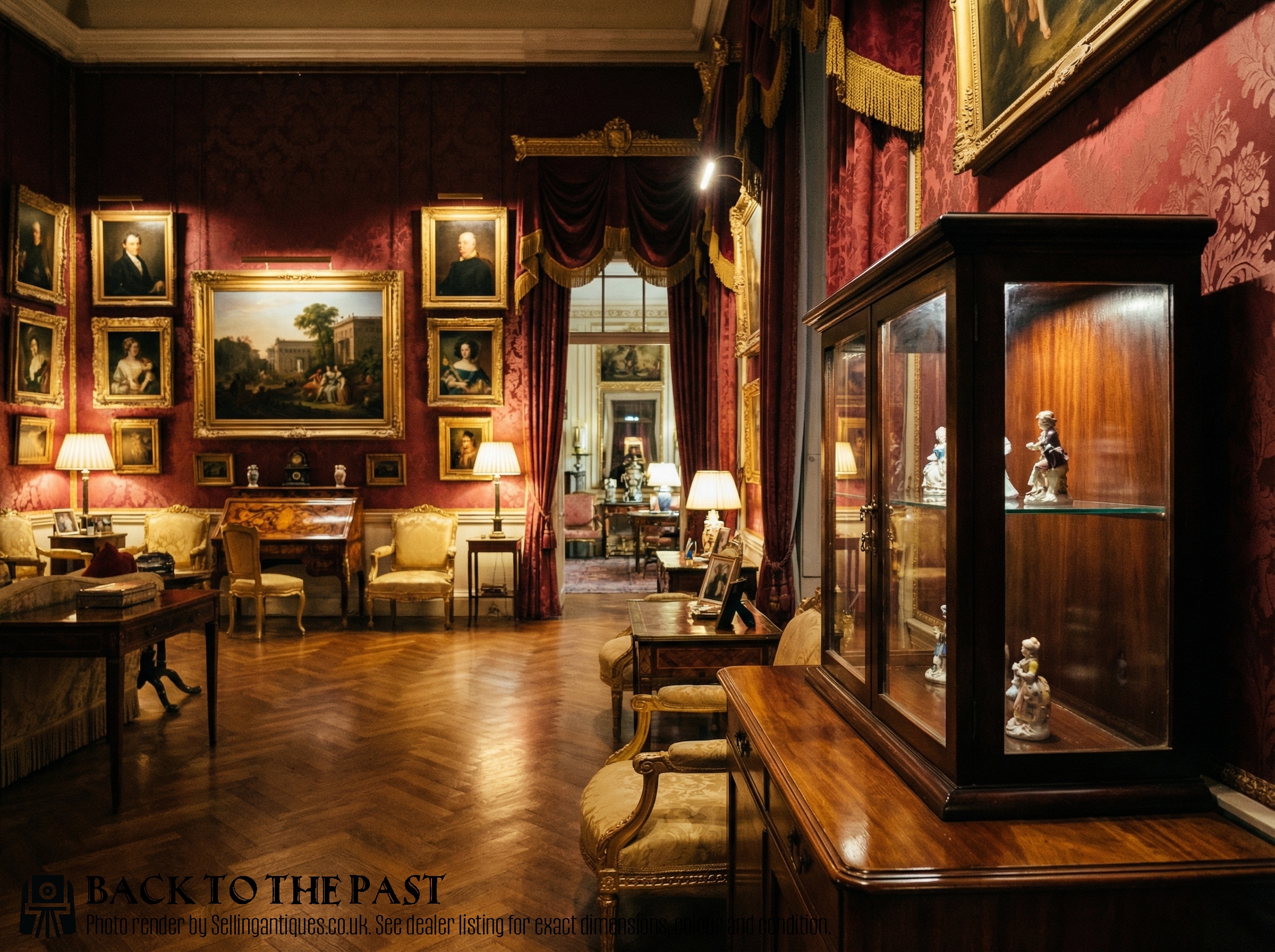
Edwardian Shop Showcase
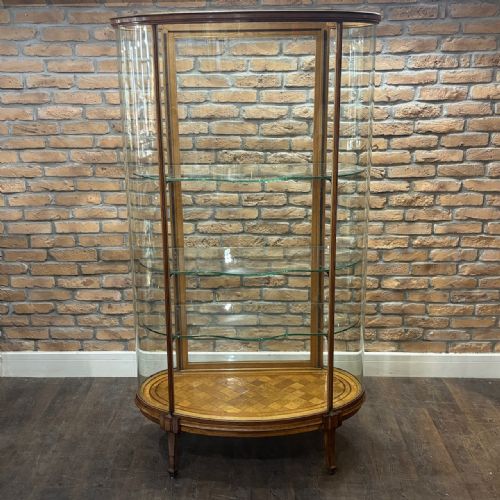
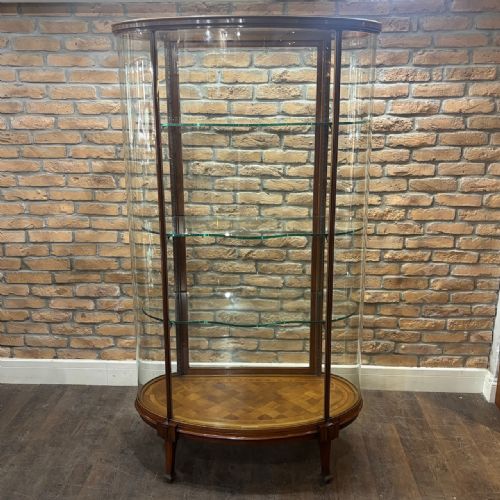
An edwardian shop showcase encompasses tall freestanding display cabinets, bow-fronted counters, and glazed tabletops designed for retail merchandising. Most examples emerge from the Edwardian era and early twentieth century, utilising robust commercial framing to protect merchandise.
Buyers encounter everything from large mahogany shop display counters to compact countertop vitrines built by firms like F. Sage and Co. These forms range from towering floor units to smaller cases intended to sit upon shop counters.
The category spans standard mercantile fixtures alongside branded sweet shop cabinets bearing advertising for chocolate and cocoa. Each piece retains the proportions and structural integrity originally required for daily retail trading.
Materials and Construction
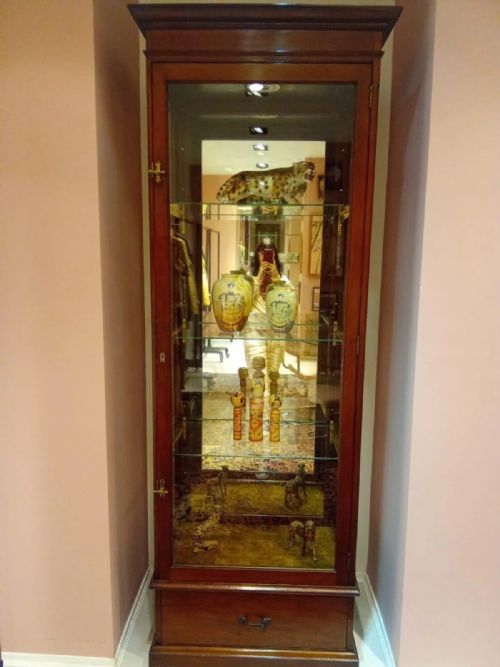
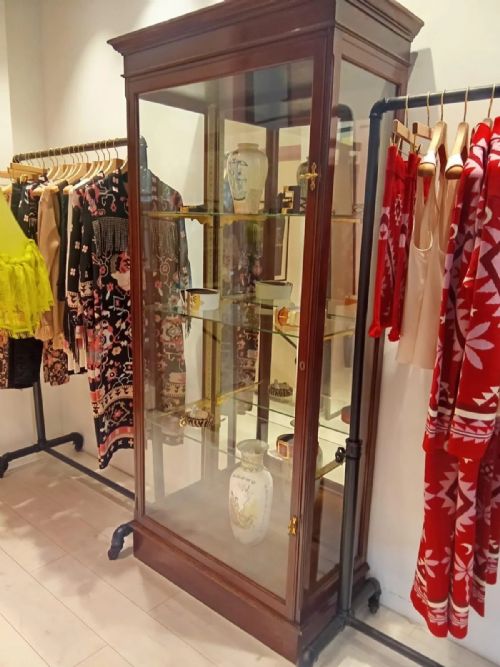
Makers utilised dense timbers including mahogany and oak alongside lighter hardwoods, constructing rigid frames to support extensive expanses of glass. Brass hardware, mirrored interiors, and velvet linings frequently complete the internal specification.
Glazing forms the primary surface area, requiring robust joinery and adjustable glass shelving to distribute weight safely across the cabinet interior.
Pencil cases and chocolate boxes required fine glass protection just as much as fine jewellery did.
Evaluating Construction and Design
Quality rests upon the sophistication of the joinery and the selection of timber, distinguishing standard commercial utility from bespoke shopfitting commissions. Superior pieces demonstrate refined moulding, high-grade mahogany or oak framing, and original hardware.
The integration of curved glass panels, such as bow ends, and intact mirrored backs elevates a piece beyond basic utility. Maker signatures from firms like F. Sage and Co. further separate standard joinery from premier commercial manufacture.
F. Sage and Co.·Siegel
The Edwardian Shop Showcase Glossary
- Vitrine
- A glass-fronted cabinet or showcase designed for displaying fine objects or merchandise. These units rely on clear glass panels to maximise visibility from multiple angles.
- Bijouterie table
- A glass-topped display table specifically constructed for small valuables, jewellery, and collectibles. They sit at counter height for intimate inspection.
- Bow end
- A curved glass configuration applied to the ends of display cabinets or counters. This technique softens the linear geometry of commercial furniture.
- Countertop display cabinet
- A smaller glazed showcase built to sit upon retail counters for point-of-sale merchandising. These often feature rear access doors for serving staff.
- Sign-written
- Painted commercial lettering applied to glass or timber surfaces for brand promotion. Examples frequently reference period confectionery and cocoa houses.
Edwardian Shop Showcase: Frequently Asked Questions
What were these cabinets used for?
Merchants utilised these glazed cases within Edwardian shops to display confectionery, tobacco, jewellery, and fine goods securely while maintaining maximum visibility for customers.
Interior shelving and countertop formats allowed shopkeepers to arrange stock attractively near the point of sale.
How do I fit a large showcase into a modern home?
Freestanding floor cabinets work effectively in dining rooms or living spaces as substantial display furniture for collections and glassware.
Smaller countertop models and table vitrines sit easily upon existing sideboards or desks to showcase smaller items.
How do I distinguish Edwardian pieces from Victorian ones?
Edwardian showcases tend to feature lighter timber tones and more restrained decorative carving compared to heavier Victorian walnut and mahogany framing.
Commercial manufacturing techniques also shifted toward standardised retail fittings as the twentieth century approached.
What is sign-writing on these cabinets?
Sign-writing represents original or later painted commercial branding applied to the glass or wood, advertising period goods such as chocolate and cocoa.
These painted inscriptions reflect the original retail environment where the display case operated.