



Edwardian Sheet Music Cupboard
An Edwardian sheet music cupboard is a compact piece designed to keep folios orderly, offering a refined domestic storage solution.
Edwardian Sheet Music Cupboard
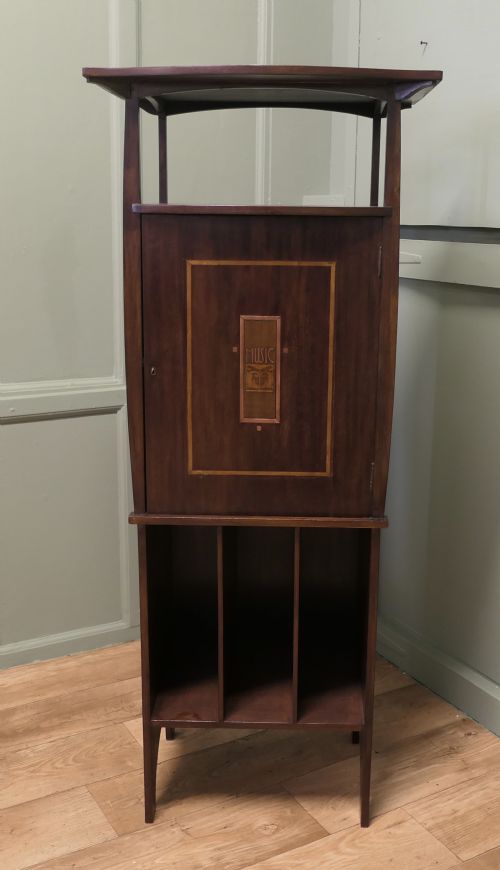
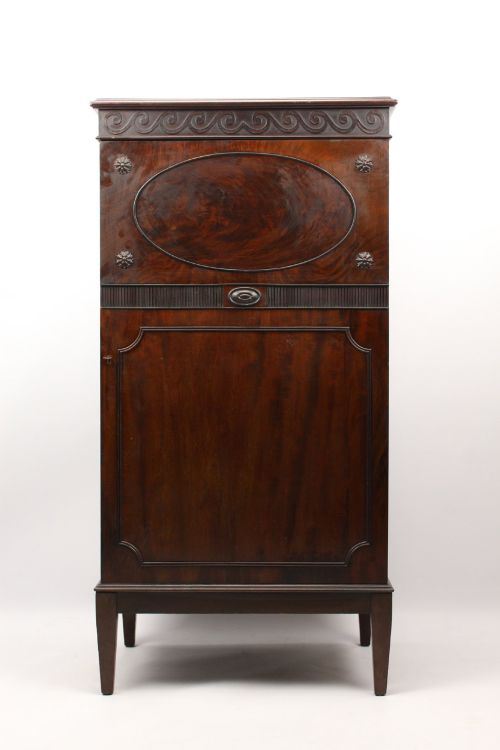
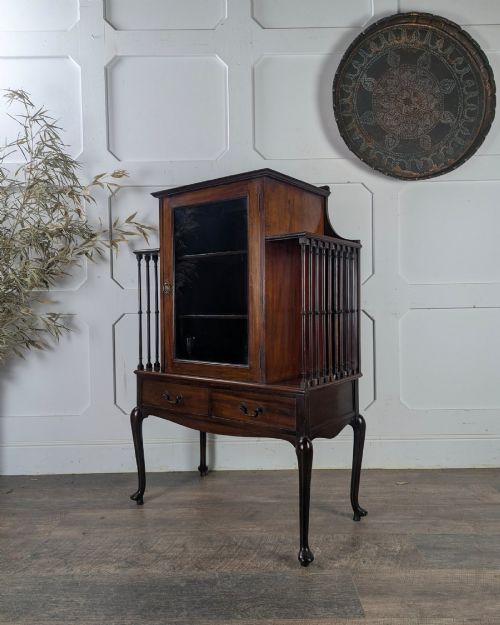
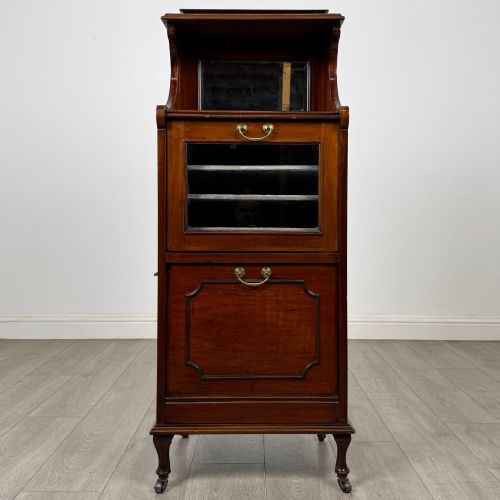
An edwardian sheet music cupboard is a specialised piece designed to store unbound scores and folios near the piano. The pieces seen on this page span the Edwardian period, Victorian era, and early twentieth century.
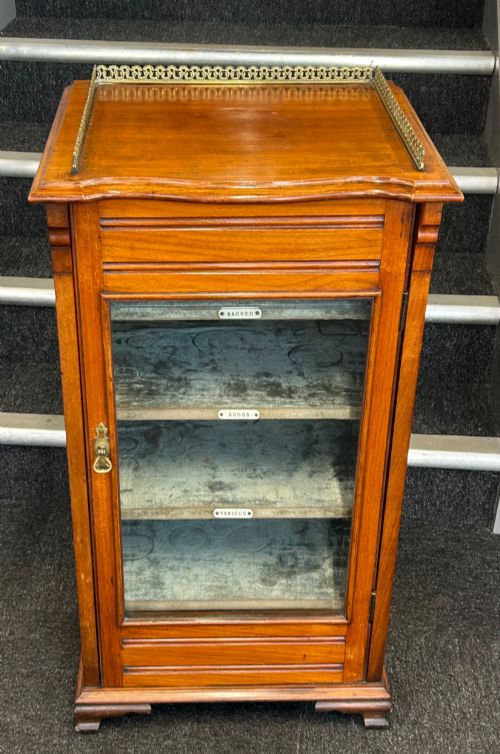
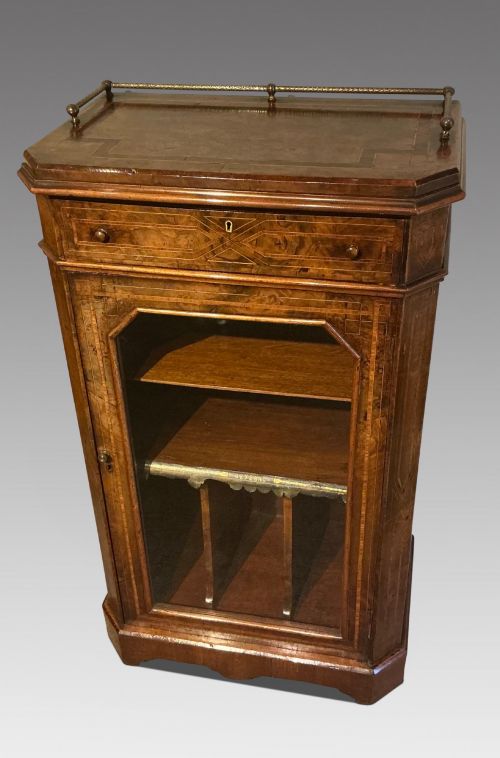
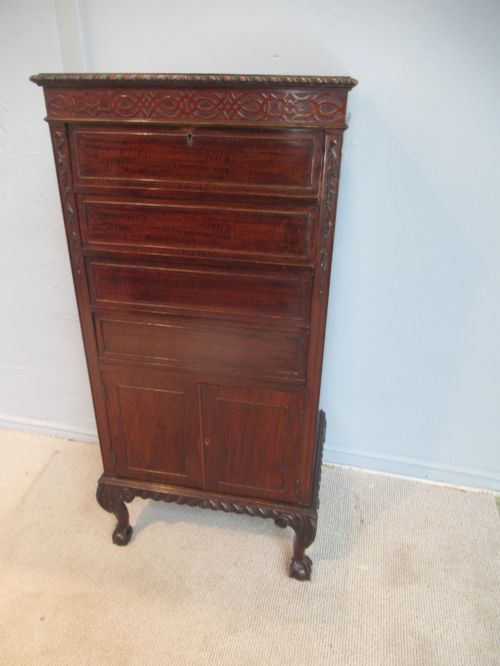
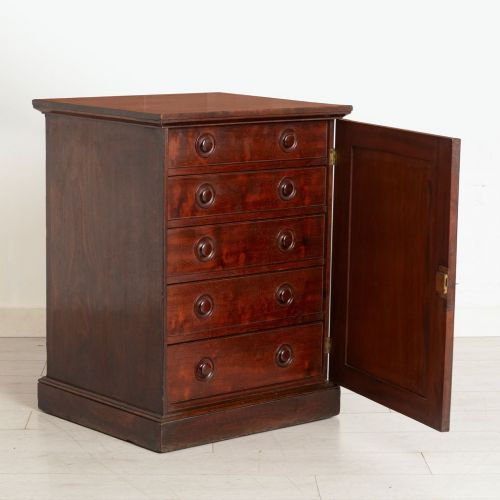
Most examples take the form of upright cabinets with multiple shallow drawers or a glazed single door. Alongside dedicated music cabinets, the selections include filing cabinets, bedside units, and display cases utilised for storage.
Origins range across English workshops, with distinct iterations in mahogany, walnut, and oak. These furniture items served the Edwardian parlor by keeping sheet music tidy and accessible for evening performances.
How they were made
Cabinetmakers constructed these pieces primarily in solid and veneered timbers such as mahogany, walnut, burr walnut, and rosewood. Marquetry inlay, brass handles, and glass doors frequently appear to elevate the facade.
Construction techniques focus on housing shallow internal drawers or shelves tailored to the precise dimensions of paper folios. Joinery relies on traditional methods suited to upright furniture, finished with polished wooden surfaces.
Musicians once kept extra piano rolls tucked behind the sheet music.
What varies in quality
Quality rests in the choice of timber and the execution of decorative details like marquetry inlay. Cabinets utilising burr walnut, rosewood, or finely figured mahogany sit at a different level from plain oak utility pieces.
The sophistication of the internal drawer configuration and the presence of signed maker details distinguish standard production from exceptional workshop output. Finer examples balance robust construction with delicate brass hardware and glazed display panels.
GM Elwood for JS Henry·Denby and Spinks·Keeble London
The Edwardian Sheet Music Cupboard Glossary
- Marquetry
- Decorative veneer patterns formed by fitting together small pieces of wood, shell, or other materials. This technique creates intricate floral or geometric designs on the cabinet door.
- Folio
- A loose sheet or gathering of printed music stored inside the cabinet drawers. These compartments kept paper scores flat and protected from creases.
- Burr walnut
- Wood taken from a tree growth featuring swirling grain patterns highly prized for cabinet fronts. It provides a rich decorative texture across the exterior surfaces.
- Pedestal cabinet
- A tall, narrow freestanding piece of furniture designed to occupy compact spaces in a room. Many music storage cabinets utilise this space-saving vertical format.
- Inlay
- Contrasting timber or brass embedded into the surface of the primary wood to form geometric lines or motifs. It defines the Edwardian aesthetic seen on mahogany and rosewood bodies.
Edwardian Sheet Music Cupboard: Frequently Asked Questions
How did people use an edwardian sheet music cupboard?
These cabinets stored sheet music and folios neatly beside the piano in the parlor.
Musicians accessed the shallow drawers to quickly find specific scores during evening gatherings.
What woods were used for an edwardian sheet music cupboard?
Makers utilised mahogany, walnut, burr walnut, oak, and rosewood for these storage pieces.
Inlay work and brass hardware frequently decorated the exterior surfaces of the timber.
How do I tell an Edwardian piece from a Victorian one?
Edwardian pieces often feature lighter mahogany with delicate marquetry inlay and cleaner architectural lines.
Victorian examples tend to utilise heavier dark walnut or rosewood with more robust proportions.
Can I use an edwardian sheet music cupboard for modern storage?
The shallow drawers suit papers, documents, or flat collectibles rather than bulky items.
Placed in a living room or study, they function well as compact side cabinets.