
Edwardian Server Table
Edwardian server table pieces bring practical elegance to dining spaces, offering refined timber construction and useful surface area for hosting.
Edwardian Server Table
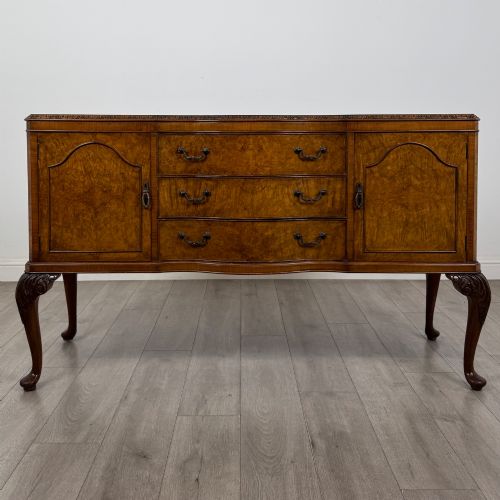
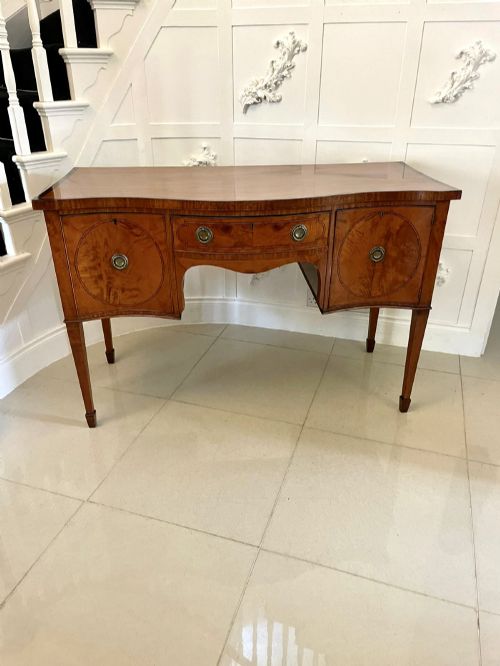
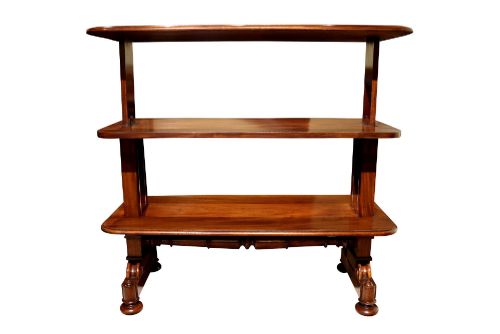
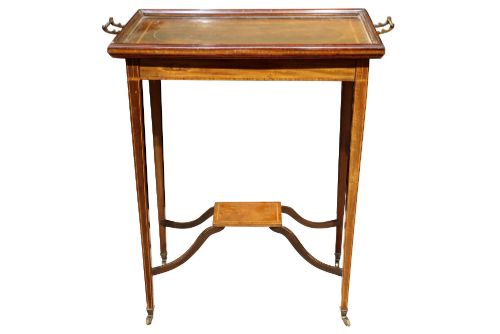
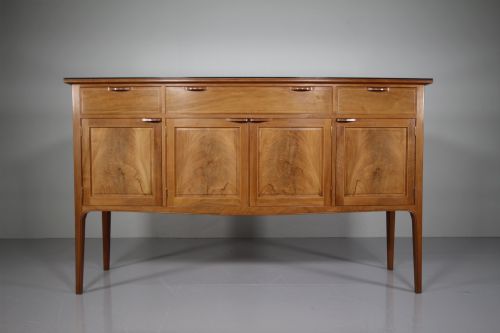
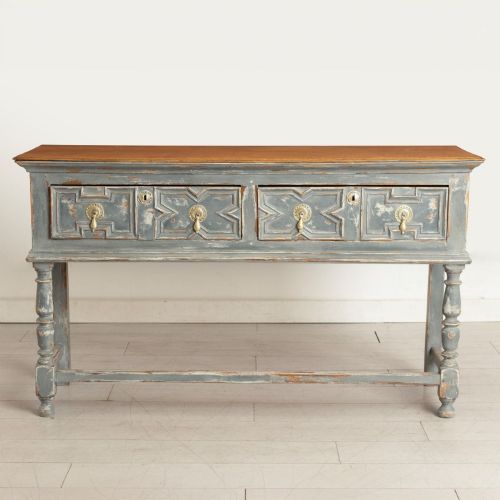
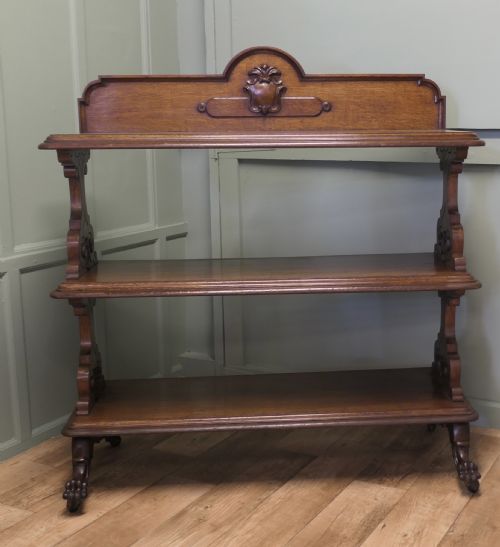
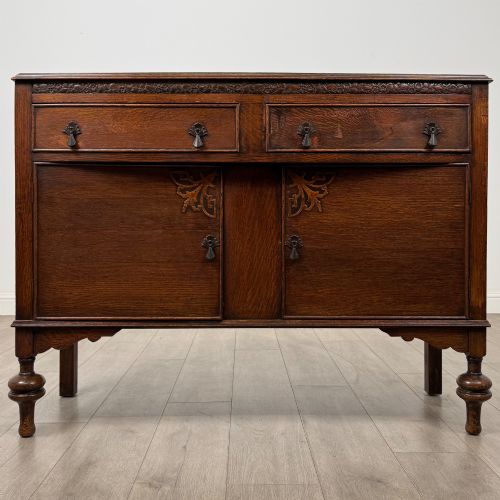
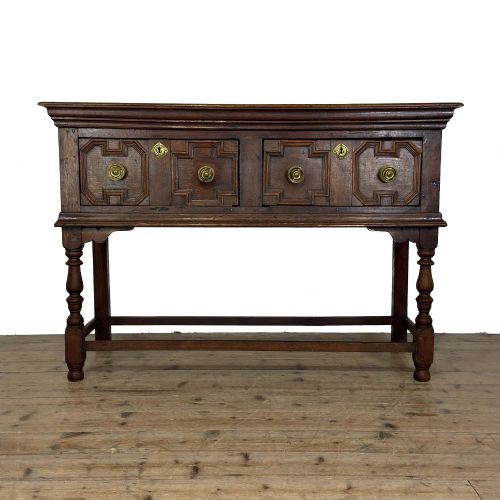
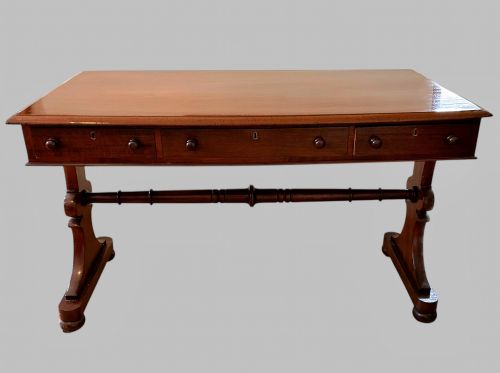
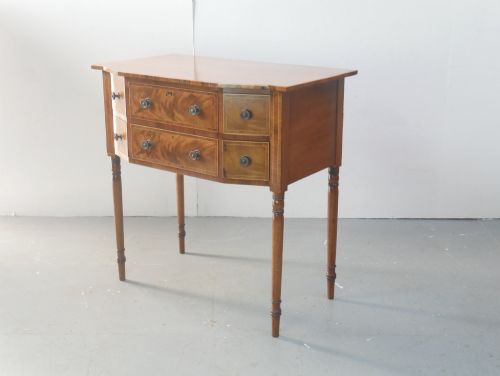
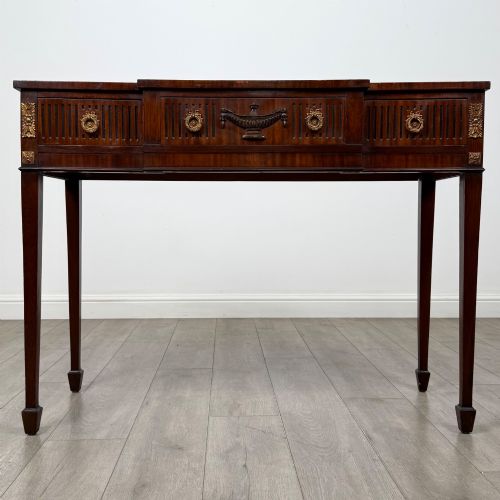
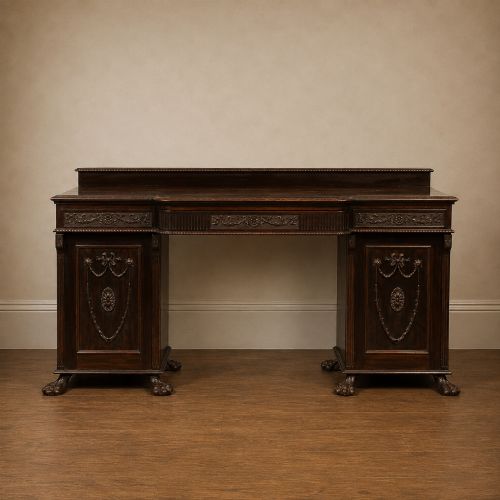
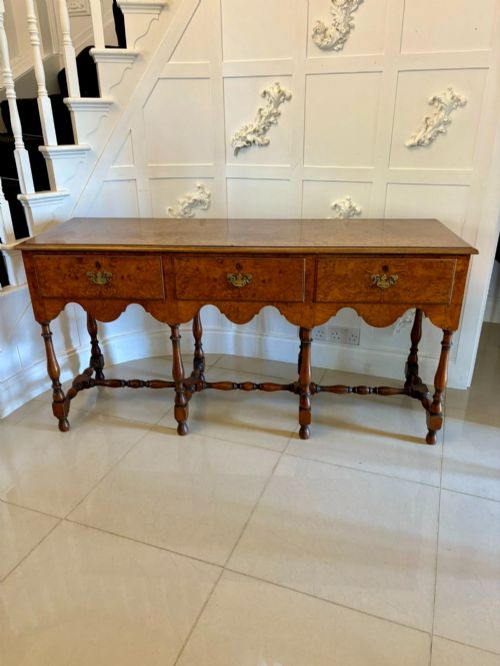
When searching for an edwardian server table, buyers encounter a variety of forms designed for dining and display, including sideboards, console tables, and dresser bases. The selection spans several periods such as Edwardian, Victorian, and the nineteenth century, reflecting diverse revivals from Jacobean to Sheraton styles. Mahoganies, oaks, and walnuts dominate the available forms, often showcasing inlaid details or carved motifs.
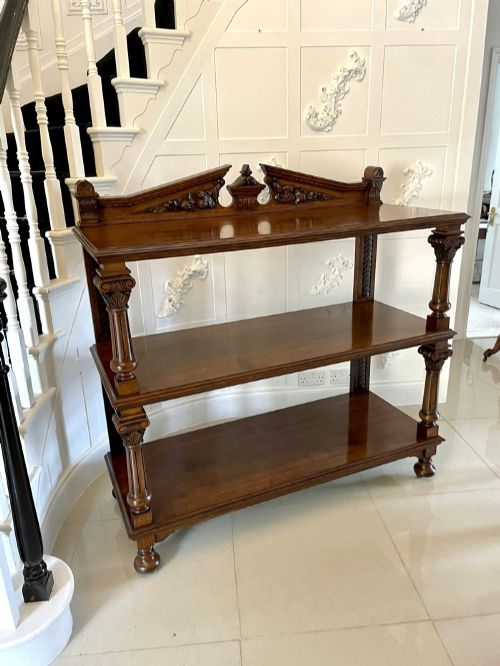
The most common incarnation on this page is the Edwardian mahogany or oak console and sideboard, frequently featuring bow fronts or crossbanded satinwood borders. These items bridge formal dining room storage and accessible hallway placement, embodying the domestic requirements of the early twentieth century. Alongside dedicated servers, related pieces like dumbwaiters and occasional tables appear to service similar entertaining needs.
Materials and construction methods
Makers utilised solid timbers and choice veneers, shaping mahogany, oak, and walnut into substantial dining room furniture. Burr walnut and flame mahogany panels provide distinct grain patterns, while satinwood crossbanding adds contrasting borders to top surfaces and drawer fronts. Carved detailing appears on heavier oak pieces, executed by hand to render Gothic or Jacobean Revival motifs.
Construction relies on traditional joinery techniques appropriate to the period, supporting heavy use in dining rooms and halls. Drawers typically feature hand-cut dovetails, and structural elements are reinforced to bear weight on sideboards and buffet tables. Brass hardware and occasional silver-plated fixtures complement the timber surfaces, finishing the functional design.
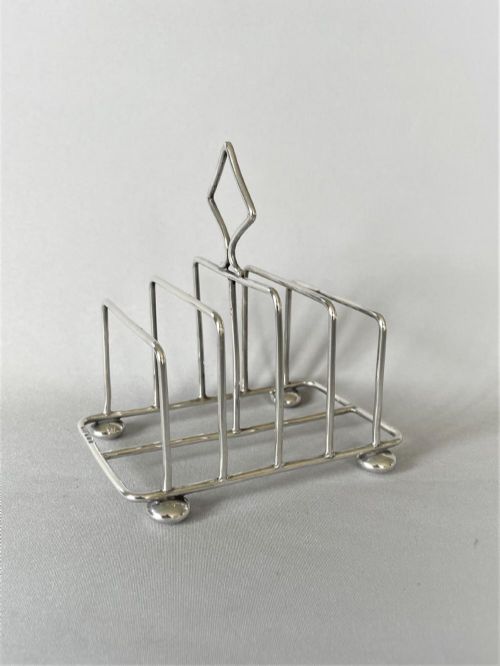
A silver toast rack rests quietly among the heavy oak servers, reminding everyone that even toast once required dedicated aristocratic architecture.
Evaluating craftsmanship and distinction
Quality in these serving pieces rests upon the selection of timber figures and the precision of decorative inlays. Superior examples display carefully matched flame mahogany or burr walnut veneers, paired with crisp satinwood crossbanding rather than printed substitutes. Carved elements on oak tables show depth and clean definition, distinguishing workshop output from mass-produced factory work.
Structural integrity and maker attribution further separate tiers of quality within the range. Stamped signatures from established firms indicate higher workshop standards and documented provenance. Well-balanced proportions, intact original hardware, and solid drawer construction without modern replacements denote a higher grade of surviving antique furniture.
Edward Barnsley·Beresford and Hicks·M D Miller and Sons
The Edwardian Server Table Glossary
- Crossbanding
- A strip of veneer applied to the border of a table top or drawer front with the grain running perpendicular to the central panel. This technique frames the primary wood and provides decorative contrast.
- Dumbwaiter
- A multi-tiered piece of furniture used for holding dishes and serving ware without domestic staff present. These tiered stands rotate or feature fixed shelves in mahogany or oak.
- Bow front
- A convex, outward-curving front section typical of sideboards and serving tables. This curved profile softens rigid rectangular room layouts.
- Dresser base
- A low wooden storage unit featuring drawers above lower cupboards or open shelves. These sturdy oak or walnut pieces served utilitarian storage functions in domestic interiors.
- Console table
- A narrow table designed to stand against a wall, frequently supported by decorative legs or brackets. They provide surface space in hallways and reception rooms without obstructing thoroughfares.
Edwardian Server Table: Frequently Asked Questions
What is an edwardian server table used for?
These tables provide supplementary surface space during meals for holding dishes, glassware, and serving trays. They function similarly to sideboards and console tables in dining rooms and entrance halls.
Beyond entertaining, their flat tops accommodate decorative lamps, silver items, and everyday household objects. Lower drawers store linens and cutlery close to hand.
How do I distinguish Edwardian from Victorian tables?
Edwardian tables generally display lighter proportions, brighter mahogany finishes, and subtle inlays influenced by Sheraton or Adam revivals. They lean towards refined elegance and simpler geometric lines.
Victorian pieces tend to be heavier, constructed from darker oak or burr walnut with deeper carving and more elaborate ornamentation. Gothic and Jacobean revivals dominate the earlier nineteenth-century output.
Where should I place a console table?
Console tables fit neatly against walls in narrow spaces like hallways, corridors, and entrance foyers where depth is restricted. Their shallow profiles keep walkways clear while offering a functional surface.
They also serve well in living rooms and dining areas positioned beneath mirrors or artwork. Placing one behind a sofa creates a balanced layout for lamps and books.
Are these tables made of solid wood?
Construction varies between solid timbers and veneered surfaces applied over secondary woods. Oak and mahogany frequently appear as solid construction on structural frames and carved elements.
Finer grain patterns on drawer fronts and table tops utilise veneers such as burr walnut or flame mahogany over stable core boards. This technique prevents warping while displaying decorative wood figures.