

Edwardian Secretary Cabinet
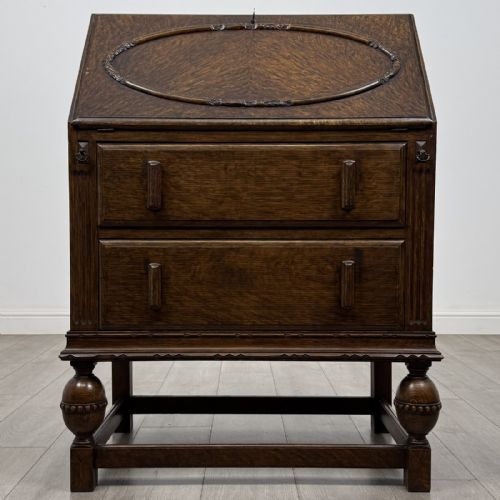
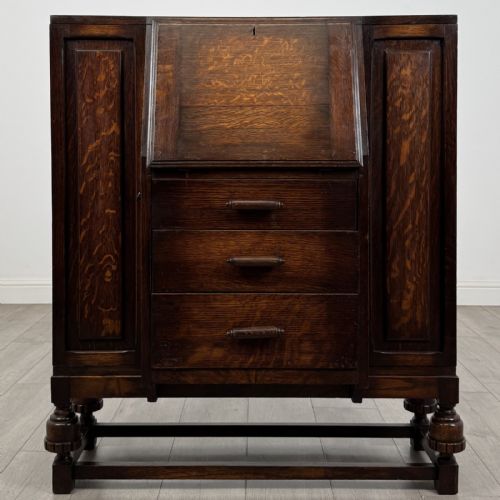
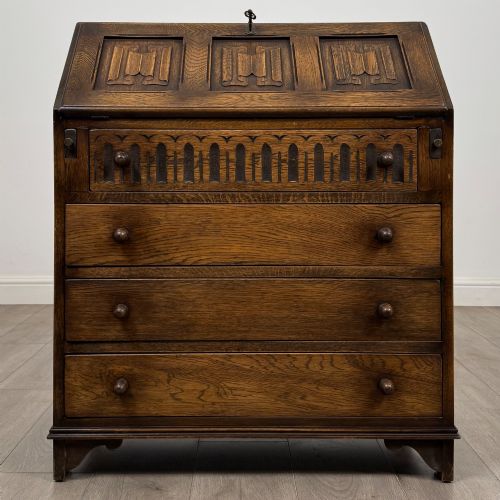
An edwardian secretary cabinet combines a practical writing desk with a shelved bookcase, offering a compact workspace for your home.
Edwardian Secretary Cabinet
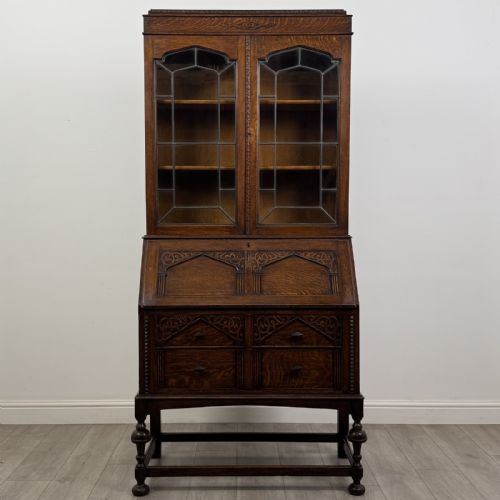
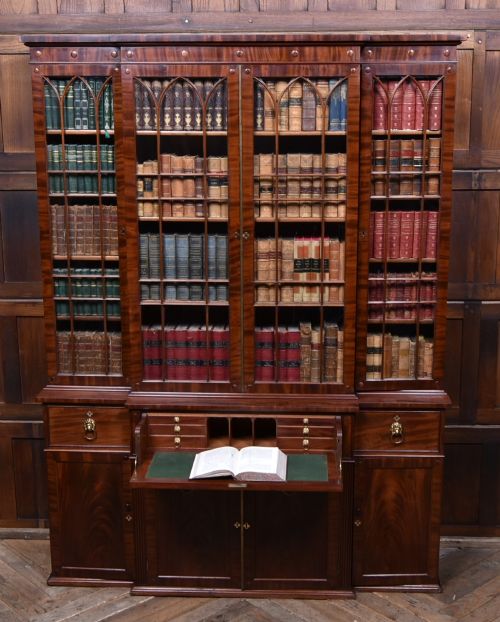
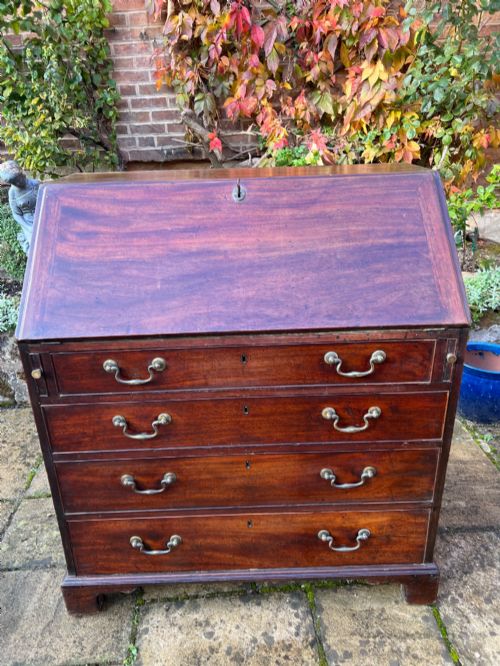
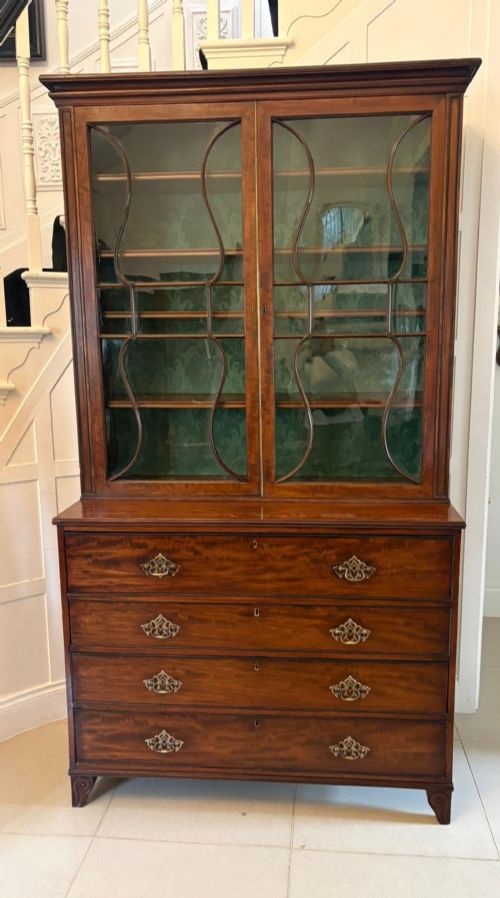
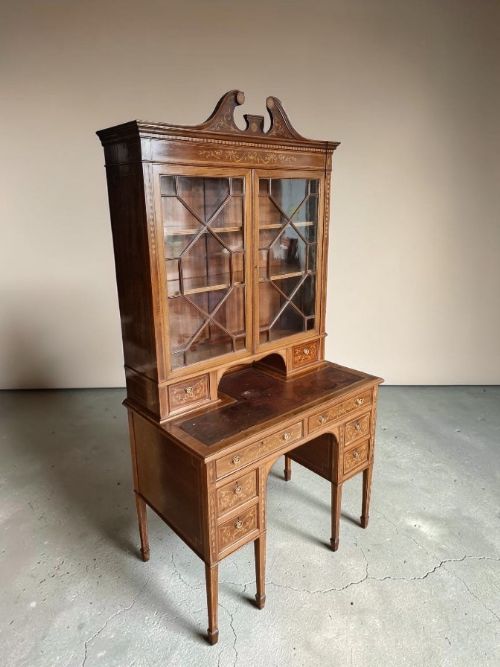
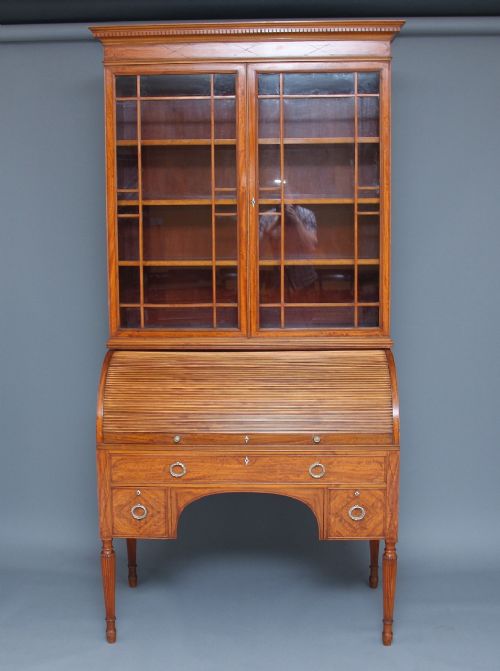
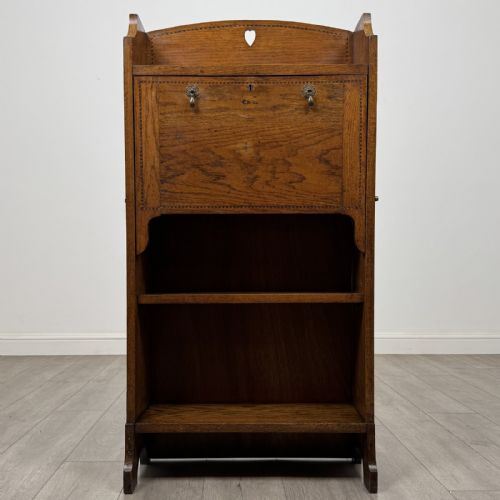
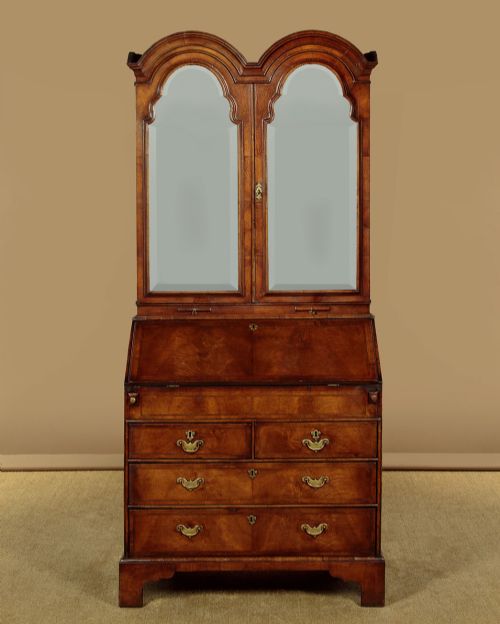
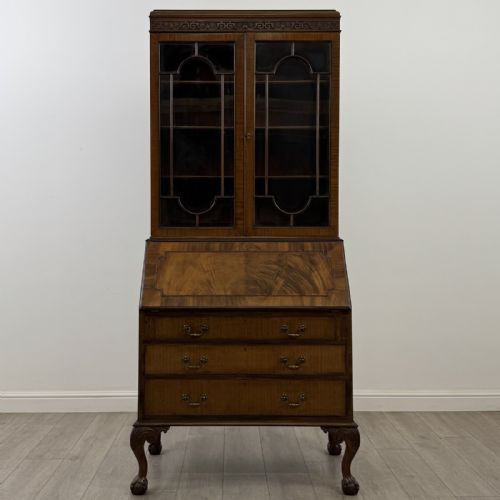
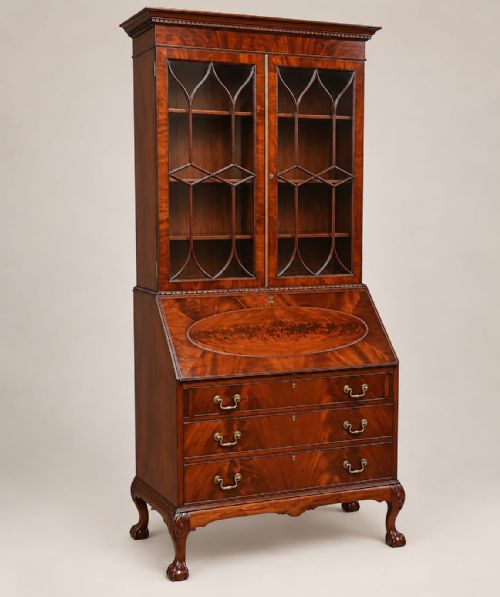
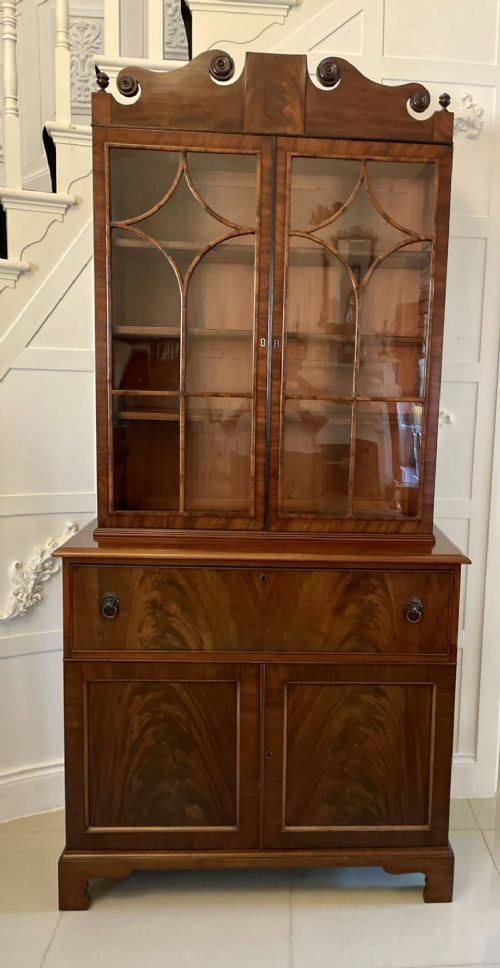
An edwardian secretary cabinet is primarily found in forms such as bureau bookcases, secretaire bookcases, and writing desks originating from the Edwardian period and the early twentieth century. These hybrid furniture pieces combine a lower writing compartment with an upper glazed or open bookcase, designed to serve multiple domestic functions in a single footprint.
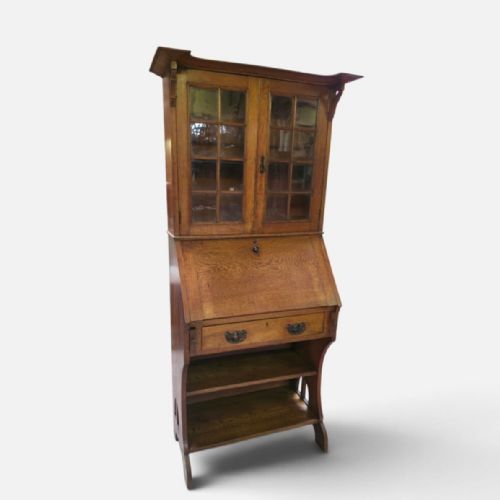
The version most commonly met on this page is the Edwardian oak or mahogany bureau bookcase, often featuring fitted interior pigeonholes and glazed upper cabinet doors. Alongside these, examples stretch back into earlier periods, including Georgian and Victorian interpretations, as well as Arts and Crafts variations in golden oak.
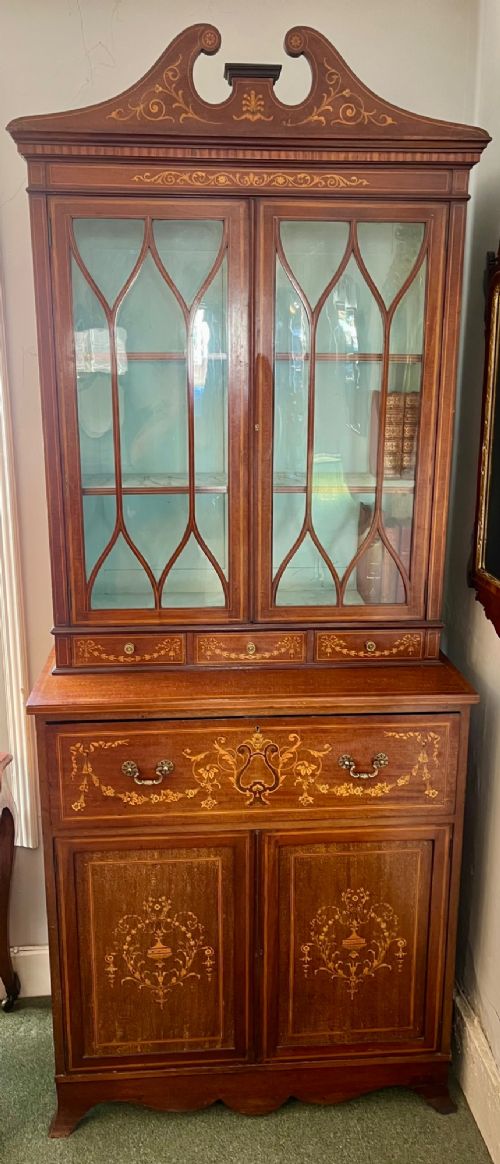
Makers and workshops of the era utilised traditional cabinet-making methods, producing pieces that range from straightforward utility desks to more decorative display cabinets with inlay work. Buyers seeking this phrase encounter a rich variety of woods and regional styles that reflect both Edwardian utility and earlier revivals.
Materials and Technique
Cabinet-makers constructed these pieces using solid timbers and decorative veneers such as mahogany, oak, walnut, and satinwood, frequently enhanced with contrasting stringing or marquetry inlay. Brass hardware, lead-light or clear glass panes, and occasionally burr walnut surfaces added refined detail to the primary carcase construction.
The structural joinery relied on traditional techniques to support the heavy weight of books and the stress of a drop-down writing flap or sliding desk drawer. Upper shelving units were integrated securely onto lower chests or bureau bases, utilising dovetail joints for drawers and panelled construction for doors.
Edwardian Secretary Cabinet Retail Price Guide 2026
Typical asking prices for edwardian secretary cabinet among the pieces listed under this phrase on Sellingantiques today, from the lower quarter to the upper quarter. They describe what is for sale here now, not the wider market.
Materials recorded across the inventory include lead, glass, and brass alongside solid timbers like walnut and satinwood.
The Measure of Quality
Quality in these pieces is determined by the selection of timber figures, the precision of the cabinet joinery, and the sophistication of decorative details such as satinwood inlay or hand-carved mouldings. Superior examples demonstrate careful matching of wood grain across drawer fronts and fall-front desks, along with robust internal fittings like pigeonholes and small drawers.
Tudor and Burrey Shrewsbury·Gillows·Edwards and Roberts
The Edwardian Secretary Cabinet Glossary
- Secretaire
- A piece of furniture containing a drawer or compartment that folds down to form a writing surface. This term often appears interchangeably with bureau in period listings.
- Bureau bookcase
- A combination unit featuring a sloping writing flap over drawers, topped by a glazed or panelled bookcase. It provides both workspace and library storage.
- Bonheur du jour
- A light lady's writing desk originating in the eighteenth century, featuring a small cabinet or set of drawers on top of the writing surface. Edwardian makers frequently revived this dainty form in satinwood and mahogany.
- Marquetry
- The art of applying pieces of veneer to a structure to form decorative patterns and pictures. It appears on finer Edwardian and earlier cabinets to enrich flat wooden surfaces.
Edwardian Secretary Cabinet: Frequently Asked Questions
What is an edwardian secretary cabinet?
An edwardian secretary cabinet is a dual-purpose piece of furniture that combines a lower writing desk with an upper bookcase. The design typically incorporates a fall-front flap or sliding drawer for writing above set drawers, surmounted by glass-fronted shelves.
These pieces were created to serve both study and storage needs in Edwardian homes, reflecting a practical approach to interior furnishing. They bridge the gap between heavy Victorian cabinetry and lighter twentieth-century domestic styles.
How do I use one today?
These cabinets function effectively as compact home workstations, allowing you to close away laptops and paperwork behind the fall-front desk. The upper shelves provide display and storage space for books, ceramics, or decorative objects.
Placing the cabinet in a study, living room, or hallway makes the most of its vertical storage while maintaining a traditional focal point in the room.
How do I tell Edwardian from Victorian?
Edwardian pieces generally exhibit lighter timbers, simpler lines, and more restrained decorative elements compared to heavier, darker Victorian furniture. The use of satinwood inlay and golden oak becomes more prominent around the turn of the twentieth century.
Victorian examples often lean towards deep, dark mahogany or heavily carved burr walnut with more imposing proportions and robust architectural mouldings.
What woods were commonly used?
Mahogany and oak remain the most frequently encountered timbers in these listings, reflecting the dominant material choices of the period. Oak appears in both standard and golden finishes, sometimes associated with Arts and Crafts designs.
Finer examples incorporate exotic veneers such as satinwood and burr walnut, frequently accented with brass hardware and glass doors to lighten the overall appearance.