
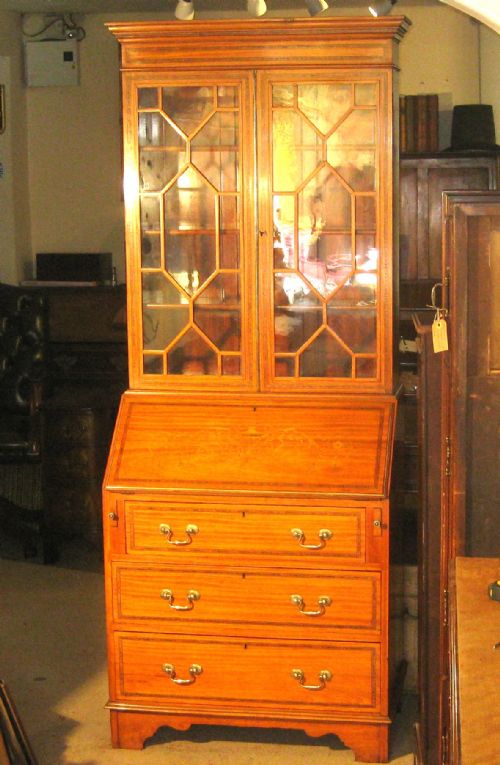
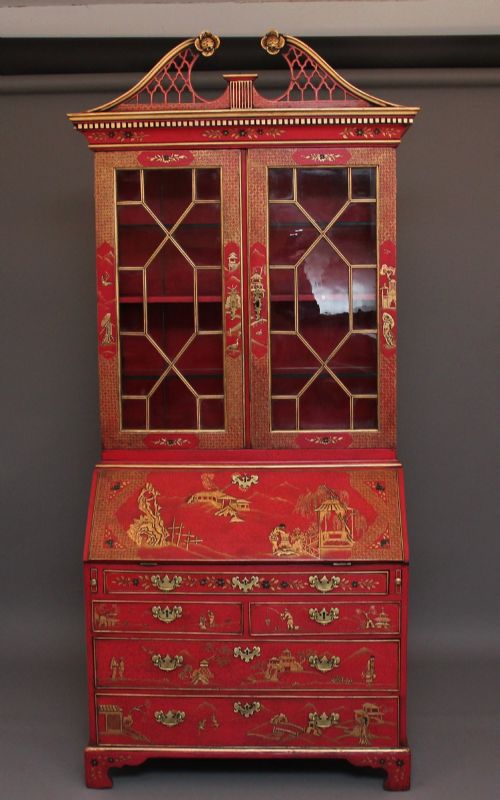
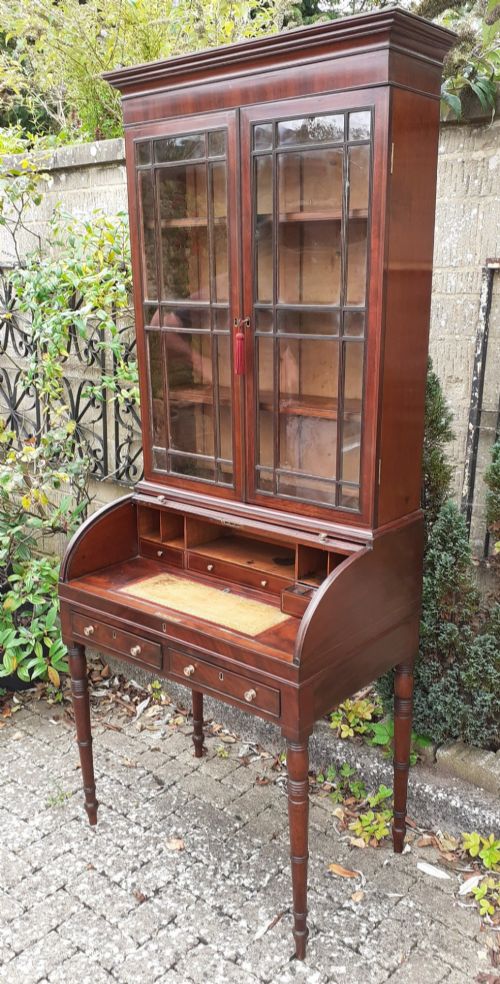


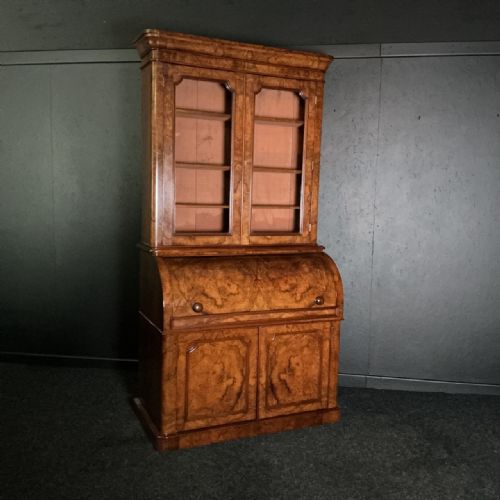


Edwardian Secretary Bookcase
An edwardian secretary bookcase combines a fitted writing drawer with glazed shelving above, offering practical storage and a handsome focal point for a study.
Edwardian Secretary Bookcase
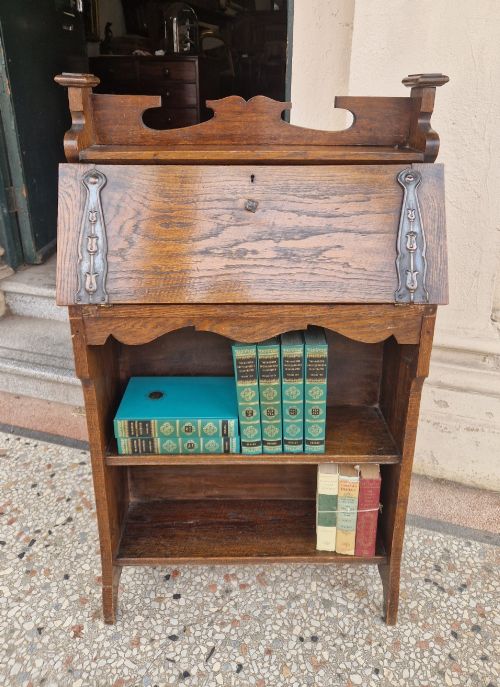
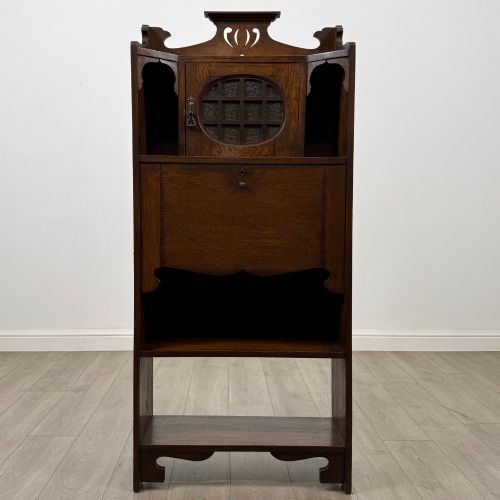
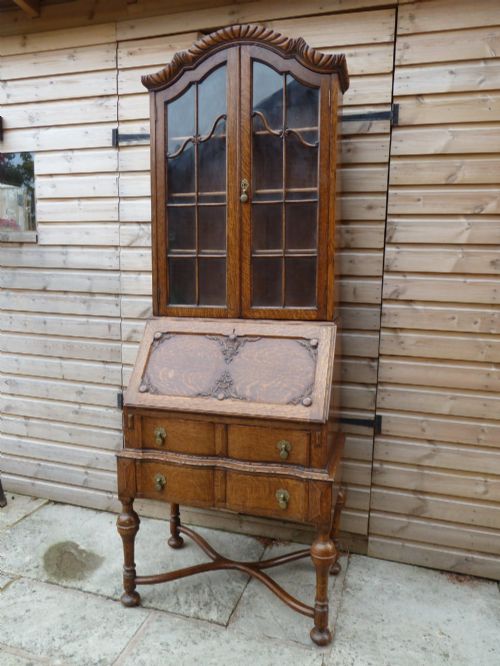
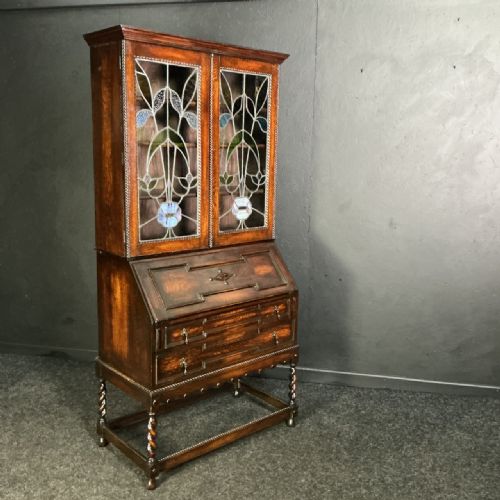
An edwardian secretary bookcase is a versatile hybrid furniture form uniting a display cabinet with a drop-front writing desk or pull-out drawer. The pieces encountered on this page span the early twentieth century alongside related nineteenth-century examples and earlier Georgian prototypes.
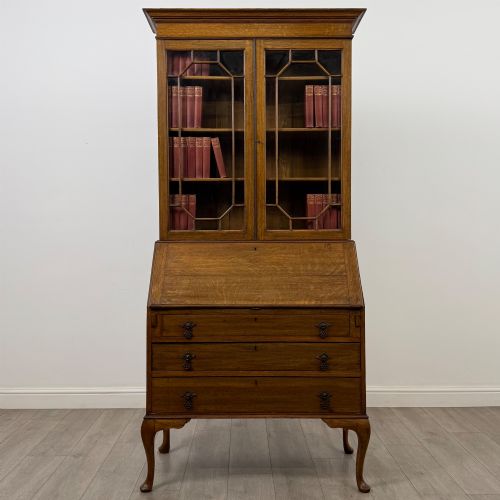
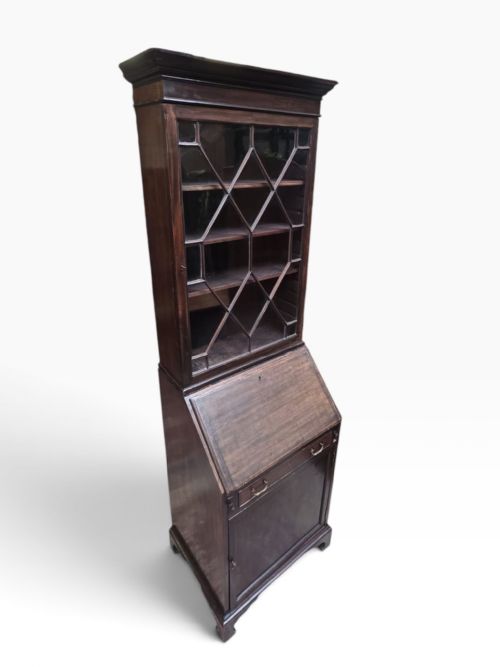
Most variations divide into an upper glazed shelving section and a lower chest base housing drawers or cupboards. The fitted interior typically contains small pigeonholes and stationery drawers concealed behind the drop-down writing surface.
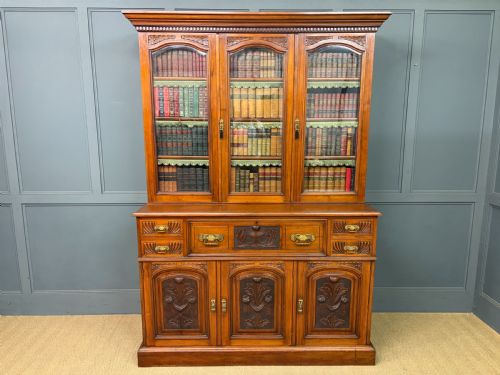
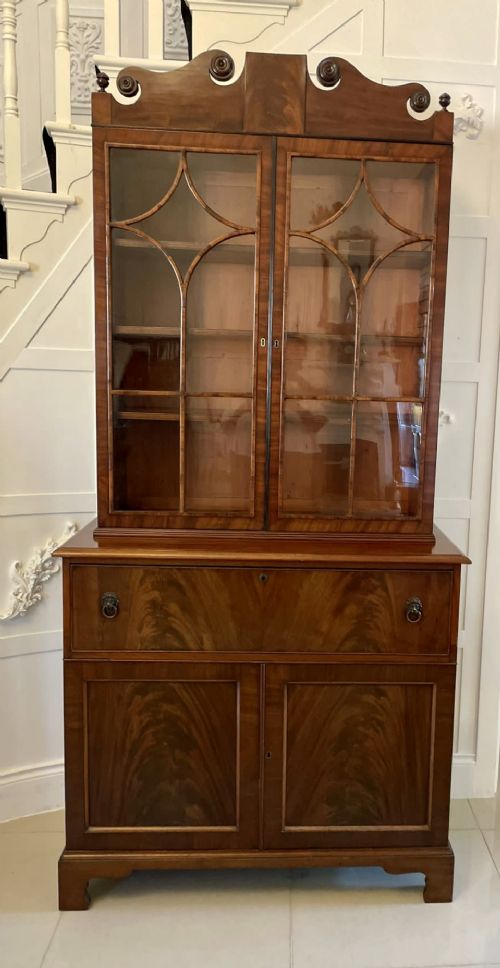
Makers of the period drew heavily on earlier historical design vocabulary, resulting in revival pieces that lean towards Sheraton proportions or heavier Arts and Crafts oak construction. Surviving formats range from compact satinwood cabinets to substantial breakfront structures.
Judging Quality and Execution
The distinction between standard commercial output and superior craftsmanship rests in the selection of timber and the precision of the veneer work. Subtle execution of satinwood inlay and crispness in carved mouldings elevate a piece far above utilitarian workshop production.
Internal engineering also dictates overall merit, particularly the smooth action of the fall-front writing desk and the tidy integration of secret compartments or pigeonholes. Original glass panels, sound brass hardware, and well-fitted drawer linings preserve the structural integrity and historical value.
The furniture styles range from Arts and Crafts and Sheraton Revival to Georgian and Regency designs.
Tudor & Burrey·Gillows·Lamb & Co·Harris Lebus·Liberty & Co
The Edwardian Secretary Bookcase Glossary
- Secretaire
- A desk or writing cabinet featuring a pull-out drawer with a hinged front that drops to form a writing surface. This mechanism conceals a nest of small drawers and pigeonholes.
- Astragal
- A moulding profile used to divide panes of glass within a cabinet door. These narrow wooden strips form geometric patterns across the upper bookcase section.
- Marquetry
- Decorative veneer work formed by fitting pieces of different woods, metals, or shells into a design. It frequently appears on satinwood surfaces of the period.
- Breakfront
- A piece of furniture whose central section projects forward from the flanking wings. This architectural arrangement adds visual depth to larger bookcase cabinets.
- Cylinder desk
- A writing desk featuring a quarter-cylinder rolling wooden shutter that conceals the desk interior. When pushed back, it reveals the writing slide and internal fittings.
Edwardian Secretary Bookcase: Frequently Asked Questions
What is an edwardian secretary bookcase?
An edwardian secretary bookcase is a tall combination piece uniting a glazed upper display cabinet with a lower chest containing a fold-down writing desk.
These pieces served as dual-purpose furniture for the home, providing both enclosed shelving for books and a dedicated writing surface with internal compartments for stationery.
How do you use a secretary desk?
The writing surface is typically deployed by lowering a hinged front panel or pulling out a dedicated drawer fitted with a folding flap.
Once opened, the writing platform reveals small pigeonholes, tiny drawers, and slots for letters, keeping writing materials neatly organised and out of sight when closed.
How do I identify an Edwardian piece?
Edwardian furniture often borrows lighter proportions from eighteenth-century Sheraton and Georgian styles while utilising machine-sawn timbers and specific veneer treatments.
Many examples feature satinwood inlay, delicate stringing, and lighter woods like mahogany or oak, reflecting the decorative tastes prevalent around nineteen hundred.
Where should I place a bookcase?
These tall combination cabinets require stable wall space away from direct heat sources and strong sunlight to protect vulnerable wood veneers and antique glass.
Because they combine storage and workspace, they function well in studies, libraries, or spacious reception rooms where both books and writing facilities are useful.