







Edwardian Satinwood Coffee Tables
Edwardian satinwood coffee tables combine pale timbers with neoclassical revival elegance, offering functional surfaces that anchor a room.
Edwardian Satinwood Coffee Tables
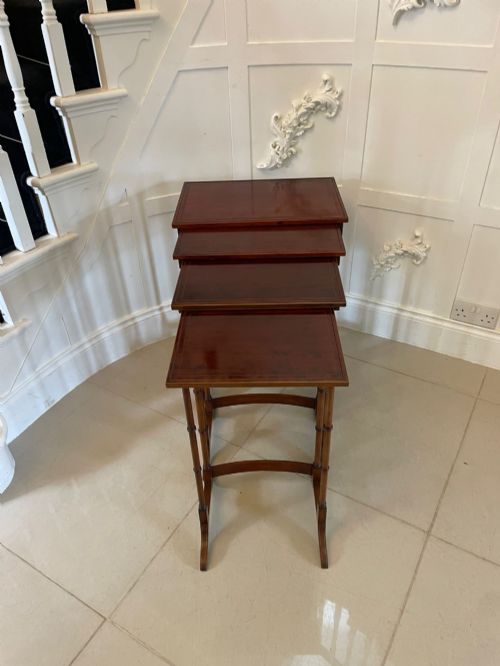
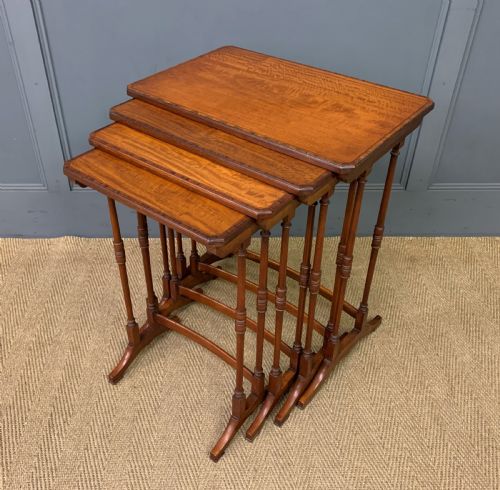
When you search for Edwardian satinwood coffee tables, you encounter pieces spanning from the late nineteenth century through to the Edwardian period and the nineteen-twenties. These items frequently appear as nests of tables or occasional tables rather than standard low coffee tables of modern proportions.
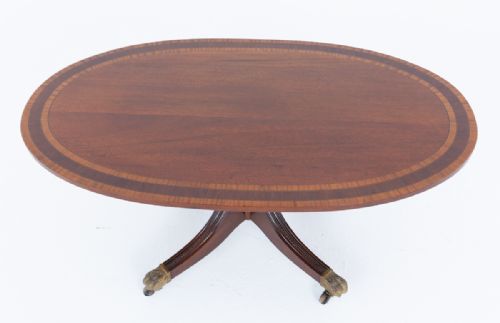
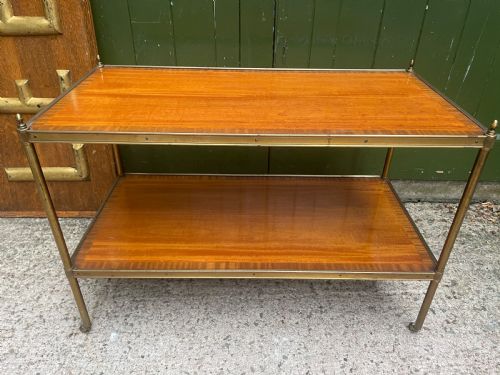
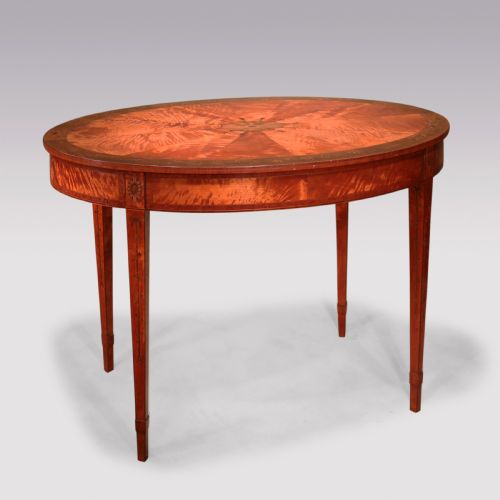
The forms encompass nests of four tables, oval occasional tables, kidney-shaped tables, and two-tier etageres. Makers of the period often adapted traditional Sheraton revival designs to suit contemporary drawing rooms.
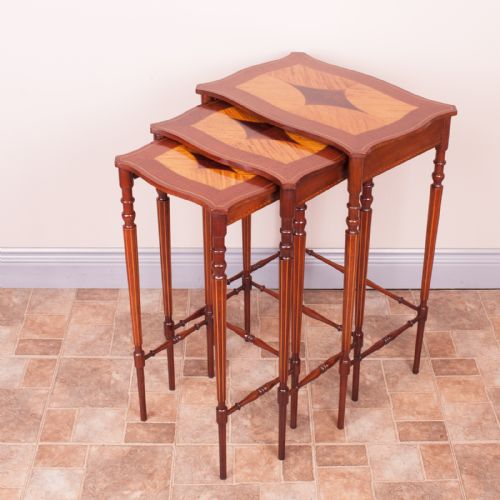
Satinwood surfaces frequently feature contrasting inlay work using mahogany, boxwood, and rosewood. The pieces present a light, polished aesthetic suited to formal or reception spaces.
Materials and Construction
Cabinet makers utilised satinwood and mahogany as primary timbers, often combining them within a single piece for contrast. Boxwood and rosewood inlay added geometric or floral detail to tabletops and borders.
Brass fittings appeared on specific low etagere designs, while marquetry techniques decorated select tray tops and occasional tables. Joinery relied on traditional methods to support stacking nests and tiered frameworks.
Object forms range from nesting quartetto sets and oval occasional tables to two-tier etageres and dropleaf coffee tables.
Assessing Quality and Craftsmanship
Quality rests in the crispness of the boxwood inlay and the figuring of the satinwood veneer. Superior examples display precise marquetry and stable joints across multi-tier structures and nesting sets.
Maker attribution elevates certain pieces, particularly those bearing documented stamps from prominent London workshops. Lesser examples rely on simpler mahogany frames with minimal satinwood banding rather than full timber construction.
Edwards and Roberts
The Edwardian Satinwood Coffee Tables Glossary
- Satinwood
- A hard, yellow-toned timber prized for its lustrous grain and smooth finish. It serves as a primary surface veneer or decorative panel on eighteenth and nineteenth-century furniture.
- Quartetto
- A set of four stacking tables designed to nest together when not in use. They became particularly popular during the Sheraton revival period.
- Sheraton Revival
- A late nineteenth and early twentieth-century design movement inspired by the neoclassical furniture of George Sheraton. It is characterised by slender tapered legs, satinwood veneers, and delicate inlay.
- Marquetry
- The art of applying pieces of veneer to a structure to form decorative patterns and pictures. Craftsmen use varied timbers to achieve tonal contrast.
- Etagere
- A set of open shelves or tiers used for displaying small objects or serving. Low variants function alongside seating in reception rooms.
Edwardian Satinwood Coffee Tables: Frequently Asked Questions
What is a quartetto nest?
A quartetto nest consists of four graduated tables designed to slide neatly beneath one another. This clever space-saving arrangement allowed Victorian and Edwardian households to expand surface area only when entertaining guests.
The smallest table sits securely inside the next, maintaining a compact footprint when stored. Such sets frequently utilise satinwood tops and inlaid mahogany frames.
How do I identify Sheraton revival pieces?
Sheraton revival furniture draws on eighteenth-century neoclassical motifs, featuring symmetrical designs and slender tapered legs. Look for delicate boxwood and satinwood stringing along the edges of tabletops.
These pieces were produced in large numbers during the late nineteenth and early twentieth centuries. They emulate the lightness and grace of earlier Georgian cabinet work.
Where were these tables used?
These tables served primarily in drawing rooms and parlours as convenient surfaces for tea, reading materials, or decorative lamps. Occasional and centre tables anchored seating areas, while nests were deployed around the room as needed.
Their lightweight construction made them easy to reposition according to daily social requirements. The polished timber surfaces reflected candlelight and gas lighting effectively.
How should I care for satinwood?
Satinwood requires gentle dusting with a dry, soft cloth to maintain its natural lustre. Avoid placing these pieces in direct sunlight or near heat sources to prevent the veneer from drying or cracking.
Occasional application of appropriate furniture wax helps protect the polished surface. Moisture should be wiped away immediately to prevent staining the timber.
Are these tables original Edwardian?
The pieces span the Victorian, Edwardian, and early twentieth-century periods, reflecting ongoing stylistic revivals. Construction methods, timber choices, and wear patterns help confirm the age of each item.
Makers often combined historical forms with contemporary manufacturing techniques during the nineteen-hundreds. Examining the underside and joinery reveals how the piece was constructed.