



Edwardian Royal Doulton Vases
Edwardian Royal Doulton vases bring tangible ceramic artistry into a room, offering distinctive forms and rich glazes from the turn of the twentieth century.
Edwardian Royal Doulton Vases
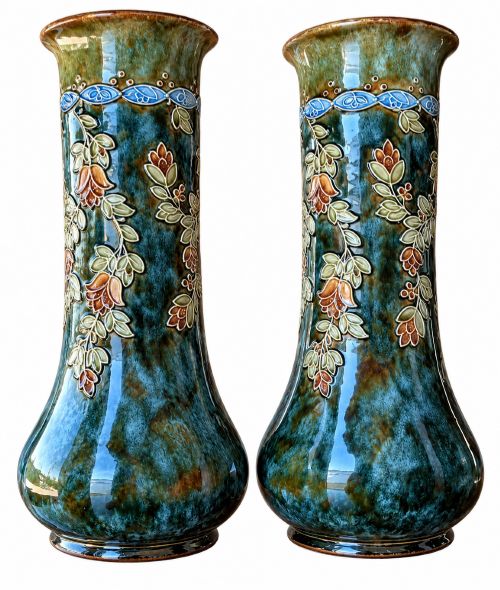
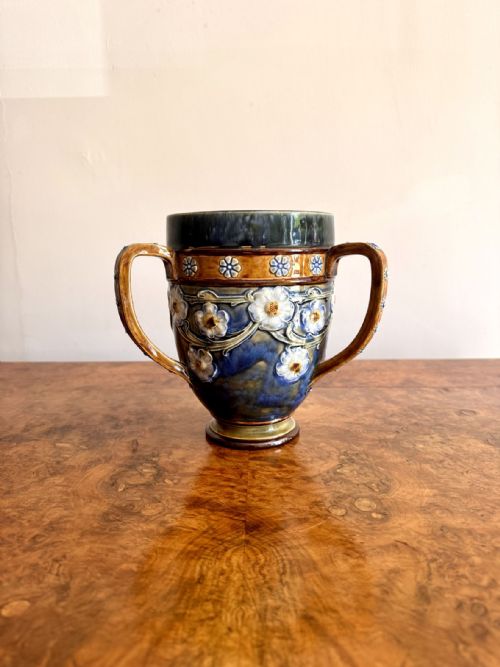
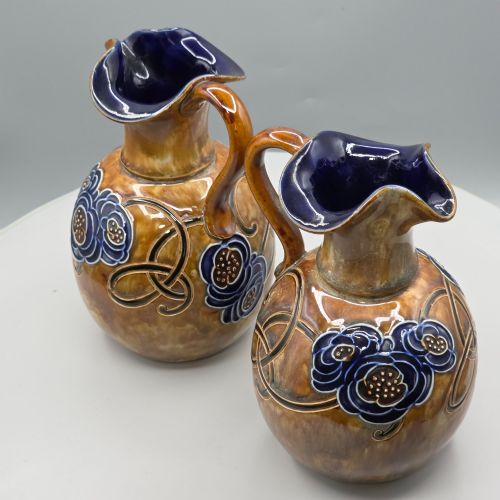
When you search for edwardian royal doulton vases, you encounter decorative ceramic vessels originating from late nineteenth-century production up through the nineteen-twenties. The selection here leans heavily towards baluster vases, jugs, and planters produced during the Edwardian era and surrounding decades.
Pieces span distinct aesthetic movements, including Art Nouveau, Arts and Crafts, and Victorian decorative styles. You will find both matched pairs and individual statement pieces, originating primarily from the Lambeth studios where artist-decorators signed their work.
How they were made
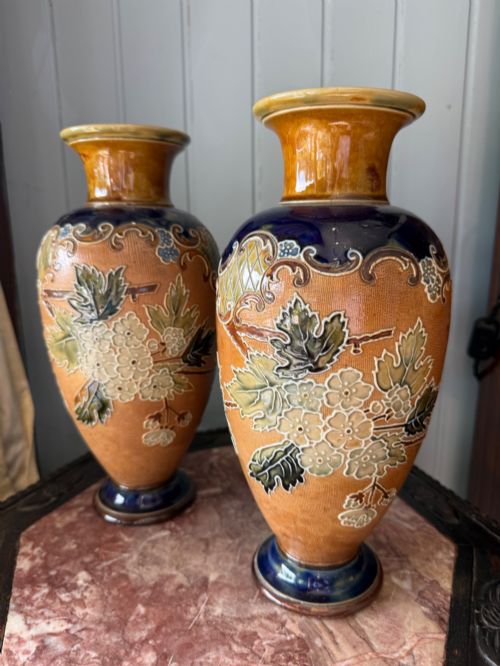
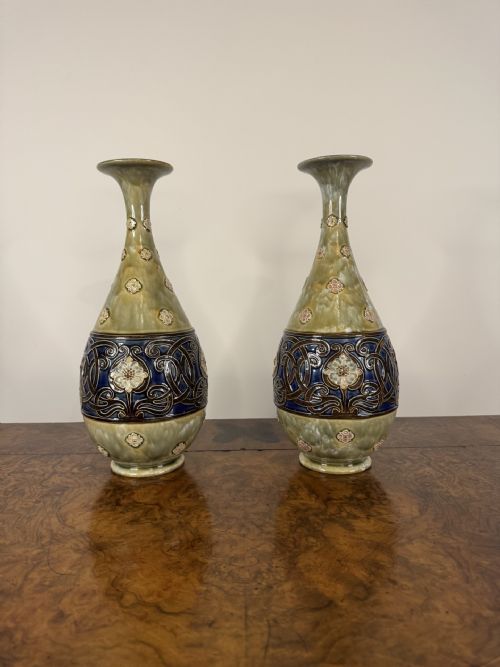
Potters utilised stoneware and earthenware bodies, shaping them into robust vessels suited for intricate surface manipulation. The tactile quality relies on textured glazes and specialised techniques like Slater's patent application.
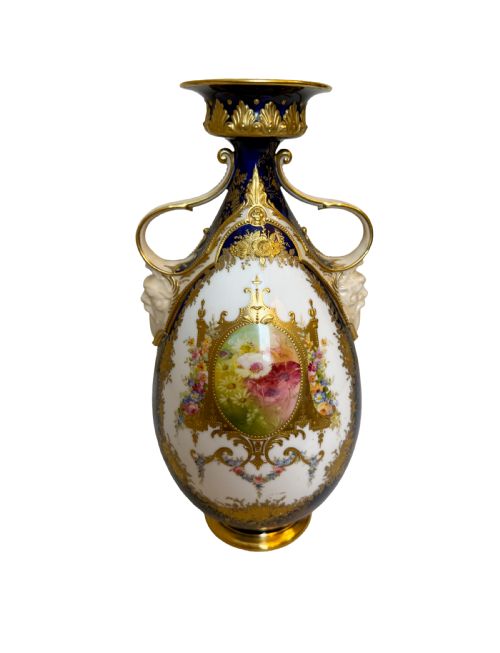
Decoration often involved hand-painted details, enamel floral decor, and flowing organic motifs executed by skilled studio artists. The combination of salt-glazed stoneware surfaces with vibrant enamel accents creates the characteristic depth of these objects.
Edwardian Royal Doulton Vases Retail Price Guide 2026
Typical asking prices for edwardian royal doulton vases among the pieces listed under this phrase on Sellingantiques today, from the lower quarter to the upper quarter. They describe what is for sale here now, not the wider market.
Fishermen cast their nets across trophy planters while royal castles appear on miniature canvases.
What varies in quality
The distinction between standard production items and superior pieces rests on the involvement of named artists and studio decorators. Vases bearing specific signatures or attributed painting show a higher degree of artistic ambition in their execution.
Form, scale, and the complexity of the glaze or enamel work separate ordinary vessels from exceptional examples. A confident handling of Art Nouveau motifs or detailed landscape painting elevates the piece considerably.
Louisa Wakely·John H Plant·Ethel Beard·R Allen·Charles Noke
The Edwardian Royal Doulton Vases Glossary
- Stoneware
- A robust, vitrified ceramic pottery fired at high temperatures to achieve a dense, impermeable body. This material forms the durable base for many Lambeth studio pieces.
- Baluster
- A tall vase form with a rounded lower body that tapers upward toward a narrow neck. This shape provides a balanced canvas for organic botanical patterns.
- Slater's Patent
- A decorative technique utilising lace or textured fabrics pressed into the damp clay body to create intricate patterned backgrounds. Enamel and gilt highlights are frequently added over this textured surface.
- Enamel
- Opaque glass-based pigments applied over the ceramic body or glaze and fired to fix the vibrant colour. It provides raised decorative detail on floral motifs.
Edwardian Royal Doulton Vases: Frequently Asked Questions
How do I identify a Lambeth piece?
Lambeth pieces typically display impressed factory marks alongside the specific monogram of the individual artist who threw or decorated the vessel.
These salt-glazed stoneware items often feature textured surfaces and distinctive artisan signatures near the base.
What styles are common in this period?
Art Nouveau and Arts and Crafts movements heavily influence the design vocabulary of these ceramic vessels. You will notice flowing organic lines and stylised leaf patterns.
Victorian decorative elements and later Art Deco geometric touches also appear across the inventory.
Are these items suitable for fresh flowers?
Many of these glazed ceramic and stoneware vessels are structurally capable of holding water for floral displays. Collectors often use them independently as decorative focal points.
Care should be taken with antique interiors to protect delicate surfaces from moisture.
How do I distinguish between periods?
Dating relies on factory stamp variations, stylistic shifts from Victorian ornamentation to Art Nouveau curves, and recorded artist working periods. Changes in glaze chemistry also offer clues.
Markings evolved from nineteenth-century impressions to twentieth-century printed ciphers.