





Edwardian Repousse Mirror
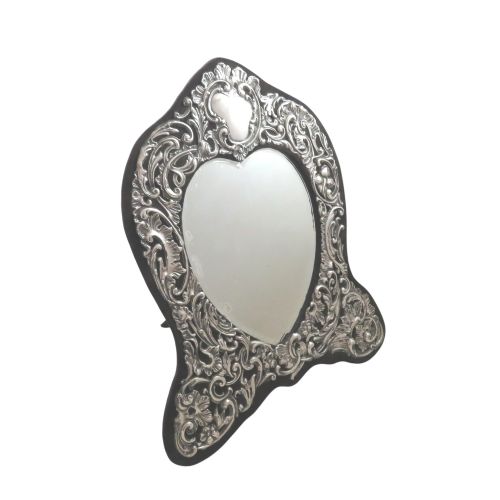
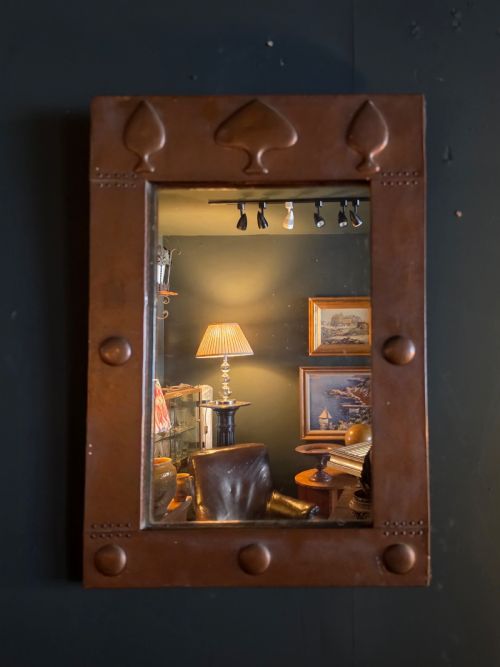
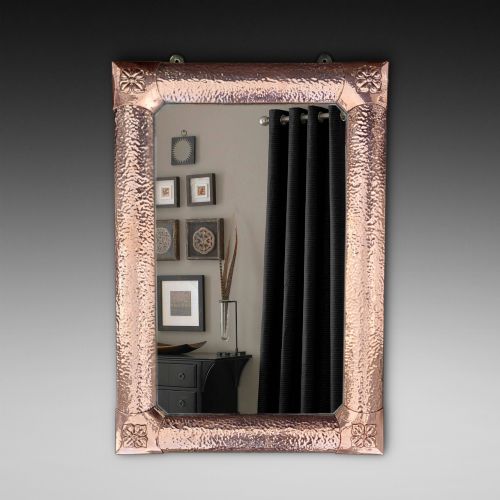
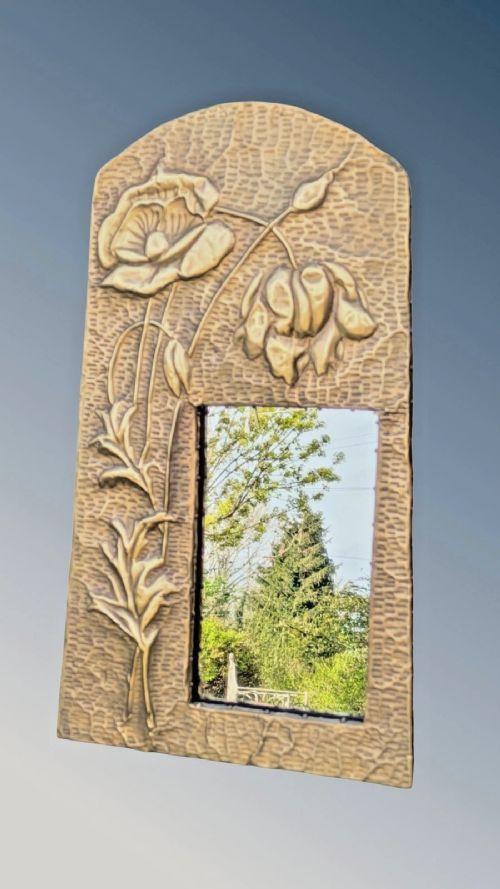
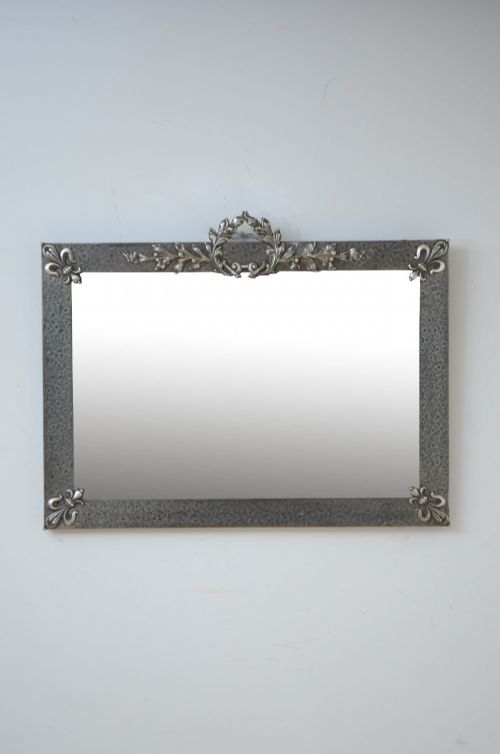
An edwardian repousse mirror brings tactile metalwork and reflective glass together, offering an interior centrepiece defined by hand-hammered relief.
Edwardian Repousse Mirror
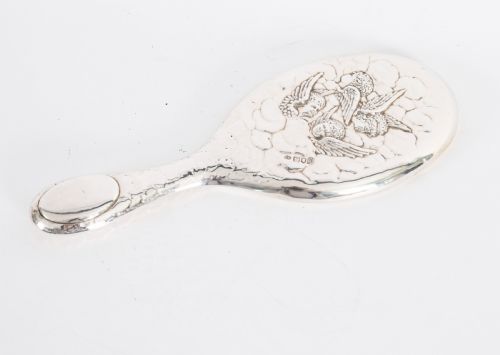
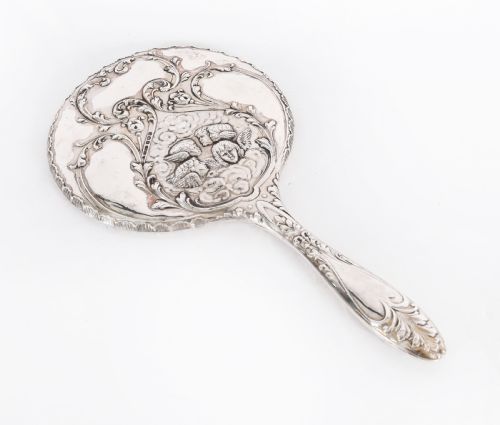
When searching for an edwardian repousse mirror, one encounters a variety of domestic forms spanning wall mirrors, dressing table mirrors, hand mirrors, and vanity mirrors. These pieces date predominantly from the Edwardian period and the early twentieth century, alongside Victorian examples and items from the 1890s through to the 1930s.
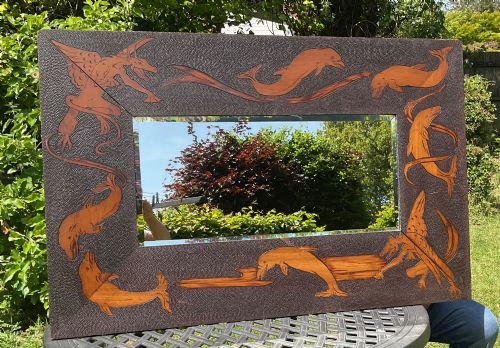
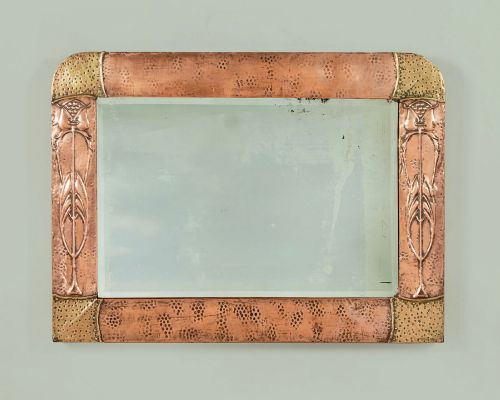
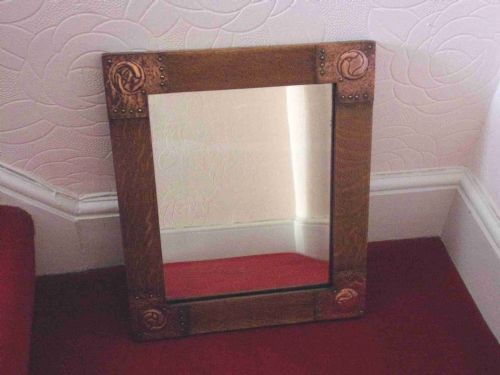
The aesthetic is heavily influenced by the Arts and Crafts movement, Art Nouveau, and the Glasgow Style, often incorporating organic motifs such as stylised trees, honesty seed pods, peacocks, dragons, and dolphins, as well as Celtic knot decorations.
Frames are constructed from copper, brass, sterling silver, and occasionally oak or velvet-backed wood, with shapes ranging from simple ovals and rectangles to large wall sconces and girandoles.
Materials and Working Methods
Metalworkers utilised sheet copper, brass, and sterling silver, shaping the reflective surfaces by hand with hammers and punches to create raised relief patterns from the reverse side.
Wooden elements, particularly oak frames and backing boards, provided structural support and stability for the metal mounts, whilst specialist silversmiths applied hallmarks and intricate embossed detailing.
Listings feature sterling silver, copper, and brass alongside oak frames, reflecting the robust material palette of the period.
Assessing the Craftsmanship
The distinction between standard domestic items and finer studio pieces lies in the depth and crispness of the hand-beaten relief work, where skilled metalwork shows deliberate, confident tooling rather than mechanical uniformity.
Maker attribution and documented provenance, such as pieces associated with Liberty and Company or prominent silversmiths, elevate the standing of a mirror through documented design lineage and superior material weight.
Liberty and Company·Charles Boyton·S Blanckensee and Son·William Comyns
The Edwardian Repousse Mirror Glossary
- Repoussé
- A metalworking technique where the metal is hammered from the reverse side to form a raised design on the front. This method creates tactile, three-dimensional decorative panels on mirror frames.
- Arts and Crafts
- A design movement promoting handcraftsmanship, traditional materials, and reform in response to industrial manufacturing. It heavily influences the organic motifs found on these mirrors.
- Sterling Silver
- An alloy consisting of ninety-two point five percent silver and seven point five percent other metals, typically copper. It is frequently encountered in hallmarked dressing table and hand mirrors.
- Girandole
- A decorative wall-mounted mirror that incorporates one or more candle sconces or arms attached to the frame. These pieces provide both reflection and ambient illumination.
Edwardian Repousse Mirror: Frequently Asked Questions
How do I clean an antique repousse metal frame?
Clean metal frames gently with a soft microfibre cloth to remove dust without disturbing the aged patina. Avoid harsh chemical dips that strip the character from copper, brass, and silver surfaces.
Take care to keep moisture away from the mirror glass and any wooden backing boards during the cleaning process. A specialist gentle polish can be applied sparingly to raised areas if required.
Are these mirrors suitable for bathrooms?
Original antique mirrors utilise vintage mirror glass and traditional backing materials that are sensitive to persistent damp environments. Placing them in steamy bathrooms risks damaging the silvering on the glass.
Display these pieces in dry reception rooms, hallways, or bedrooms where the timber and metal frames remain protected from excessive humidity.
How do I distinguish Arts and Crafts mirrors from Art Nouveau ones?
Arts and Crafts pieces tend to emphasise hand-beaten textures, honest construction, and structured motifs like Celtic knots or stylised trees. The focus remains on the visible craft of the metalworker.
Art Nouveau examples lean towards flowing, organic, undulating lines inspired by natural forms, featuring whipped curves and botanical subjects like honesty seed pods and peacocks.
What is the difference between a vanity mirror and a dressing table mirror?
Dressing table mirrors are typically larger, heavier table-standing items designed to sit permanently on a piece of bedroom furniture, often supported by pivoting side arms. They frequently incorporate weighted sterling silver or solid oak frames.
Vanity mirrors and hand mirrors are generally smaller, lighter objects intended for picking up and holding during personal grooming. They share the same embossed metalwork techniques but serve a more portable function.