




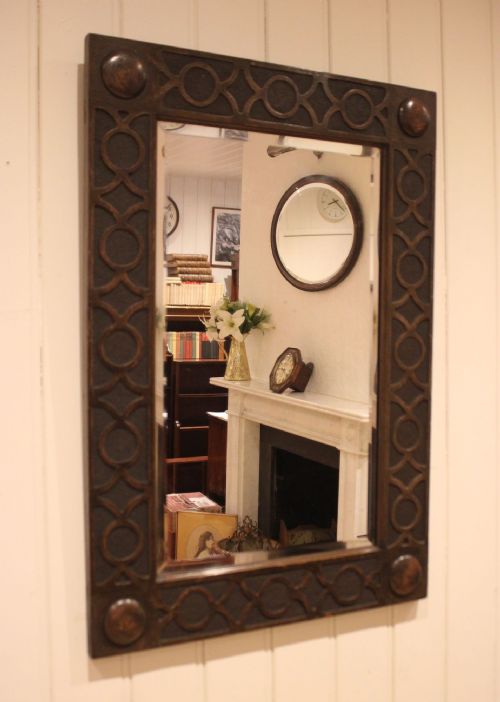

Edwardian Rectangular Mirror
An edwardian rectangular mirror brings immediate depth and light to a room, offering the clean geometry and honest craftsmanship collectors look for.
Edwardian Rectangular Mirror
When searching for an edwardian rectangular mirror, buyers encounter wall-hanging glass plates, overmantels, and freestanding dressing pieces framed in timber or metal. These objects served practical and decorative purposes in domestic interiors, reflecting light into hallways, parlours, and bedrooms.
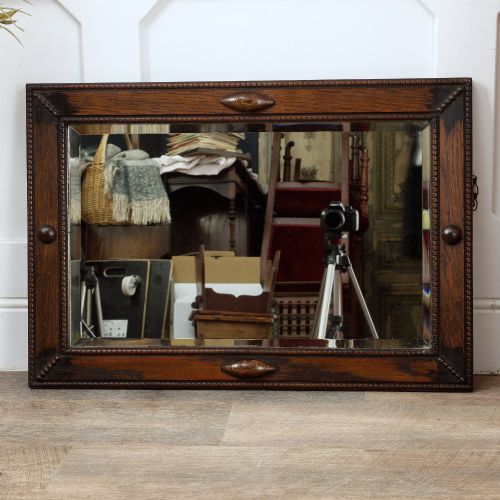
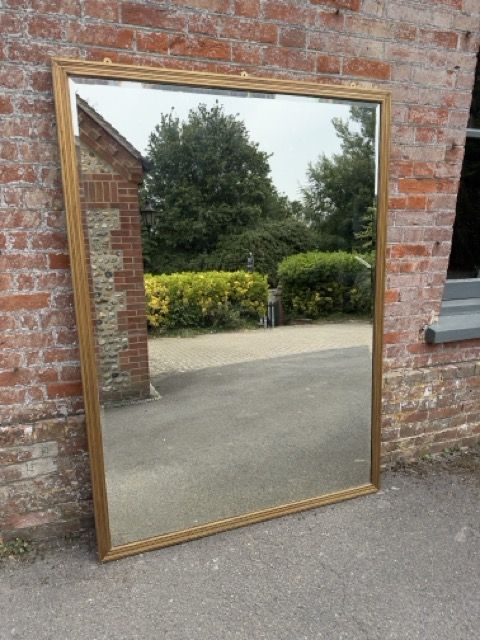
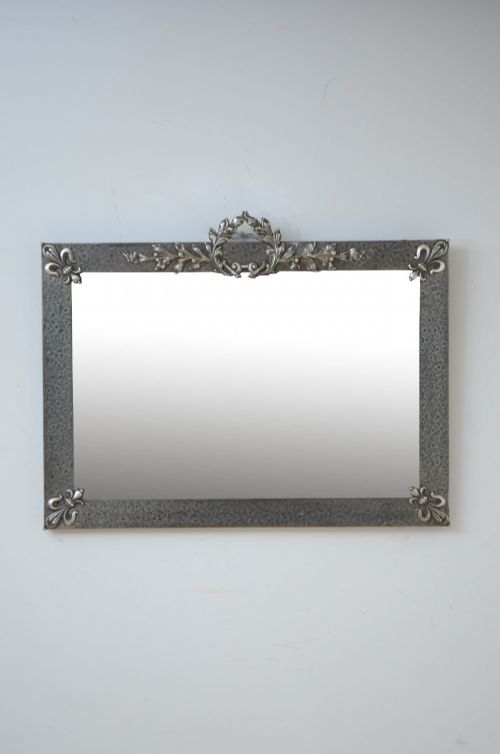
The most common versions met on this page span the Edwardian period itself alongside neighbouring Victorian, Arts and Crafts, and early twentieth-century eras. Oak and mahogany predominate as framing woods, frequently complemented by copper, brass, or gilt finishes.
Forms range from simple domestic wall mirrors to substantial overmantels designed to sit above a fireplace. Specialised types such as pier mirrors and cheval mirrors also appear, alongside pieces displaying Arts and Crafts hammered metalwork or inlaid details.
How they were made
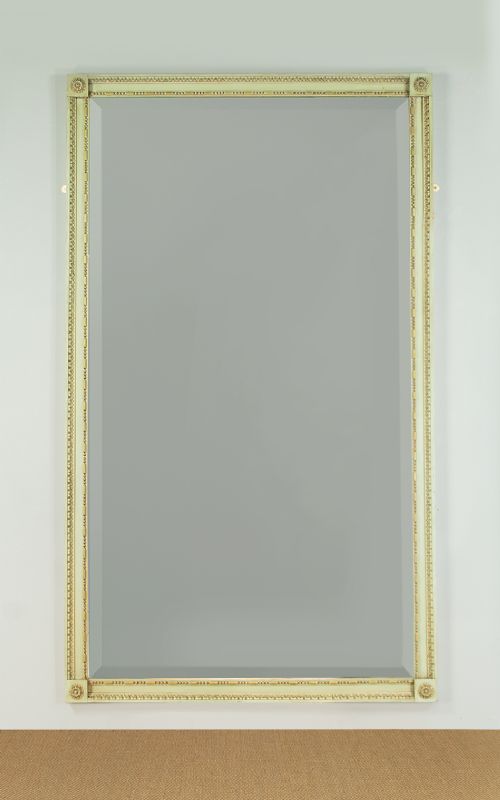
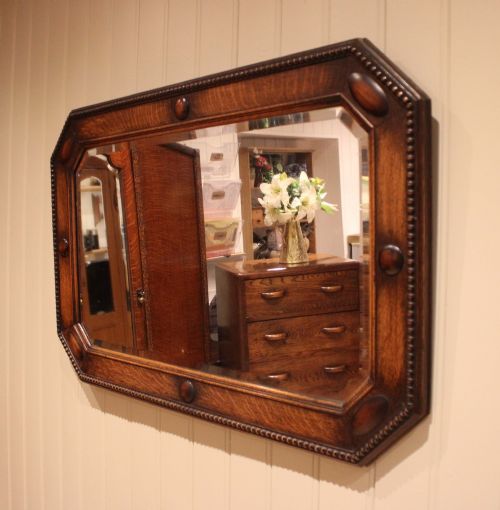
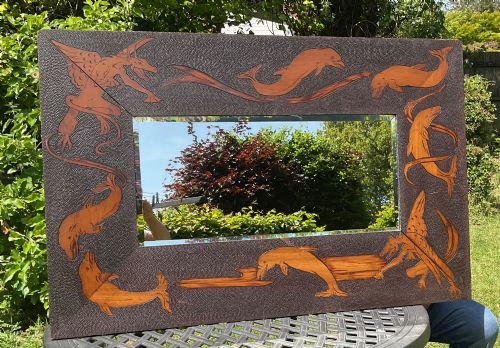
Makers utilised traditional cabinetmaking techniques to construct the wooden frames, employing oak, mahogany, rosewood, and maple. Timber frames often featured inlaid decoration, carved wooden ribbed sections, or applied gesso moulded into specific styles.
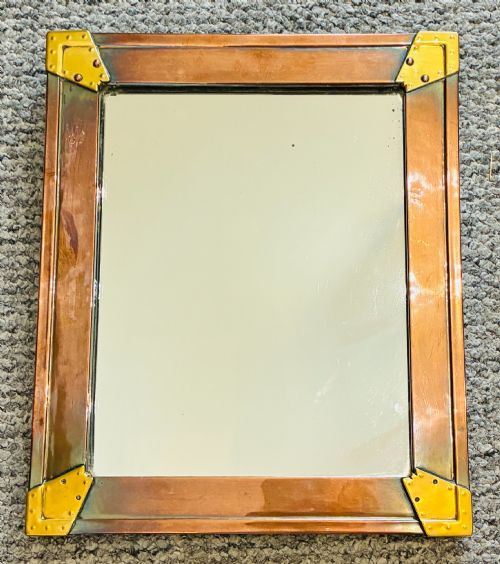
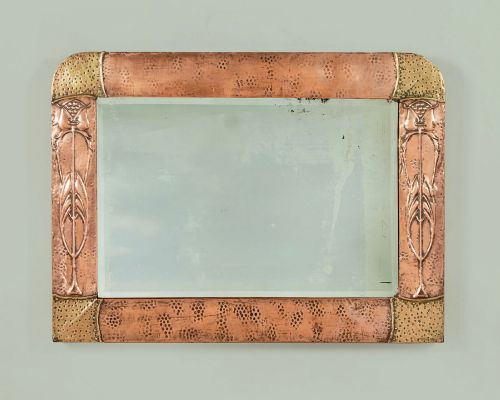
Metal frames and mounts relied on skilled metalworking processes, particularly repoussé work, hammering, and piercing. Copper and brass panels were worked by hand to create textured surfaces, sometimes incorporating cabochons or specialised decorative motifs.
Glass plates were set securely into the rebates of these frames, with certain pieces featuring etched and engraved designs on the glass surface itself. Finishes ranged from parcel gilding and ebonising to polished natural wood grains.
Listings feature frames spanning oak, mahogany, rosewood, copper, brass, and gesso across Victorian, Edwardian, and Art Deco periods.
What varies in quality
Quality in these mirrors rests primarily on the depth of hand-craftsmanship evident in both the frame and the metalwork. Pieces featuring hand-hammered repoussé copper, crisp carved wood details, or specialised etched glass stand apart from simpler commercial productions.
The choice and treatment of materials also define the hierarchy of pieces, from plain timber mouldings to richly grained mahogany, rosewood, and kingwood veneers. Integrated decorative elements such as inlaid borders and applied cabochons elevate the visual ambition of the design.
Structural integrity and the retention of original components dictate long-term standing. Frames that maintain their original gilding, ebonising, or polished surfaces without heavy modern intervention retain their intended character.
The Edwardian Rectangular Mirror Glossary
- Overmantel mirror
- A large mirror specifically designed to be hung or placed on the mantelpiece above a fireplace. These often feature wide frames and substantial proportions to anchor the chimney breast.
- Repoussé
- A metalworking technique where the metal is beaten from the reverse side to form a raised design in relief. It is frequently seen on the copper and brass frames associated with the Arts and Crafts movement.
- Pier mirror
- A tall, narrow mirror designed to hang on the wall space, known as a pier, between two windows. They often complement console tables positioned directly beneath them.
- Cheval mirror
- A freestanding full-length mirror suspended on a frame with vertical pivots, allowing the glass to tilt. These dressing mirrors typically feature sturdy wooden floor supports.
- Gesso
- A plaster-like mixture applied to wood frames as a base for painting or gilding. It can be moulded into intricate decorative reliefs before finishing.
- Cabochon
- A polished, convex gemstone or coloured glass set into metalwork without facets. They often accent the corners or borders of Arts and Crafts copper mirrors.
Edwardian Rectangular Mirror: Frequently Asked Questions
How do I hang a heavy overmantel mirror?
Substantial overmantel mirrors require secure fixing directly into wall studs or masonry using heavy-duty brackets and fixings. Given the weight of the wood and glass plates, professional installation ensures the piece remains stable.
Position the mirror at a height that safely clears the mantelpiece while reflecting the upper portion of the room to maximise light distribution.
Where should I place a wall mirror?
Wall mirrors work best when hung opposite or adjacent to windows to bounce natural light deeper into a room. Hallways and landings benefit from rectangular formats to open up narrow spaces.
Consider the eyeline of those using the room when fixing the mirror to ensure it captures a useful reflection rather than empty ceiling space.
How do I tell Edwardian from Victorian mirrors?
Edwardian mirrors typically display lighter timbers, simpler geometries, and influences from the Arts and Crafts movement or early Art Deco styles. Victorian pieces often lean towards heavier proportions, darker ebonised finishes, or ornate parcel gilding.
Examining the construction methods, backing boards, and glass silvering can also provide clues to the exact era of manufacture.
Can I polish the copper frames?
Original copper and brass frames often carry a patinated surface acquired over a century or more. Aggressive cleaning removes this historical character and strips away the subtle tones prized by collectors.
Light dusting with a dry microfiber cloth is usually sufficient to maintain the metal without altering its aged appearance.