


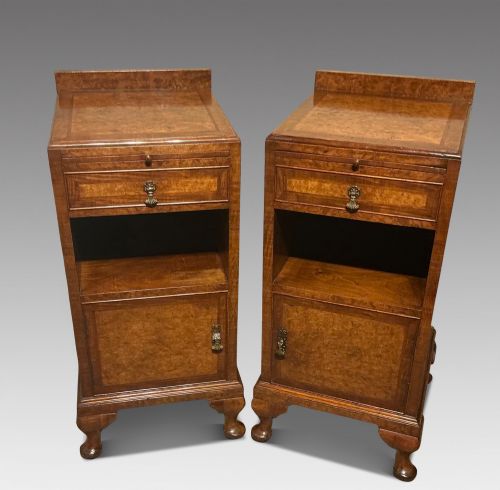


Edwardian Pot Cupboard Pair
An edwardian pot cupboard pair brings practical bedside storage together with the refined timber work typical of the period.
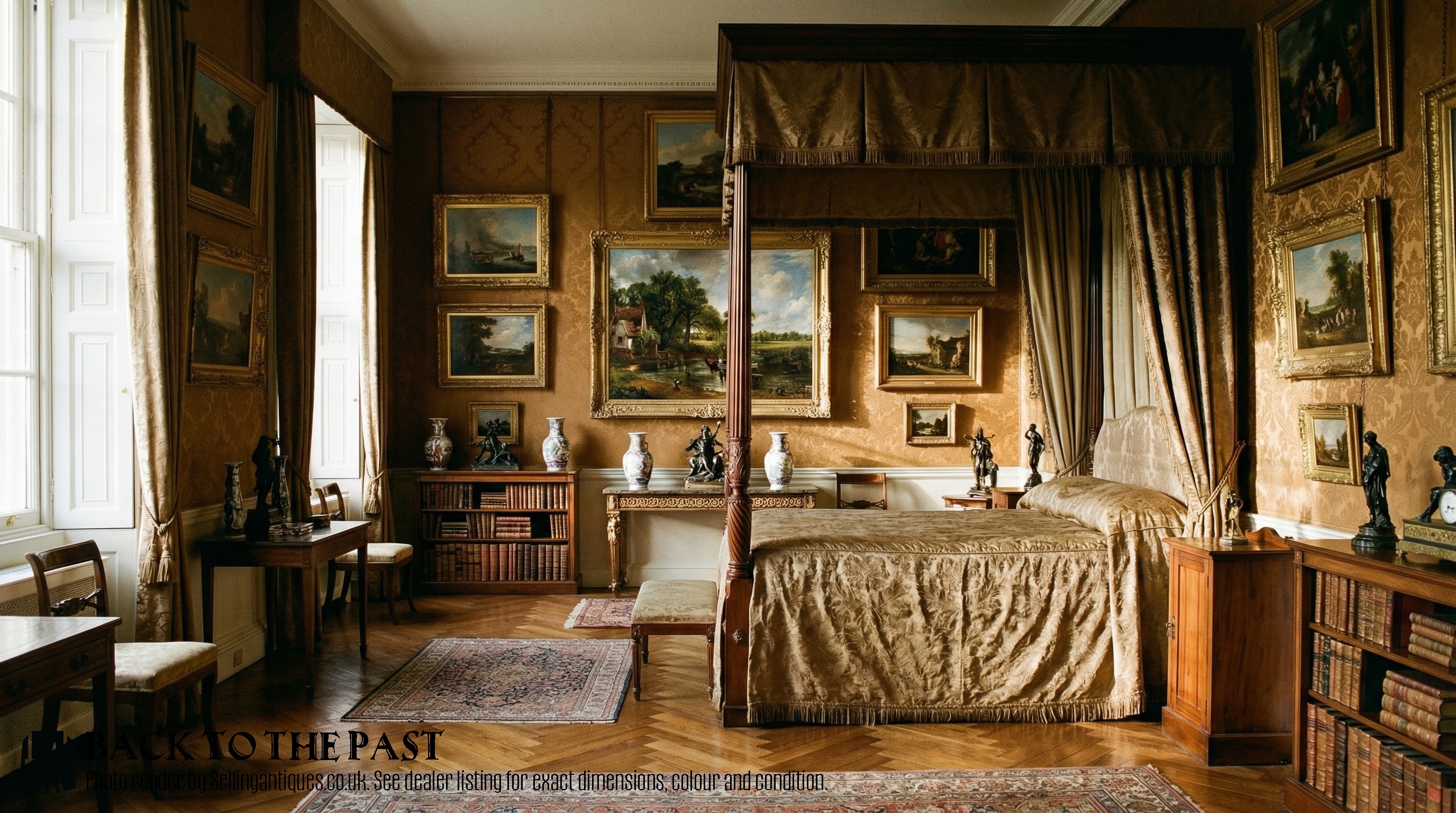
Edwardian Pot Cupboard Pair
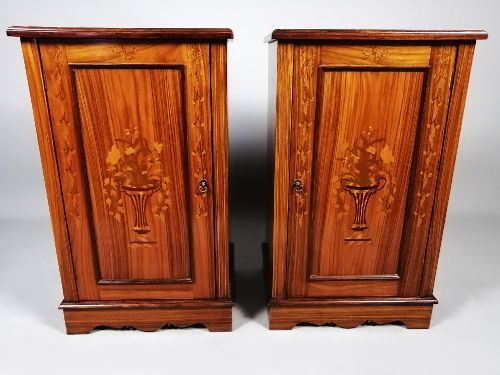
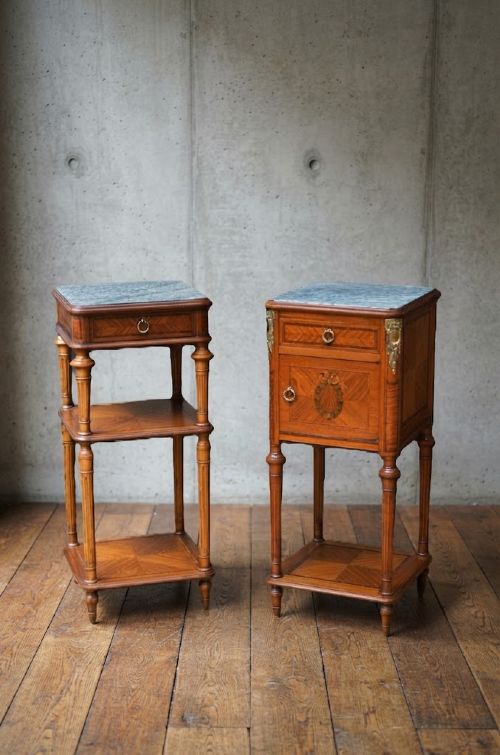
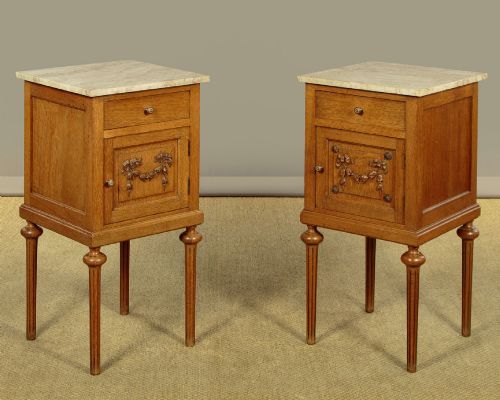
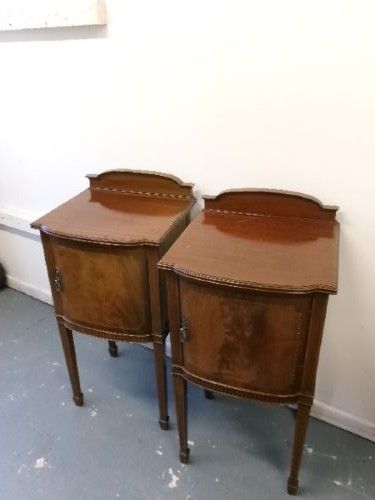
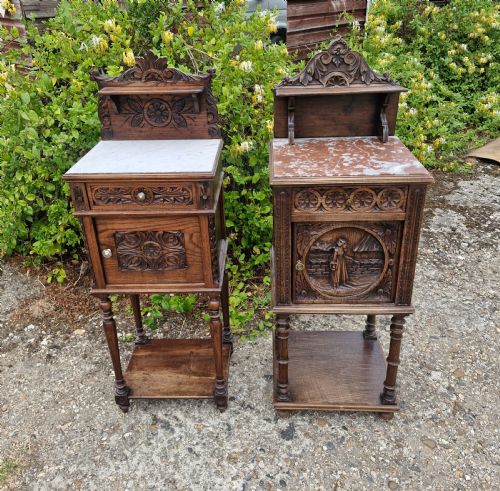
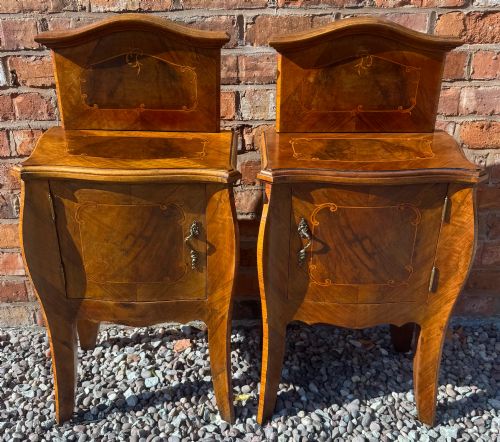
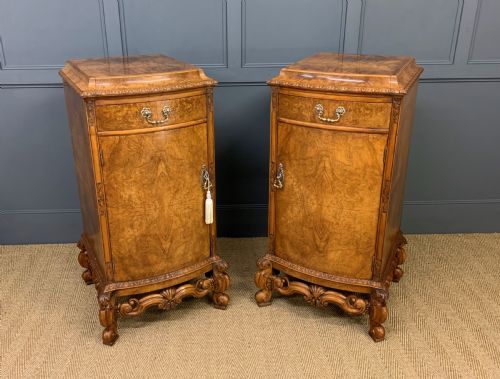
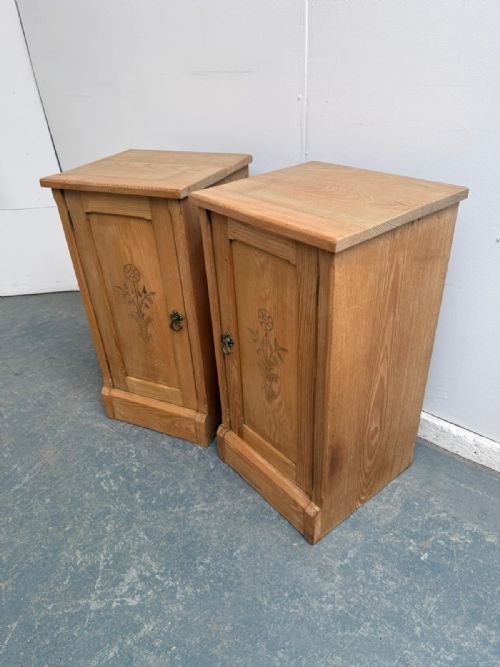
When searching for an edwardian pot cupboard pair, collectors look at matched bedside cabinets designed to hold chamber pots and personal items behind closed doors. The pieces appearing here span the Edwardian era, 19th Century, Victorian, and Regency periods, taking the form of bedside cabinets, bedside tables, and pedestal cupboards.
Mahogany and satinwood dominate the selections, alongside walnut, burr walnut, oak, rosewood, brass, and marble. Styles range from straightforward Edwardian and Victorian utilitarian designs to ornate Sheraton Revival, Queen Anne Revival, French Provincial, French Chateau, and Art Nouveau interpretations.
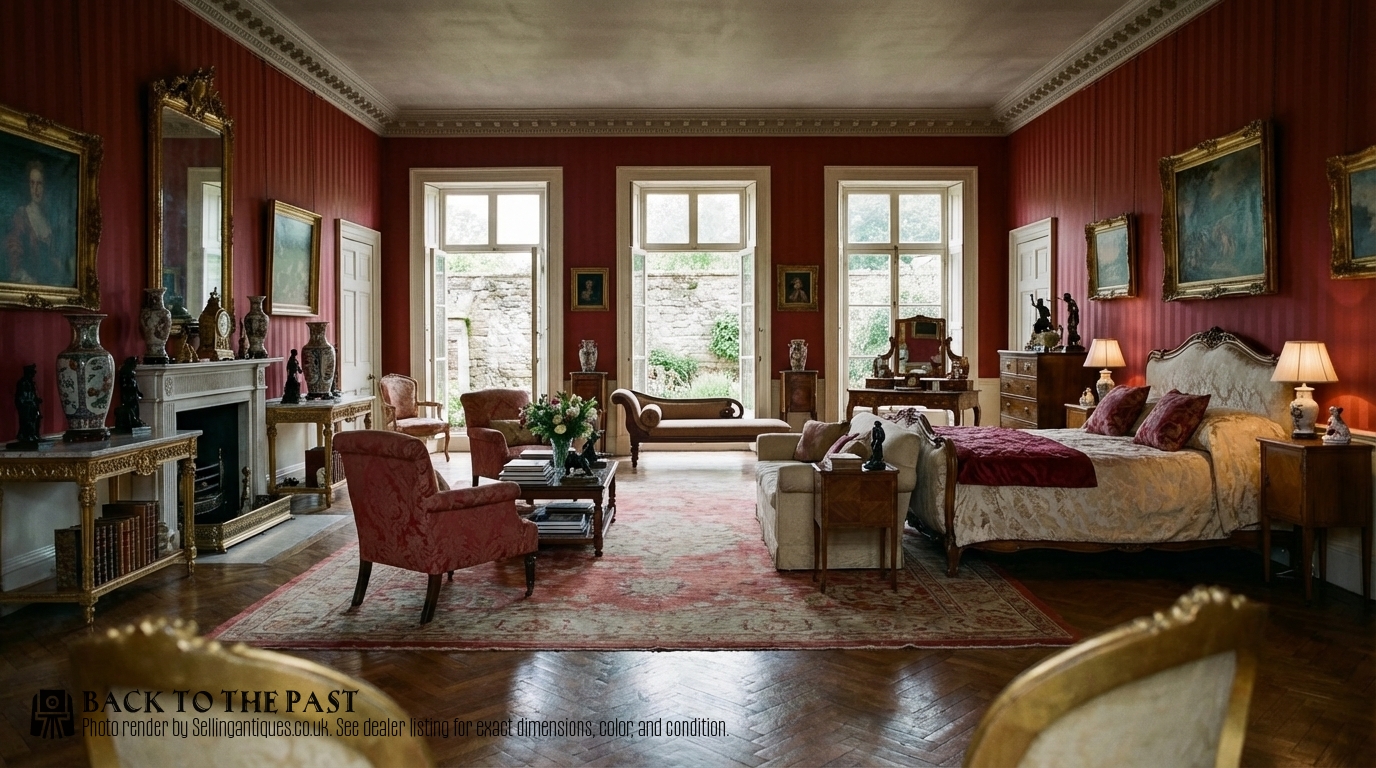
Materials and construction methods
Cabinet makers utilised dense hardwoods like mahogany, walnut, and oak to build durable carcases that withstand daily bedroom use. Surfaces frequently display decorative veneers such as satinwood, burr walnut, and marquetry details.
Marble tops appear across multiple pieces to provide wipe-clean, durable surfaces for jugs and basins, while brass handles and hinges add functional contrast to the dark and figured timbers.
Edwardian Pot Cupboard Pair Retail Price Guide 2026
Typical asking prices for edwardian pot cupboard pair among the pieces listed under this phrase on Sellingantiques today, from the lower quarter to the upper quarter. They describe what is for sale here now, not the wider market.
Some Edwardian owners used these discreet cupboards to hide midnight biscuits rather than chamber pots.
Assessing quality in matched pairs
Quality rests in the precision of the matching between the two cabinets and the crispness of any inlaid marquetry or carved woodwork. Superior examples exhibit harmonious timber grain across both doors and cohesive proportions.
The choice of secondary materials marks the upper tier, seen in thick slab marble tops, solid brass hardware, and intricate marquetry rather than plain painted finishes or simpler softwood interiors.
The Edwardian Pot Cupboard Pair Glossary
- Pot cupboard
- A small bedside cabinet originally built with an enclosed interior compartment to house a chamber pot. They frequently feature a single door above or below a small drawer.
- Marquetry
- The art of applying decorative pieces of veneer to a structure to form ornamental patterns or pictures. Craftsmen utilise contrasting timbers to create geometric or floral motifs.
- Sheraton Revival
- A late 19th and early 20th century design movement inspired by the neoclassical furniture of Thomas Sheraton. Pieces in this style display delicate inlay, satinwood, and tapered legs.
- Pedestal cupboard
- A tall, narrow freestanding cabinet built on a single columnar base. These items maximise vertical storage space beside a bed.
- Coromandel
- A dense, heavily figured exotic timber from Asia with dark brown and black streaks. It appears on high-end cabinets from the late 19th and early 20th centuries.
Edwardian Pot Cupboard Pair: Frequently Asked Questions
What is an edwardian pot cupboard pair?
An edwardian pot cupboard pair consists of two matching bedside cabinets made during the early 20th century. They were originally designed to conceal a chamber pot and store small night-time essentials.
Today, buyers use them as symmetrical bedside tables or lamp stands. Their enclosed cupboards keep bedroom surfaces looking tidy.
How do I tell Edwardian from Victorian cupboards?
Edwardian cabinets generally display lighter timbers like satinwood and finer, more restrained inlay work. They reflect a shift towards brighter, less cluttered bedroom interiors.
Victorian pieces lean towards darker, heavier mahogany and walnut construction with simpler mouldings or robust carved details. Examining the primary wood and decorative technique helps clarify the period.
Did these cabinets always come in pairs?
Many bedside cupboards were manufactured individually for single rooms or guest quarters. Finding a matched pair from the same workshop is less common than finding single cabinets.
Makers ensured uniformity in timber selection and height when constructing pairs for larger master bedrooms. Symmetrical pairs remain highly sought after for balanced bedroom layouts.
Why do some cupboards have marble tops?
Marble surfaces provided a hygienic, water-resistant space for washing water jugs and ceramic basins before plumbed bathrooms were standard. They protected the timber underneath from dampness and spills.
Cabinet makers paired stone slabs with mahogany and satinwood to combine practical utility with decorative elegance. These stone surfaces remain durable additions for modern bedroom use.