


Antique Wooden Bedside
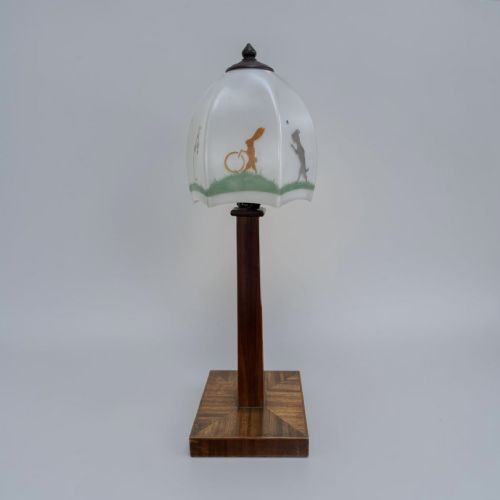
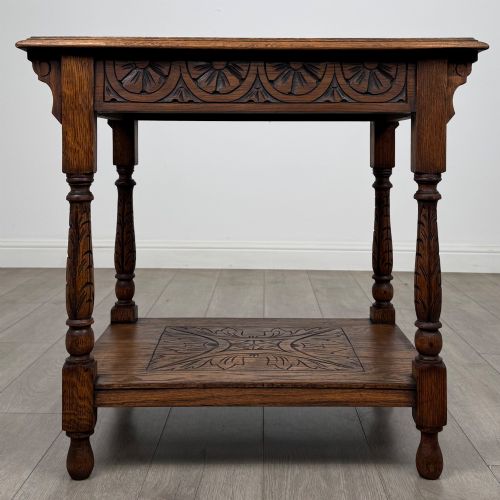
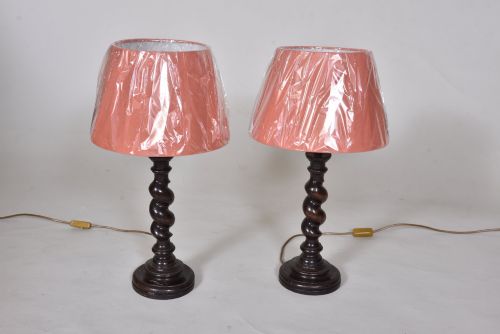
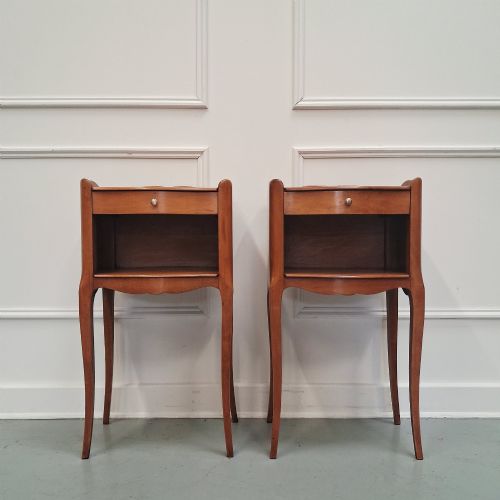
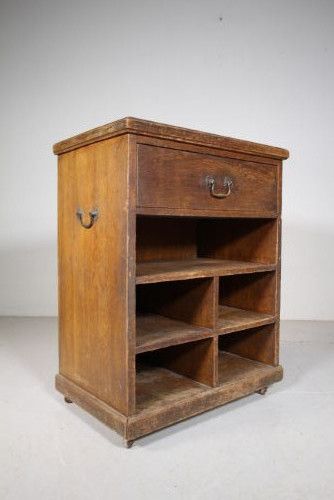
These antique wooden bedside pieces are practical companions for the sleeping chamber, bringing period character and enclosed storage close to the mattress.
Antique Wooden Bedside
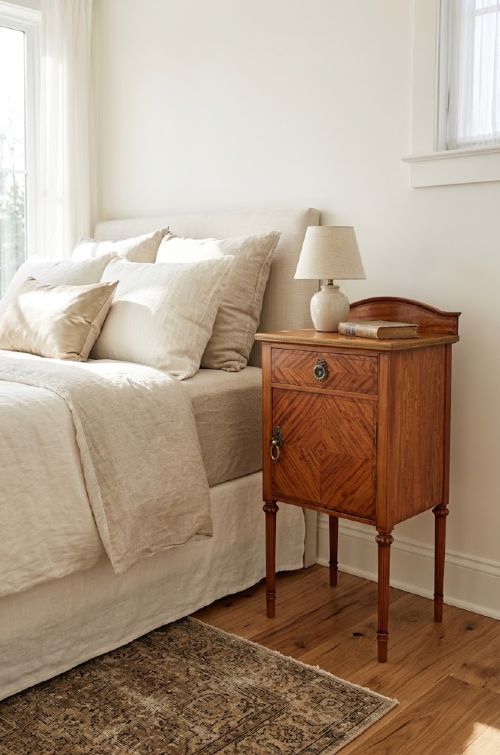
When searching for an antique wooden bedside, a buyer encounters a diverse group of compact furniture designed to sit beside a bed. The selection spans distinct periods including Victorian, Edwardian, and the early twentieth century, alongside regional interpretations like French Provincial.
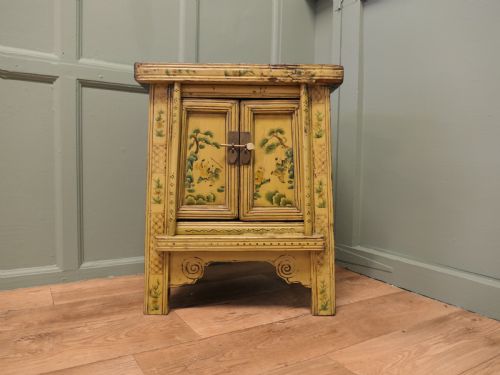
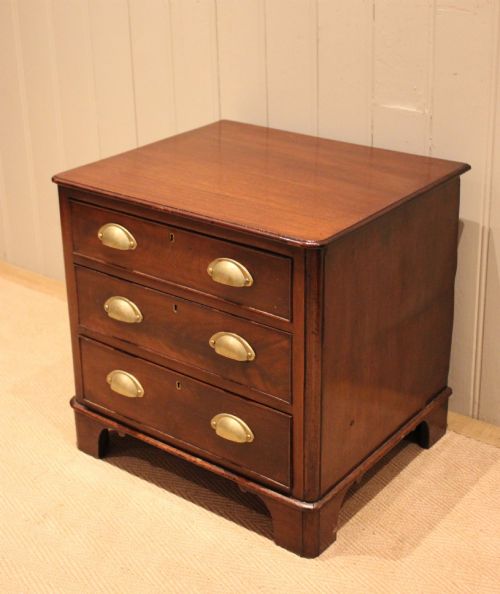
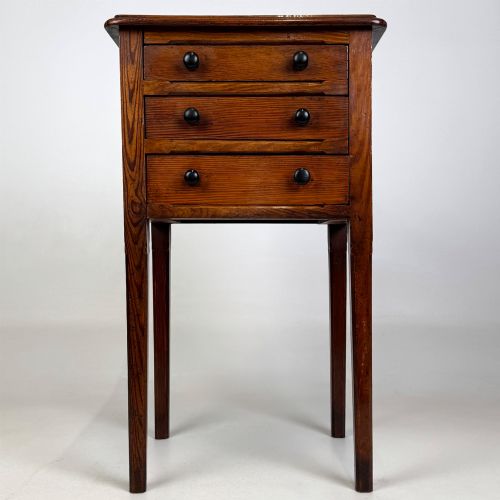
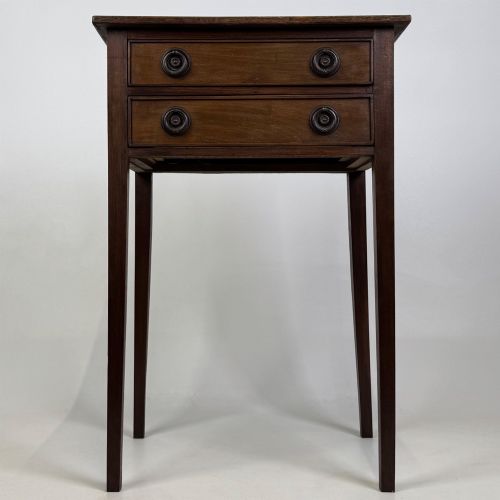
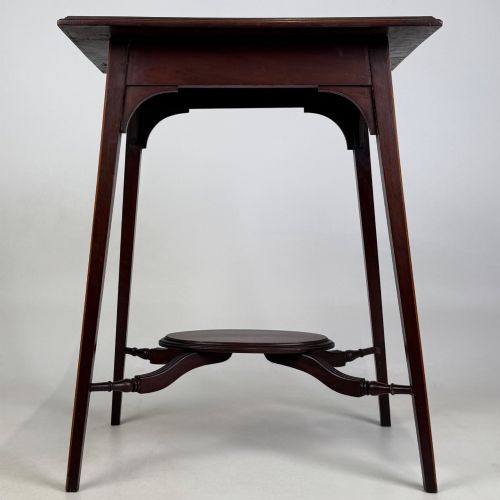
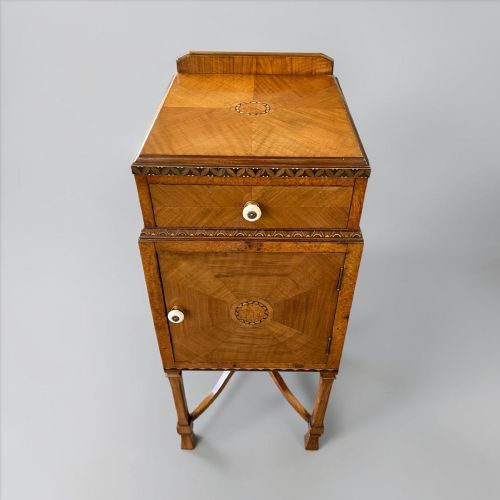
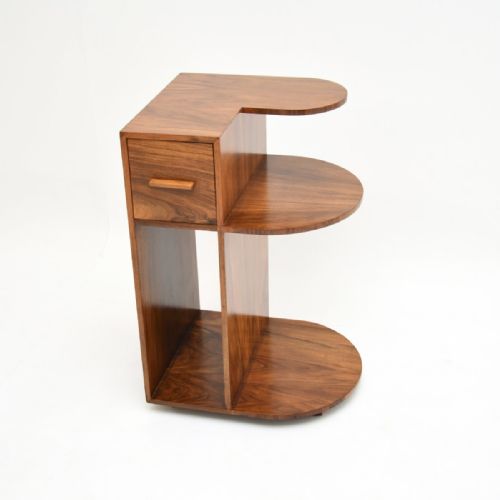
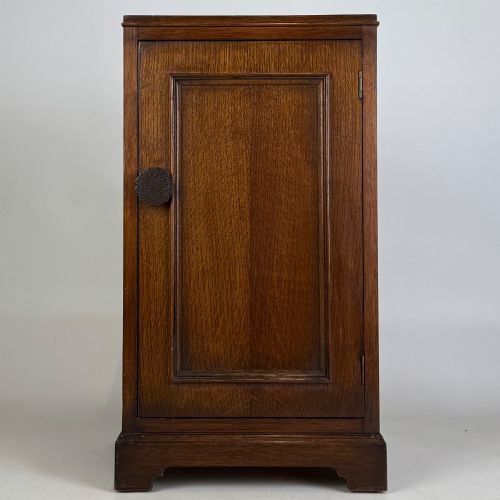
The most common forms on this page include enclosed bedside cabinets, small bedside chests of drawers, and open side tables. These pieces provide convenient surfaces for lighting and bedside items while concealing personal storage within doors or drawers.
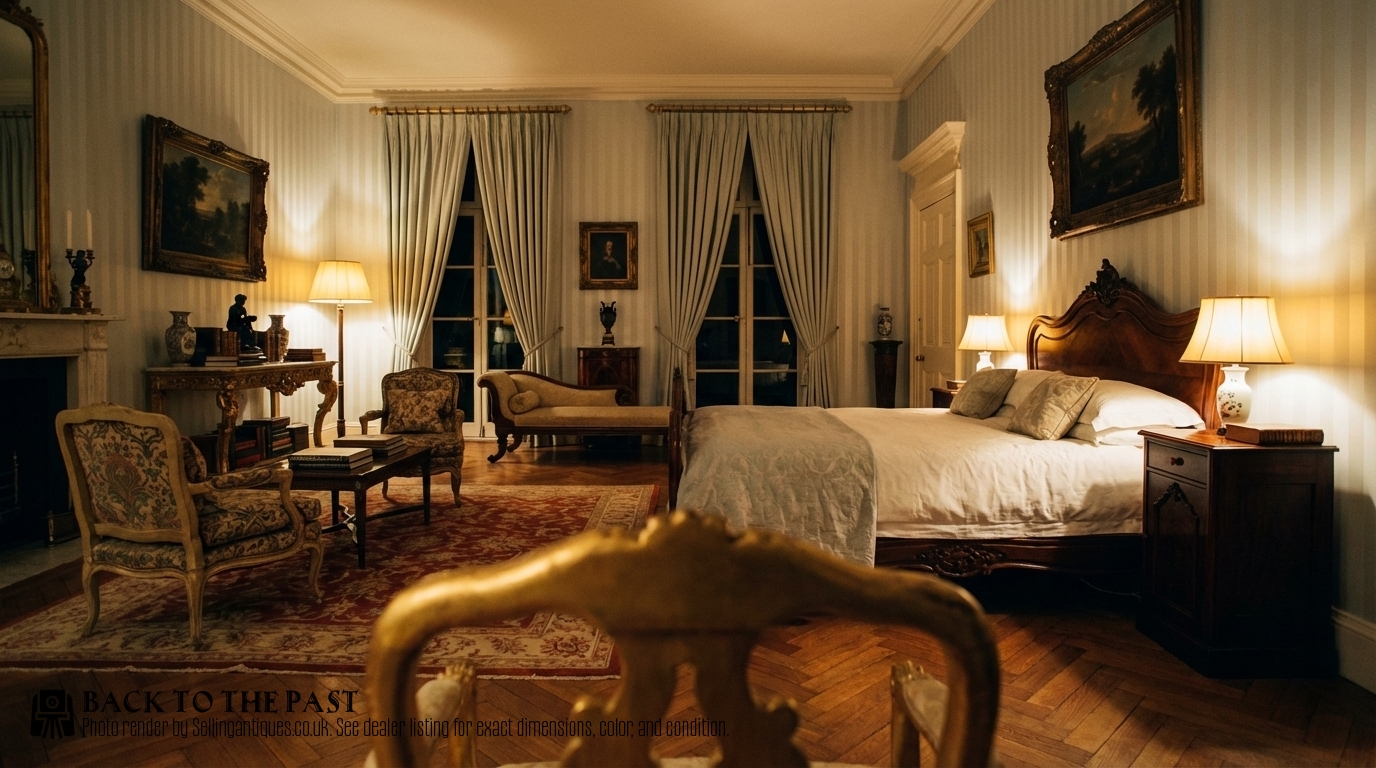
Origins vary from English workshops to French ateliers, showing timber choices that dictate the visual weight of the piece. Buyers select these items to integrate historical craftsmanship into modern bedroom schemes without sacrificing daily utility.
Materials and Construction
Cabinet makers utilised dense hardwoods like mahogany, walnut, and oak to build durable bedside furniture that endures decades of daily use. Softer timbers such as pine and ash appear in specific regional or period pieces, often finished with wax or paint.
Construction techniques involve traditional joinery, ensuring stability in compact frames that must support lamps and small objects. Additional elements like marble tops, brass handles, or inlaid woodwork provide functional contrast and decorative detail to the primary wooden structure.
Some Victorian pine cupboards started life hiding chamber pots before finding peaceful retirement as modern lamp stands.
Judging Quality and Execution
Quality in these bedside pieces rests upon the crispness of the timber's grain, the precision of the joinery, and the integrity of the original hardware. Superior examples display balanced proportions and careful timber selection, whereas simpler versions rely on plain utility boards.
The sophistication of decorative touches, such as fine inlay, carved mouldings, or painted Chinoiserie finishes, separates standard commercial items from finer bespoke work. Preservation of original surfaces and operational smoothness in drawers and cabinet doors further distinguish the grade of a piece.
Denby & Spinks
The Antique Wooden Bedside Glossary
- Pot cupboard
- A small bedside cabinet originally designed to house a chamber pot behind a single door. These enclosed pieces keep sloped or flat tops and remain useful as compact storage lockers.
- Nightstand
- A low piece of furniture placed beside a bed to hold lamps or nighttime necessities. It often includes a combination of a small drawer and an open shelf or enclosed cupboard.
- Inlay
- A decorative technique where contrasting woods, brass, or shell are set into the surface wood to form patterns. Edwardian cabinets frequently employ this method for subtle geometric or floral enrichment.
- Serpentine
- A gently curved furniture front shaped in a convex-concave-convex line. This undulating contour demands high skill from the cabinet maker and indicates a finer grade of construction.
Antique Wooden Bedside: Frequently Asked Questions
How do I date an antique wooden bedside piece?
Dating relies on observing the primary wood species, construction methods, and decorative styles typical of specific eras. For instance, satinwood inlay often points to the Edwardian period, while heavier proportions and deep mouldings suggest Victorian origins.
Hardware styles and drawer linings also offer reliable clues to the decade of manufacture, aligning with the chronological markers recorded across the listings.
Are these bedside pieces suitable for modern beds?
Most antique bedside tables and cabinets work well with contemporary bedroom layouts due to their compact footprints. Heights can vary slightly compared to modern mass-market furniture, so checking dimensions against the mattress level ensures practical alignment.
They introduce warmth and historical texture into a modern room while offering dependable storage right where it is needed.
What woods were commonly used for bedside furniture?
Mahogany, oak, and walnut are the predominant hardwoods found in these listings, prized for their strength and rich grain patterns. Softer woods like pine and ash also appear, particularly in painted finishes or country styles.
Selection depended on the prevailing fashion of the period, ranging from the dark tones favoured in the nineteenth century to lighter satinwood accents later on.