


Edwardian Portrait Oil Painting
An edwardian portrait oil painting captures character and costume through layered brushwork and rich ground materials.
Edwardian Portrait Oil Painting
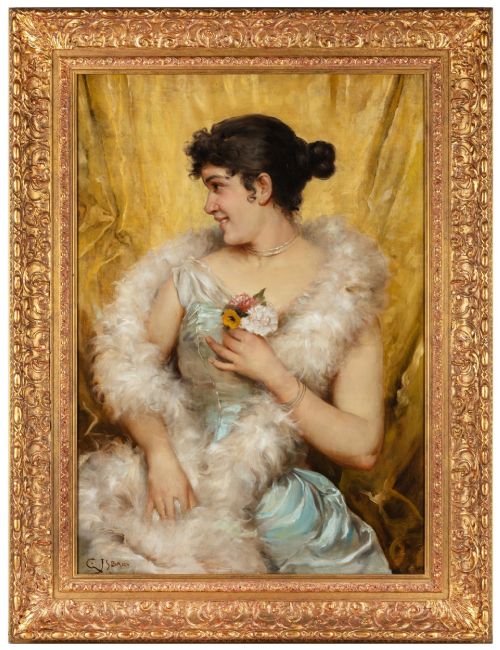
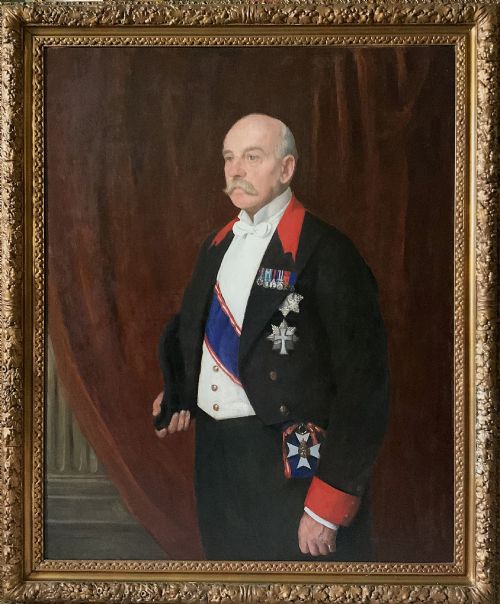
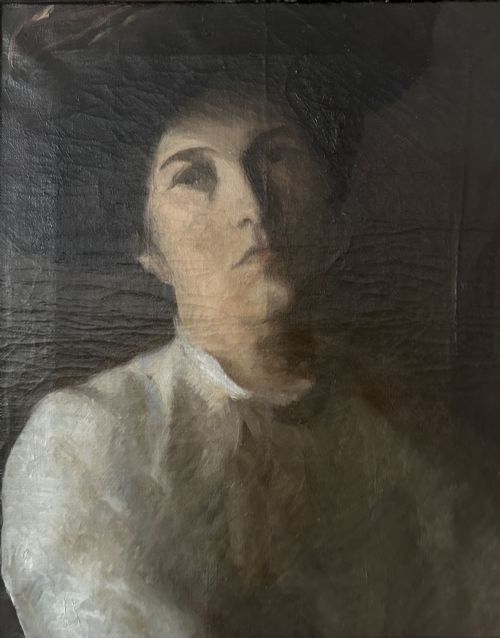
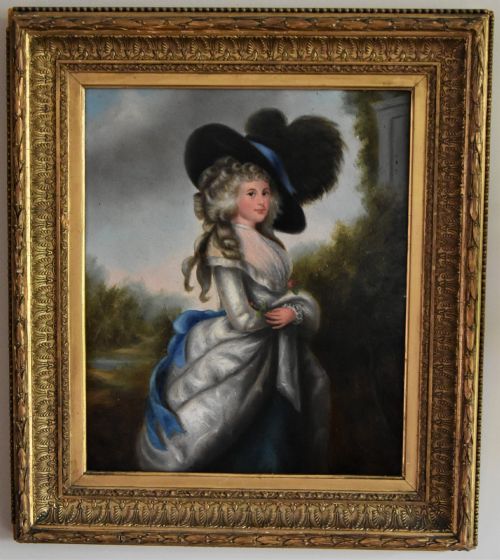
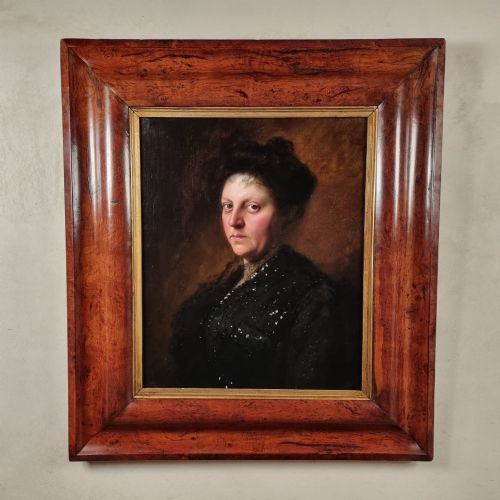
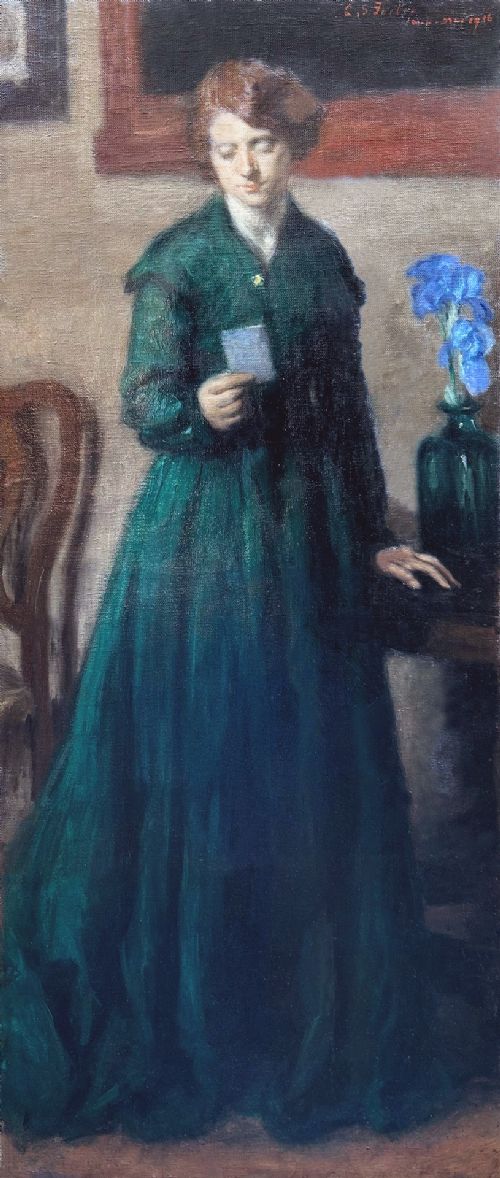
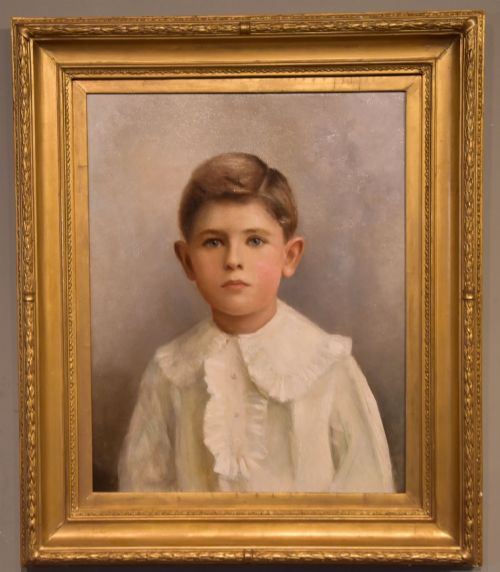
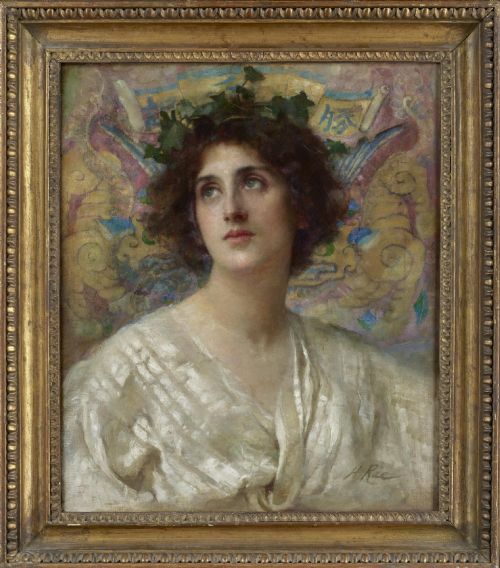
An edwardian portrait oil painting records the likenesses of sitters from the early twentieth century alongside earlier Victorian and later works. These pieces frequently show women, gentlemen, children, and military figures rendered in oil on canvas or board.
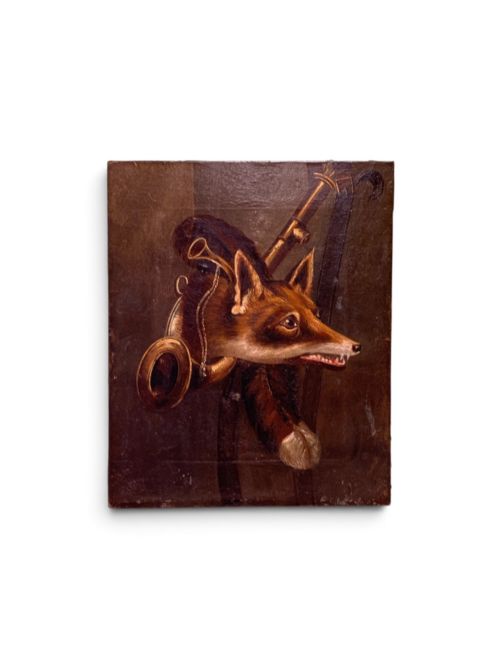
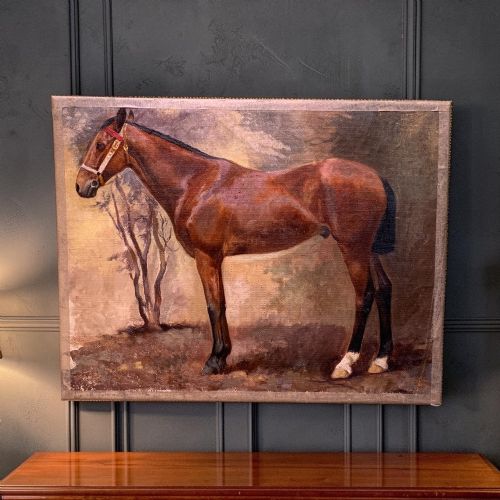
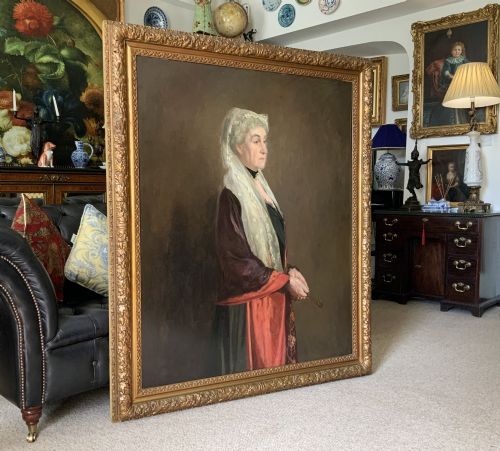
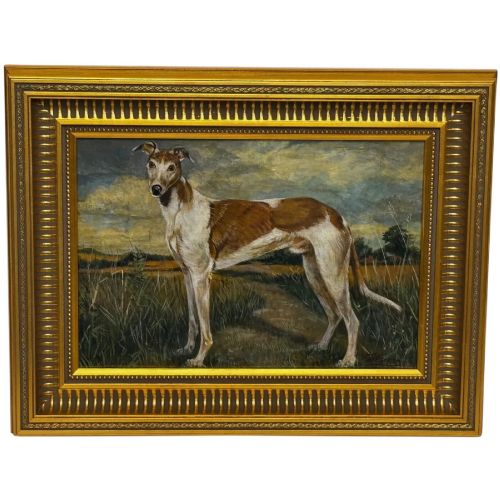
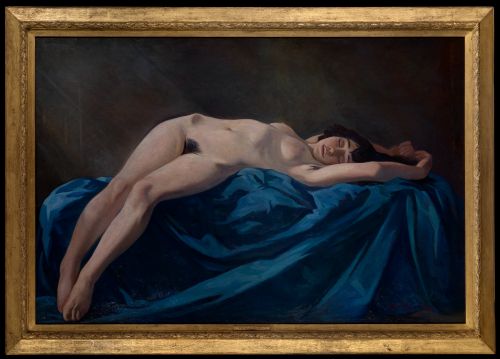
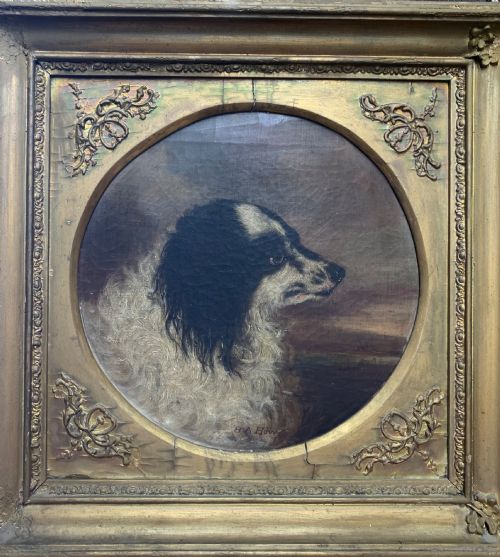
The selection here includes monumental formats, intimate studies, and animal subjects linked to the same aesthetic periods. Buyers encounter formal society commissions alongside works by provincial British schools and named artists.
Framing often complements the canvas, utilising period giltwood and moulded gesso frames that survive from the original period. Each work offers a direct visual record of contemporary dress, posture, and social standing.
Materials and technique
Artists applied oil paint suspended in drying oils onto prepared canvas or wooden board surfaces. Pigments were built up in layers to achieve depth in skin tones and textile details.
Supports were commonly housed within wood frames embellished with gesso mouldings and finished in gold leaf or giltwood. The physical construction combines structural timber stretchers with durable woven textiles.
Listings feature works spanning the nineteenth century, the Edwardian era, and the early twentieth century, utilising oil paint, canvas, gesso, and giltwood.
Judging quality in portraits
Quality rests upon the artist's ability to render anatomy, light, and expression convincingly within the painted surface. Superior examples demonstrate confident brushwork and accurate proportion, whereas weaker pieces show stiffness in pose and flat application of paint.
The preservation of the original canvas and the integrity of the accompanying giltwood frame influence the overall standing of a piece. Works retaining their untouched surface texture and period framing command greater regard than those with extensive overpainting.
John Maler Collier·Edgar Hunt·George Wright·John Emms·Harold Knight
The Edwardian Portrait Oil Painting Glossary
- Oil on Canvas
- A painting medium where pigments bound in oil are applied to a woven fabric stretched across a wooden frame. This combination allows for rich blending and textured impasto work.
- Giltwood
- Wood carved and coated with gold leaf or gold paint, frequently used for ornate picture frames. It provides a reflective, decorative border that complements the darker tones of oil paintings.
- Gesso
- A plaster-like mixture applied to wood or canvas to prepare a smooth surface for painting or moulding. In framing, it is carved and stamped to create relief ornamentation.
- Canvas
- A heavy woven fabric utilised as a support medium for oil paintings. It provides structural flexibility and durability across centuries.
Edwardian Portrait Oil Painting: Frequently Asked Questions
How do I date an edwardian portrait oil painting?
Dating relies on the sitter's costume, hairstyles, and the construction methods of the canvas stretcher and frame. Signatures, dates, or artist inscriptions on the reverse also provide direct chronological evidence.
Comparison with documented works by the same school or artist helps narrow the production window to the early twentieth century or surrounding decades.
What is the difference between canvas and board supports?
Canvas consists of woven textile stretched over a wooden frame, offering slight give and a textured surface. Board provides a rigid, flat foundation that prevents the flexing associated with larger textiles.
Both supports were widely utilised during the period, though board often points toward smaller studies or specific regional preferences.
How should I care for an antique oil painting?
Keep the painting away from direct sunlight, high humidity, and rapid temperature fluctuations to prevent the canvas from warping or the paint layer from cracking. Dust the surface gently with a soft, dry brush without applying moisture.
Avoid using commercial cleaning solutions on either the painted surface or the giltwood frame, as these can strip historical finishes.
Why do some portraits have giltwood frames?
Giltwood frames were chosen to project status and to complement the warm, dark tones characteristic of oil portraits. The reflective gold leaf draws the eye inward toward the subject.
Many frames are contemporary with the painting itself, reflecting the decorative tastes of the era in which the portrait was created.