


Edwardian Porcelain Vessel
Edwardian porcelain vessel selections combine delicate form with hand-painted artistry from notable British and international potteries.
Edwardian Porcelain Vessel
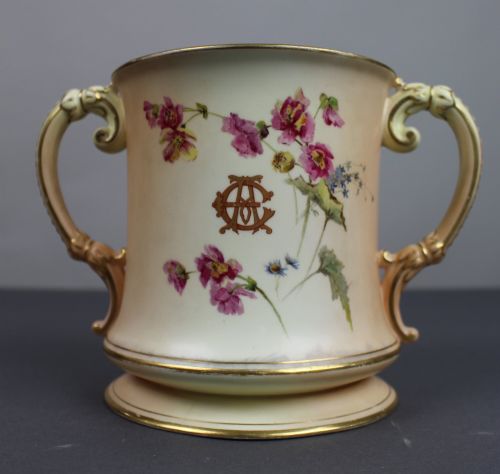
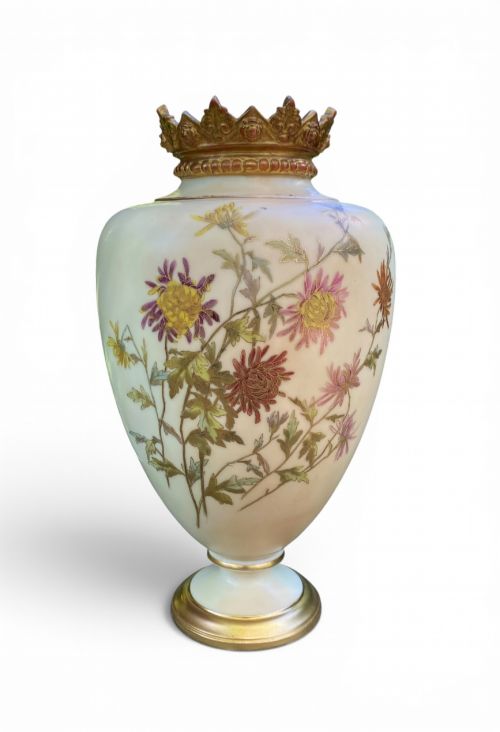
An edwardian porcelain vessel encompasses utilitarian and decorative ceramic items produced around the turn of the twentieth century, bridging Victorian and later decorative movements. Buyers looking for an edwardian porcelain vessel will encounter various forms, ranging from bud vases and boat-shaped bowls to loving cups and covered urns.
The selections on this page draw from periods spanning the late nineteenth century through the 1920s, incorporating styles like Art Nouveau, Art Deco, and traditional Imari patterns. Most pieces reflect British production, alongside select Continental and Japanese imports available during the era.
Materials and methods of construction
Potters utilised fine porcelain, bone china, and earthenware, shaping them into ovoid vases, octagonal bowls, and bulbous vessels. Kiln-fired bodies provided a smooth white ground suited for subsequent artistic intervention.
Makers applied polychrome enamels, glaze, and gold leaf by hand, often incorporating pierced gilt handles or intricate slip-raised patterns such as stoneware lace.
The inventory includes items spanning the Victorian era, the Edwardian period, and the roaring twenties.
Distinctions in craftsmanship and artistry
Quality rests in the fidelity and skill of the hand-painted decoration, where signed works by recognised ceramic artists command greater attention than standard factory output. The precision of the gilding and the depth of the enamel work further separate standard production wares from ambitious exhibition pieces.
Form and proportion dictate the standing of a vessel, with balanced potting and complex shapes like pierced handles or covers demonstrating superior technical mastery from the potter.
Royal Worcester·Royal Crown Derby·Royal Doulton·Wedgwood·Alexandra Porcelain Works Ernst Wahliss
The Edwardian Porcelain Vessel Glossary
- Imari
- A decorative style featuring rich underglaze blue and iron-red overglaze with extensive gilt enrichment, widely adopted by European potteries.
- Lustre
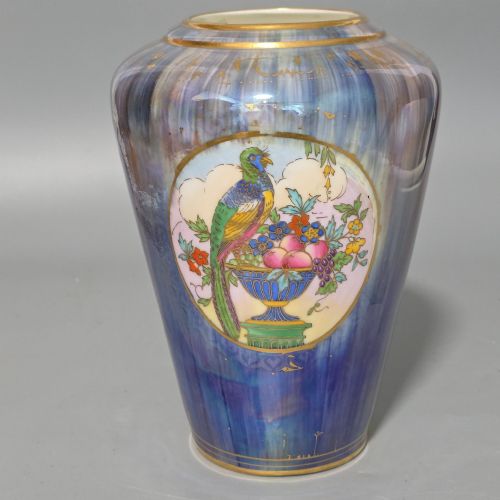
- A type of ceramic glaze that imparts a metallic or iridescent sheen through the reduction of metallic oxides during firing.
- Gilding
- The application of gold leaf or gold paint to ceramic surfaces, highlighting handles, rims, and decorative borders.
- Enamel
- Opaque or translucent glass applied to fired porcelain and fixed through a secondary low-temperature kiln firing.
Edwardian Porcelain Vessel: Frequently Asked Questions
How do I identify an edwardian porcelain vessel?
Check the base for factory backstamps, registration numbers, and artist signatures that date the piece to the early twentieth century.
Stylistic cues such as muted pastel palettes, naturalistic bird or floral painting, and transitional Art Nouveau motifs also indicate the period.
Were these vessels used for display or utility?
Many items served dual purposes as ornamental mantelpiece ornaments, cabinet pieces, or functional containers for flowers and potpourri.
Larger bowls and jardinières accommodated cut blooms, whilst smaller vases and loving cups functioned primarily as decorative works of art.
How should I clean my porcelain vessel?
Dust the surface gently with a soft, dry brush to prevent the accumulation of particles without disturbing delicate enamel or gilt details.
Avoid submerging pieces with gold leaf or hand-painted overglaze decorations in water, as harsh cleaning agents can damage the finish.
What subjects appear on painted porcelain vessels?
Artists frequently rendered British birds, including pheasants and storks, alongside detailed floral sprays like chrysanthemums and roses.
Landscape scenes, castles, and historical battle motifs also decorated premium works produced by factory painters.