



Edwardian Porcelain Plaque
An edwardian porcelain plaque brings hand-painted detail and ceramic artistry to a wall or cabinet.
Edwardian Porcelain Plaque
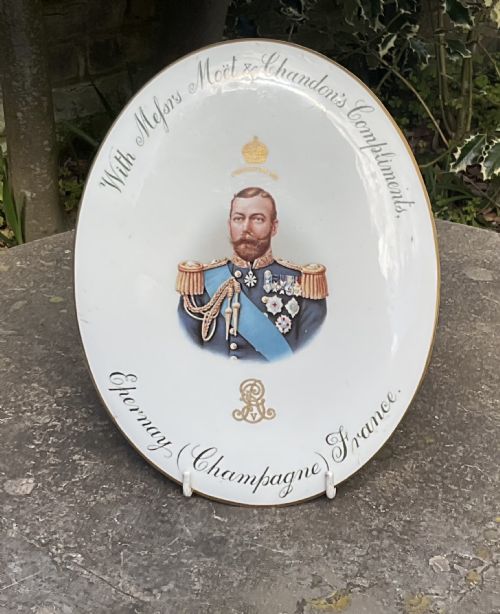
An edwardian porcelain plaque represents finely painted ceramic art, often found framed as wall art or mounted within furniture.
The pieces on this page span the Edwardian period alongside nineteenth century examples, featuring delicate hand-painted subjects.
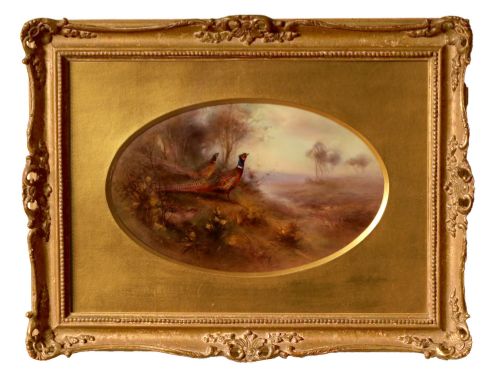
Makers such as Royal Worcester dominate the selection, producing individual plaques and paired works decorated with birds or natural scenes.
How they were made
Porcelain serves as the primary canvas, fired at high temperatures to provide a smooth, white surface for detailed miniature painting.
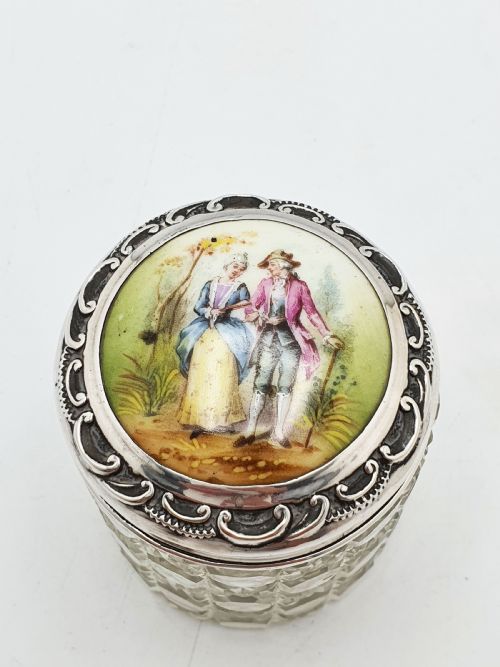
Artists applied fine pigments by hand, capturing intricate subjects like birds and figures before sealing the work with a glossy glaze.
Edwardian Porcelain Plaque Retail Price Guide 2026
Typical asking prices for edwardian porcelain plaque among the pieces listed under this phrase on Sellingantiques today, from the lower quarter to the upper quarter. They describe what is for sale here now, not the wider market.
A miniature hand-painted plaque captures a cherub kissing cupid and psyche.
What varies in quality
The skill of the hand-painting dictates the distinction between standard ceramic items and masterworks by named artists.
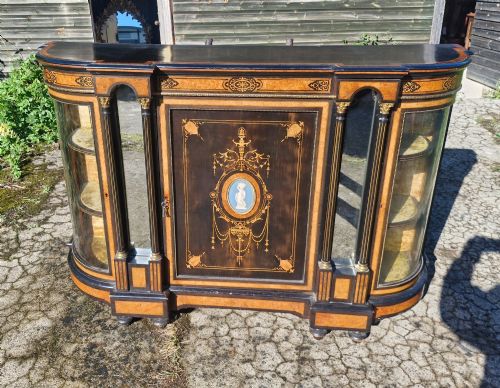
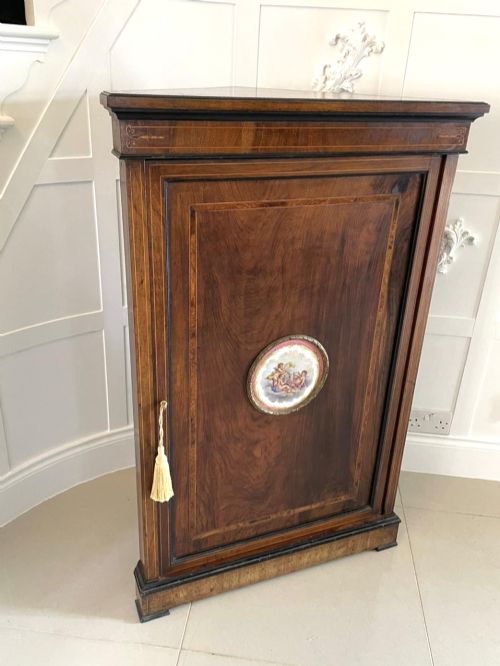
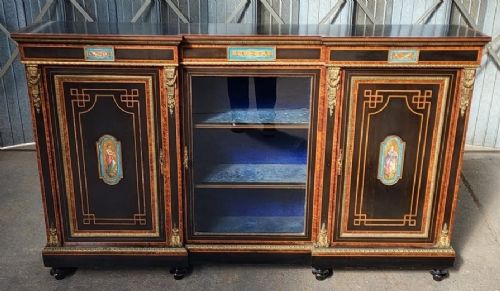
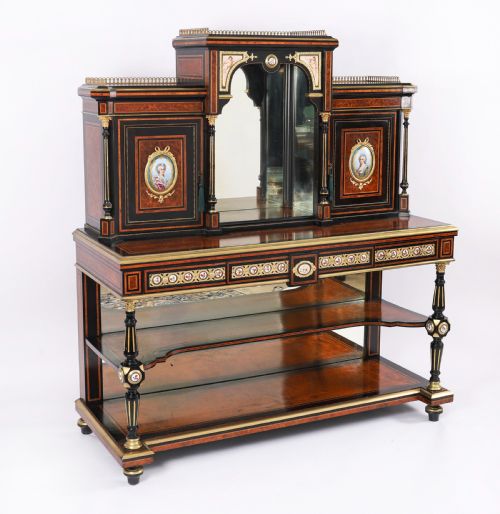
Mounting materials such as ormolu, giltwood, or ebonised wood frame the porcelain with varying degrees of craftsmanship and decorative ambition.
James Stinton·Royal Worcester·Royal Doulton
The Edwardian Porcelain Plaque Glossary
- Porcelain
- A hard, white ceramic material fired at high heat. It forms the smooth base used for detailed hand painting.
- Ormolu
- Gilded bronze or brass used for mounts and decorative frames. It adds metallic contrast to ceramic surfaces.
- Vitrine
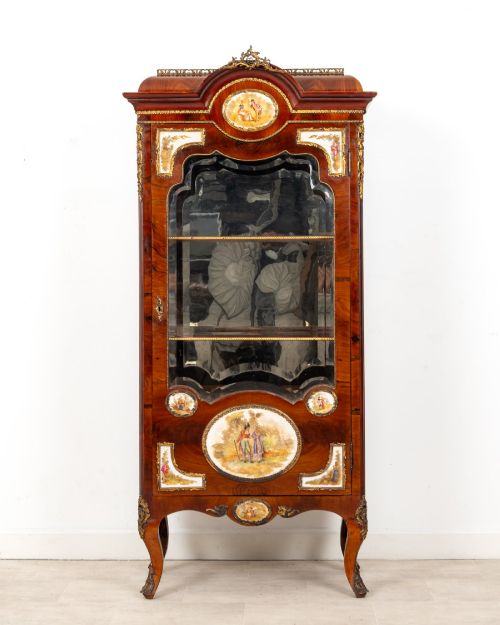
- A glass-fronted display cabinet. These pieces frequently incorporate porcelain plaques within their wooden structure.
Edwardian Porcelain Plaque: Frequently Asked Questions
How do I hang a porcelain plaque?
Most framed plaques utilise secure picture wire attached to the wooden backing or original frame.
Ensure the wall fixing supports the combined weight of the ceramic and its mount.
Who painted these porcelain plaques?
Noted artists such as James Stinton painted natural subjects on ceramic surfaces for factories like Royal Worcester.
Signatures often appear directly on the face of the plaque.
Are these plaques mounted in furniture?
Period pieces frequently integrate ceramic plaques into cabinets, credenzas, and tables alongside ormolu mounts.
Others exist as standalone framed wall art.
How should I clean porcelain plaques?
Dust the surface gently with a soft, dry cloth to protect the delicate hand-painted glaze.
Avoid liquid cleaners or abrasive materials entirely.