






Edwardian Porcelain Figurines
Edwardian porcelain figurines bring character and period charm to a room, showing the sculptural ambitions of early twentieth-century makers.
Edwardian Porcelain Figurines
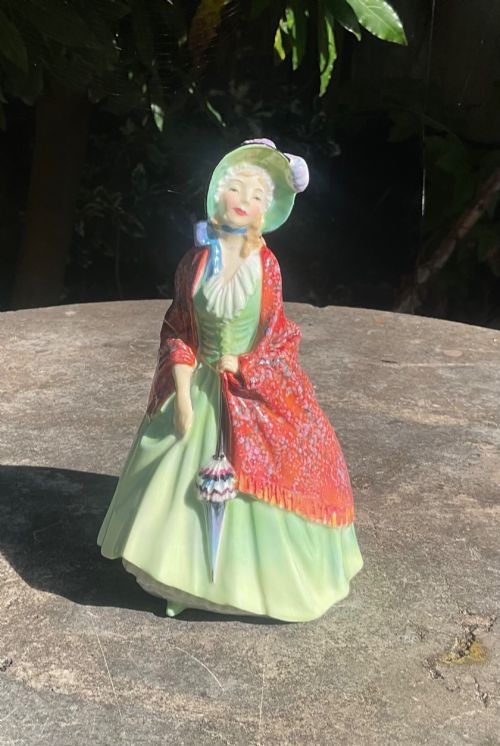
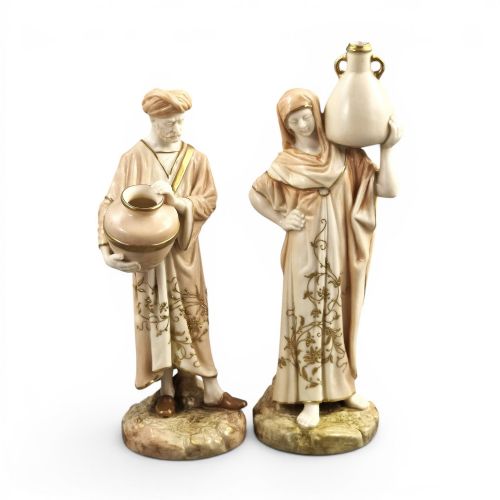
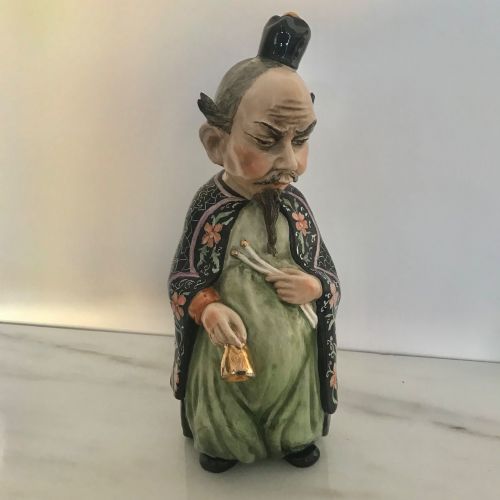
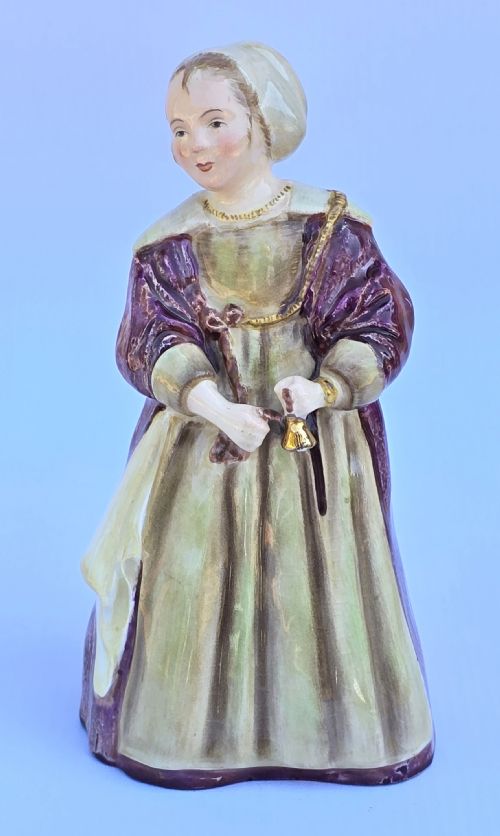
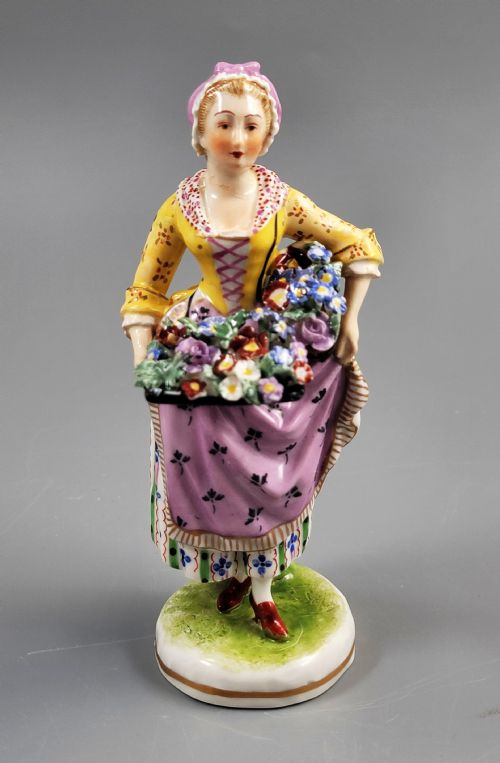
Edwardian porcelain figurines encompass sculptural figures, decorative groups, and figural vessels like posy holders and spill vases. The selection spans domestic subjects, water carriers, and elegant young women shaped by the tastes of the early twentieth century.
Most examples date from the 1900s to the 1910s, with occasional crossovers into adjacent decades. Collectors encounter European porcelain from English potteries, Bohemian works, and continental factories working in styles from Art Nouveau to Rococo Revival.
Forms serve both decorative and practical roles on this page, appearing as standalone figures, pairs carrying animals, and combined candlestick holders. These pieces reflect the period preference for expressive domestic ornament.
Materials and production methods
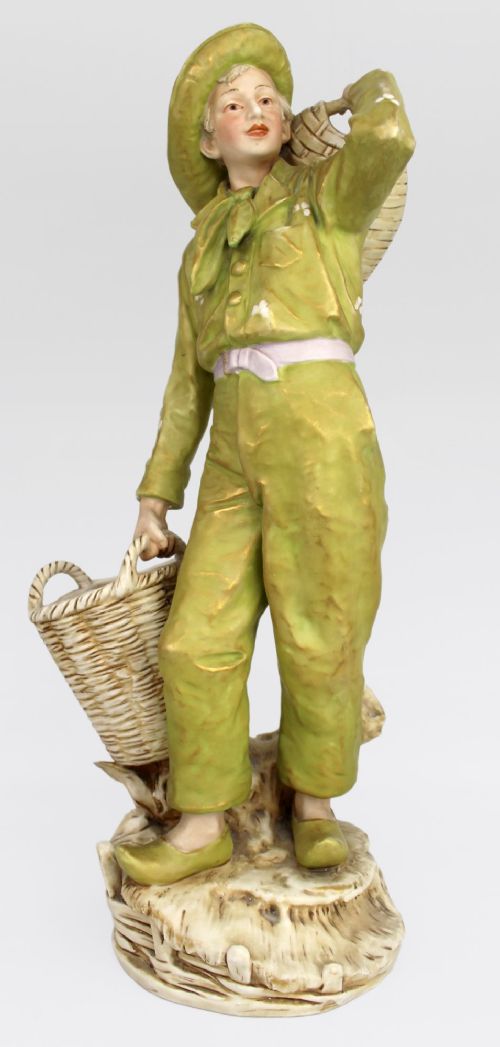
Makers utilised fine porcelain and earthenware bodies, often finished with detailed glazes and bisque surfaces that left the ceramic unglazed for a matte texture. These materials formed the base for intricate sculptural modelling.
Fishermen, fox hunters, and puppy sellers share shelf space with water nymphs and delicate ladies holding jugs.
Assessing quality in the range
Quality rests in the crispness of the modelling and the precision of the hand-painted enamels. Finer examples display subtle facial expressions and carefully rendered drapery that separate them from mass-produced output.
The sophistication of the glaze work and the preservation of gilt or gold leaf details also distinguish superior pieces. Factory execution and the reputation of the modeller dictate the standing of individual figures within the range.
Royal Doulton·Royal Dux Bohemia·Royal Worcester·Wedgwood and Co Ltd·Volkstedt·Dressel Kister and Cie·Ernst Wahliss·Royal Bayreuth
The Edwardian Porcelain Figurines Glossary
- Bisque
- Unglazed porcelain with a smooth, matte finish that resembles marble. It was widely used for detailed figural groups and portrait pieces.
- Spill vase
- A small container designed to hold wooden spills used for lighting candles or fires. They are frequently incorporated into figural ceramic designs.
- Posy holder
- A small ceramic vessel intended to display short-stemmed flowers. These often form part of a figural composition.
- Enamel
- A decorative vitreous coating applied to ceramics and fired for colour. Hand-enamelled details bring life to clothing and accessories.
- Gilt
- A thin layer of gold applied to ceramic surfaces for accent. It appears on borders, bases, and decorative trim.
Edwardian Porcelain Figurines: Frequently Asked Questions
How were these figures used originally?
These pieces served as decorative ornaments on mantelpieces, side tables, and cabinets within Edwardian homes. Some combined forms additionally functioned as candlesticks or small vases for flowers.
Their presence added a touch of artistic refinement to domestic interiors, reflecting contemporary tastes in sculpture and design.
How do I identify an Edwardian piece?
Look to the stylistic markers of the period, particularly Art Nouveau influences and the specific modelling of clothing and hair. Maker marks and registration numbers stamped on the base help narrow the production era.
Evidence in the titles points strongly to production years around the first decade of the twentieth century.
What is bisque porcelain?
Bisque is unglazed ceramic that has been fired once, leaving it with a porous, matte texture. It was favoured for figures because it captured fine details without the softening effect of a glossy glaze.
Collectors appreciate this finish for its similarity to carved marble.
How should I display them at home?
Place figures on stable surfaces away from high-traffic areas where they might be knocked over. Good lighting helps highlight the painted details and sculptural contours of the porcelain.
Pairing matching figures, such as companion pieces or animal-carrying pairs, creates a balanced display on a shelf or sideboard.