
Edwardian Pocket Watch Chain
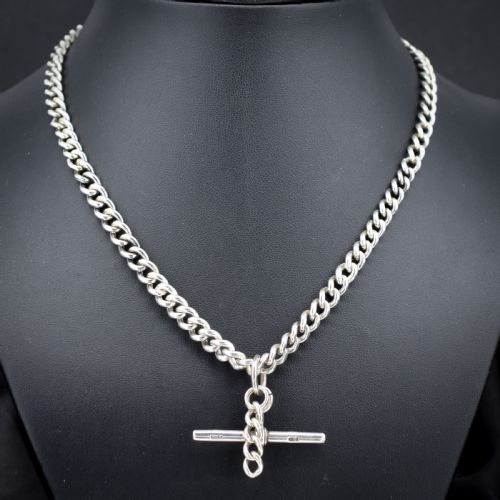
An edwardian pocket watch chain is a functional piece of historic haberdashery repurposed as a wearable neck chain.
Edwardian Pocket Watch Chain
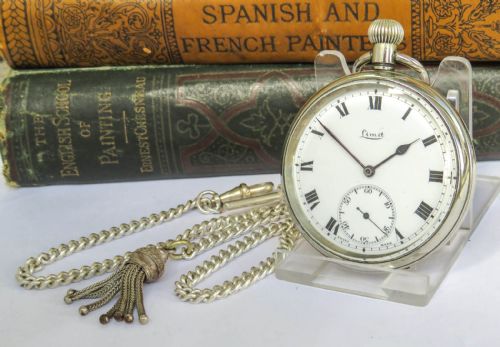
An edwardian pocket watch chain is a length of interconnected metal links designed to secure a timepiece to a waistcoat buttonhole via a T-bar. When searching for this specific phrase, buyers encounter examples spanning the late nineteenth century through to the interwar period, though pieces originating from the Edwardian era itself dominate the selection.
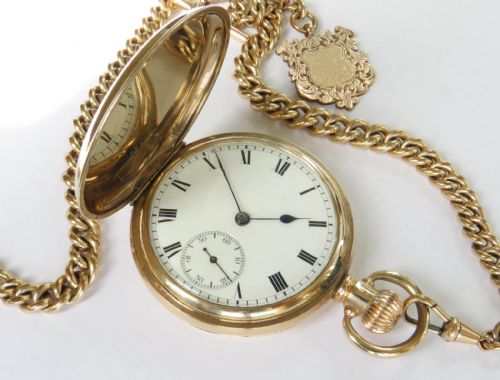
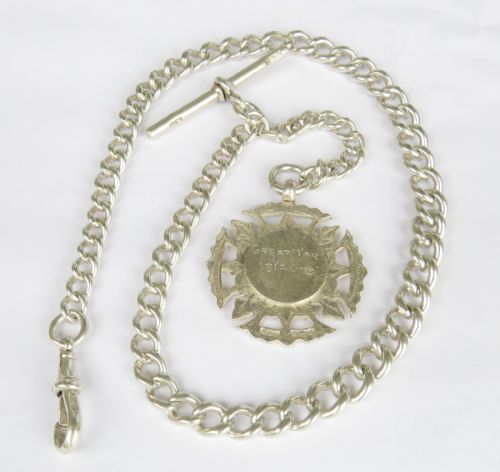
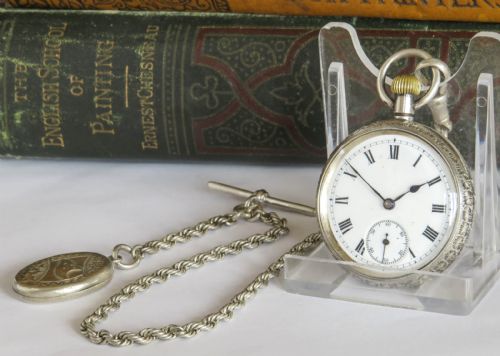
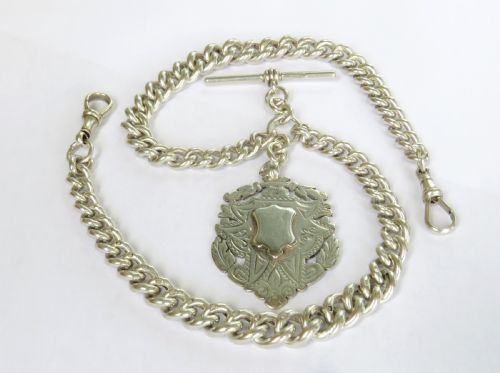
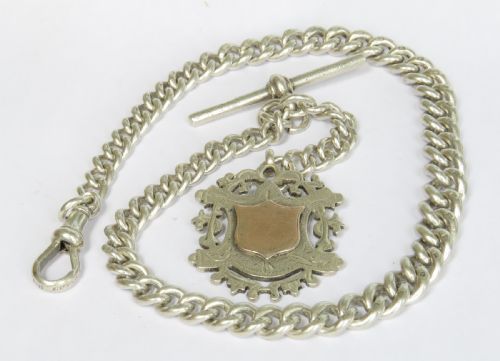
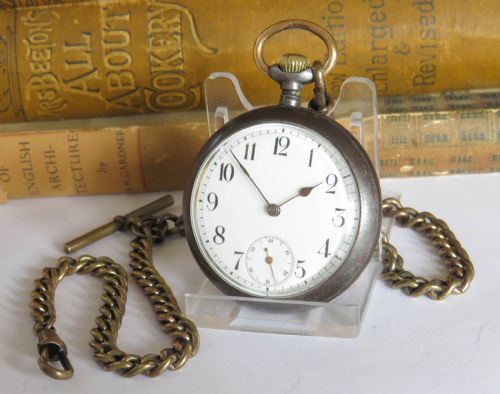
The forms vary from simple uniform links to elaborate configurations incorporating love knots, tassels, and associated fobs. Many survive paired with pocket watches or feature dog clips at either end, reflecting their original purpose of anchoring timepieces securely to tailoring.
How They Were Made
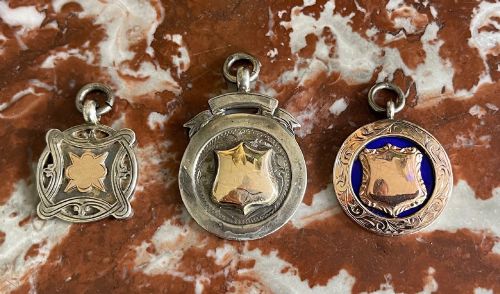
Silversmiths and goldsmiths utilised sterling silver and various grades of gold, including 9ct, 10ct, 15ct, and 18ct, alongside rolled gold and base metals like brass and steel. Enamel and glass components occasionally appear as decorative accents on attached fobs or seals.
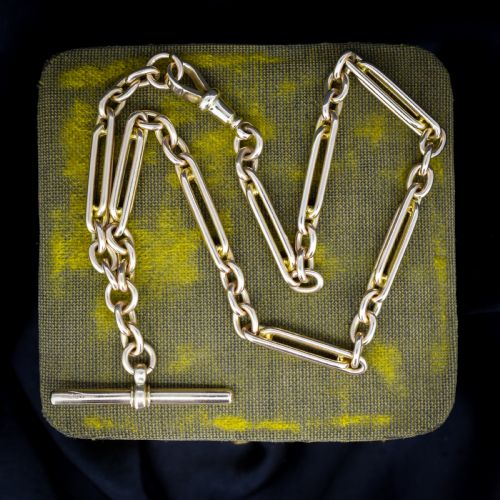
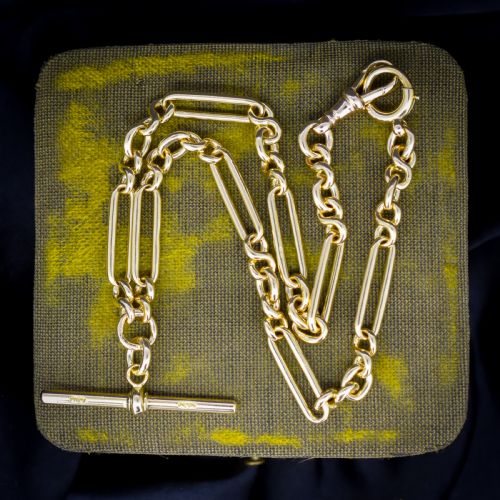
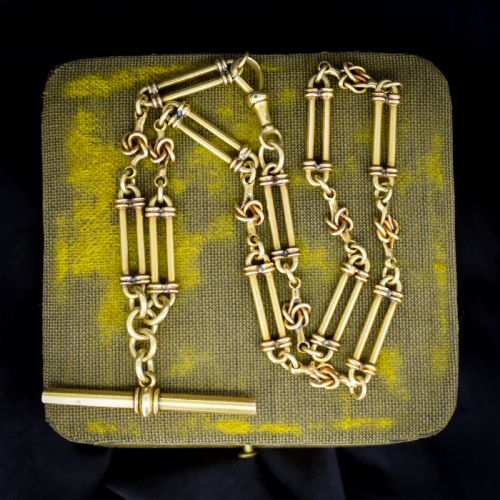
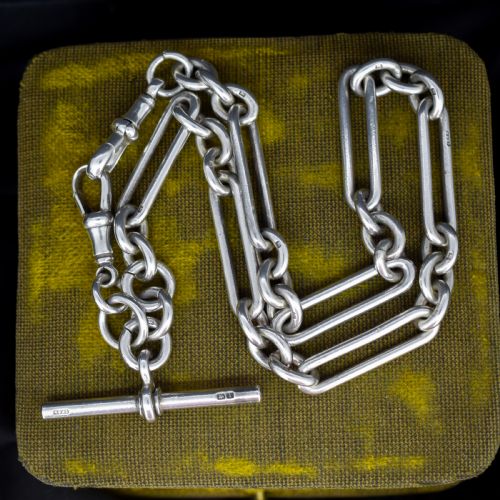
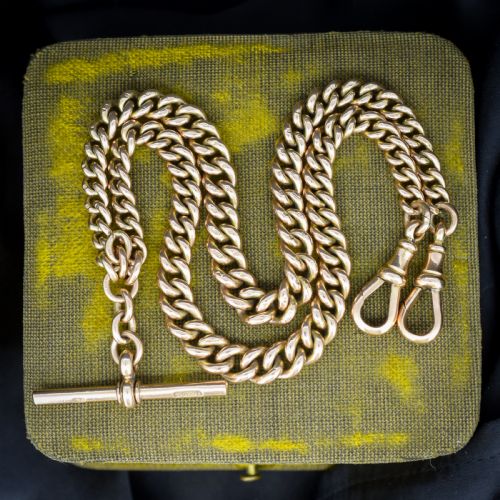
Links were individually formed, shaped into curb, trombone, figaro, or oval patterns, and hand-assembled into flexible strands. Standard mechanical components such as dog clips, bolt rings, and T-bars were then soldered or attached to complete the wearable chains.
Periods represented span from the late nineteenth-century Victorian era through the Edwardian years and into the 1920s and 1930s.
What Varies in Quality
The calibre of an edwardian pocket watch chain depends largely on the weight of the precious metal and the complexity of its link construction. Solid gold and heavy sterling silver specimens represent the upper tier of production, showing robust gauge wire and secure, well-engineered clasp mechanisms.
Subtleties in design execution, such as crisp hallmarks stamped into individual links and intricate detailing on love knots or swivel dog clips, distinguish finer workshop output from simpler utilitarian pieces. The inclusion of matching original fobs or seals also elevates the integrity of the ensemble.
The Edwardian Pocket Watch Chain Glossary
- Albert chain
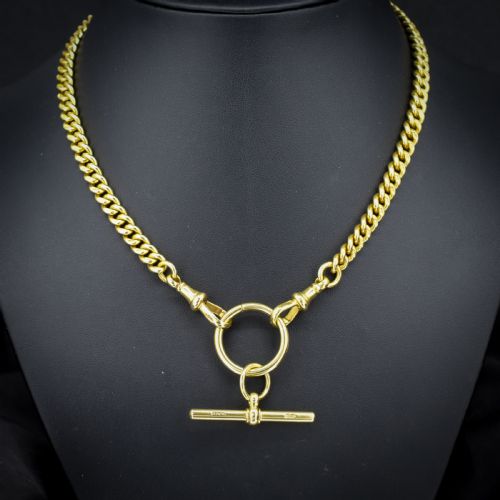
- A pocket watch chain named after Prince Albert, designed to stretch across a waistcoat with a T-bar at one end and a watch at the other. They are frequently worn today as necklaces.
- Dog clip
- A spring-loaded swivel clasp attached to the ends of a watch chain to secure a timepiece or fob. This mechanism allows the attached item to rotate freely without twisting the metal links.
- T-bar
- A short transverse bar of metal attached to the centre or end of a watch chain. It was slotted through a waistcoat buttonhole to anchor the chain securely.
- Trombone link
- A specific link style featuring alternating long rectangular bars and smaller circular rings. This geometric pattern is a hallmark of period watch chain design.
- Full hunter
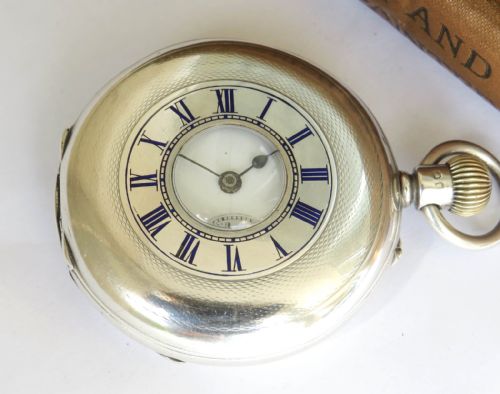
- A pocket watch featuring a spring-loaded metal cover that protects the glass dial. These watches frequently accompany surviving period chains.
Edwardian Pocket Watch Chain: Frequently Asked Questions
How do I wear an edwardian pocket watch chain today?
These chains easily transition from historical waistcoats to modern neckwear by fastening the dog clip directly to a jump ring or link. Many buyers wear them doubled as chokers or extended as long necklaces.
Original T-bars and dog clips are typically left to dangle as decorative elements at the front or side of the neck.
What is the difference between an albert and an albertina chain?
An albert chain generally consists of a single primary strand of uniform or graduated links fitted with a T-bar and dog clips. They were traditionally worn by men across waistcoats.
An albertina is a finer, more delicate multi-strand variation often finished with tassels or sliding pendants. These lighter pieces were traditionally created for women.
How can I date an antique watch chain?
Dating relies heavily on official hallmarks stamped onto the individual links, T-bars, or dog clips. British pieces often bear assay office marks and date letters indicating the precise year of creation.
Stylistic indicators such as trombone links or niello work also point toward specific decades around the turn of the twentieth century.
What are watch fobs used for?
Watch fobs are small decorative ornaments or seals attached to the end of a pocket watch chain. Historically, they were used to impress wax for letters or simply to add weight and ornamentation to the dangling chain.
Today, they survive as collectible charms that remain suspended from the primary chain structure.