


Edwardian Pocket Match Safe
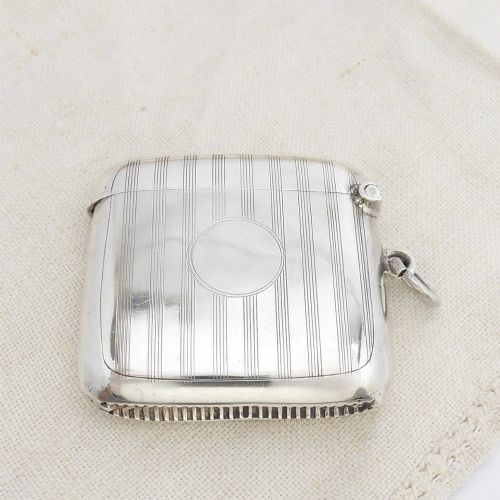
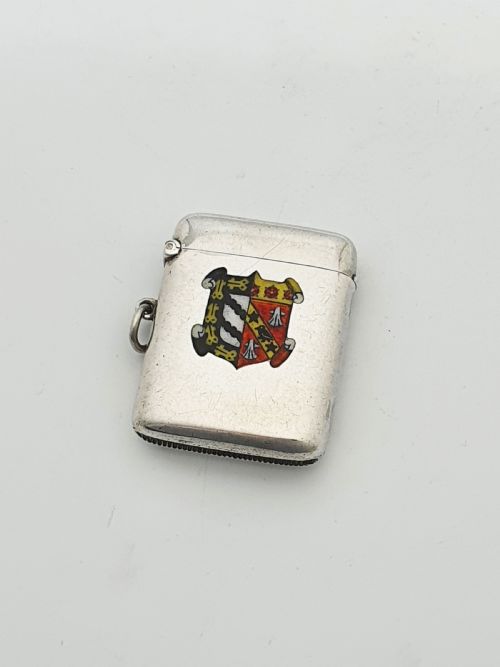
An Edwardian pocket match safe is a small metal container designed to carry safety matches securely in a waistcoat pocket.
Edwardian Pocket Match Safe
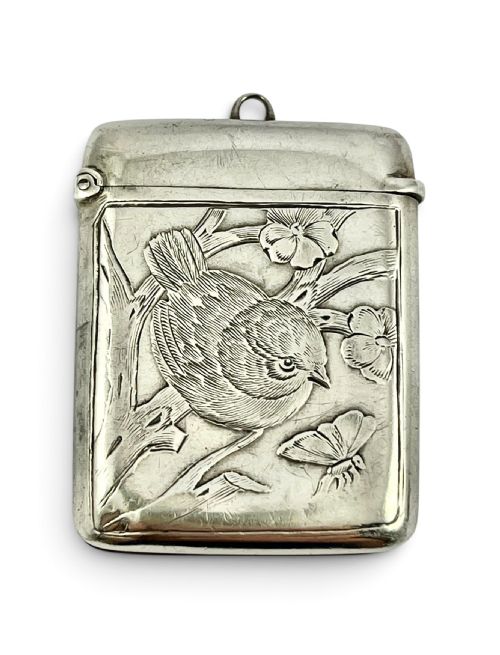
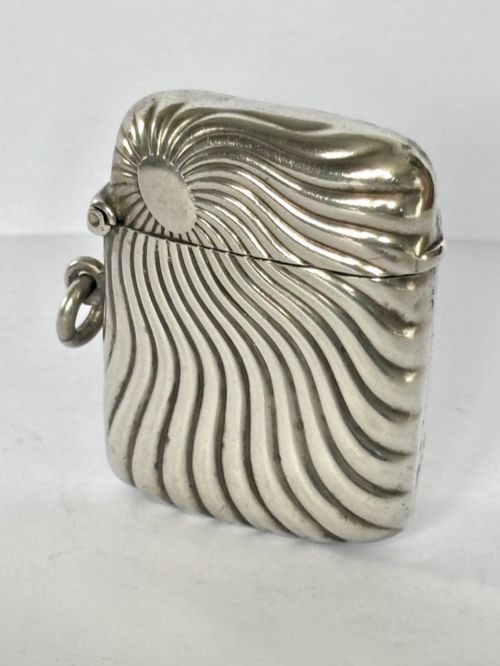
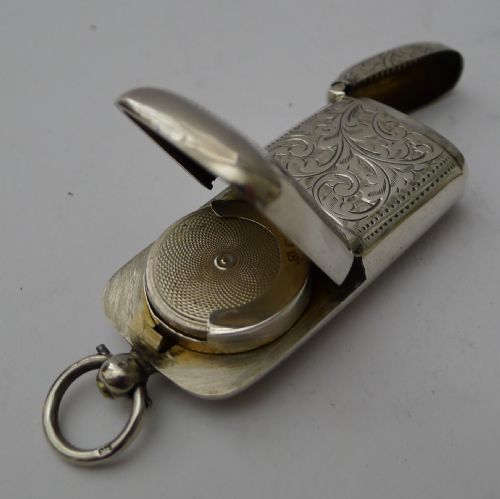
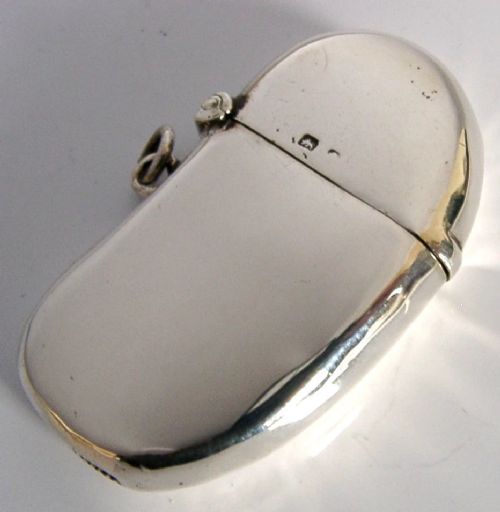
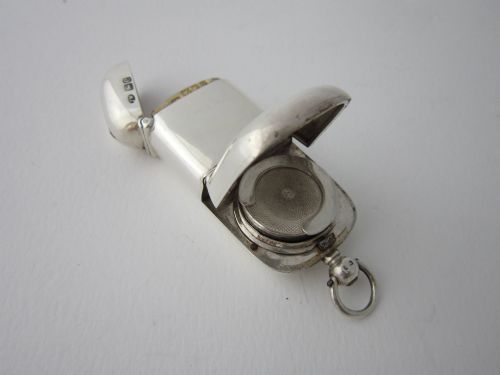
An Edwardian pocket match safe, frequently called a vesta case, holds wax matches safely away from friction. The pieces seen here span the Edwardian era, alongside Victorian, 19th Century, and George V periods.
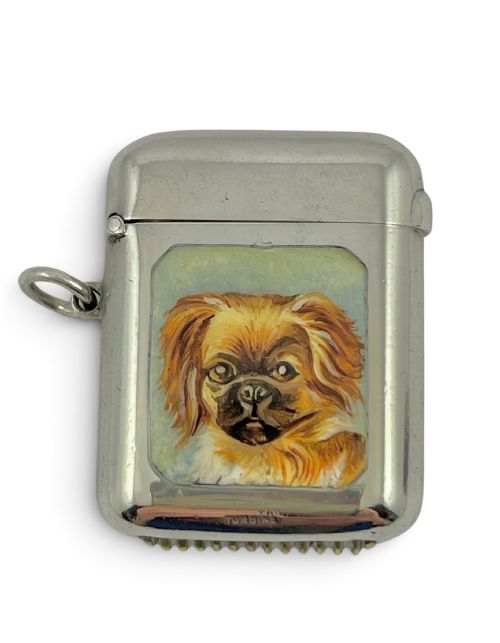
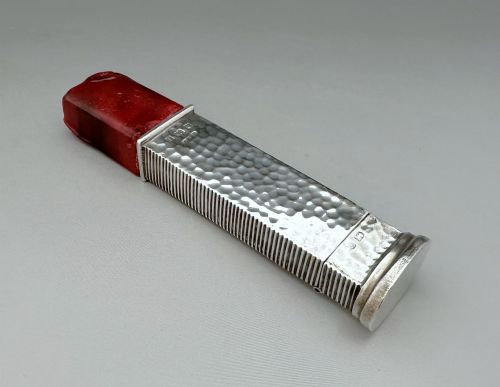
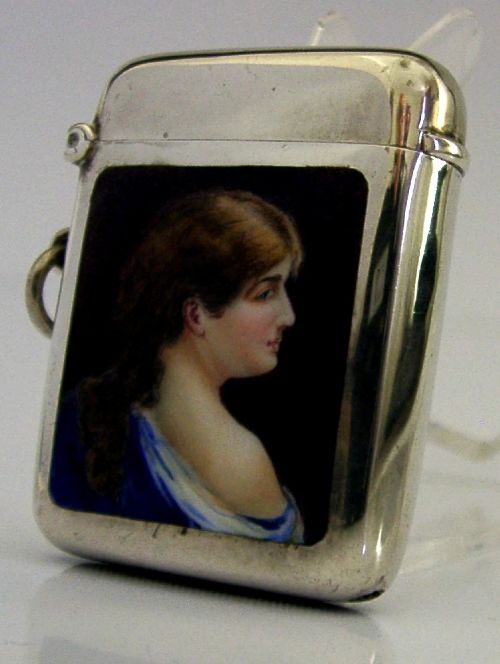
Most examples take standard rectangular or kidney shapes, though novelty forms shaped like animals or human portraits appear among the selection. They often double as sovereign cases or incorporate compartments for sealing wax and stamps.
Makers utilised various hallmarks from assay offices including Birmingham and Chester to denote the standard of the metal. Watch fobs also feature alongside traditional pocket vestas.
Materials and construction methods
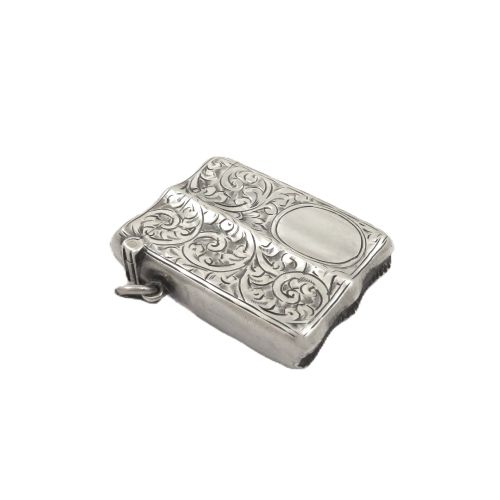
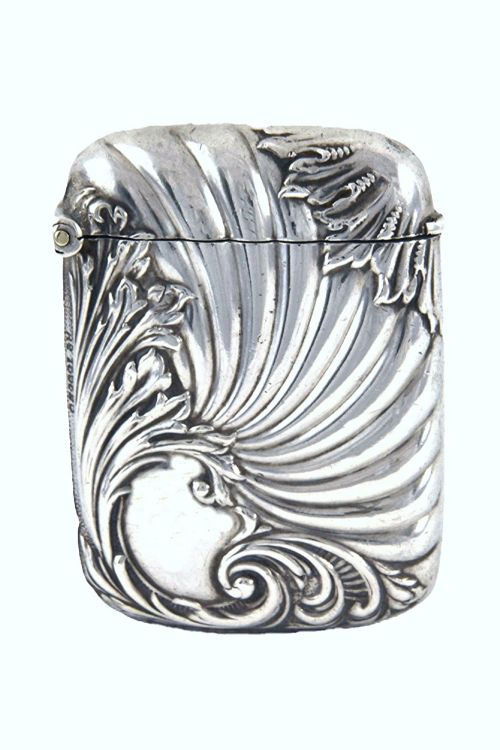
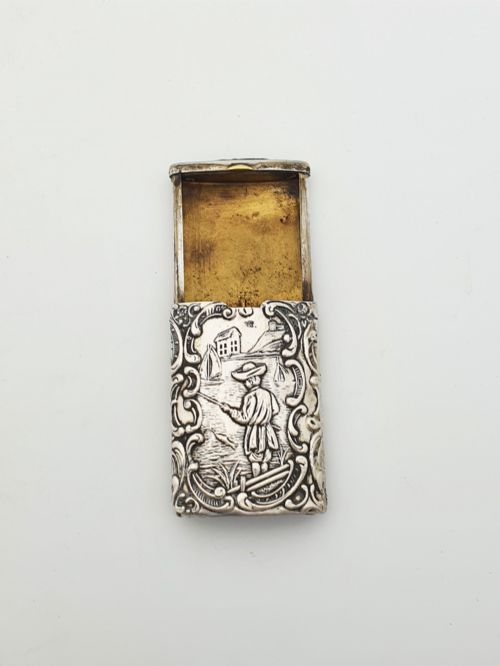
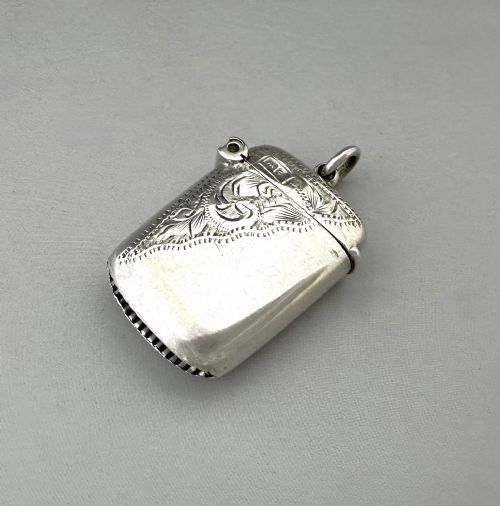
Sterling silver forms the primary material for these match safes, supplemented by 800 silver, nickel-plated brass, and gold accents. Craftsmen applied repoussé work, hand painting, and engraved leaf and scroll motifs directly onto the metal surface.
Enamel, vitreous enamel, and suede provide decorative contrast and internal lining. Artisans combined hinged lids with serrated striking strips typically integrated into the base for practical ignition.
Listings feature sterling silver, 800 silver, enamel, and gold materials across Victorian, Edwardian, and George V periods.
Distinctions in quality and execution
The clarity and depth of repoussé relief work separate standard production pieces from finer examples. Crisp engraving on leaf and scroll designs indicates skilled hand tooling by period silversmiths.
Complexity of form governs the upper tier of the range, seen in combination sovereign cases, hand-painted enamel portraits, and detailed animal novelties. The alignment of the hinged lid and the retention of original gilding or vermeil further indicate superior execution.
ROBERT CHANDLER·Alfred Clark·J.B. BENNET·Sampson Mordan·William Hair Haseler
The Edwardian Pocket Match Safe Glossary
- Vesta case
- A small pocket container for holding matches, named after Vesta, the Roman goddess of the hearth.
- Sovereign case
- A small circular container designed to hold British sovereign gold coins, frequently combined with match compartments.
- Repoussé
- A metalworking technique where the artisan hammers the design from the reverse side to create raised relief on the front.
- Vermeil
- Sterling silver plated with a thin layer of gold.
- Hallmark
- An official stamp applied to precious metals indicating the purity, assay office, and year of manufacture.
Edwardian Pocket Match Safe: Frequently Asked Questions
What is an Edwardian pocket match safe?
An Edwardian pocket match safe is a portable metal container designed to carry matches safely in a pocket. They protect fragile early matches from accidental ignition and moisture.
Most examples feature a hinged lid and a serrated striking strip on the bottom. They reflect the prevalent styles and silver manufacturing methods of the early twentieth century.
How were match safes used?
Gentlemen and ladies carried these containers in pockets or suspended them from watch chains as fobs. They provided a secure method for transporting matches before the widespread availability of safety matchboxes.
Combination versions also held gold sovereigns, stamps, or sealing wax for correspondence. The integrated striker allowed the user to ignite a match immediately upon opening the case.
How do I identify the date?
Assay office hallmarks stamped on the exterior metal provide the specific year of manufacture. Letters correspond to date codes used by offices in cities such as Birmingham and Chester.
Stylistic indicators like Art Nouveau curves or Edwardian proportions help narrow down the period when hallmarks are rubbed. Comparing the construction techniques provides further chronological context.
What are novelty vesta cases?
Novelty vesta cases are match safes shaped to resemble animals, human faces, or specific objects. Examples include figures shaped like cats, pug dogs, or portrait heads.
These pieces demonstrate the lighter side of Edwardian and Victorian silver manufacturing. Makers utilised detailed casting and repoussé work to achieve realistic forms.