
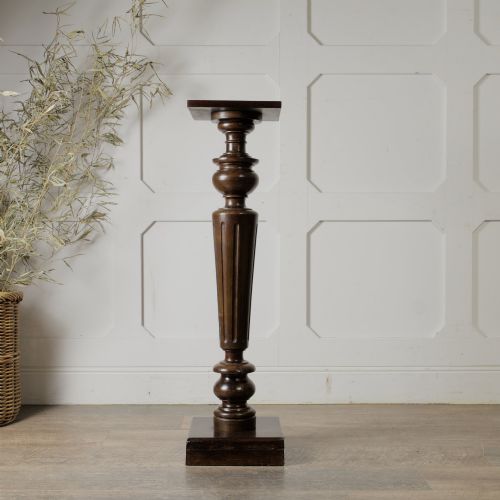
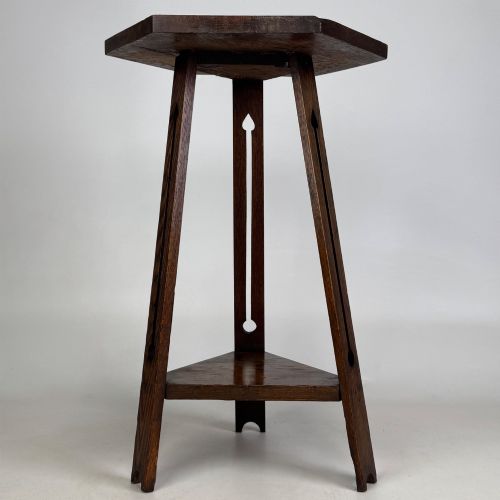
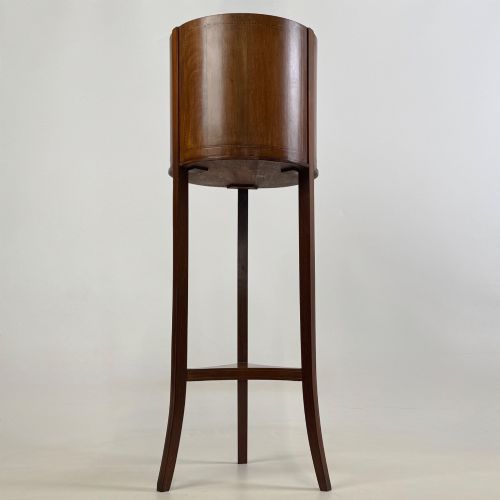
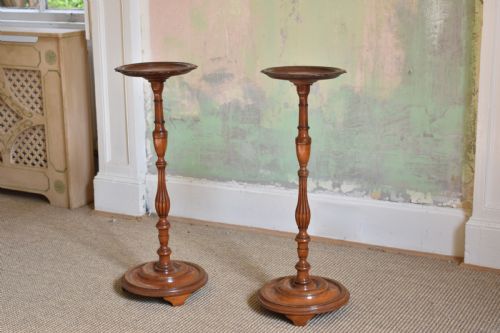
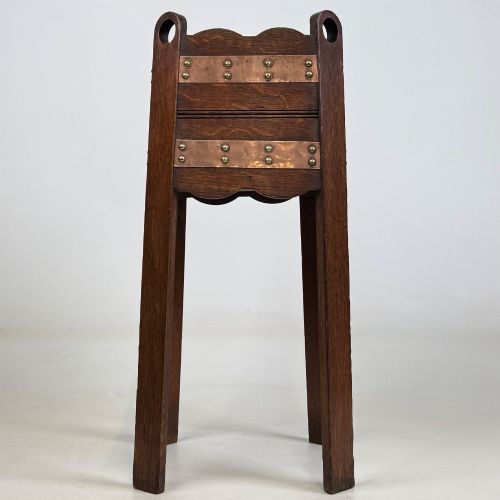
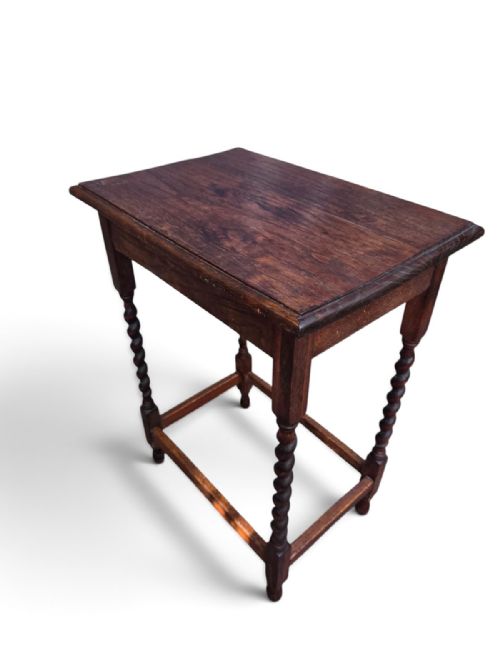
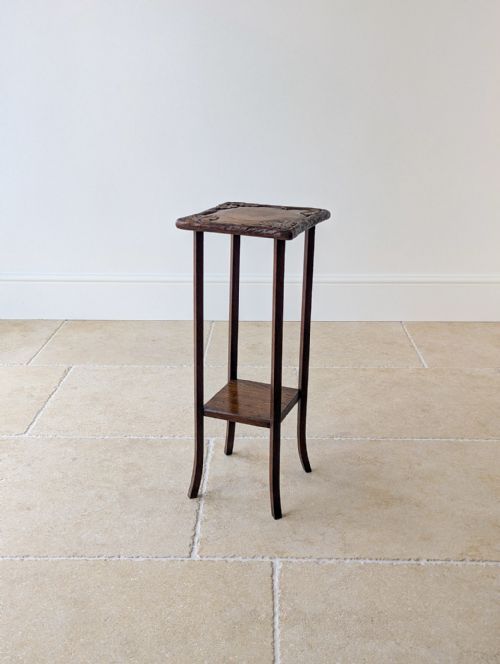
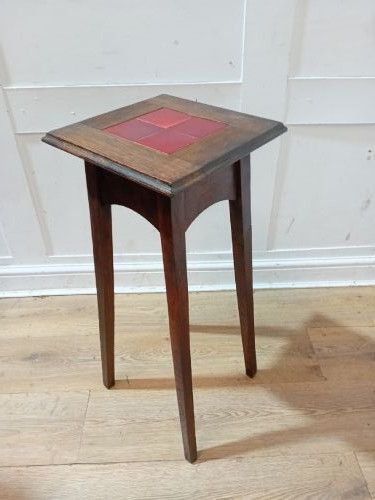
Edwardian Plant Pedestal
An Edwardian plant pedestal elevates greenery with slender grace, bringing purposeful height and organic texture to any corner of a room.
Identifying an Edwardian plant pedestal
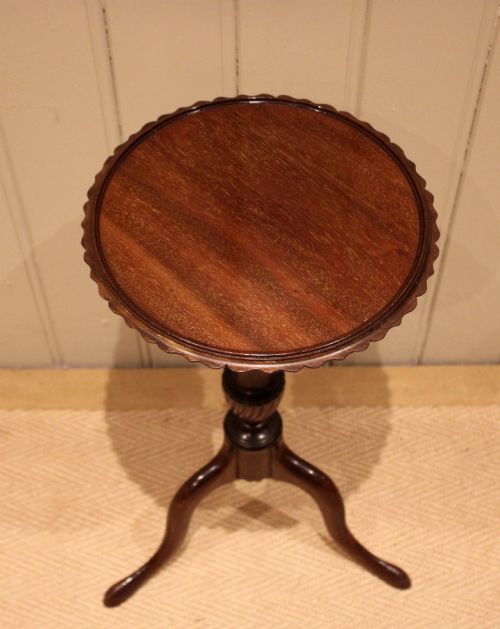
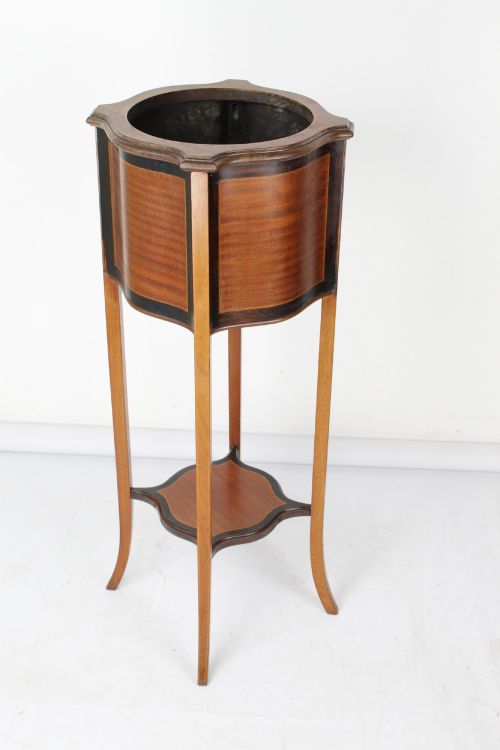
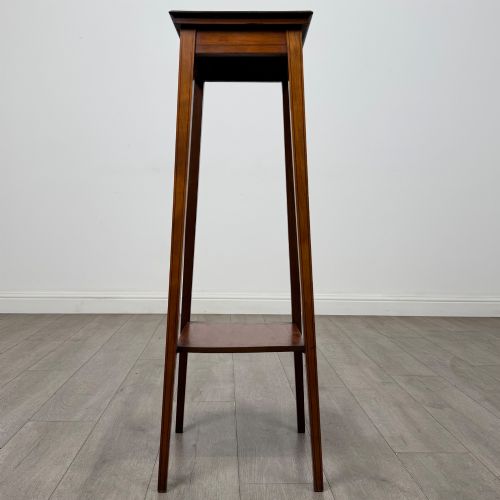
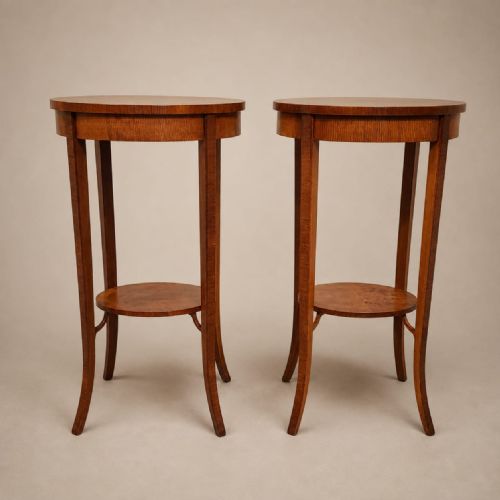
The edwardian plant pedestal encompasses tall stands, plant stands, and torcheres designed specifically to display ferns, flowers, and jardinieres within domestic interiors. These furnishings provide vertical interest in a room, raising foliage off the floor to catch the light and complete a Victorian or Edwardian interior scheme.
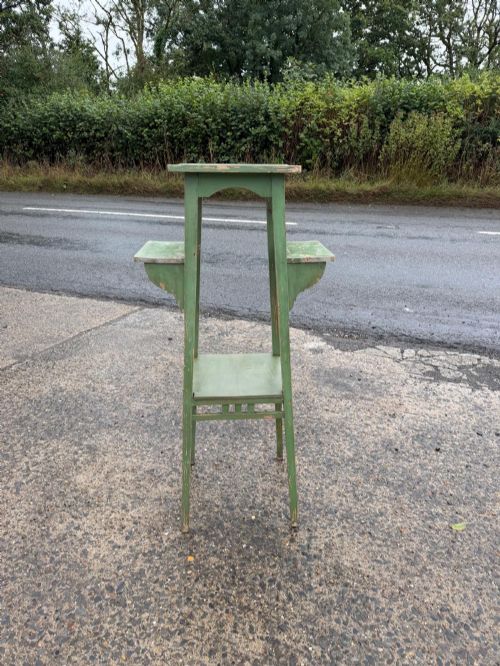
Visitors browsing this page encounter pieces originating principally from the Edwardian era, alongside related items from around nineteen hundred and the nineteen twenties. Common forms include single-tier columns, two-tier display stands, and tall carved jardiniere holders that serve both functional and decorative roles.
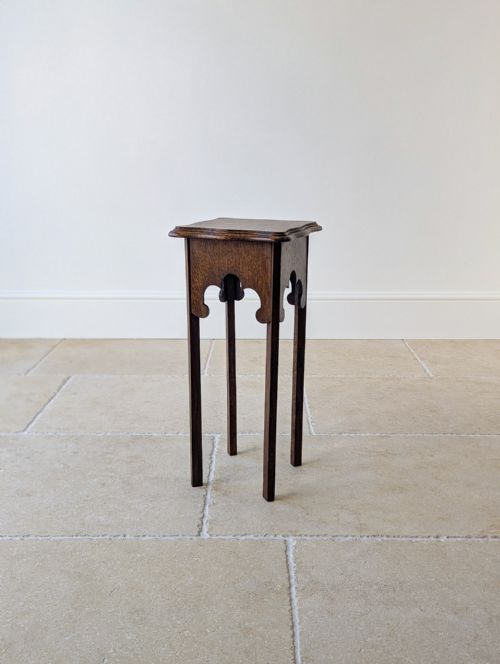
Makers of the period drew upon diverse aesthetic movements, producing examples in the Arts and Crafts style, Art Nouveau, and Queen Anne Revival alongside simpler utilitarian designs. This variety ensures that buyers can select a pedestal that complements both traditional period rooms and more eclectic modern spaces.
Materials and construction methods
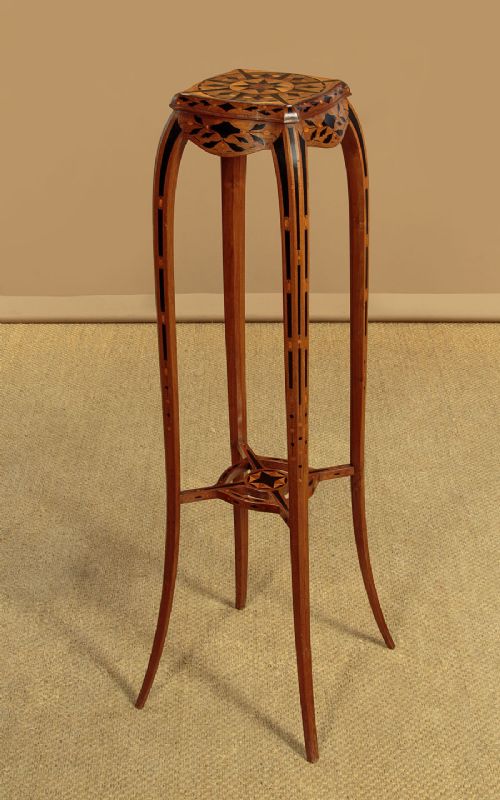
Makers constructed these stands using a rich variety of timbers, most notably mahogany, walnut, oak, satinwood, specimen wood, ebony, and pine. Some pieces feature intricate inlaid decoration or contrasting wood veneers, while others rely on carved detailing or painted finishes such as green paint and black lacquer.
Metal elements occasionally supplement the woodwork, with brass fixtures appearing on select stands to reinforce joints or decorate the vessel holders. Joinery and turning techniques varied according to the workshop, resulting in sturdy shafts supported by tripod bases or flared square feet.
Retail Price Guide 2026
Typical UK retail prices for edwardian plant pedestal, calculated from the Sellingantiques database of over a million retail prices indexed since 2003. This retail price guide relies exclusively on Sellingantiques data; no external sources or auction records are used, so the figures do not describe the wider market.
The listings span the Edwardian period, nineteen hundred, and nineteen twenty, featuring both simple painted items and inlaid specimen wood designs.
Distinguishing quality across pieces
Quality in an edwardian plant pedestal reveals itself through the choice of timber and the sophistication of its decorative execution. Finely figured mahogany, complex specimen wood marquetry, and delicate satinwoodbanding separate ambitious workshop pieces from standard utilitarian items.
The integrity of the carving and the stability of the structural form dictate the upper tier of the range. Hand-carved flourishes, balanced proportions, and careful integration of secondary timbers such as pine indicate superior craftsmanship.
The Edwardian Plant Pedestal Glossary
- Torchere
- A tall, slender stand originally designed to hold a torch or candle, later adapted to support decorative plants and urns.
- Jardiniere
- An ornamental pot or stand intended for holding plants and flowers, often matching the woodwork of the pedestal beneath it.
- Marquetry
- The art of applying pieces of veneer to a structure to form decorative patterns, frequently seen on specimen wood tops.
- Inlay
- A technique where contrasting materials are embedded into recessions within the base timber to create surface decoration.
- Queen Anne Revival
- A style drawing inspiration from early eighteenth-century forms, characterised by graceful curves and refined proportions.
Frequently Asked Questions
What is an edwardian plant pedestal used for?
An edwardian plant pedestal serves primarily to display potted plants, ferns, and floral arrangements at an elevated level within a room.
Beyond holding foliage, these stands function as sculptural furniture pieces that fill empty corners and introduce height variation into interior design schemes.
How do I identify an Arts and Crafts plant stand?
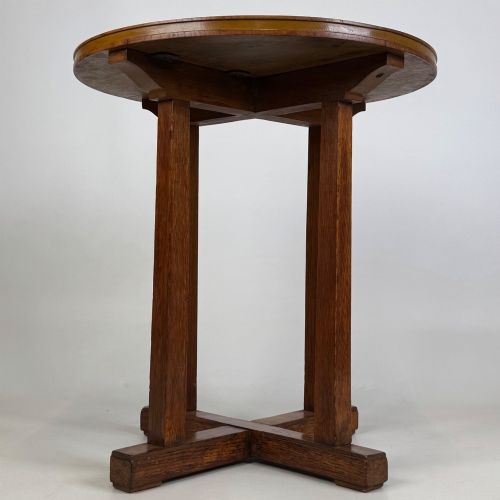
Arts and Crafts examples typically emphasise honest construction methods, visible joinery, and the natural grain of oak rather than heavy applied ornamentation.
These pieces often feature simple geometric lines or subtle linear detailing that reflects the craftsmanship ethos of the early twentieth century.
Where should I place a tall torchere stand?
A tall torchere stand works best in dead corners, beside seating areas, or framing doorways where vertical lines draw the eye upward.
Positioning the stand near a natural light source allows trailing plants or floral displays to thrive while casting interesting shadows across the room.
What distinguishes a jardiniere stand from a standard plant stand?
A jardiniere stand usually incorporates a recessed top or an integrated container specifically designed to accommodate a planted bowl or liner.
Standard plant stands generally feature a flat circular or square platform intended to support a standalone flowerpot rather than a fitted vessel.