


Edwardian Plant Holder
An edwardian plant holder brings indoor greenery and architectural form together, offering a timeless way to display ferns and floral arrangements.
Edwardian Plant Holder
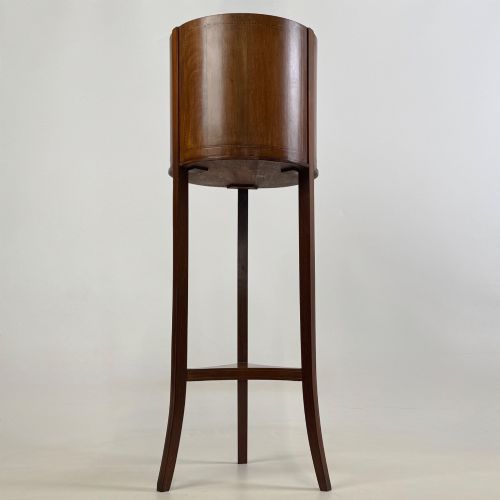
An edwardian plant holder encompasses floor-standing pedestals and table-top vessels designed for domestic horticulture. These pieces take the form of jardiniere stands, coopered oak barrels, and metal planters, often configured in mahogany, brass, and copper.
The specimens seen here span the Edwardian period alongside nineteenth-century pieces, featuring Arts and Crafts and Art Nouveau treatments. Mahogany stands and metal pots dominate the selection, reflecting the era's enthusiasm for interior flora.
Materials and Construction
Wood construction relies on mahogany and oak, with coopered barrel techniques and inlaid veneers shaping the stands and bodies. Carpenters utilised traditional joinery, turning timber for barley twist columns and tapering pedestals.
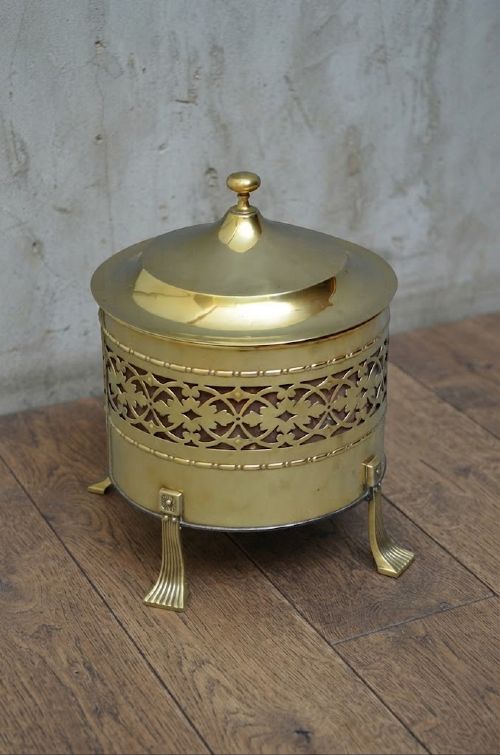
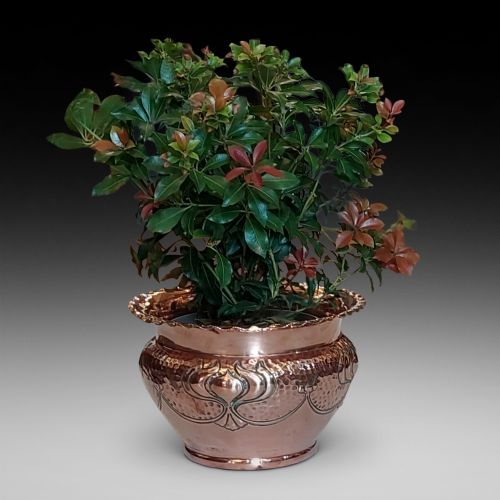
Metalworking techniques define the vessels, employing hammered copper, pierced brass fretwork, and wrought iron supports. Handles often take the form of cast lion masks, while interior liners protect the timber and metal from moisture.
Certain brass planters incorporate cast lion masks to grip their handles, standing ready to haul foliage into battle.
Distinctions in Quality
Quality rests upon the crispness of chased metalwork, the weight of solid copper or brass, and the fidelity of period joinery in mahogany and oak. Higher-grade examples display deliberate artistic intent in their Art Nouveau contours or Arts and Crafts hand-beating.
Material integration separates standard utilitarian vessels from finer decorative pieces, particularly where contrasting metals, fitted porcelain pots, or intricate fretwork are employed. The integrity of the internal liners and the preservation of original patination govern the standing of each piece.
J Sankey and Sons·Royal Worcester
The Edwardian Plant Holder Glossary
- Jardiniere
- A decorative pot or stand for holding plants or flowers. These vessels sit upon the floor or rest on dedicated pedestals.
- Coopered
- Constructed from staves of wood bound together with metal hoops, much like a traditional barrel. This method appears frequently in oak plant stands.
- Fretwork
- Ornamental design created by cutting patterns through metal or wood. It appears on brass coal buckets and planters.
- Barley Twist
- A column turned in a helical spiral shape. This decorative turning is common on wooden plant stands.
- Art Nouveau
- A style characterised by flowing, organic lines and floral motifs. This aesthetic is prominent in the copper and brass planters of the period.
Edwardian Plant Holder: Frequently Asked Questions
What is an edwardian plant holder?
An edwardian plant holder is a decorative vessel or pedestal designed to support indoor plants and floral displays within a domestic interior.
These pieces range from tall mahogany stands to solid copper and brass jardinieres, reflecting the period's focus on indoor horticulture.
How were these plant stands used?
They were positioned in drawing rooms, hallways, and conservatories to elevate potted ferns and palms. The raised height allowed plants to catch better light and protected flooring from water.
Metal vessels often featured removable liners to catch drainage, while freestanding wooden stands provided a stable display platform.
How do I distinguish Edwardian from Victorian pieces?
Edwardian plant holders typically favour lighter mahogany timbers and more sinuous Art Nouveau lines. Victorian examples tend towards heavier proportions, darker woods, and Gothic Revival brasswork.
Construction details and stylistic motifs, such as Arts and Crafts hand-beating or classical revival inlay, help separate the periods.
How do I care for antique metal planters?
Preserving these pieces requires managing moisture to prevent corrosion of the brass and copper surfaces. Using an internal plastic or ceramic pot protects the historic metal from direct water contact.
Polishing should be approached with caution to retain the natural aged patina accumulated over the decades.