





Edwardian Pearl Strand
An Edwardian pearl strand is a refined classic of early twentieth-century jewellery, sought after for its luminous elegance and intricate clasp work.
Edwardian Pearl Strand
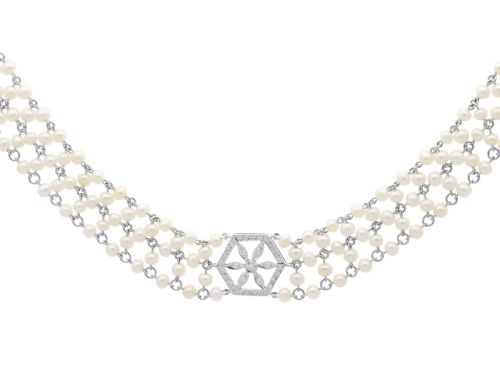
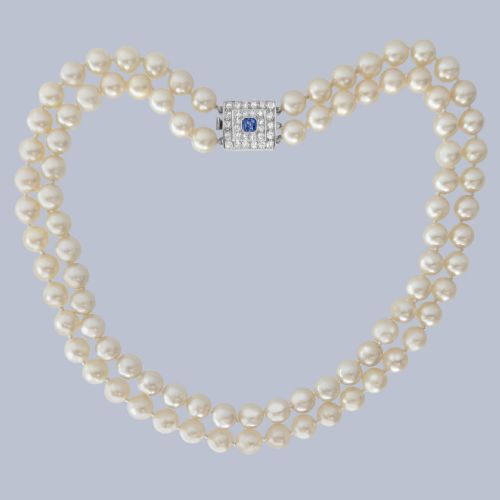
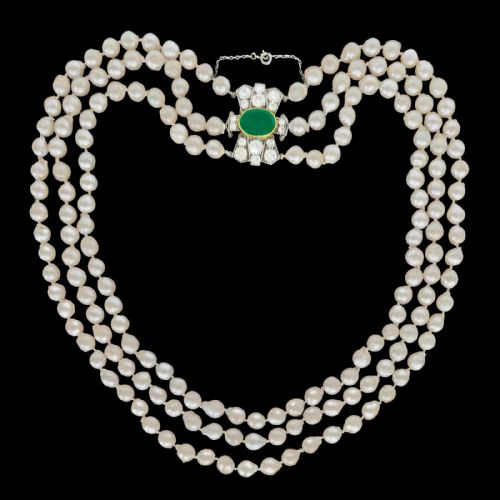
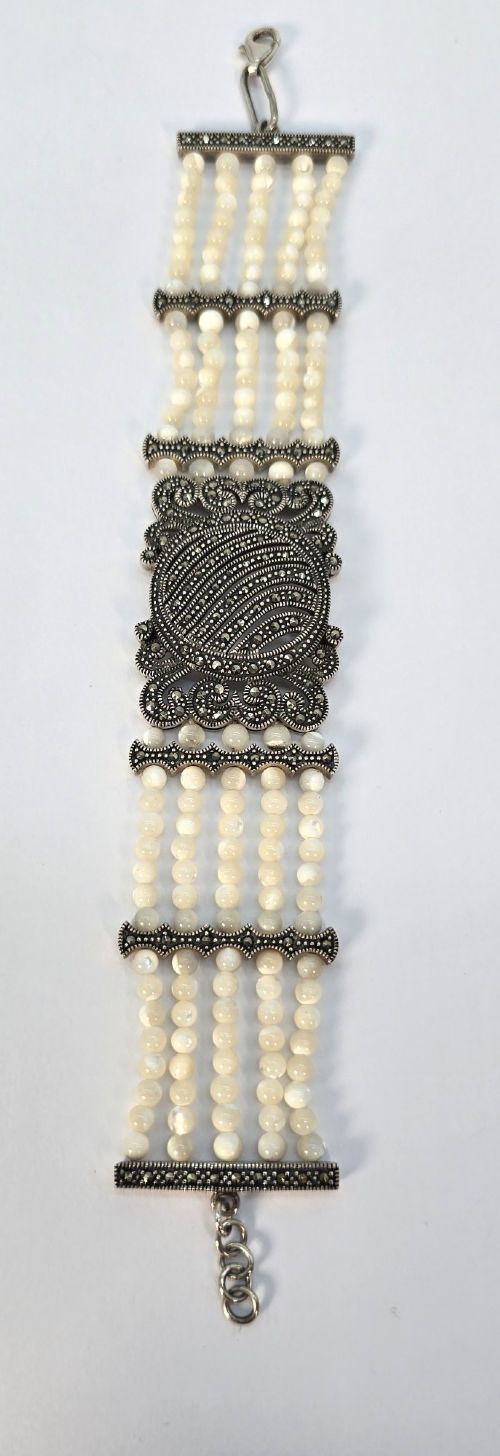
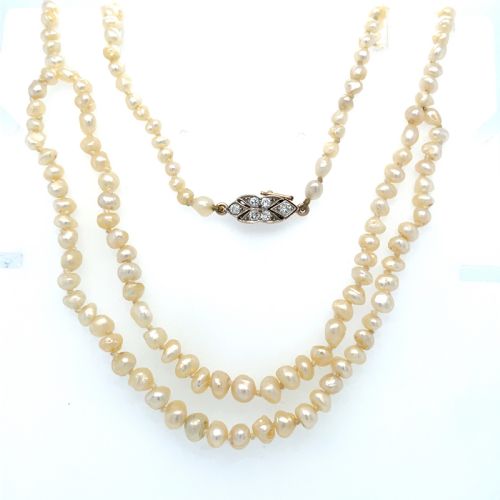
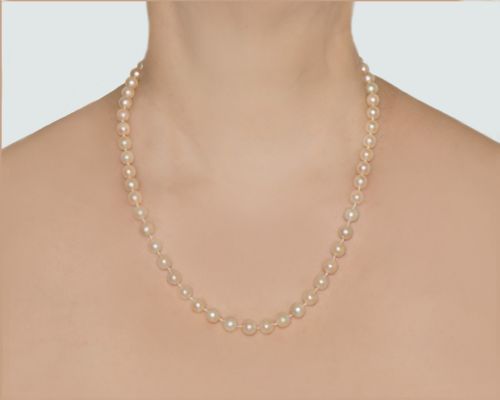
When you search for an edwardian pearl strand, you are looking at sophisticated neckwear predominantly from the Edwardian period and the 1920s, though earlier Victorian and Georgian examples occasionally appear. These pieces typically take the form of single, double, or triple strand necklaces, alongside related bracelets.
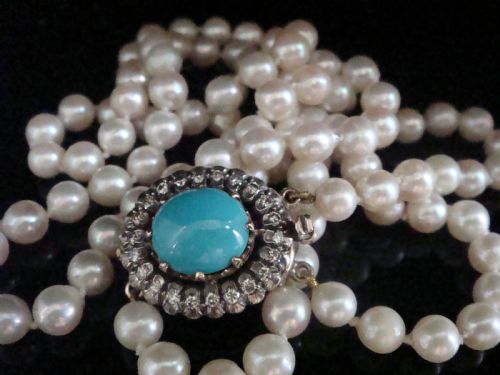
The defining characteristic of these pieces is the combination of lustrous pearls with meticulously worked clasps. You are most likely to meet single and multiple strand pearl necklaces secured with diamond-set or gemstone clasps.
While the focus rests firmly on necklaces, the broader selection includes items featuring turquoise, sapphire, jadeite, and emerald elements. The origin of these pieces spans authenticated natural saltwater pearls to cultured varieties housed in original boxes.
Materials and construction
The construction of an edwardian pearl strand relies on the careful stringing of pearls paired with precious metal settings. Artisans utilised gold, silver, platinum, and white gold to form secure mountings for the clasps.
Clasps frequently incorporate diamonds, sapphires, rubies, and other gemstones set in intricate floral or geometric Art Deco designs. Metalwork techniques combined yellow gold, silver, and platinum to support old cut diamonds and coloured gems.
Some necklaces arrive snug in their original fitted presentation boxes, having waited a century for their next outing.
Distinctions in quality
Quality in an edwardian pearl strand rests on the origin of the pearls and the complexity of the clasp. Natural saltwater pearls command higher regard than cultured varieties, while certified stones provide documented provenance.
The artistry of the clasp separates standard examples from exceptional ones. Elaborate mountings featuring substantial old cut diamonds, sapphires, or jadeite alongside platinum and gold work elevate a piece significantly.
The Edwardian Pearl Strand Glossary
- Natural Saltwater Pearl
- Pearls formed organically in marine oysters without human intervention. These are certified by gemological laboratories.
- Cultured Pearl
- Pearls formed with human assistance by inserting a nucleus into the mollusc. Mikimoto examples represent notable branded pieces of this type.
- Old Cut Diamond
- Diamond facets cut by hand before modern standards were established. They exhibit a distinct softer sparkle under candlelight.
- Clasp
- The functional and decorative fastening mechanism of a necklace. In these pieces, they double as centrepiece jewellery featuring diamonds and precious stones.
Edwardian Pearl Strand: Frequently Asked Questions
How do I identify a true Edwardian pearl strand?
Examine the clasp construction, metal types, and gem cuts for consistency with early twentieth-century jewellery standards. Hallmarks and independent gem reports often confirm the period.
Look closely at the mounting styles, which frequently feature platinum-topped gold or delicate floral motifs typical of the era.
Are these necklaces made with natural or cultured pearls?
The inventory includes both natural saltwater pearls and cultured pearls. Certification documents usually specify the origin of the pearls.
Older pieces from the Edwardian years more commonly feature natural saltwater specimens, whilst later 1920s pieces introduce cultured varieties.
Can I wear a pearl strand every day?
Pearls require gentle care because they are relatively soft compared to precious stones. Makeup, perfume, and hairspray can damage the nacre over time.
It is best to put your necklace on last when dressing and store it in a lined box separately from harder jewellery.