



Antique Natural Pearls
Antique natural pearls bring organic lustre and unmatched history to jewellery, connecting the wearer to centuries of marine heritage.
Antique Natural Pearls
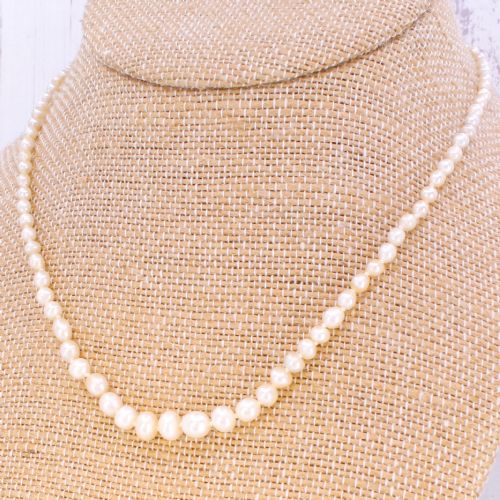
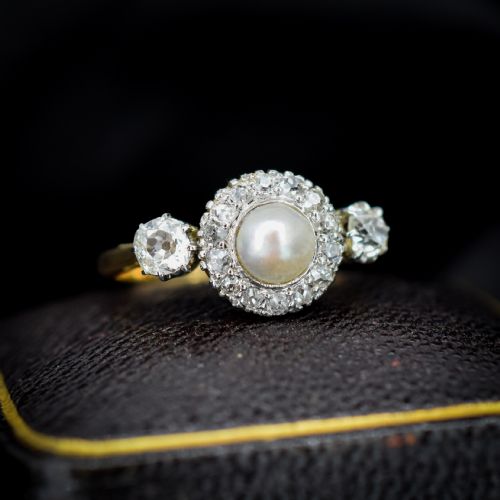
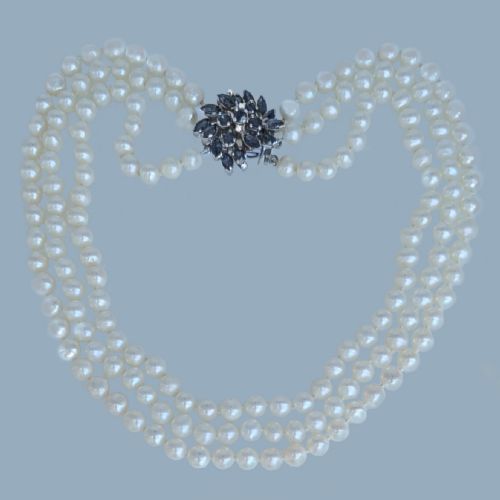
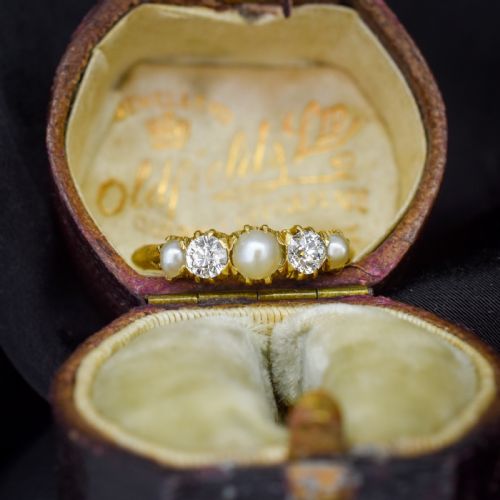
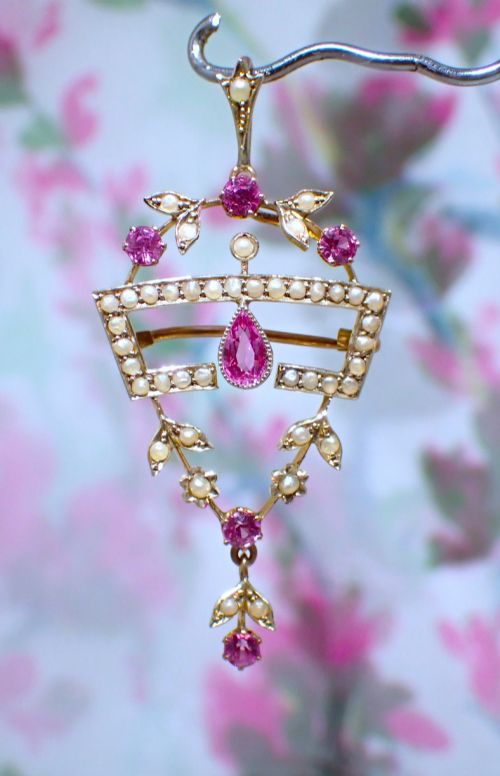
When searching for antique natural pearls, a buyer examines organic gems formed without human intervention, unlike cultured varieties developed through seeding. The pieces available across this selection span necklaces, rings, brooches, and pendants originating primarily from the Victorian, Edwardian, and Art Deco eras.
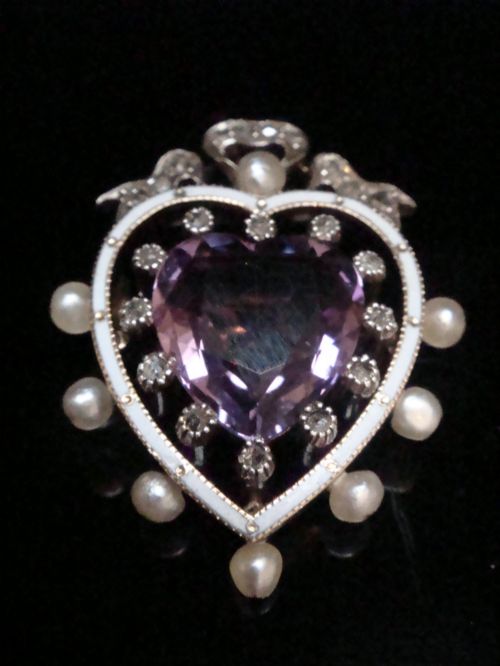
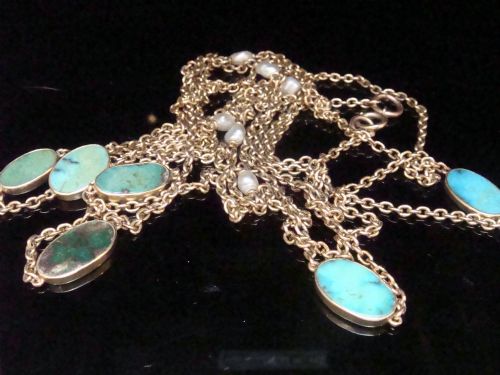
Victorian examples often pair pearls with deep-hued gemstones like amethyst, turquoise, and coral in yellow gold settings. Edwardian and Art Deco iterations lean towards platinum and white gold, setting the organic lustre against bright diamonds and delicate enamel work.
Construction and materials
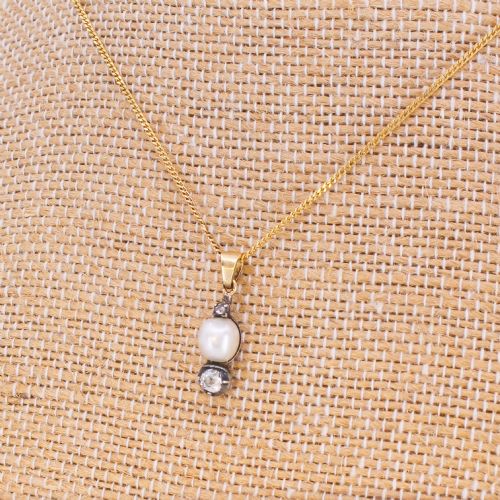
Makers set natural pearls into high-karat gold, silver, and platinum, frequently combining the organic spheres with old-cut diamonds, sapphires, rubies, and tourmalines. Metals such as 15ct and 18ct yellow gold provide warm contrast in nineteenth-century designs, while platinum takes precedence in later Edwardian and Art Deco mountings.
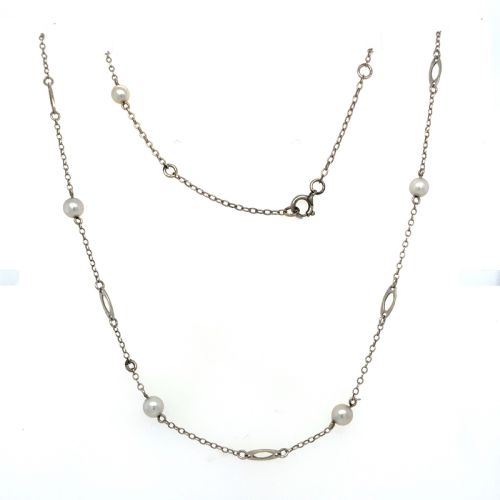
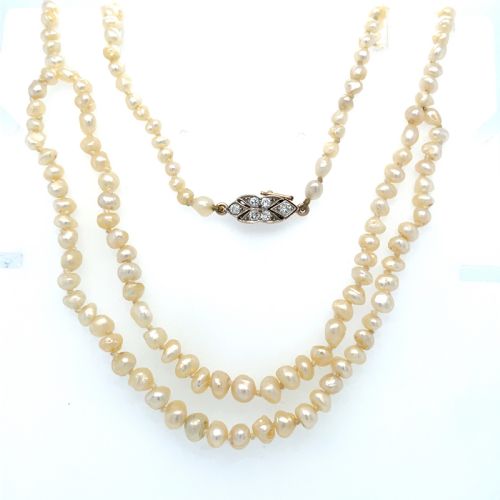
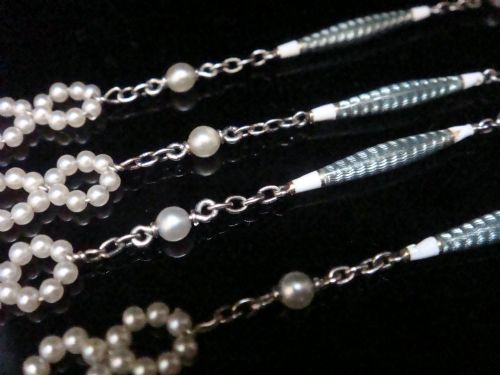
Jewellery techniques involve intricate bezel settings, cluster arrangements, and guilloche enamel work to support and frame the pearls. Chains range from longuard styles to single strands, often secured by diamond-set clasps of platinum or gold.
Listings feature periods from the Georgian era through to the 1930s, incorporating gold, platinum, silver, enamel, and various gemstones.
Assessing quality
Quality rests on the orient, lustre, and skin of the pearl itself, alongside the complexity of the surrounding metalwork. Superior examples display a deep, shimmering iridescence and uniform shape, whether spherical or baroque.
The craftsmanship of the mounting also dictates the grade of the piece, visible in the precision of the platinum wirework, the quality of the supporting old-cut diamonds, and the intact condition of any enamel or delicate gold filigree.
The Antique Natural Pearls Glossary
- Natural pearl
- A pearl formed organically in a mollusc without human intervention. These gems possess a distinctive internal structure and orient.
- Guilloche enamel
- Decorative metalwork covered with translucent enamel over an engine-turned background. This technique adds depth of colour to Edwardian pieces.
- Old-cut diamond
- A diamond cut by hand before modern standards, featuring a smaller table and larger facets. These stones provide a softer sparkle in antique settings.
- Baroque pearl
- An irregularly shaped pearl that departs from a perfect sphere. These organic forms offer unique character in rings and drop earrings.
- Longuard chain
- A long chain worn around the neck, originally designed to secure a lorgnette or pocket watch. They frequently incorporate pearls and coloured gemstones.
Antique Natural Pearls: Frequently Asked Questions
What is the difference between natural and cultured pearls?
Natural pearls form entirely by chance when an irritant enters a mollusc in the wild without human assistance. Cultured pearls, introduced commercially later, rely on human technicians inserting a nucleus into the oyster.
Because natural specimens took immense fortune to find and harvest, antique pieces carrying them represent a finite historical resource. Gemmological testing often reveals the solid concentric growth rings unique to wild pearls.
Which eras are most common for these pieces?
Victorian and Edwardian jewellery dominates the selection, spanning the late nineteenth and early twentieth centuries. Art Deco pieces from the 1920s and 1930s also appear regularly.
Victorian designs tend to feature yellow gold and coloured gemstones, while Edwardian and Art Deco examples favour platinum, white gold, and diamond accents.
Can I wear these rings every day?
Pearls are softer than diamonds and precious metals, registering lower on the Mohs hardness scale. Daily wear on rings requires caution to avoid scratching or dislodging the pearls from their settings.
Many collectors reserve pearl rings for special occasions or opt for brooches and necklaces for everyday rotation. Protective settings like bezels help shield the pearl from daily impacts.