

Edwardian Pearl Pin
These edwardian pearl pin pieces are delicate lapel ornaments and fastenings from the early twentieth century that collectors seek for their intricate craftsmanship.
Edwardian Pearl Pin
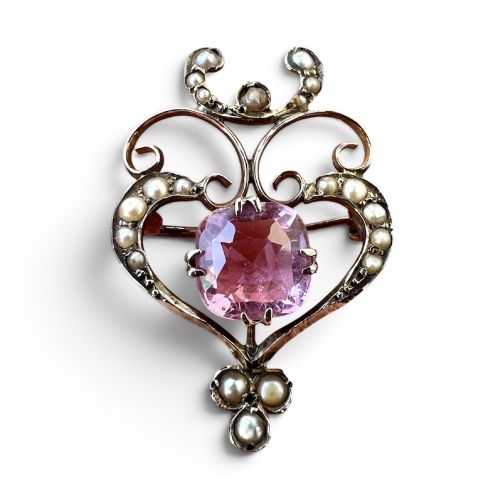
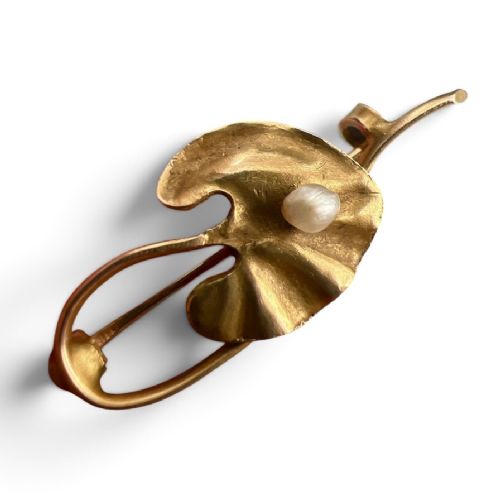
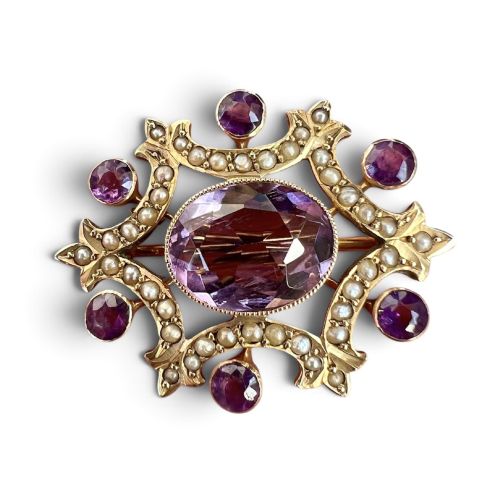
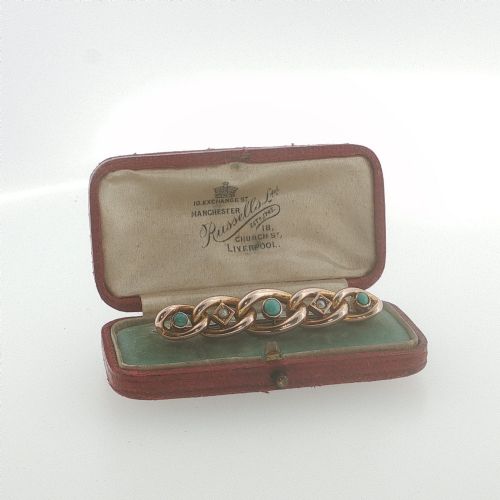
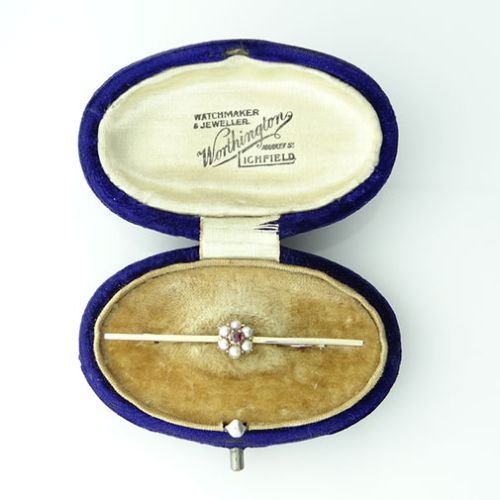
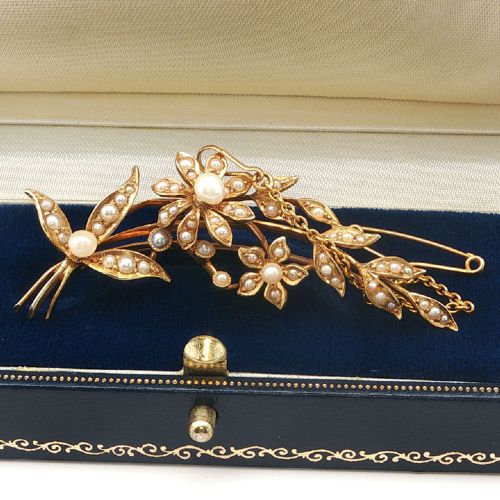
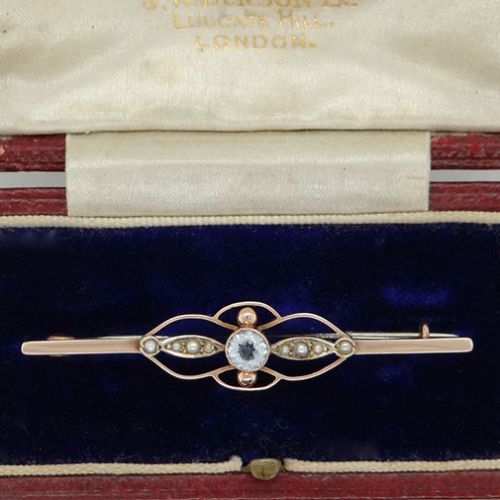
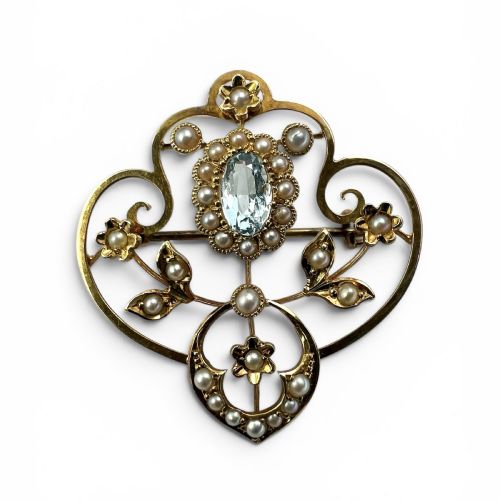
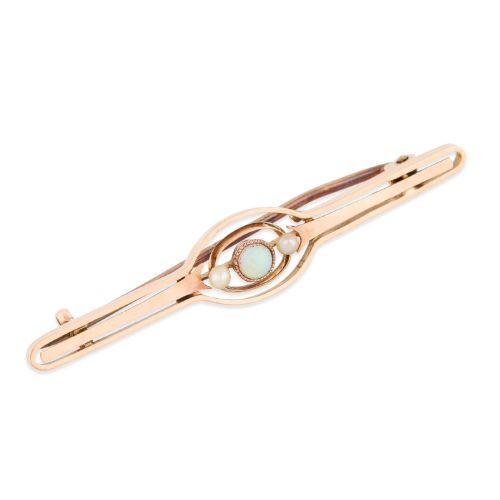
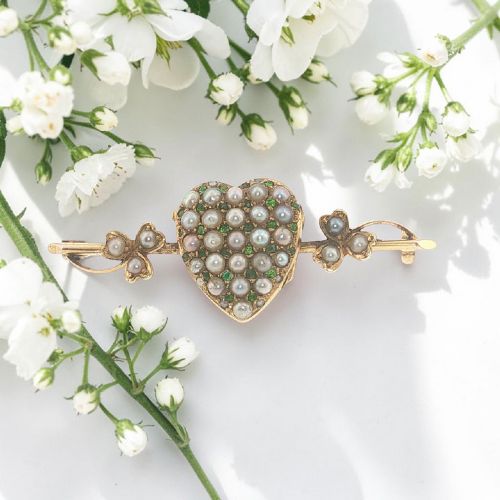
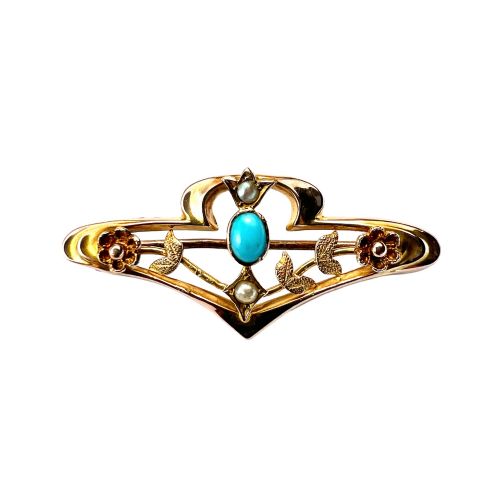
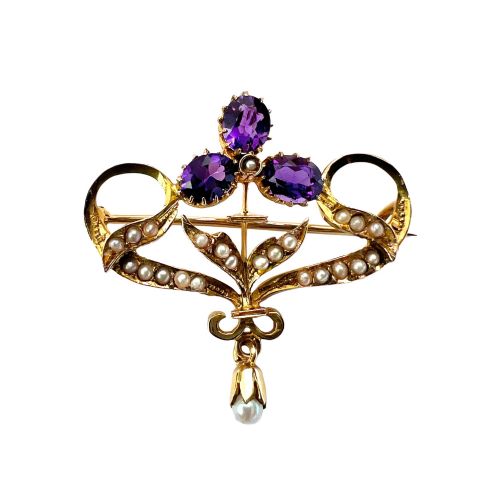
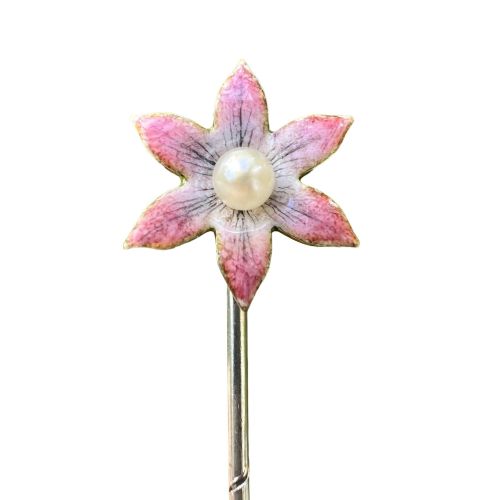
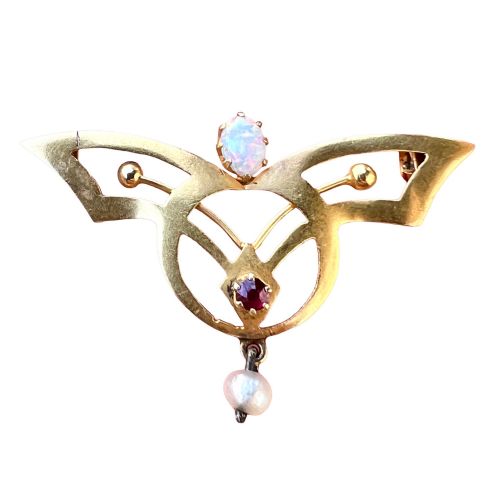
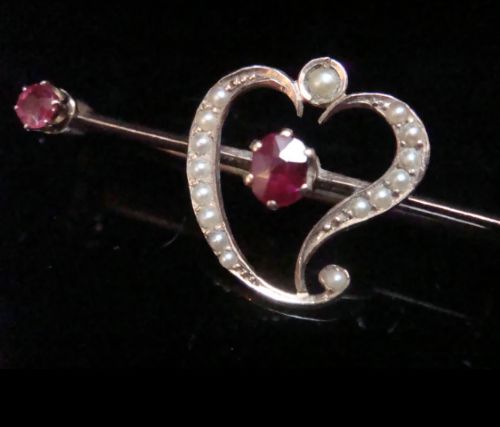
An edwardian pearl pin takes several forms on this page, appearing most frequently as brooches alongside stickpins, tie pins, and pendants. These jewels typically feature delicate gold frames set with seed pearls combined with coloured gemstones.
The designs draw from natural and sentimental motifs, displaying hearts, winged hearts, horseshoes, ivy, floral wreaths, and occasional animal subjects like parrots. Many pieces function as traditional fastening brooches or secure safety pin brooches.
Originating predominantly from the Edwardian period and around nineteen ten, these ornaments reflect the lighter, more airy aesthetic that succeeded heavy Victorian jewellery. They serve both decorative and functional roles on modern garments.
Materials and construction
Goldsmiths constructed these jewels using varying purities of gold, notably nine carat and fifteen carat gold, alongside silver and occasional eighteen carat elements. Seed pearls and natural pearls form the central decorative components across the designs.
Artisans combined the pearls with precious and semi-precious stones including diamonds, amethysts, turquoise, rubies, pink garnets, pink tourmalines, peridots, and pink sapphires. Rose cut diamonds frequently accent the pearl arrangements in secure settings.
An eighteenth-carat parrot once perched proudly on a silk lapel, keeping silent company with its owner all afternoon.
Distinctions in quality
The grade of an edwardian pearl pin rests upon the precision of the metalwork and the integration of the stones. Finer examples display meticulous gem setting where seed pearls and accent stones align flush within delicate gold wireframes.
The presence of higher gold standards, such as fifteen carat or eighteen carat components, alongside superior natural pearls and well-matched coloured gemstones, separates the more ambitious workshop productions from standard output.
Mappin and Webb
The Edwardian Pearl Pin Glossary
- Seed pearl
- A very small, naturally formed or cultured pearl used in clusters or delicate rows. These tiny spheres define the texture of Edwardian decorative work.
- Stickpin
- A long pin topped with a decorative ornament designed to secure cravats, scarves, or lapels. The sharp shaft typically includes a protective cap.
- Rose cut
- A vintage diamond cutting style featuring a flat base and a faceted dome that resembles an unopened rosebud. This cut produces a soft, translucent shimmer rather than modern brilliance.
- Lavaliere
- A pendant necklace featuring a central drop stone or ornament suspended from a fine chain. They often incorporate symmetrical gemstone and pearl arrangements.
- Safety pin brooch
- A brooch built on the mechanical principle of a safety pin with a protective clasp over the sharp end. This design kept lightweight lapel ornaments secure during daily wear.
Edwardian Pearl Pin: Frequently Asked Questions
How do I wear an edwardian pearl pin safely?
These delicate pieces suit textured wools, lapels, and heavier scarves where the pin mechanism finds a secure purchase. Fasten them carefully through the weave rather than forcing the shaft.
Ensure any safety clasp or protective cap remains secure before wearing the jewel out. Modern pin converters can also adapt older stickpins for different garments.
What gold purities appear in these pins?
Makers utilised nine carat and fifteen carat gold most frequently for these ornaments, alongside occasional silver and eighteen carat elements. These varied metal purities reflect the standard practices of early twentieth century workshops.
Testing marks or stamps often help verify the metal content on the reverse of the piece or along the pin stem.
Are the pearls natural or cultured?
Early twentieth century pieces often incorporate natural seed pearls or early cultured varieties depending on the workshop and the scale of the ornament. These pearls form the primary white accents beside coloured gemstones.
Examining the lustre and surface texture under magnification reveals the organic origin of these small decorative spheres.
How do I clean an antique pearl pin?
Pearls require gentle care because organic nacre is sensitive to harsh chemicals, ultrasonic cleaning, and excessive moisture. Wipe them softly with a dry or barely damp microfibre cloth after wearing.
Keep the piece stored away from harder jewellery items to prevent scratching the gold surface and the delicate pearl settings.