




Edwardian Paraffin Lamp Shade
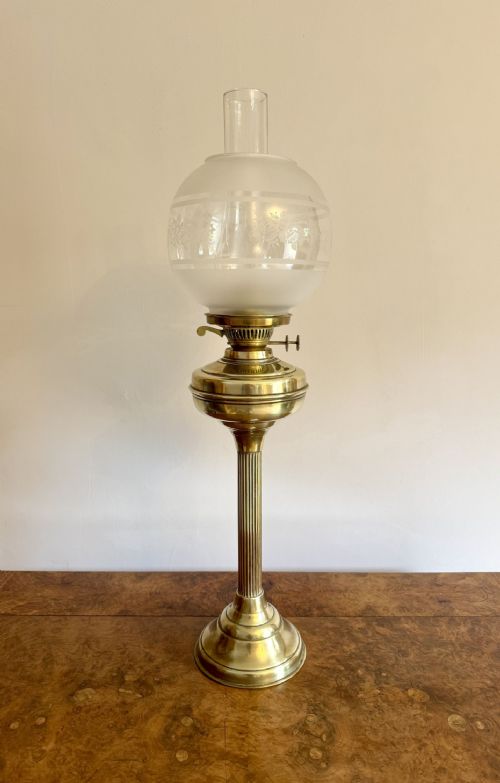
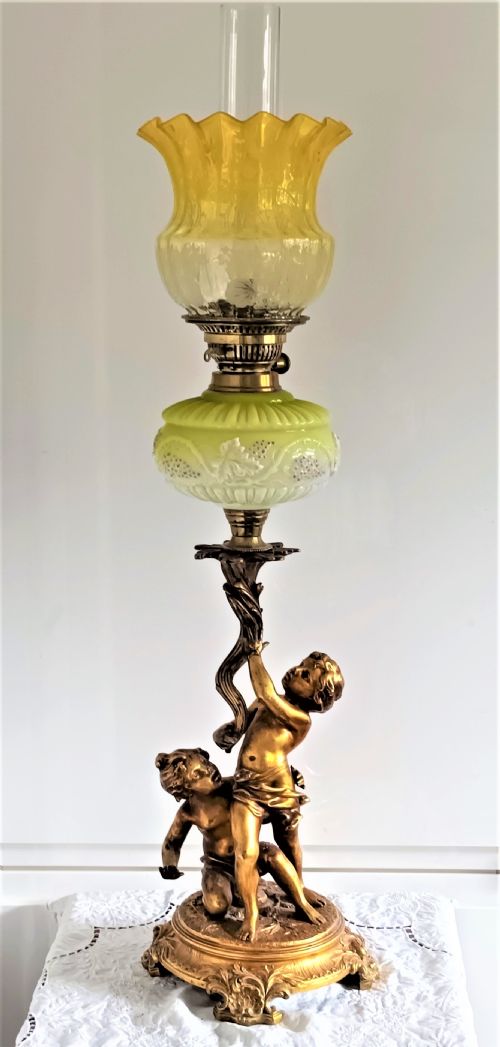
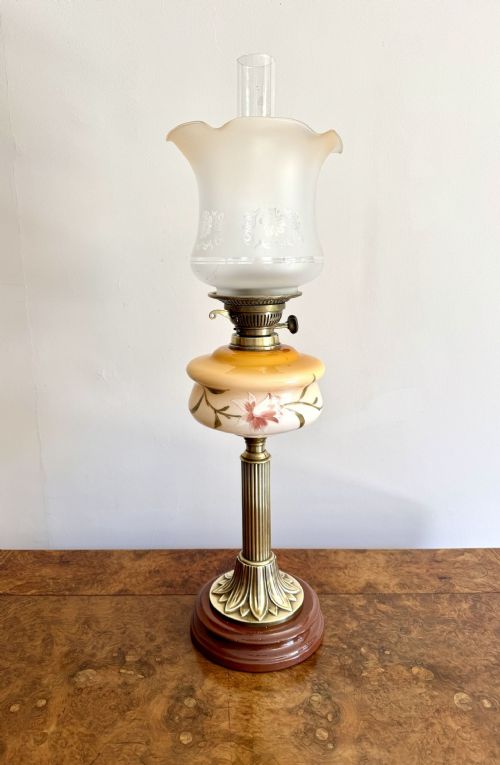
These edwardian paraffin lamp shade selections bring warm domestic illumination to a room, cast in tinted glass and paired with solid brass mounts.
Edwardian Paraffin Lamp Shade
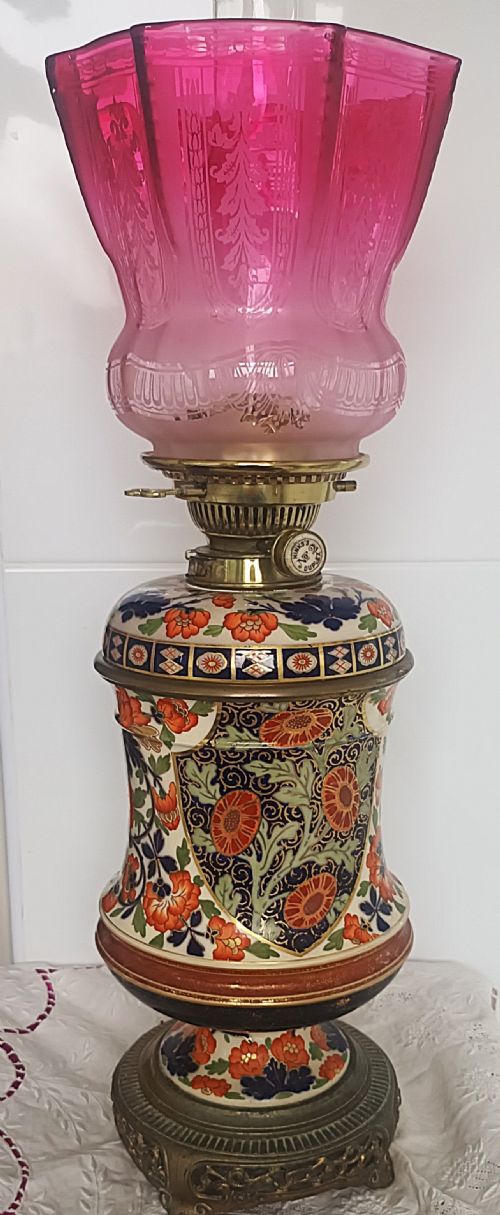
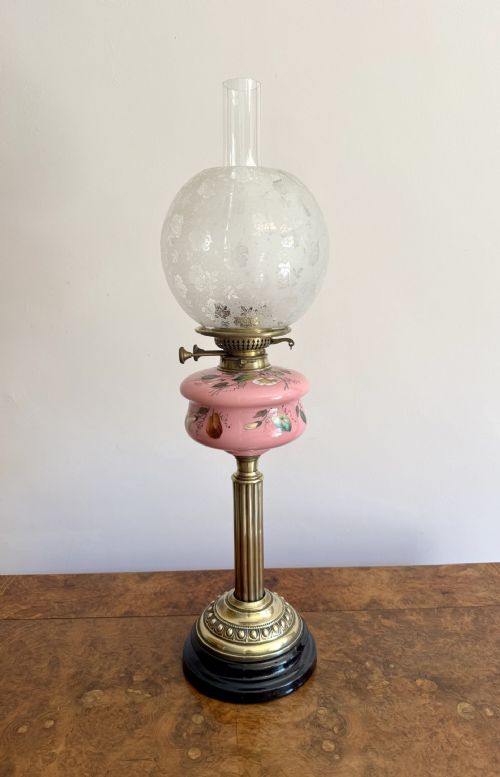
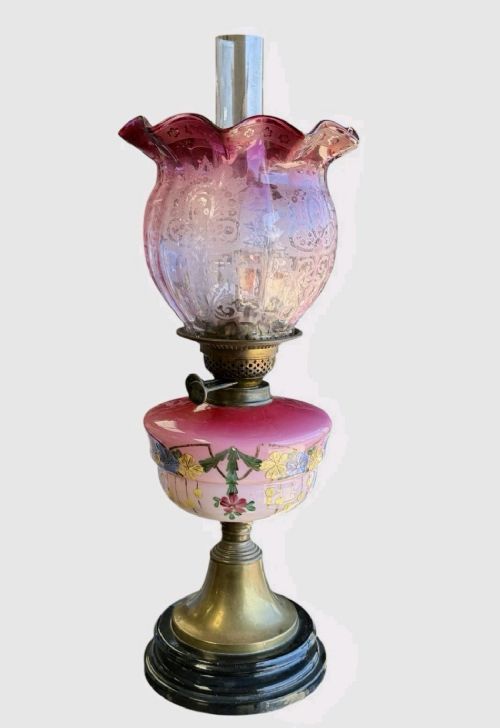
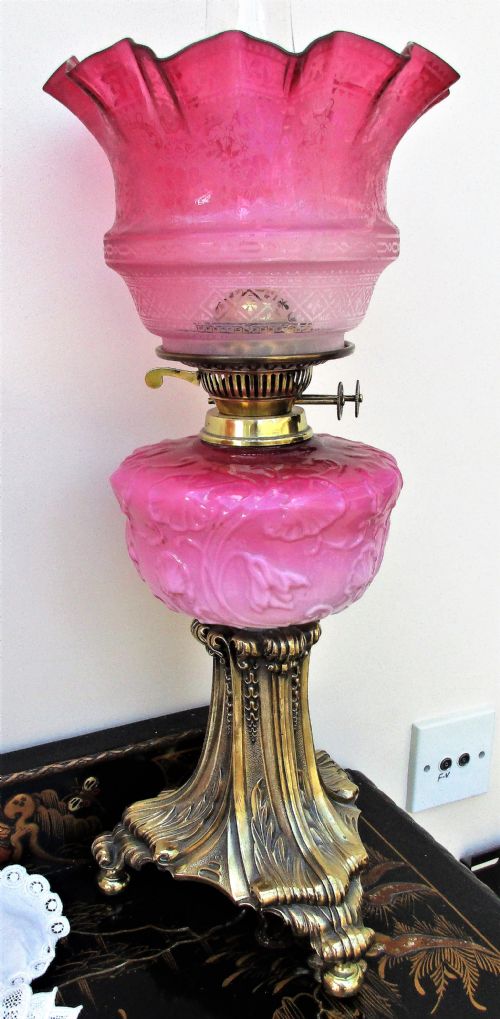
An edwardian paraffin lamp shade sits atop domestic lighting fixtures, diffusing the bright flame of burning oil to create a softer interior glow. The examples found here span the Edwardian period alongside late Victorian and early twentieth-century designs, often integrated directly into complete table or floor lamps.
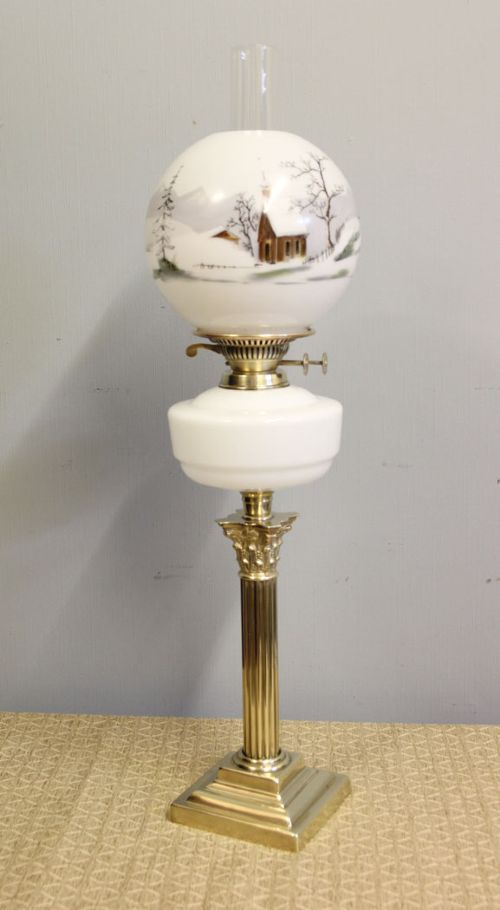
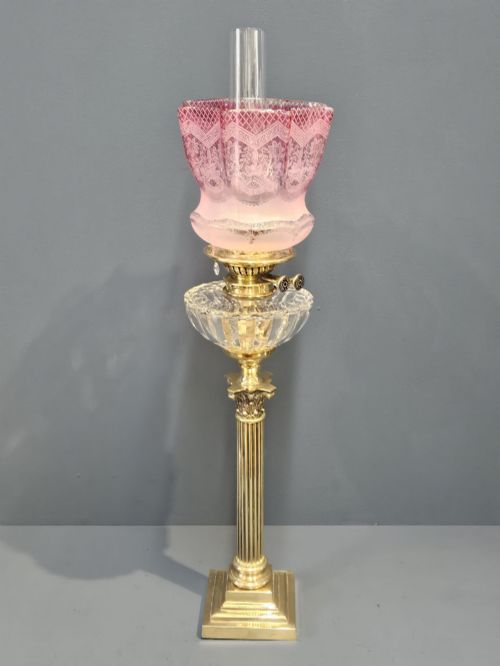
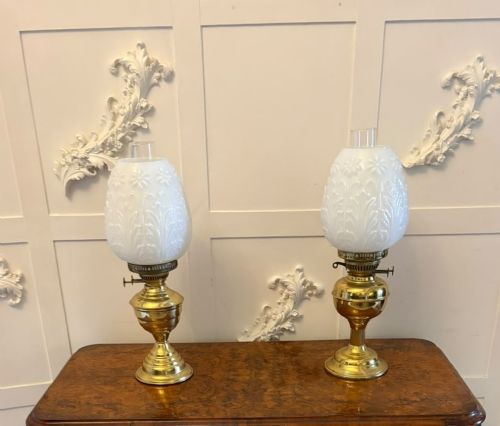
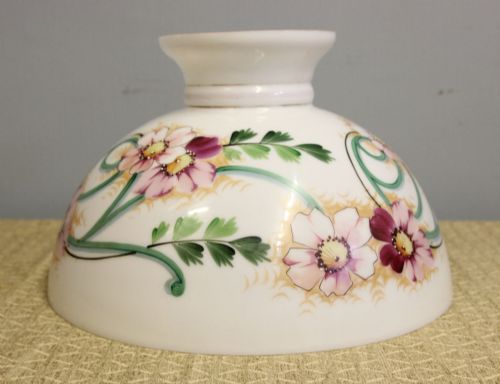
Buyers encounter several distinct glass treatments, from plain opaline surfaces to rich cranberry hues and painted winter scenes. These components range from rounded globes to flared shades designed to fit standard brass galleries.
The objects originate primarily from British workshops, though continental European examples in copper and bronze also appear among the selections.
Materials and construction methods
Glass production forms the core of these items, utilising techniques such as glass blowing, moulding, cased layers, and hand painting. Cranberry, satin, opaline, and cut glass create varied optical effects when lit from within.
Metal components rely on heavy brass, copper, and bronze, shaped through casting, turning, and hammering. These metals form the structural stands, fonts, and shade collars that support the fragile glass elements above.
Edwardian Paraffin Lamp Shade Retail Price Guide 2026
Typical asking prices for edwardian paraffin lamp shade among the pieces listed under this phrase on Sellingantiques today, from the lower quarter to the upper quarter. They describe what is for sale here now, not the wider market.
Some winter scene shades depict painted snowscapes, offering a permanent chill behind the warm glow of the oil flame.
Distinctions in craftsmanship and finish
Quality reveals itself in the weight and purity of the glass, where deeply saturated colours, crisp wheel-cut patterns, and hand-painted details display superior artisan skill. Thicker glass bodies and unblemished surfaces separate finer globes from standard utility wares.
Metalwork refinement sets the best stands apart, showing clean casting lines, substantial brass gauge, and robust threading on collars and burners. Finer examples retain balanced proportions between heavy metal bases and delicate shade forms.
Hinks·Taylor Tunnicliff·Messengers·Harrods·Benson
The Edwardian Paraffin Lamp Shade Glossary
- Opaline glass
- A milky, semi-translucent glass type often tinted in pastel shades to diffuse light evenly. It was widely utilised across Victorian and Edwardian lighting.
- Gallery
- The metal ring fitted with tightening screws that holds a glass shade securely above the burner. It forms the crucial mechanical junction between metal and glass.
- Vaseline glass
- A pale yellow-green glass containing uranium dioxide that glows under ultraviolet light. It appears in specific decorative shades from the period.
Edwardian Paraffin Lamp Shade: Frequently Asked Questions
How do I clean an old glass shade?
Wash the glass gently in warm soapy water using a soft cloth, avoiding abrasive pads that can scratch painted surfaces or delicate frosting.
Dry the piece thoroughly before reattaching it to the brass gallery to prevent moisture pooling around metal collars.
Can these shades fit modern lamps?
Many vintage shades can fit contemporary lamp fittings provided the fitter diameter matches the gallery opening on the lighting fixture.
Careful measurement of the shade's base rim is essential before attempting any conversion or replacement.
What is cranberry glass?
Cranberry glass is a distinctive red-pink ornamental material produced by introducing gold into the molten glass mixture during manufacture.
It gained immense popularity during the nineteenth century for decorative tableware and oil lamp globes.
How were these lamps used originally?
These pieces served as primary domestic illumination in homes before widespread electrification, burning paraffin or oil to produce light.
They were placed on tables, sideboards, or floor stands in principal rooms to illuminate evening activities.