




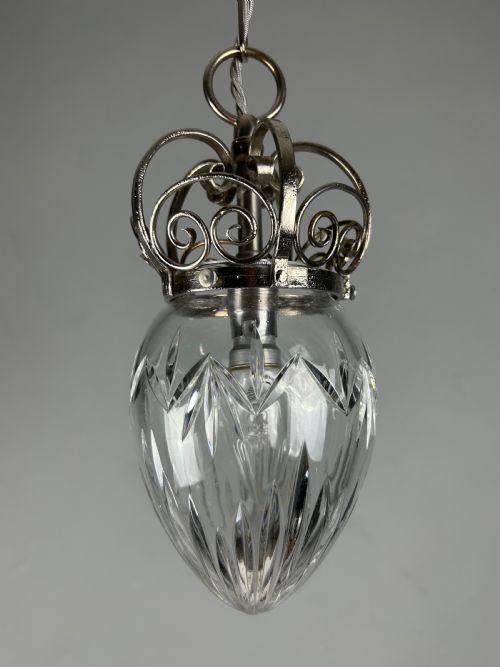


Decorative Glass Lamp Shade
A decorative glass lamp shade transforms an ordinary interior with colour and texture, bringing period character to your lighting scheme.
Decorative Glass Lamp Shade
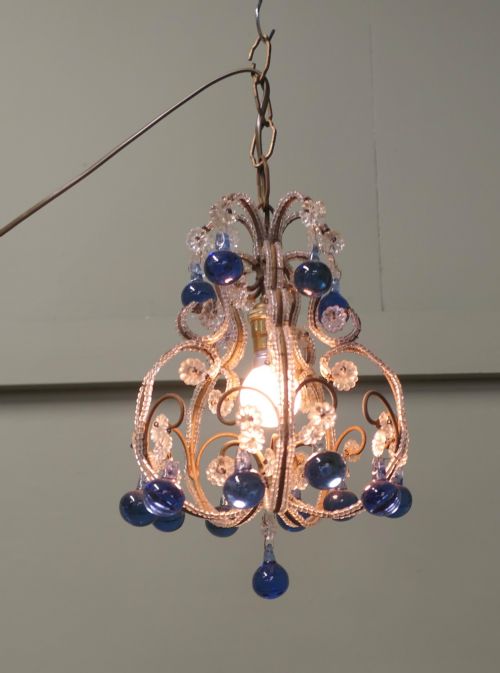
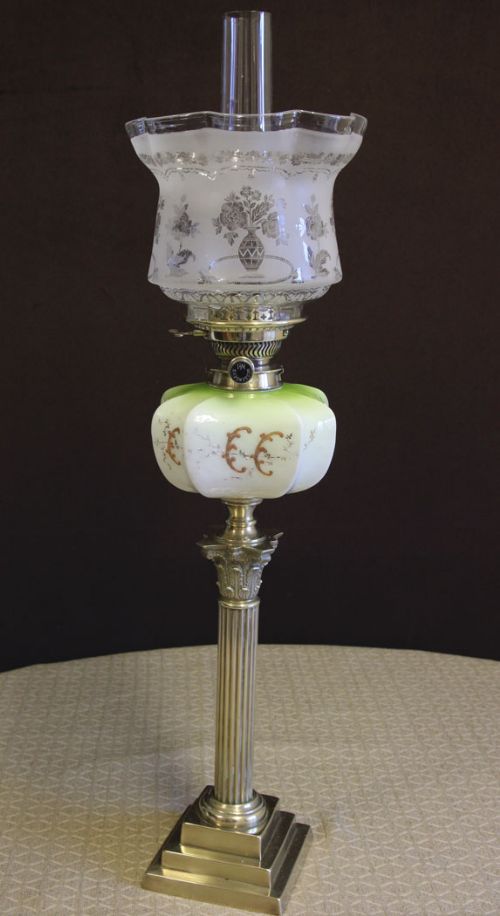
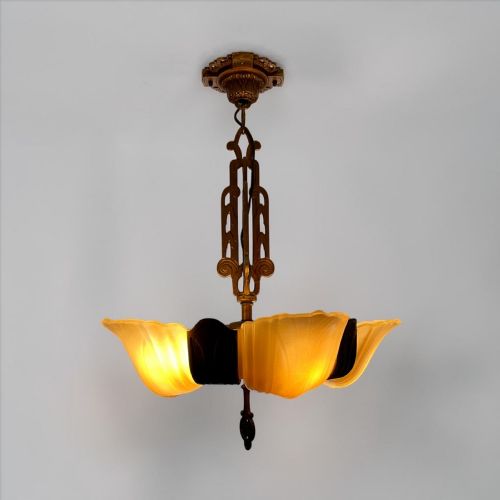
A decorative glass lamp shade is an integral component of period lighting, appearing across various forms including oil lamps, table lamps, and ceiling lights. When searching for a decorative glass lamp shade, you encounter pieces spanning from the nineteenth century through the art deco era of the nineteen thirties.
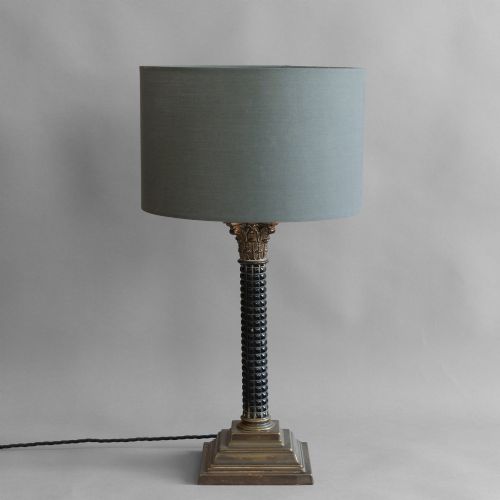
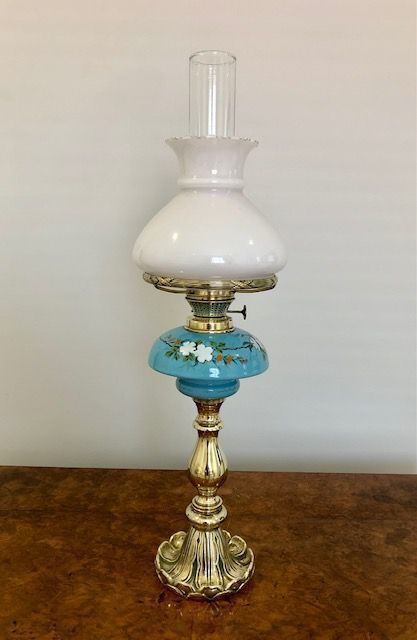
The selections on this page largely comprise Victorian and Edwardian examples alongside later twentieth-century styles. These pieces often accompany brass or ceramic fittings, serving functional illumination while providing distinct visual interest to a room.
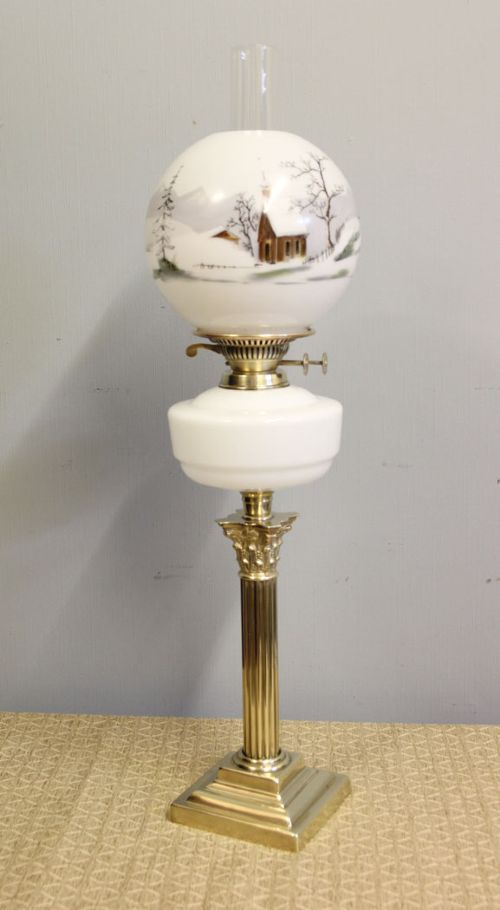
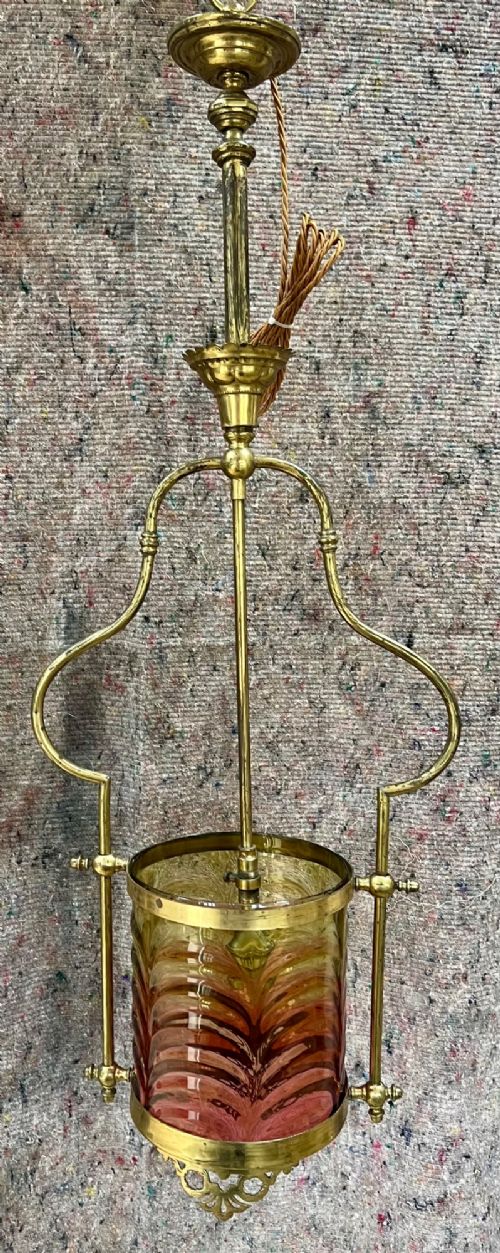
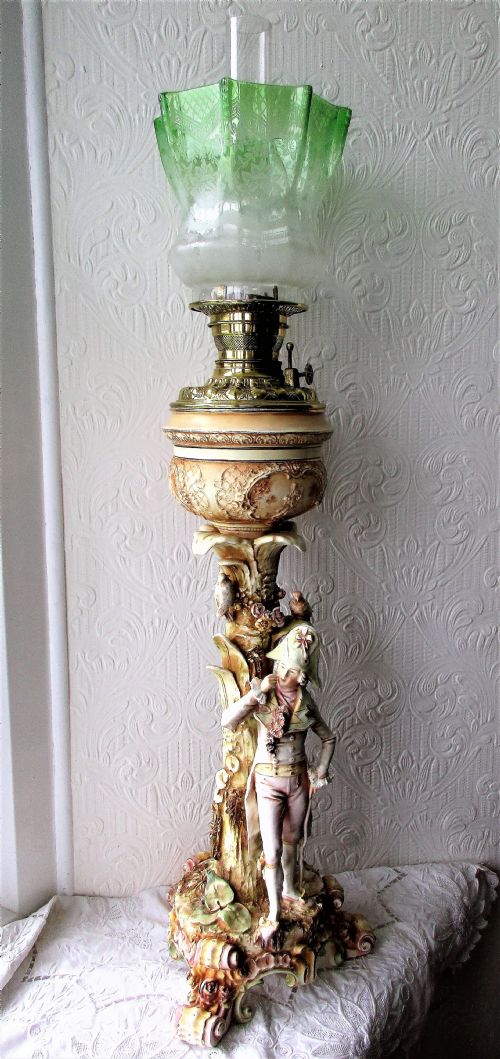
Materials range from simple frosted and satin surfaces to deeply coloured cranberry and ruby glass. Many examples feature etched designs, painted winter scenes, or structural slip shades suited to ceiling lights and pendant fittings.
Materials and construction methods
Makers utilised specialised glassblowing and moulding techniques to achieve the varied textures seen in these pieces. Frosted, satin, and cranberry finishes required careful temperature control and chemical additions during the initial creation of the glass vessel.
Etched and cut glass shades were worked by hand after blowing, allowing artisans to produce intricate patterns that catch and diffuse light. Coloured glass varieties relied on precise mineral inclusions within the molten material to generate deep red, pink, or blue hues.
Decorative Glass Lamp Shade Retail Price Guide 2026
Typical asking prices for decorative glass lamp shade among the pieces listed under this phrase on Sellingantiques today, from the lower quarter to the upper quarter. They describe what is for sale here now, not the wider market.
Listings feature materials such as brass, ceramic, fabric, and various specialised glass types alongside periods spanning the Victorian era to nineteen thirty.
Judging quality and execution
The refinement of the glass surface and the clarity of any etched or painted details separate standard examples from finer works. Weight, wall thickness, and the even distribution of colour indicate the skill involved in the original production.
Integration between the glass shade and its metal or ceramic mount also reveals the overall standard of the object. Superior items display careful proportion and secure fitting without compromising the decorative integrity of the glass.
The Decorative Glass Lamp Shade Glossary
- Cranberry glass
- A rich pinkish-red glass created by adding gold chloride to the molten batch. It appears frequently in Victorian lighting.
- Satin glass
- Glass treated with hydrofluoric acid to produce a velvety, matte texture. This finish diffuses light softly across the room.
- Slip shade
- A moulded glass insert used primarily in art deco ceiling lights and wall sconces. These pieces slot directly into a metal frame.
- Etched glass
- Glass decorated by applying acidic substances to eat away exposed areas. It creates permanent, detailed patterns on the shade surface.
Decorative Glass Lamp Shade: Frequently Asked Questions
What periods do these shades cover?
The available pieces span from the late nineteenth century through the early twentieth century. You will find Victorian, Edwardian, and Art Deco examples among the selections.
Production methods and artistic styles shifted during these decades, moving from ornate etched Victorian designs to streamlined Art Deco slip shades by nineteen thirty.
How were these glass shades used?
These shades primarily served to soften and direct the harsh glare of early oil lamps and newly introduced electric lighting. They functioned as both practical shields and decorative centerpieces.
Many were paired with brass columns, ceramic bodies, or suspended from ceiling fittings to illuminate domestic spaces.
How do I clean a vintage glass shade?
Wash the glass gently in lukewarm water using a mild, unscented soap. Avoid harsh chemical cleaners that might damage painted motifs or delicate frosted surfaces.
Dry the piece thoroughly with a soft cloth before reinstalling it onto the lamp or ceiling fitting.