


Edwardian Painted Fruit Dish
An edwardian painted fruit dish brings hand-painted orchard scenes and fine porcelain together for a striking table display.
Edwardian Painted Fruit Dish
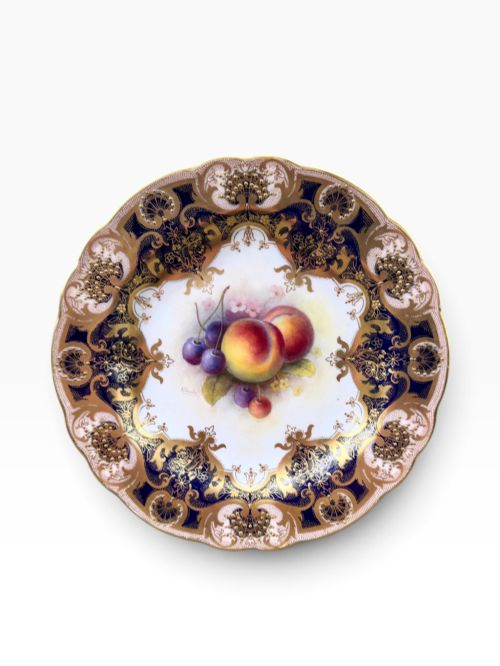
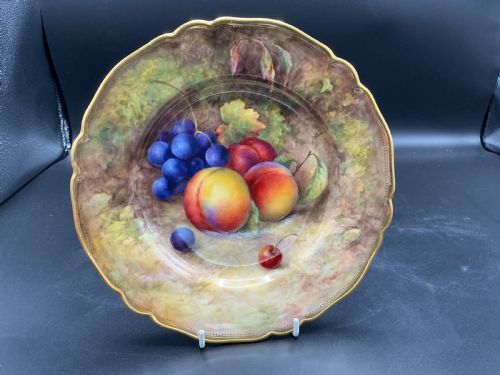
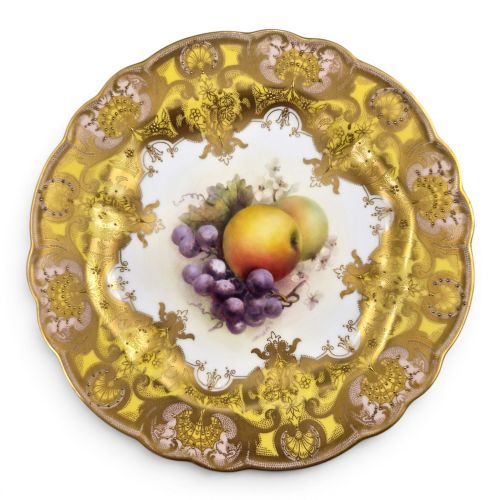
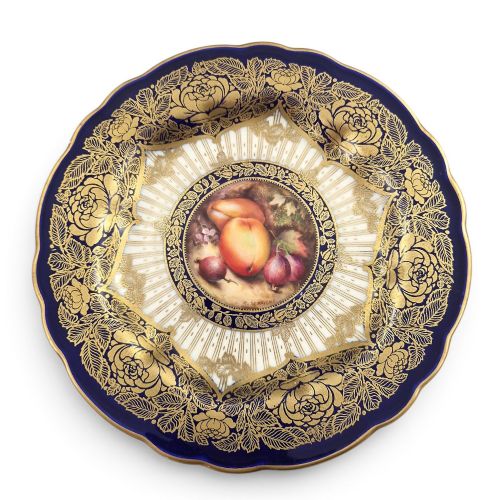
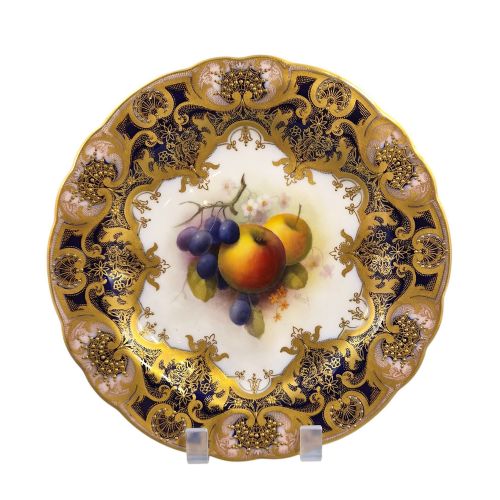
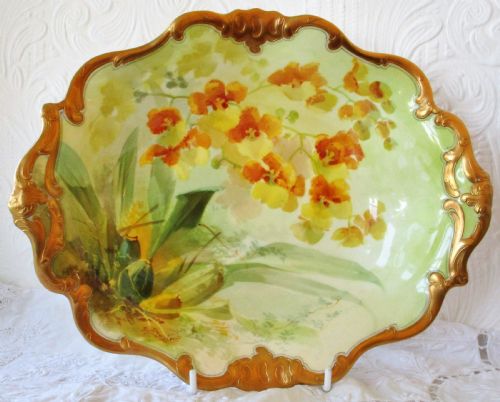
When you search for an edwardian painted fruit dish, you encounter fine porcelain and bone china vessels decorated with botanical motifs. These pieces serve primarily as cabinet plates, decorative bowls, centrepieces, and serving dishes.
The selections on this page span the Edwardian period through to the mid-twentieth century, alongside examples influenced by Art Nouveau, Art Deco, and Rococo Revival styles. Royal Worcester dominates the forms, though German porcelain and Japanese Imari pieces also appear.
You will find everything from small boat-shaped bowls and bon bon dishes to large rope-edge plates and two-handled sugar bowls. Each iteration provides a canvas for detailed fruit and floral artistry.
Materials and manufacture
The makers utilise porcelain, bone china, and fine bone china as the structural base for each dish. These ceramic bodies provide a smooth, white surface ideal for detailed enamel work.
Artisans apply hand-painted decoration using enamel pigments, often complemented by gilding, gold leaf, and gilt accents. Many works carry the signatures of notable painters who specialised in botanical subjects.
Listings feature porcelain and bone china forms decorated with gilding and enamel, spanning the Edwardian era to the nineteen-fifties.
Distinctions in quality
Quality rests heavily upon the skill of the painter, with signed works by known artists commanding greater attention. The precision and realism of the fruit or floral composition separate standard decorative items from superior cabinet pieces.
The application of gilding and the weight and purity of the porcelain body also define the standard of the piece. Intricate mouldings, such as rope edges or figural supports, require higher technical proficiency during firing.
Royal Worcester·Royal Doulton·Schierholz·Moorcroft
The Edwardian Painted Fruit Dish Glossary
- Cabinet plate
- A decorative plate intended for display in a cabinet rather than for practical dining use. These often feature elaborate painted scenes and gilt borders.
- Comport
- A raised dish or bowl on a pedestal, traditionally used for serving fruit or sweets. They add height and structure to a table setting.
- Gilding
- The application of gold leaf or gold powder onto the ceramic surface. This technique highlights rims, handles, and decorative borders.
- Enamel
- Opaque glass-like paint fused to the porcelain body during firing. It provides the vibrant colours seen in the fruit and floral motifs.
Edwardian Painted Fruit Dish: Frequently Asked Questions
What is an edwardian painted fruit dish used for?
These pieces were originally intended for presenting fruit at the dining table, though many functioned as decorative centrepieces. Today, collectors typically display them in cabinets or on side tables to showcase the painted artwork.
Their varied forms, from boat-shaped bowls to flat cabinet plates, suit different display spaces around the home.
How do I identify a painted fruit dish from this period?
Look at the backstamp for factory marks that correspond to the early twentieth century. The painting style, often featuring naturalistic peaches, apples, and berries against a shaded background, offers a strong clue.
Signatures from artists who worked for major potteries further help confirm the origin and era of the piece.
Are these dishes safe to use for food?
While made from durable porcelain or bone china, older decorative pieces often feature delicate enamel work and heavy gilding that can wear with use. Hand washing is essential to preserve the painted surfaces.
Most collectors choose to treat them as display items rather than functional tableware to protect the artistry.