


Edwardian Painted Display Plate
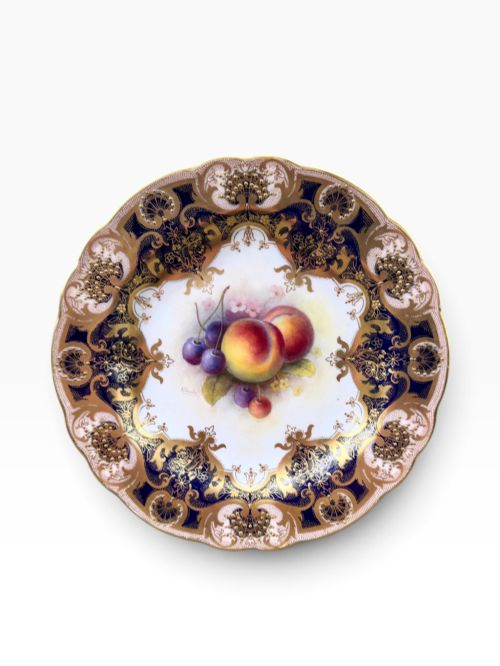
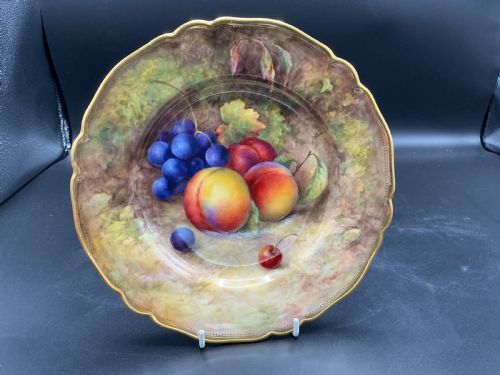
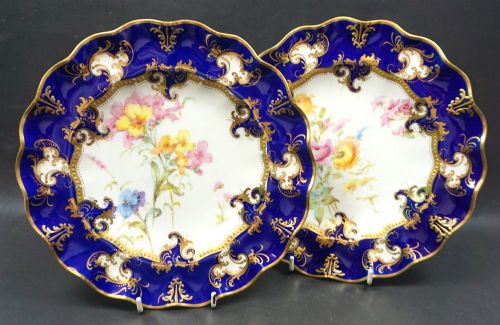
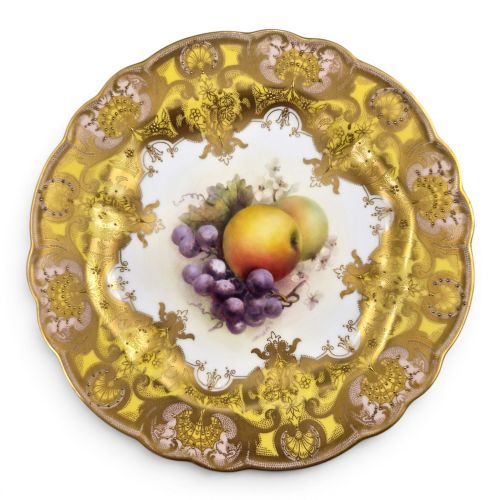
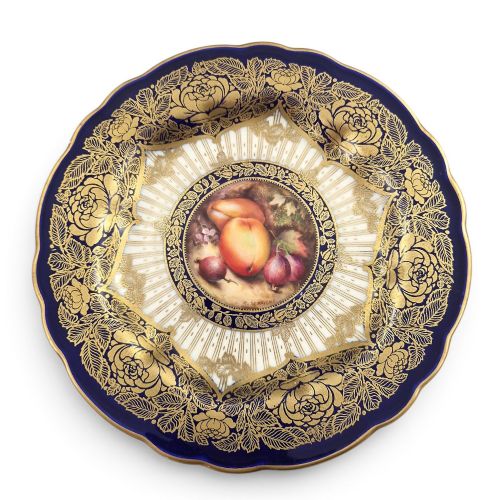
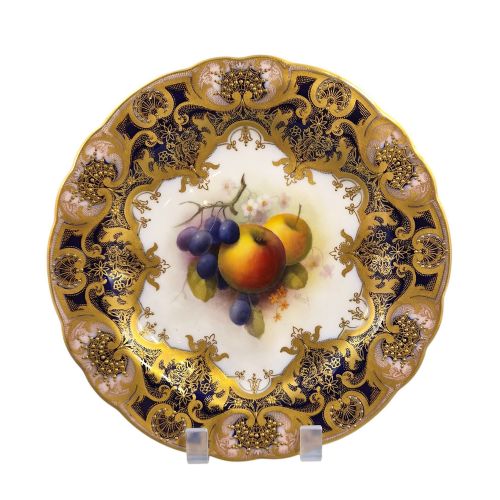
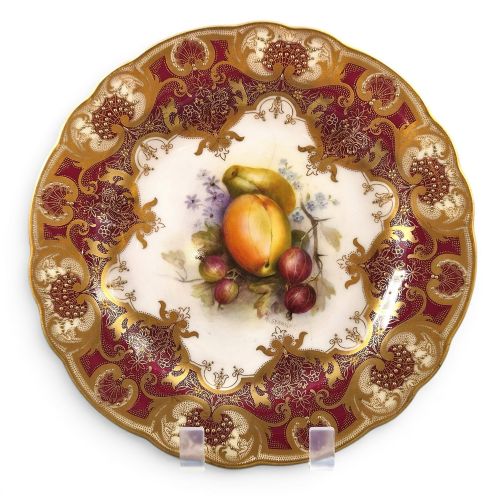
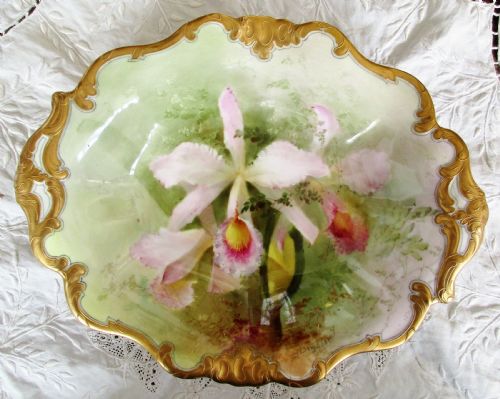
These edwardian painted display plate examples bring hand-painted artistry to a room, showcasing fine ceramic painting from early twentieth-century makers.
Edwardian Painted Display Plate
An edwardian painted display plate is a decorative ceramic piece designed primarily for visual appreciation in a cabinet or on a wall rather than for dining. Most examples on this page date from the early twentieth century, spanning periods from the Edwardian era into the nineteen-twenties and nineteen-thirties.
The selections include cabinet plates, cabinet dishes, and wall display shelves utilising materials such as porcelain and bone china. These forms range from single cabinet plates to matched pairs and larger sets decorated with fruit, florals, birds, and fish.
Materials and Techniques
Potteries utilised hard-paste and soft-paste porcelain alongside bone china as the primary ground for detailed brushwork. Artisans applied polychrome pigments by hand, frequently incorporating gold leaf, gilding, and gilt enamel to highlight borders and edges.
Many works received specialised treatments such as tooled gilt, rope edges, or pierced rims. Painted wood also appears among wall display fixtures, finished in period paints like Pompeian Ash.
The listings demonstrate a strong concentration of Royal Worcester porcelain decorated with hand-painted fruit by notable artists.
Variations in Quality
Quality rests significantly upon the skill of the individual artist and the prestige of the manufacturing pottery. Signed pieces by recognised painters command attention due to the complexity and precision of their hand-painted subjects.
The richness of the gilding and the depth of the porcelain body further distinguish superior items. Elaborate motifs, such as detailed game birds, swans, or delicate fruit studies, indicate a higher grade of artistry.
Royal Worcester·Royal Crown Derby·Royal Doulton·Coalport·Albert Shuck·Richard Sebright·David Dewsberry·Joseph Birbeck Senior·Tom Keeling·Charles Baldwyn·Stinton·F Garnett·Gary Service
The Edwardian Painted Display Plate Glossary
- Cabinet plate
- A decorative ceramic dish intended for display inside a cabinet rather than for table service. These pieces typically feature intricate painted scenes.
- Bone china
- A type of porcelain composed of bone ash, feldspathic material, and kaolin, providing a strong and translucent body. It served as a common base for fine early twentieth-century painting.
- Gilding
- The application of gold leaf or powdered gold onto the surface of ceramics. This technique accentuates rims and borders on display plates.
- Imari
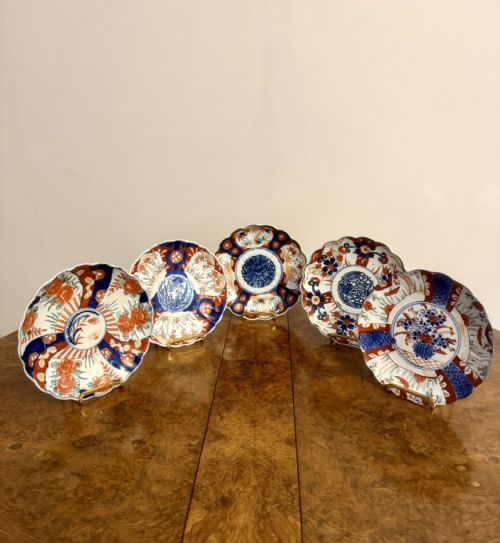
- A style of Japanese ceramic decoration featuring rich cobalt blue and iron red, often supplemented with gold. Several pieces reflect this aesthetic influence.
- Pierced
- A ceramic technique where portions of the rim are cut out before firing to create openwork patterns. This method appears on selected cabinet plates.
Edwardian Painted Display Plate: Frequently Asked Questions
How were cabinet plates displayed?
Cabinet plates were typically exhibited within glazed display cabinets or mounted on walls using specialised hangers to protect their hand-painted surfaces.
Because they were made for decorative appreciation rather than daily dining, they avoided the wear associated with tableware.
What subjects appear on these plates?
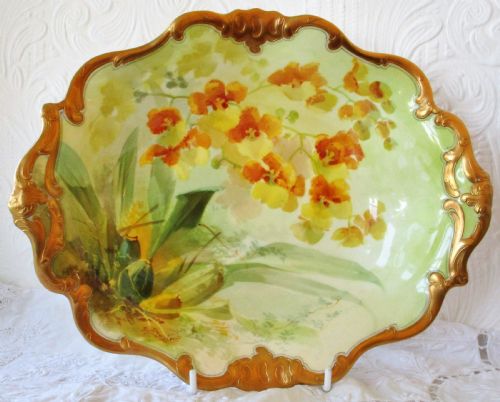
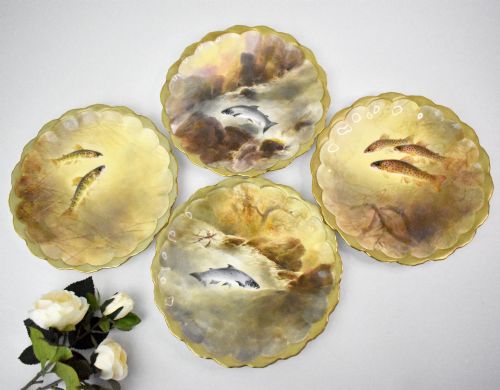
Common subjects include hand-painted fruit studies, botanical orchid illustrations, and detailed depictions of swans, fish, and game birds.
Many of these designs reflect the high standard of naturalistic illustration favoured by major British potteries of the era.
Are signed plates more desirable?
Plates bearing the signature or monogram of a skilled painter often attract greater interest from collectors. Named artists spent years perfecting specific motifs like fruit or birds.
Signatures provide a direct link to the individual artisan responsible for the painted surface.
How do I identify the date?
Potteries utilised backstamps, date ciphers, and registration numbers stamped or painted on the underside of the ceramic body. Comparing these marks with factory records clarifies the production period.
Some items also bear written inscriptions or dates added by the artist upon completion.