


Edwardian Painted Chest Drawers
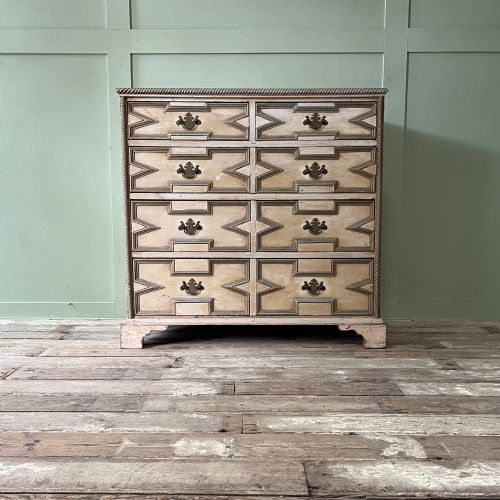
Edwardian painted chest drawers pieces offer practical storage with hand-finished surfaces, combining period timber construction with decorative painted schemes that brighten a room.
Edwardian Painted Chest Drawers
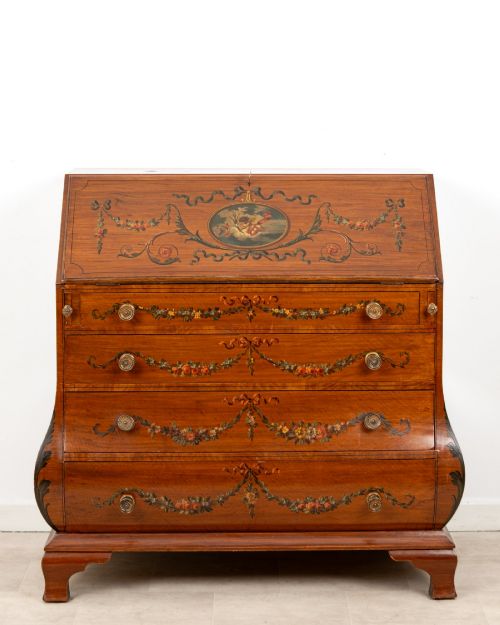
An edwardian painted chest drawers brings together domestic utility and decorative surface work, frequently taking the form of bedroom storage units with multiple drawer tiers. The surviving examples range from compact pine versions to satinwood writing desks and larger commodes.
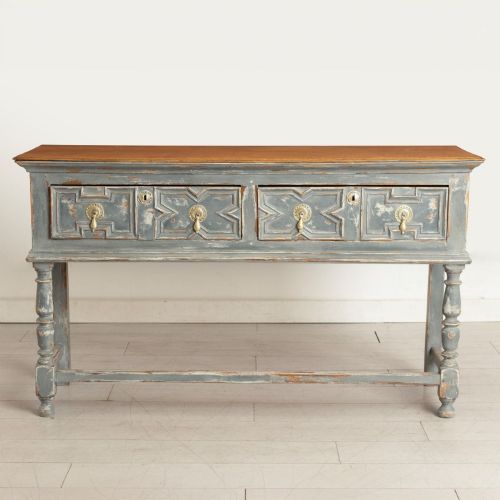
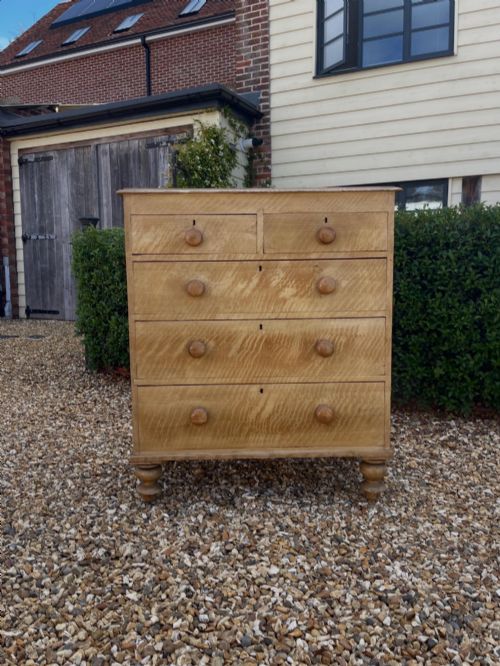
Most items you encounter cluster around the turn of the twentieth century, drawing on Edwardian and Victorian country aesthetics alongside revival styles such as Sheraton and Jacobean. These pieces utilise pine, satinwood, and ash, often finished with scumble glazes, geometric patterns, or pictorial scenes.
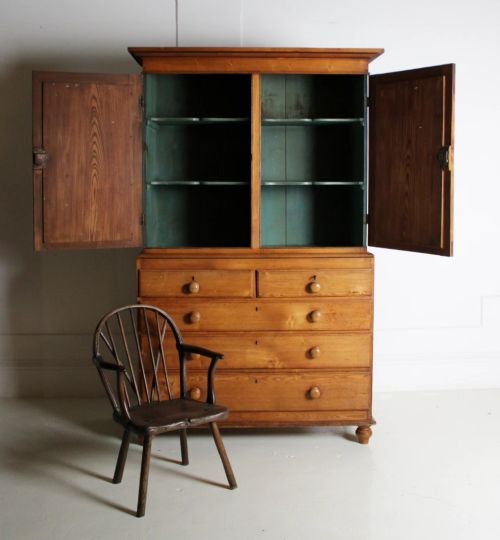
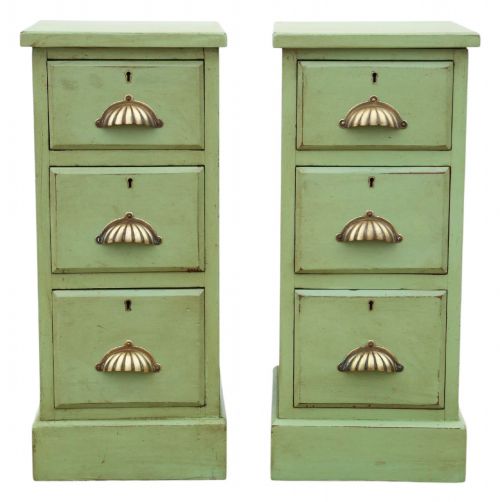
Beyond standard chests, the category extends to bedside tables, linen presses, dressing chests, and specialist forms like pharmacy drawers and collectors cabinets. Each variant serves a distinct storage purpose while carrying the painted or glazed finish characteristic of the period.
How they were made
Construction relies primarily on sturdy timbers such as pine, oak, ash, and satinwood, joined using traditional cabinet-making methods suited to domestic furniture. Brass hardware frequently provides handles and drawer pulls, complementing the underlying wood structure.
Surface decoration defines the visual character, utilising oil paints, scumble glazing, and japanning techniques to create pale cream tones, green colourways, or intricate Venetian scenes. Artisans applied these decorative layers directly over wood or prepared grounds to achieve lasting visual depth.
Some chests hide twenty-four tiny drawers behind a single facade, perfect for stashing an overwhelming collection of buttons or beetles.
What varies in quality
The sophistication of the painted surface distinguishes standard utility items from finer decorative examples, ranging from simple scumble glazes to detailed chinoiserie and hand-painted geometric schemes. The precision of the joinery and the selection of cabinet timbers like satinwood versus everyday pine also set pieces apart.
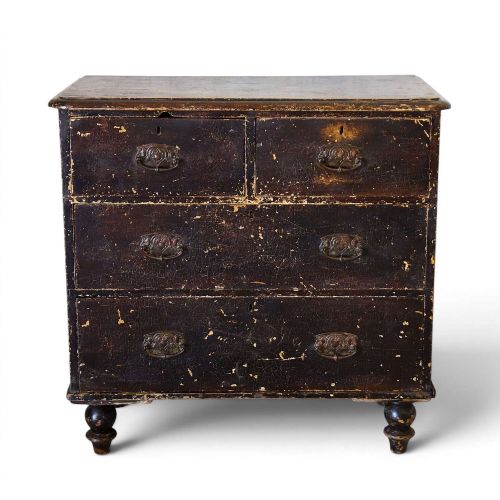
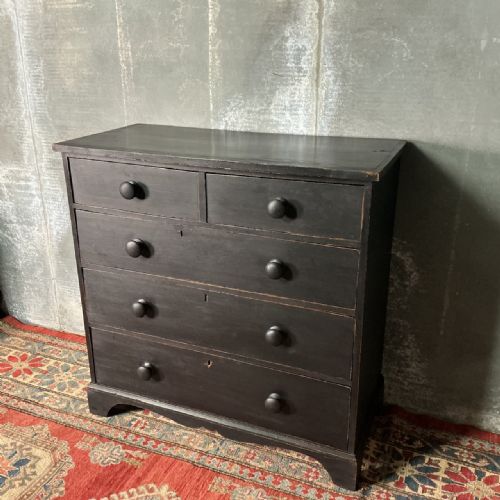
Originality of the painted finish plays a major role in establishing the character of each piece, with untouched period decoration holding distinct interest compared to later re-paintings. The complexity of the form, whether a straightforward chest or an elaborate bureau desk with multiple drawers, adds further distinction.
Sir Clough Williams-Ellis
The Edwardian Painted Chest Drawers Glossary
- Scumble paint
- A translucent or opaque glaze manipulated with brushes, combs, or rags while wet to imitate the grain of more expensive woods or create textured decorative patterns.
- Japanning
- A European imitation of East Asian lacquerwork, built up through layers of varnish and paint that are often cured and polished to a smooth finish.
- Satinwood
- A dense, yellowish timber with a lustrous sheen, highly favoured in fine furniture during the Sheraton Revival and Edwardian periods.
- Commode
- A low piece of furniture with drawers or doors, originating in France but commonly applied to decorative low chests in English and continental interiors.
- Wellington chest
- A tall, slender stack of drawers secured by a hinged locking stile on one side that fastens with a key.
Edwardian Painted Chest Drawers: Frequently Asked Questions
What is an edwardian painted chest drawers?
These are wooden storage units produced around the early twentieth century featuring decorative painted finishes, ranging from simple scumble glaze to elaborate geometric or pictorial artwork.
They combine traditional cabinet construction in timbers like pine and satinwood with surface decoration that reflects the artistic tastes of the period.
Where were these pieces used?
They served primarily in domestic bedrooms and dressing rooms for storing garments, linens, and personal items.
Smaller variants functioned as bedside tables or specialised writing desks, while larger banks of drawers found use in pharmacies and collectors' studies.
How should I care for painted wood?
Preserving the surface requires keeping the furniture away from direct sunlight and fluctuating humidity to protect the original paint or glaze.
Dusting gently with a dry, soft cloth is sufficient, avoiding modern chemical polishes that can degrade historical finishes.