

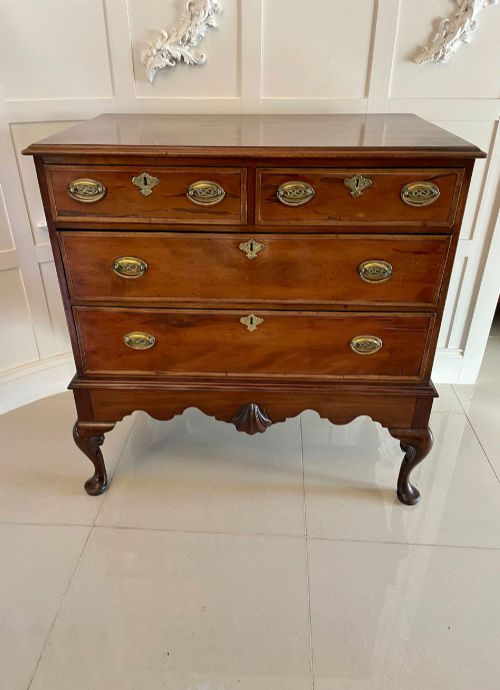

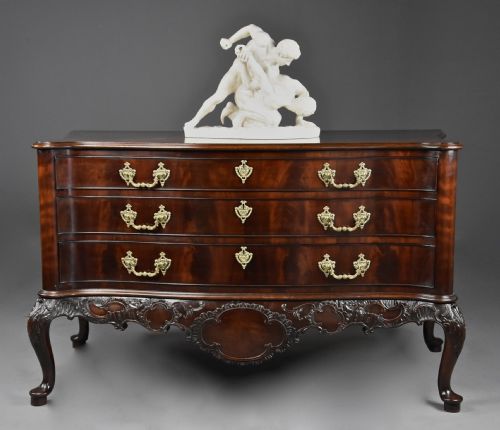
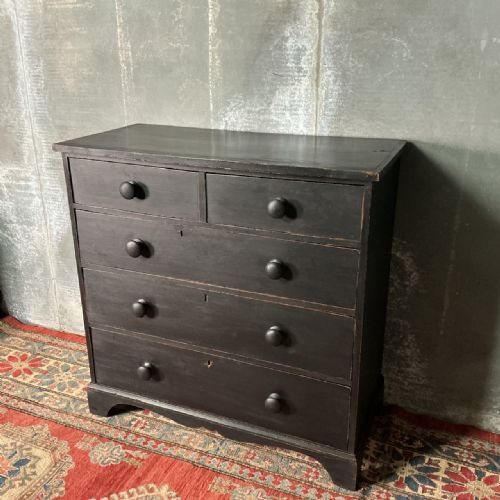


Carved Apron Chest Drawers
These carved apron chest drawers combine practical storage with distinctive regional styles, offering rich timber grains and shaped woodwork that anchors a traditional room.
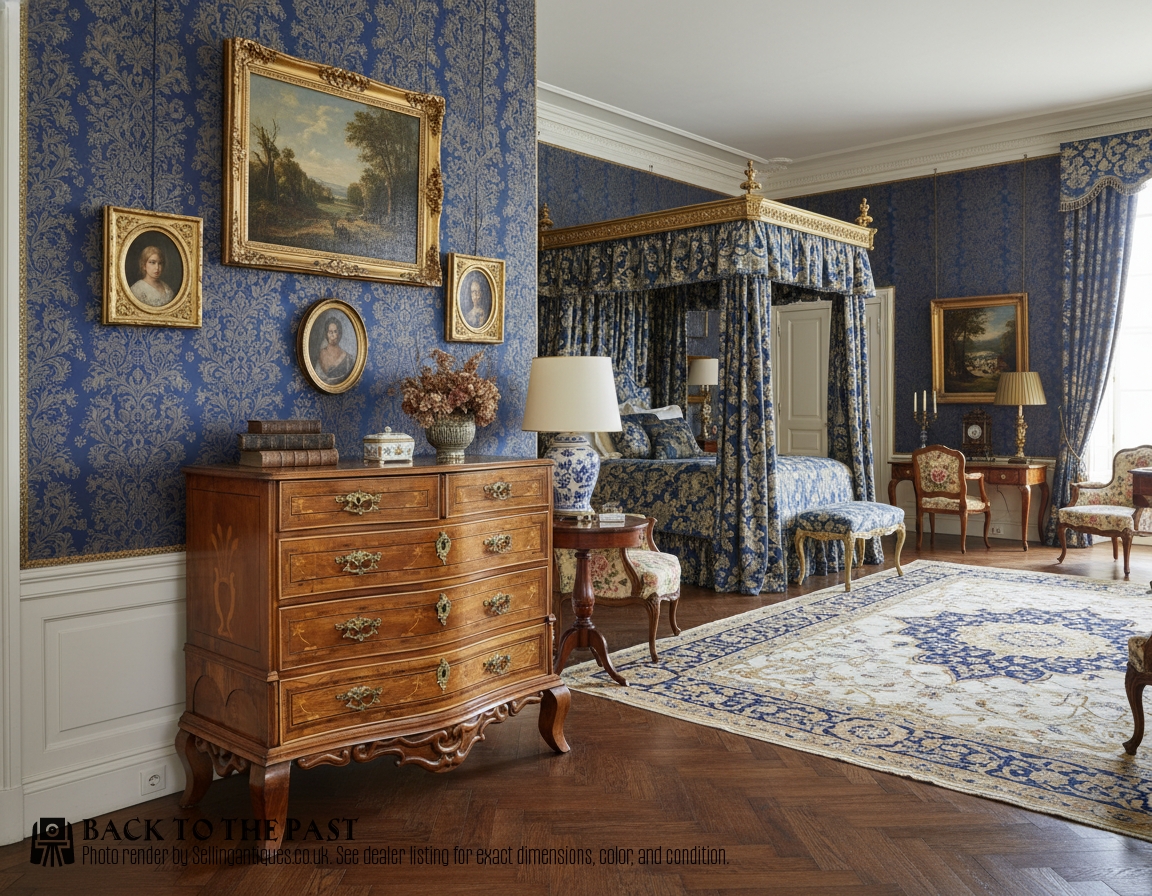
Carved Apron Chest Drawers
A carved apron chest drawers represents a diverse group of storage furniture spanning the eighteenth and nineteenth centuries, including English, French, Portuguese, and Swedish examples. Buyers hunting for a carved apron chest drawers will encounter regional forms such as serpentine commodes, chests on stands, and solid oak or mahogany drawer units.
The evidence shows a strong showing of eighteenth-century pieces alongside Victorian and early twentieth-century revivals. French provincial designs and George III styles dominate the visual landscape of these listings.
How they were made
Cabinetmakers utilised solid timbers including oak, mahogany, and walnut, alongside painted wood surfaces and brass hardware. Construction methods relied on time-served joinery to house multiple drawers securely within frames.
Decorative details involved shaped aprons, curved serpentine fronts, and occasional inlaid work. Regional workshops applied local finishing traditions, from French painted treatments to English polished mahogany.
Carved Apron Chest Drawers Retail Price Guide 2026
Typical asking prices for carved apron chest drawers among the pieces listed under this phrase on Sellingantiques today, from the lower quarter to the upper quarter. They describe what is for sale here now, not the wider market.
French provincial commodes and English George III styles represent the primary design traditions found in the inventory.
What varies in quality
The sophistication of the carved apron work and the selection of timber grain define the upper tier of these pieces. Finer examples display harmonious proportions, particularly in serpentine profiles and chest-on-stand elevations.
The integrity of the original hardware, drawer linings, and surface patination separates honest traditional pieces from later alterations. Subtle differences in the execution of regional styles dictate the distinction between standard utility and superior craftsmanship.
The Carved Apron Chest Drawers Glossary
- Serpentine
- A furniture front curved in a concave-convex-concave shape. This sweeping line requires advanced woodworking skill to execute properly.
- Commode
- A low chest of drawers originating in France. These pieces typically feature ornamental handles and shaped fronts.
- Chest on stand
- A case of drawers raised on a separate frame with legs. This form lifts the storage compartment higher off the floor.
Carved Apron Chest Drawers: Frequently Asked Questions
What is a carved apron chest drawers?
These items are traditional storage chests featuring shaped and decorated lower rails beneath the drawers. They span several centuries and various European country styles.
Buyers select them for their combination of functional drawer space and distinct regional woodworking characteristics.
How do I date these chests?
Dating relies on timber selection, construction methods, and stylistic cues such as serpentine shaping or brass hardware types. Eighteenth-century examples often display native oak or walnut, while later nineteenth-century pieces frequently utilise mahogany or painted finishes.
Examining the drawer linings and internal joints provides further clues regarding the manufacturing era.
Where were these pieces made?
The listings reveal origins across England, France, Portugal, and Sweden. Each region developed distinct aesthetic preferences, such as French provincial commodes or Swedish inlaid oak.
Local workshops adapted prevailing trends to suit regional tastes and available materials.
How do I place one at home?
These chests serve well in bedrooms, hallways, or living spaces as statement storage units. Their decorative aprons and shaped fronts draw the eye, making them suitable focal points against plain walls.
Ensure adequate floor clearance for pieces with stands or protruding serpentine profiles.