


Edwardian Openwork Gold Pendant
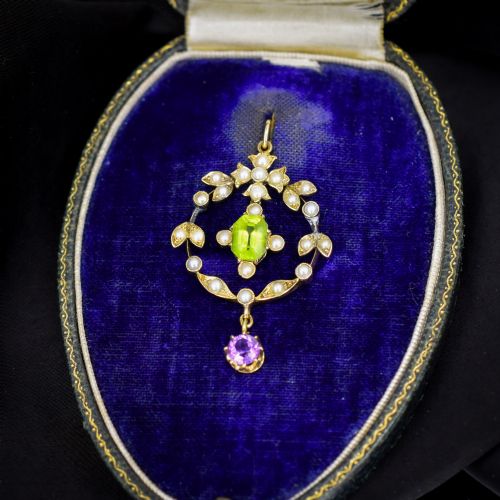
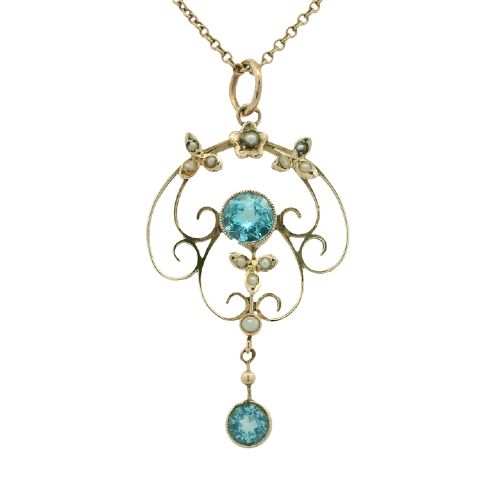
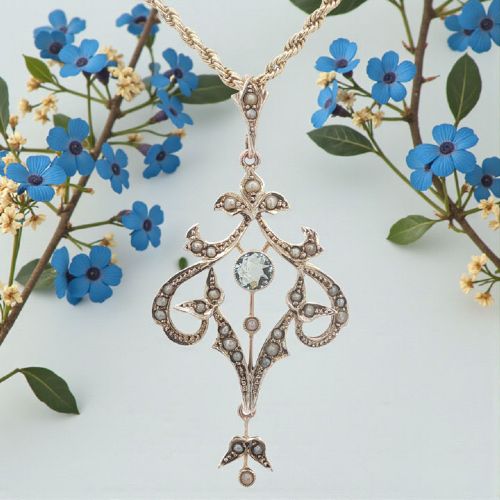
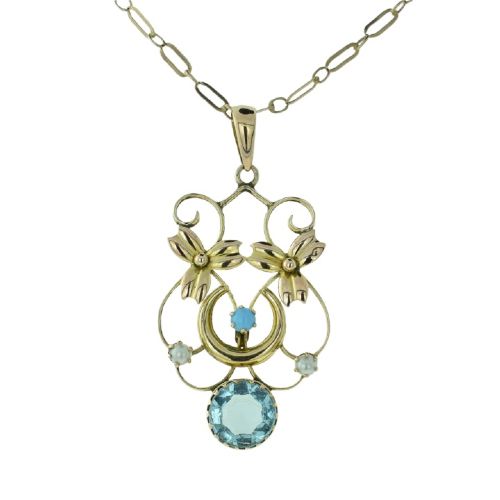
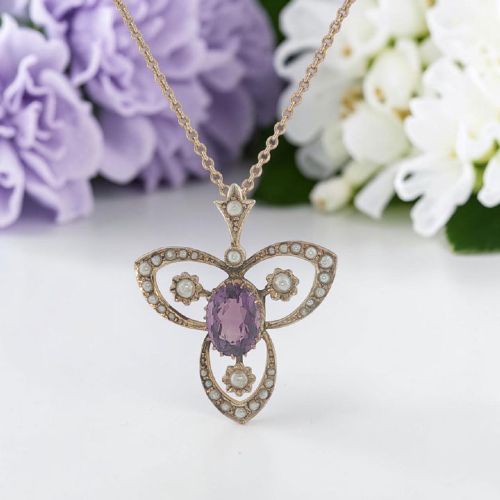
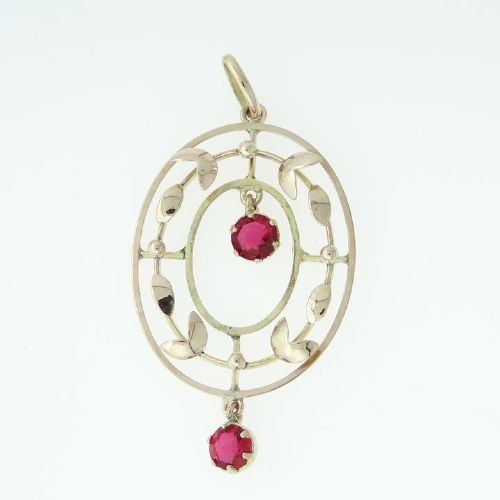
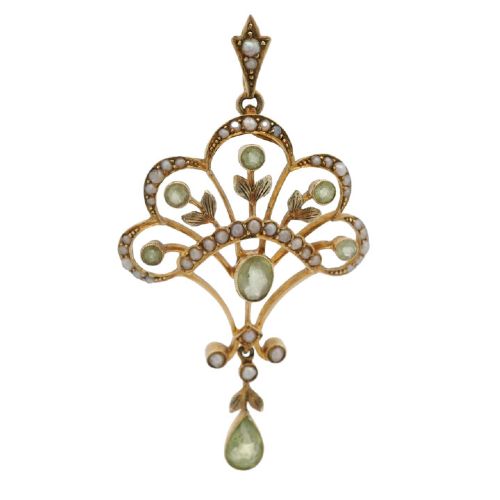
An edwardian openwork gold pendant brings intricate wirework and delicate gemstones together in a form collectors wear to catch the light.
Edwardian Openwork Gold Pendant
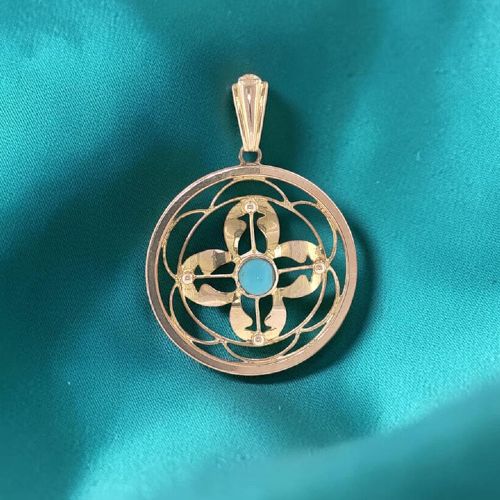
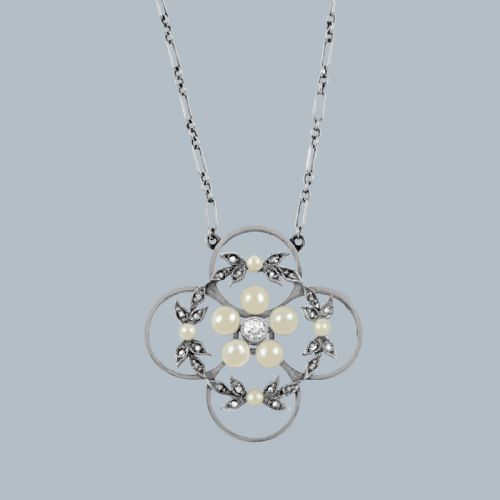
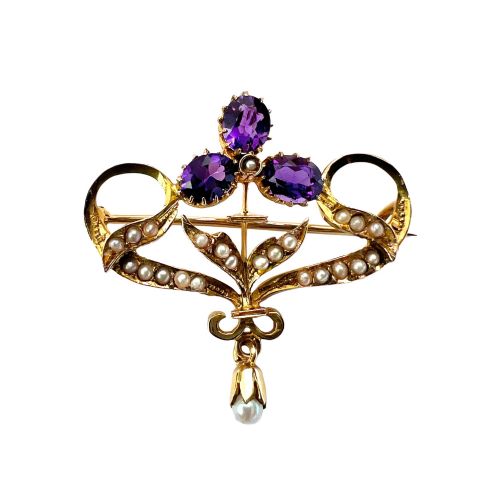
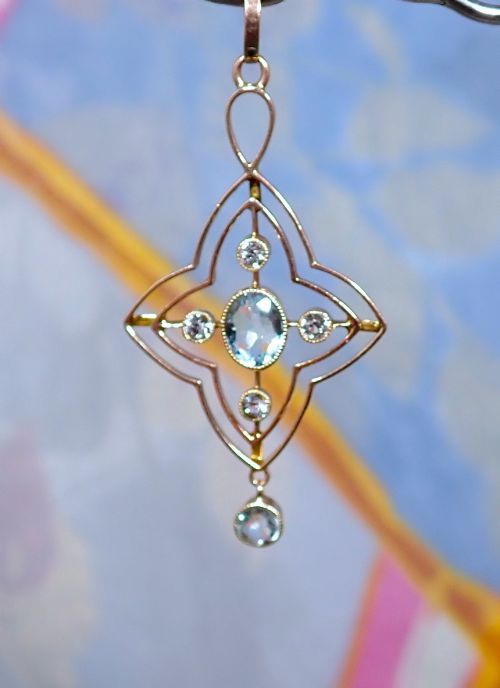
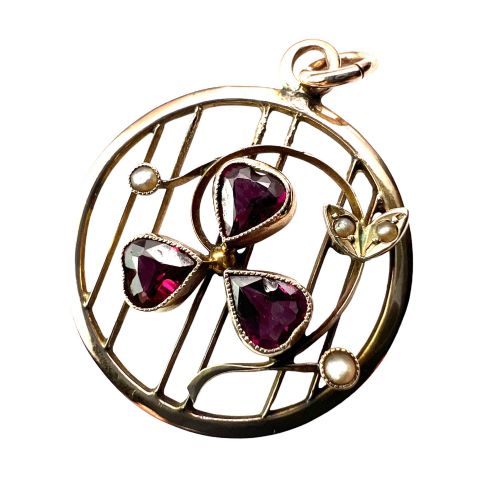
An edwardian openwork gold pendant represents the intricate jewellery designs characteristic of the early twentieth century and surrounding decades. These pieces typically display delicate wirework framing coloured stones and pearls in varied geometric or floral patterns.
Makers and workshops of the era utilised precise piercing techniques to create airy metal frames that allow light to pass through the central gems. Buyers frequently encounter combinations of peridot, amethyst, aquamarine, and seed pearls set within these lightweight gold structures.
How They Were Made
Jewellers constructed these items using 9ct and 15ct gold, shaping the metal into thin ribbons and wire to form the characteristic openwork lattices. Hand-piercing and soldering allowed artisans to remove surplus metal, producing a lightweight framework that supported suspended stones and pearl drops.
Gems such as peridot, amethyst, and aquamarine were typically collet-set or bezel-set into the gold structure, accompanied by delicate seed pearls wired individually to the metal frame. Silver was occasionally paired with gold in specific settings, particularly when incorporating diamonds or sapphire accents into the design.
Gemstones identified across the current pieces include peridot, amethyst, aquamarine, turquoise, garnet, and seed pearl.
What Varies in Quality
The refinement of the piercing work distinguishes standard production from finer goldsmithing, where intricate scrolls and symmetrical apertures require advanced hand skills. Heavier gauge gold framing and secure setting techniques provide greater structural integrity to the open lattice.
The clarity and saturation of set gemstones, alongside the matching and lustre of natural seed pearls, elevate the overall character of the piece. Preservation of the original chain and the integrity of delicate drop elements also influence the standing of an individual jewel.
S. Blanckensee & Son·Artificers’ Guild
The Edwardian Openwork Gold Pendant Glossary
- Openwork
- Metalwork pierced or cut through to create a patterned design resembling lace or lattice. This technique reduces the weight of the piece while increasing the play of light through the central stones.
- Lavalier
- A pendant featuring a primary gemstone suspended from a chain, often accompanied by a secondary dangling drop. This style gained widespread popularity during the Edwardian period.
- Seed Pearl
- Very small natural or cultured pearls, typically unperforated or half-drilled, used to accent antique jewellery. They are frequently sewn or pegged onto gold wire frameworks.
- Collet
- A small collar or band of metal that holds a gemstone in place by its girdle. It represents a traditional method of securing stones before modern prong settings became standard.
- Arts and Crafts
- A design movement prioritising handcraftsmanship and simple materials over mass production. Pieces from this tradition often display visible artisan marks and stylised natural motifs.
Edwardian Openwork Gold Pendant: Frequently Asked Questions
What is an openwork pendant?
An openwork pendant is a piece of jewellery featuring a metal frame pierced with decorative patterns, allowing light to pass directly through the design.
These lightweight structures often incorporate wire scrolls, geometric shapes, or floral motifs that frame central gemstones and seed pearls.
How do I wear a convertible brooch pendant?
Convertible pieces feature a concealed hinged pin alongside a hidden suspension loop, allowing the item to function as either a chest brooch or a neck pendant.
When worn as a pendant, the pin rests flat against the reverse, secured safely within its clasp so it remains hidden during wear.
Are these chains original to the pendants?
Many antique pendants survive alongside contemporary or replacement chains that match the gold colour and carat of the main piece.
Original chains are less common, meaning collectors frequently pair antique drops with period-appropriate or newly sourced compatible chains.
How can I tell Edwardian from Victorian pieces?
Edwardian items typically display lighter, airier openwork designs utilising platinum or yellow gold with diamonds, pearls, and pastel gems like peridot and aquamarine.
Victorian pieces tend to employ heavier gold settings, darker gemstones such as garnet and deep amethyst, and more solid structural forms.