


Edwardian Octagonal Lamp Table
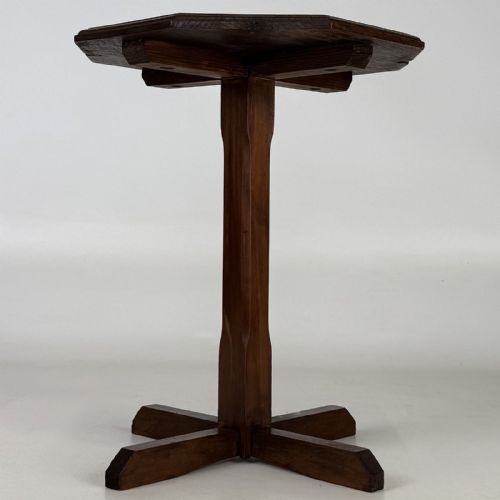
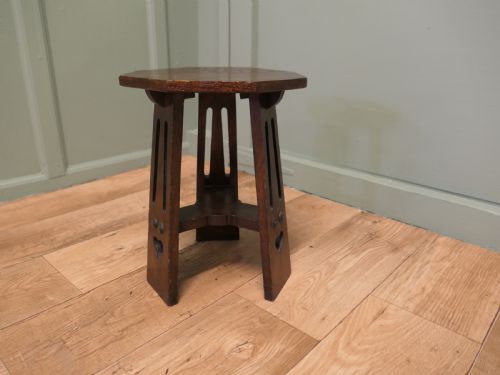
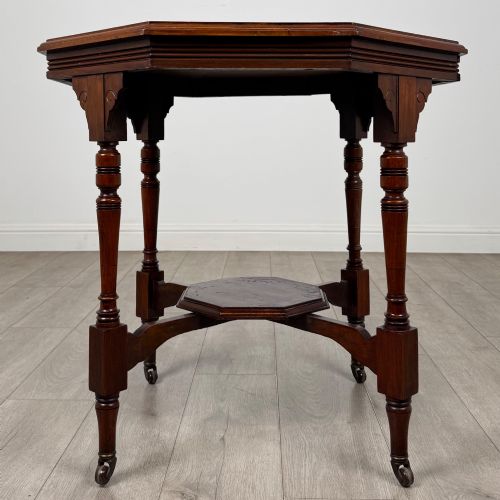
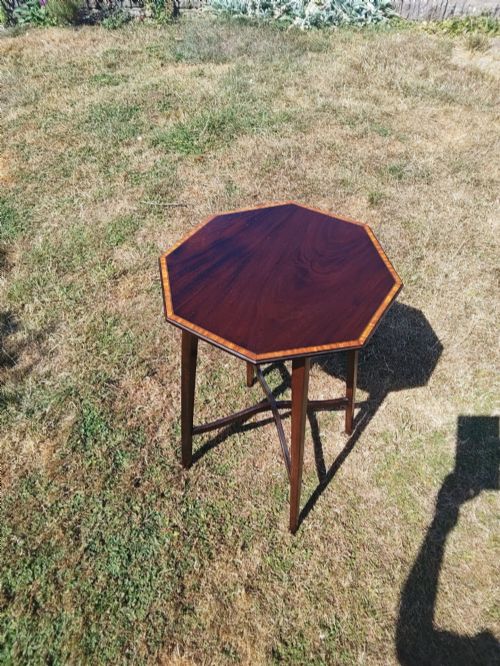
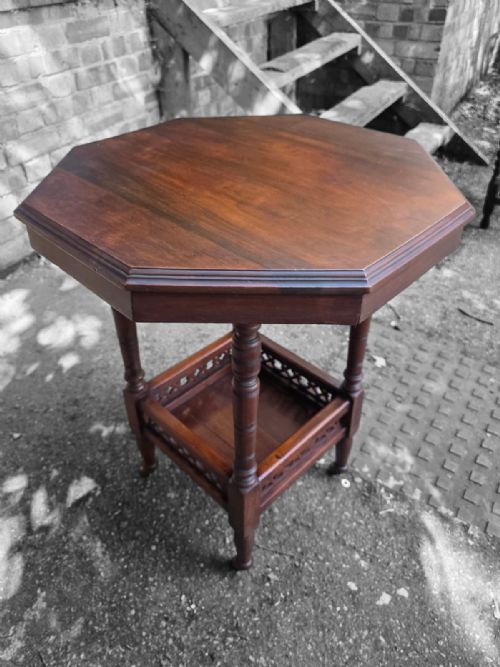
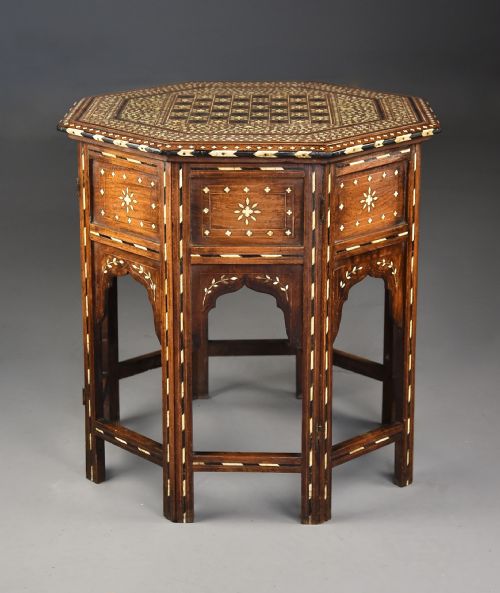
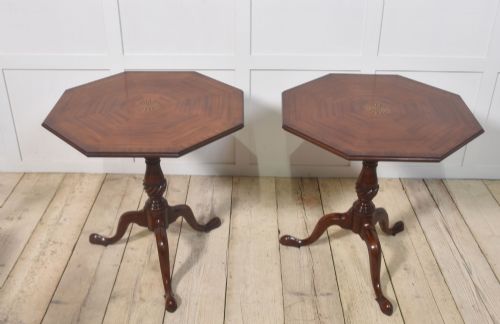
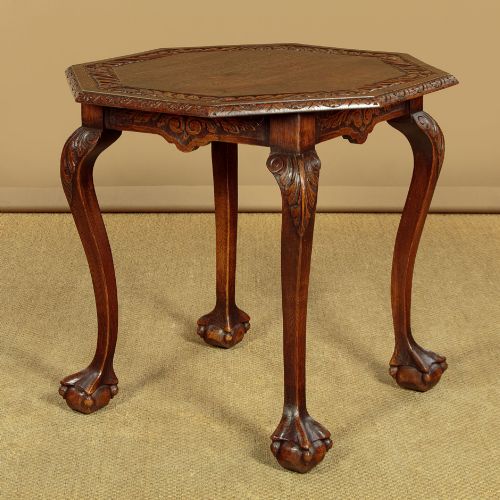
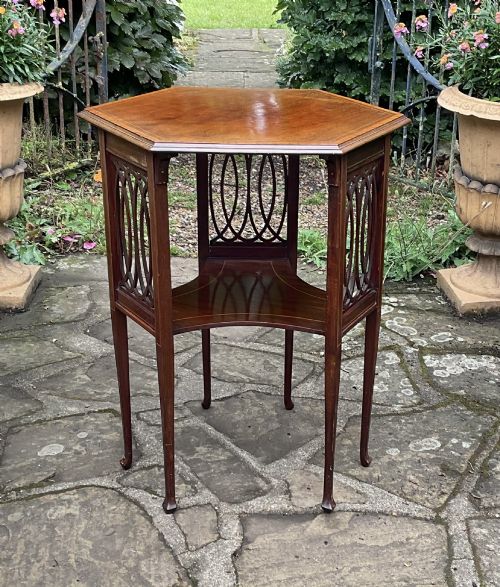
An Edwardian octagonal lamp table brings balanced eight-sided geometry and compact proportion to a corner or beside a chair.
Edwardian Octagonal Lamp Table
When you search for an edwardian octagonal lamp table, you find small occasional furniture designed for domestic lighting and display. These pieces provide a symmetrical eight-sided surface supported by timber frames dating from the late nineteenth and early twentieth centuries.
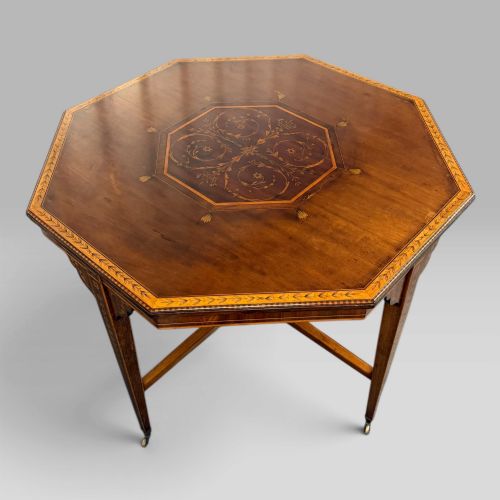
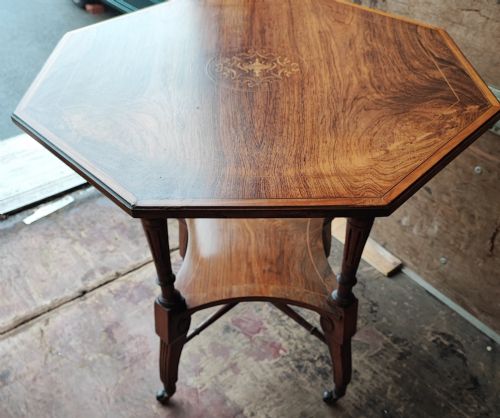
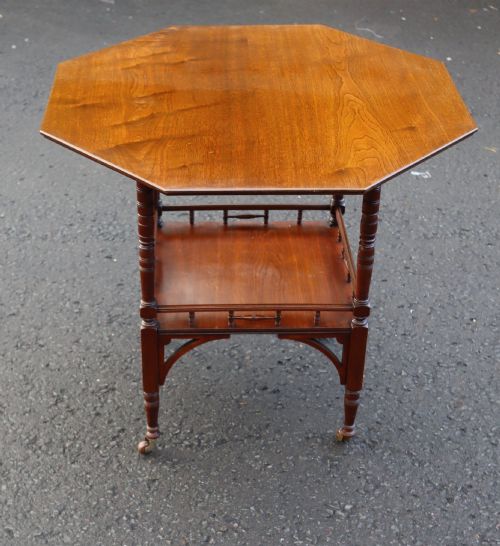
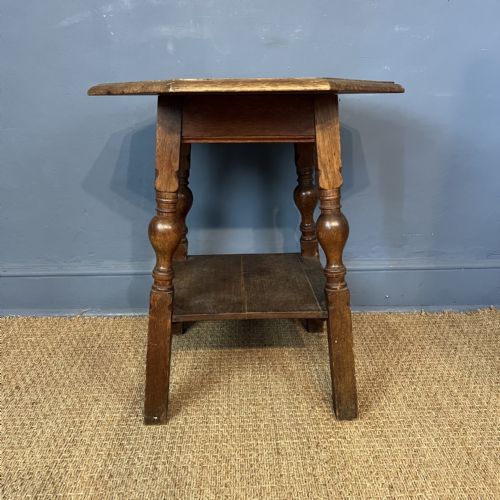
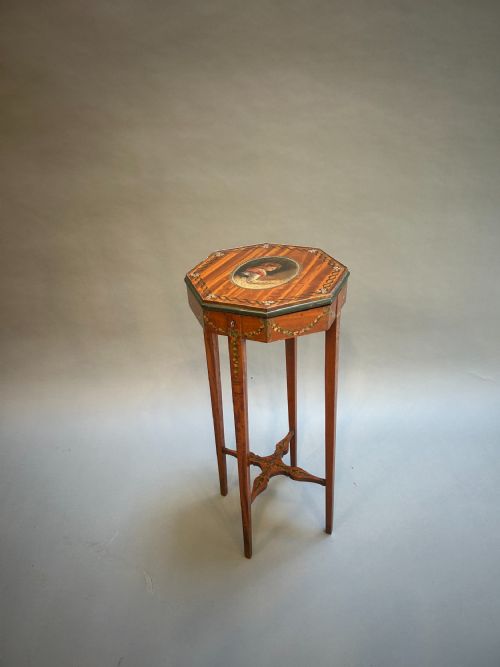
You are most likely to meet mahogany versions inlaid with contrasting timbers, alongside solid oak pieces reflecting the Arts and Crafts movement. Makers also utilised walnut, satinwood, and rosewood to shape these versatile occasional tables.
Functioning originally as plant stands, sewing tables, or small centre tables, their eight-sided tops fit neatly into angles of rooms. The design offers stability and a wider surface area than a square table while occupying a modest footprint.
How they were made
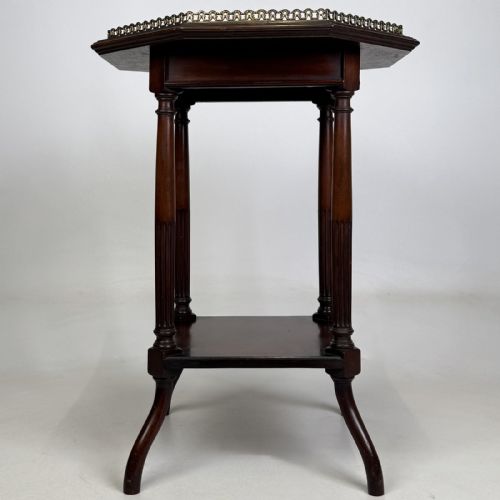
Cabinet makers constructed the frames using native and imported hardwoods including mahogany, oak, walnut, and rosewood. Tops were frequently formed from solid timber or veneered panels joined to resist warping across the eight-sided span.
Decoration relied upon contrasting wood veneers such as boxwood inlay, hand-painted details, and carved woodwork. Joinery methods included mortise and tenon joints for structural stability on legs and lower tiers.
Edwardian Octagonal Lamp Table Retail Price Guide 2026
Typical asking prices for edwardian octagonal lamp table among the pieces listed under this phrase on Sellingantiques today, from the lower quarter to the upper quarter. They describe what is for sale here now, not the wider market.
Some work tables arrived equipped with integrated silk baskets to catch stray balls of wool during evening sewing sessions.
What varies in quality
The degree of refinement in the timber selection and inlay work separates standard utility pieces from finer examples. Subtle details like crisp carving, balanced grain matching, and the precision of boxwood stringing indicate higher workshop standards.
Structural integrity depends on the original joinery and the survival of secondary tiers or silk baskets without modern replacement parts. Tables retaining their original surface finish and patination demonstrate superior preservation.
Liberty and Co
The Edwardian Octagonal Lamp Table Glossary
- Inlay
- A technique where pieces of contrasting wood, such as boxwood, are inserted into recessed cavities in the primary surface to create decorative patterns.
- Occasional table
- A movable small table designed for specific, intermittent domestic tasks rather than permanent central placement in a room.
- Satinwood
- A lustrous, yellowish timber native to India and Ceylon used for high-status cabinet work and painted decorative surfaces.
- Aesthetic Movement
- A late nineteenth-century design ethos emphasising visual beauty over narrative meaning, often resulting in ebonised finishes and minimal ornamentation.
Edwardian Octagonal Lamp Table: Frequently Asked Questions
What is an edwardian octagonal lamp table used for?
These tables served primarily as stable surfaces for oil lamps or candlesticks in domestic sitting rooms and hallways. Their compact eight-sided top also accommodated small decorative items, books, or sewing equipment.
Today, they function effectively beside armchairs or sofas to hold modern lighting, drinks, or small accessories while introducing period character into a room.
How do you distinguish an edwardian table from a victorian one?
Edwardian tables generally display lighter proportions, brighter wood tones, and restrained decorative elements compared to heavier, darker Victorian counterparts. Stylistic overlaps occur around the turn of the century when production techniques bridged both eras.
Examining the underlying timber selection, hardware, and secondary woods helps clarify whether a piece belongs to the late nineteenth century or the early 1900s.
Where should you place an octagonal table in a room?
The eight-sided geometry allows these tables to fit comfortably into room corners or angles where square furniture might look awkward. They also operate successfully as freestanding centre pieces in smaller spaces.
Positioning them beside seating provides convenient access to the surface without obstructing walkways or dominating the floor plan.
Are these tables sturdy enough for daily use?
Solid construction using hardwoods like oak, mahogany, and walnut ensures these tables remain structurally sound for everyday tasks. Their four-legged or tripod bases distribute weight evenly beneath the octagonal top.
Routine care involves protecting polished wood surfaces from moisture and heat to preserve the original finish and joinery.