



Edwardian Oak Vanity Table
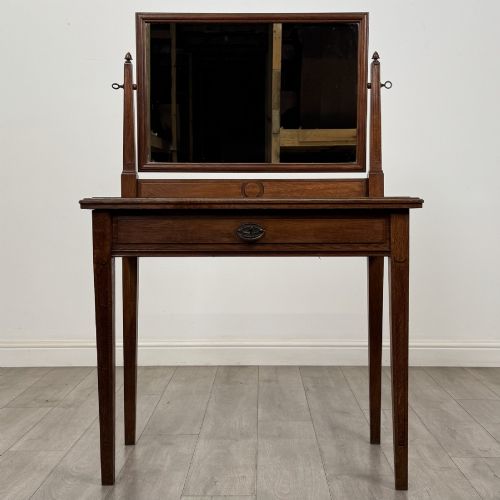
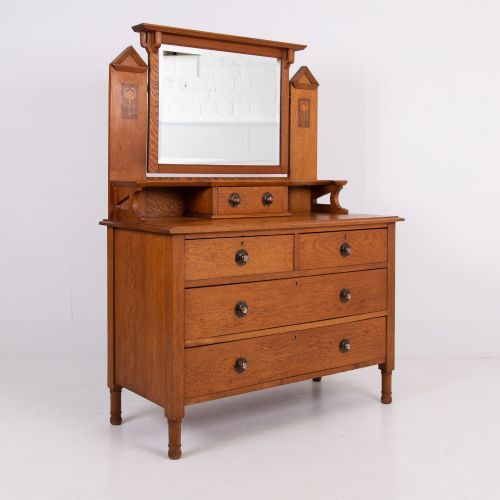
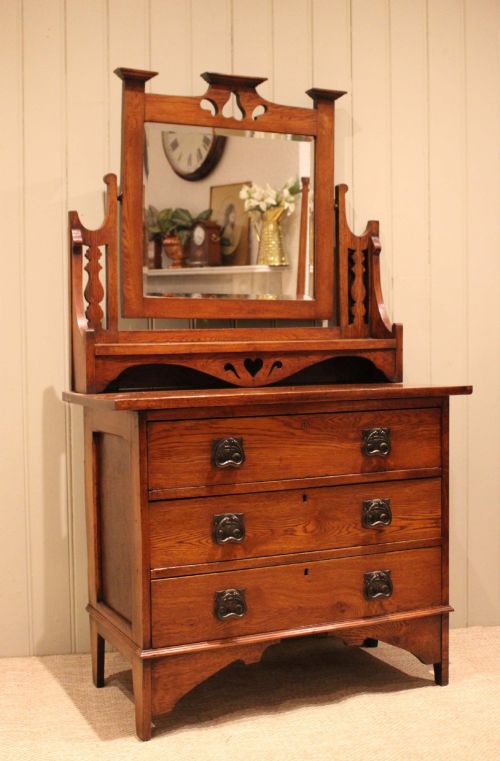
These edwardian oak vanity table pieces bring practical timber storage and mirror work to bedrooms, offering sturdy domestic utility shaped by early twentieth century taste.
Edwardian Oak Vanity Table
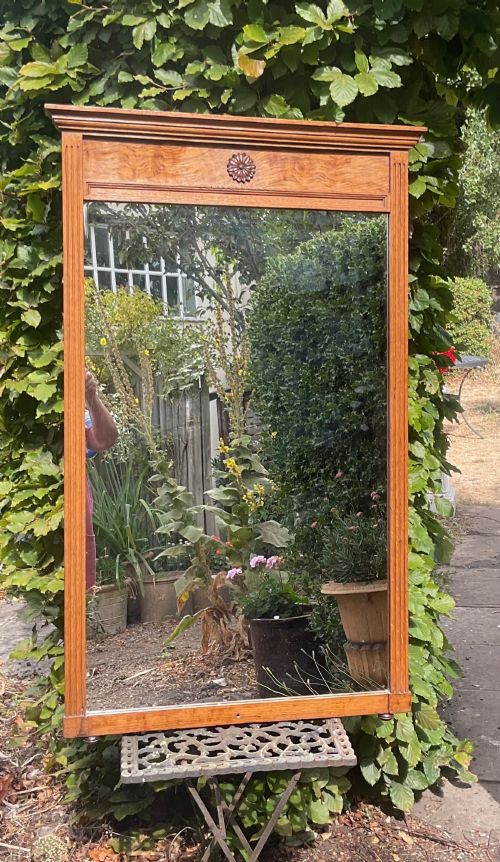
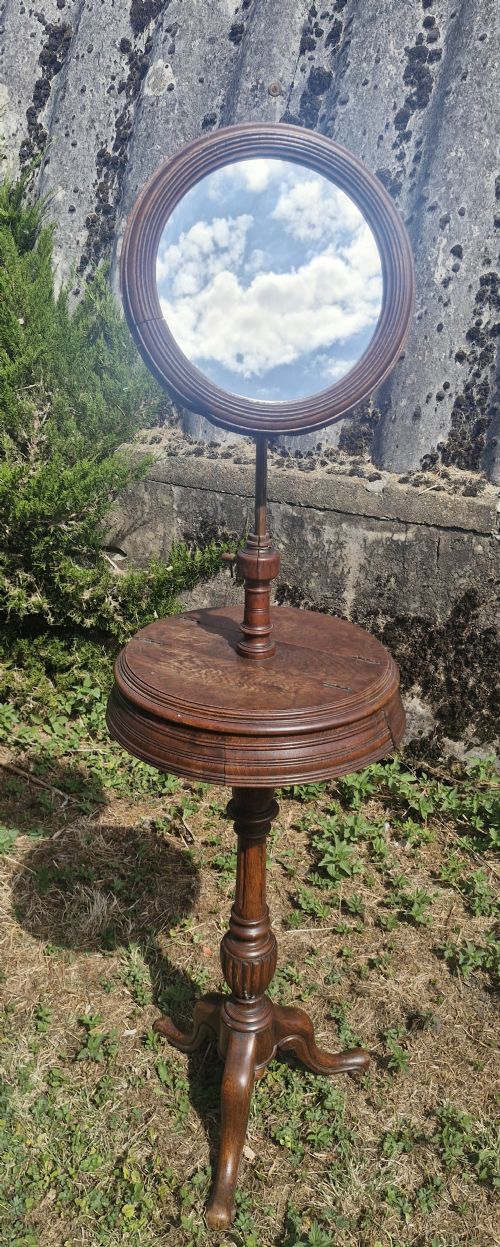
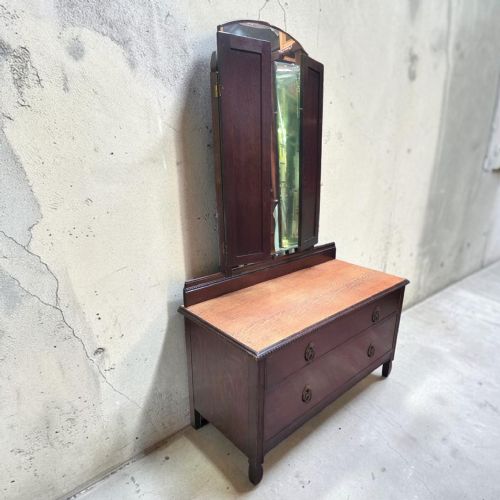
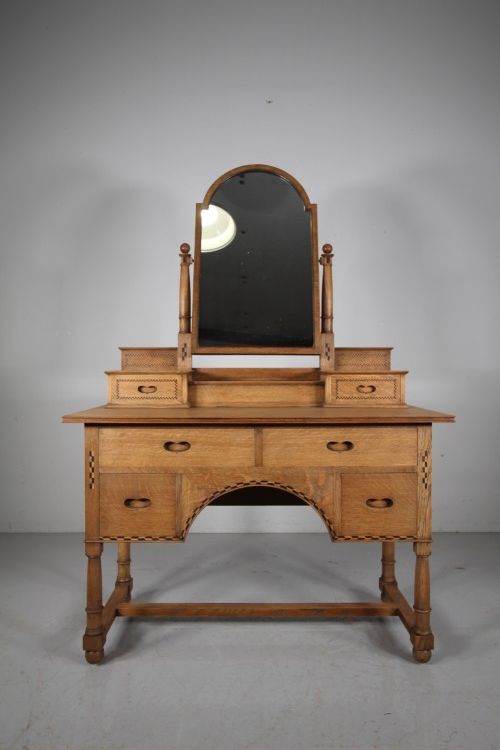
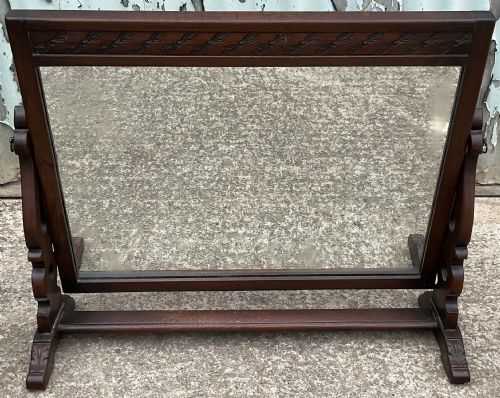
An edwardian oak vanity table usually combines a timber dressing chest or dressing table with a swing mirror, often built in the straightforward vernacular of the period. The selection on this page stretches from late Victorian and Edwardian examples into the 1920s and 1930s, encompassing related forms like shaving stands, washstands, desks, and dressing mirrors in oak.
Makers and workshops of the Arts and Crafts movement heavily influence these forms, alongside Jacobean Revival and Aesthetic Movement expressions. Buyers encounter everything from simple blonde oak dressing mirrors to labeled pieces by notable London and regional cabinetmakers.
Quality and Proportion
Quality rests in the integrity of the timber, the weight of the brass fittings, and the clarity of the original mirror glass. Pieces bearing maker labels or workshop stamps from established firms generally command greater interest among collectors.
Design execution separates standard commercial production from ambitious Arts and Crafts interpretation. The balance of the proportions, the crispness of any inlaid woodwork, and the retention of matching hardware define the better examples.
Edwardian Oak Vanity Table Retail Price Guide 2026
Typical asking prices for edwardian oak vanity table among the pieces listed under this phrase on Sellingantiques today, from the lower quarter to the upper quarter. They describe what is for sale here now, not the wider market.
Materials appearing across these tables include oak, glass, brass, marble, iron, wood inlay, copper, and ceramic.
Heals·Shapland and Petter·James Shoolbred·Wright and Hunter of Belfast·George Walton·Harris Lebus·Arnott and Co
The Edwardian Oak Vanity Table Glossary
- Swing mirror
- A looking glass mounted on vertical pivots within a frame, allowing the angle to be adjusted. These are commonly fitted to the top of dressing chests.
- Shaving stand
- A specialist piece featuring an adjustable mirror and a small shelf or surface for washing equipment. They date largely from the Victorian and Edwardian periods.
- Washstand
- A bedroom table designed to hold a basin and jug, frequently topped with marble. They often match the timber of adjacent dressing chests.
- Blonde oak
- A light-toned timber finish favoured in early twentieth century cabinet making. It highlights the natural grain without dark staining.
Edwardian Oak Vanity Table: Frequently Asked Questions
How do I date an oak dressing table?
Dates are determined by structural details, hardware styles, and maker marks. Pieces span the late nineteenth century through to the nineteen thirties.
Arts and Crafts influences or specific label evidence help narrow the decade of manufacture.
Are the mirror glasses original?
Many pieces retain their original bevel-edged glass, though replacements occur over time. Silvering deterioration can appear on older mirrors.
Original glass often shows faint oxidation spots consistent with age.
Did these pieces come as part of bedroom suites?
Dressing tables and washstands were frequently manufactured as matched sets for domestic bedrooms. Individual pieces now appear independently in the market.
Matching wardrobe and bedside items occasionally accompany them.
How should I care for the oak surface?
Routine maintenance requires dry dusting and occasional application of appropriate furniture wax. Direct sunlight and excessive heat sources should be avoided to protect the timber.
Keeping marble or ceramic components clean protects surrounding woodwork from moisture.